
Review · TOKYO
Tokyo: 3-Hour Bike or E-Bike City Highlights Tour
Tokyo reveals itself quickly from a bicycle. In three hours, you can move from the quiet grounds of Zojo-ji Temple to the Imperial Palace, Tokyo Station, Aoyama, and the neon rush of Shibuya. That range is the main appeal: you cover far more ground than you would on foot, while still noticing side streets and local corners between the big sights.
I like the well-planned route, which links major landmarks with parks, back roads, and a few less familiar stops. I also like the guides’ personal touch. Naoki, Atsu, KJ, Rinto, Kosei, and others are praised for clear explanations, friendly conversation, and careful pacing. The main consideration is simple: this is real city cycling. You may ride beside traffic and switch between roads and sidewalks, so an e-bike is a smart choice if you rarely cycle.
Key points before you book
- Covers a large slice of Tokyo: Expect roughly 15 to 20 kilometers, depending on the route and group.
- Starts near Daimon Station: Meet by the Statue of Commodore Perry, about a three-minute walk from Daimon Station’s A6 exit.
- Mixes famous sights with quieter stops: Zojo-ji, the Imperial Palace, Tokyo Station, Akasaka, Aoyama, Cat Street, and Shibuya all fit into one outing.
- E-bikes are worth considering: They help with distance, heat, and the occasional hill.
- Helmets cost extra: Bring ¥1,000 in cash per helmet if you want one.
- Best for confident cyclists aged 12 and older: Children under 12, pregnant women, people with back problems, and anyone unable to ride a bicycle should not book.
Why a bicycle works so well in Tokyo
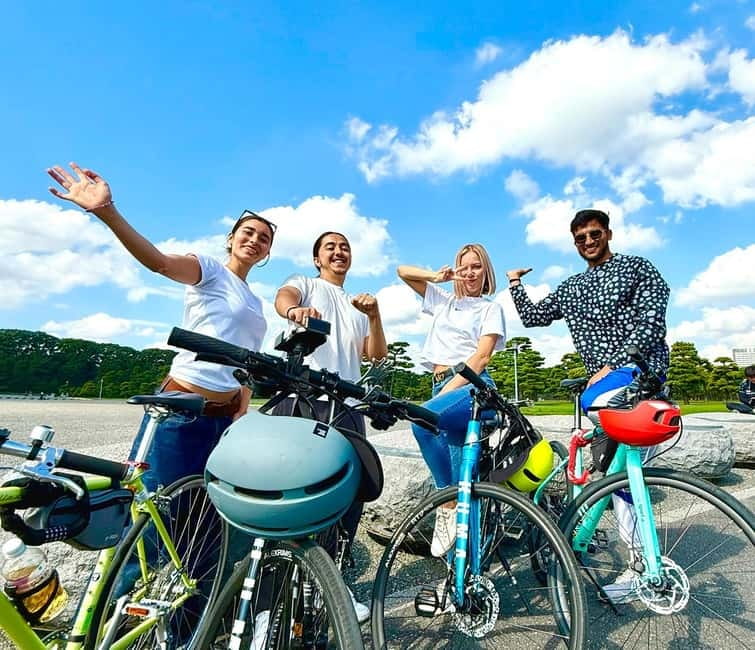
Tokyo is easy to navigate by train, but the subway hides the connections between neighborhoods. A bicycle fills in those gaps. You see how a temple sits beside an office district, how formal palace grounds give way to fashionable streets, and how the city changes block by block.
This tour is especially useful at the beginning of your stay. Alli found it gave a good feel for the city, while Cathal used it on a first day to understand Tokyo’s scale. I agree with that strategy. You will not master the city in three hours, but you will get a working map in your head and a list of places worth returning to.
The distance matters. The route is not a gentle ride around one park. Several riders estimated about 15 kilometers, and one described a ride of about 20 kilometers. The pace is aimed at sightseeing rather than racing, but you still need enough stamina to remain comfortable for three hours.
The e-bike option changes the experience. You still pedal, but the motor takes pressure off hills and longer stretches. It is recommended for people who do not cycle often or are unsure about their stamina. Laura specifically appreciated the assistance on hills, and Peter found the e-bike made the full route easy to enjoy.
More City Bike Tours in Japan
- Tokyo Top Highlights 3h Guided E-bike Tour
★ 5.0 · 714 reviews - 5 Top Highlights of Kyoto Full Day Bike Tour (E-bike option)
★ 5.0 · 511 reviews - E-Bike Nara Highlights – Todaiji, Knives, Deer, Shrine
★ 4.8 · 186 reviews
Starting at the Statue of Commodore Perry
The meeting point is by the Statue of Commodore Perry, close to Daimon Station. This is a practical starting place because the group can gather near a clear landmark rather than hunt for a shop entrance in a busy station district.
After fitting your bike, expect a short orientation before setting off. The fleet includes Bianchi and Fuji cross bikes, plus e-bikes depending on the option you choose. A small pouch mounted on the bicycle holds a phone, wallet, or keys, which saves you from stuffing everything into a pocket.
The bicycles were generally reported to be in good working order, though one rider had a bike with slipping gears. It is sensible to test the brakes, gears, and saddle before leaving. If something feels wrong, say so at once. Fixing a minor problem at the start is much easier than managing it halfway across Tokyo.
Helmets are not included. You can rent one on site for ¥1,000 per unit, payable in cash. The tour includes bike insurance, but that is not a reason to skip basic caution.
Zojo-ji Temple and Shiba Park
The first substantial stop is Zojo-ji Temple, beside Shiba Park. This is a strong opening because it gives you a classic Tokyo scene almost immediately: a major Buddhist temple set against the modern city, with Tokyo Tower nearby in the wider area.
You get about 15 minutes for a visit and guided explanation. That is enough to look around, take photographs, and hear about the temple’s place in Japanese religious and political history. It is not enough for a long, unhurried temple visit, so think of this as an introduction rather than a full cultural tour.
The bicycle makes the contrast especially clear. You leave a historic religious site and soon return to broad city streets, offices, and traffic. That quick shift is one of the pleasures of this route.
Hibiya Park and the Imperial Palace
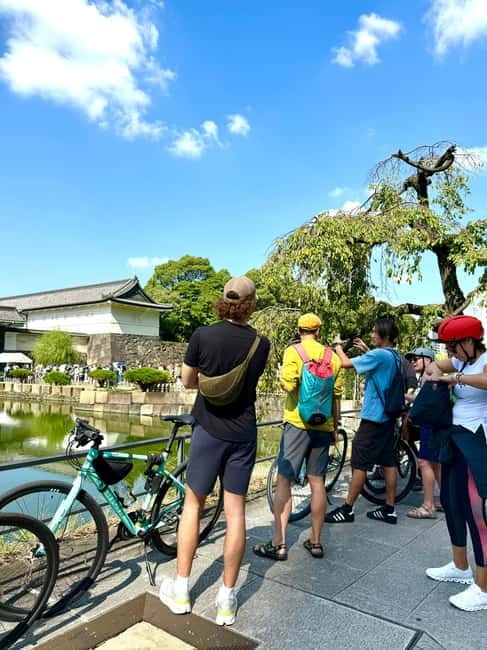
Hibiya Park receives only a short visit, listed at about three minutes. Treat it as a scenic pause rather than a full park tour. The benefit is rhythm: the ride is broken into manageable sections, and you get a moment to look around before moving toward the palace district.
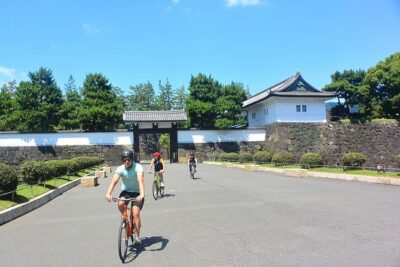
The Imperial Palace is one of the main stops, with around 15 minutes for photographs and a guided visit. You will see the formal outer areas and hear context from the guide, but you should not expect access to private palace buildings. Like much of Tokyo’s central sightseeing, the appeal comes from the setting, scale, and surrounding grounds.
This section can be particularly good for photographs. The palace area has a more spacious feel than many central neighborhoods, which gives your legs and your eyes a break after the first urban stretches.
More E-Bike Tours in Japan
- Hidden Kyoto E-Biking tour
★ 5.0 · 1,843 reviews - 3h Tokyo E-Bike Tour: Hidden Gems, and Local Life with guide
★ 5.0 · 670 reviews - Kyoto: Memory Kyoto E-Bike Tour
★ 4.8 · 297 reviews - Kyoto: Hidden Gems E-Bike Tour with Local Japanese Guide
★ 4.9 · 189 reviews
Tokyo Station and Ote-mon Gate
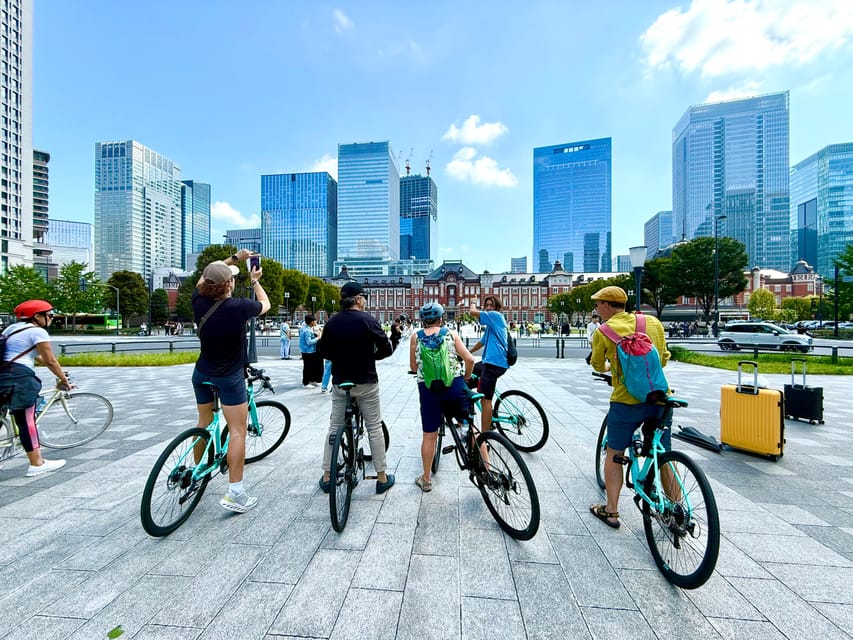
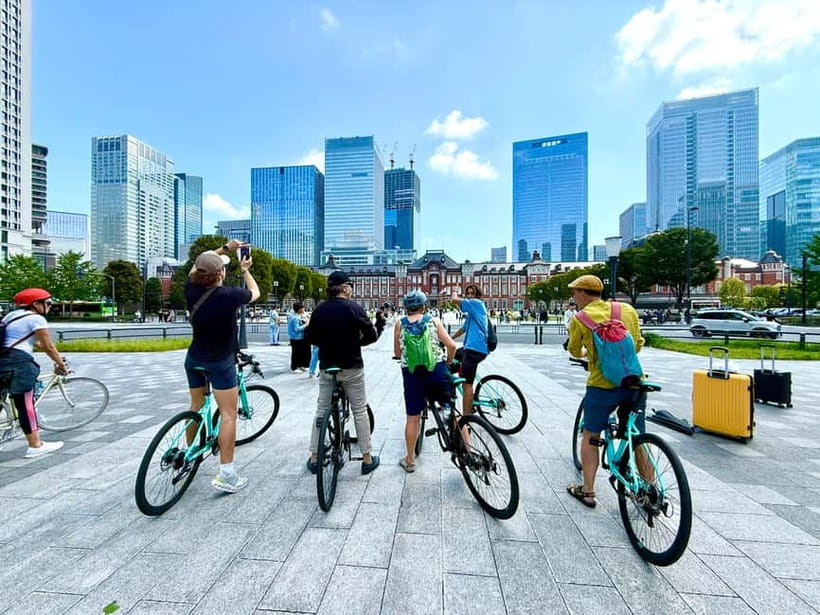
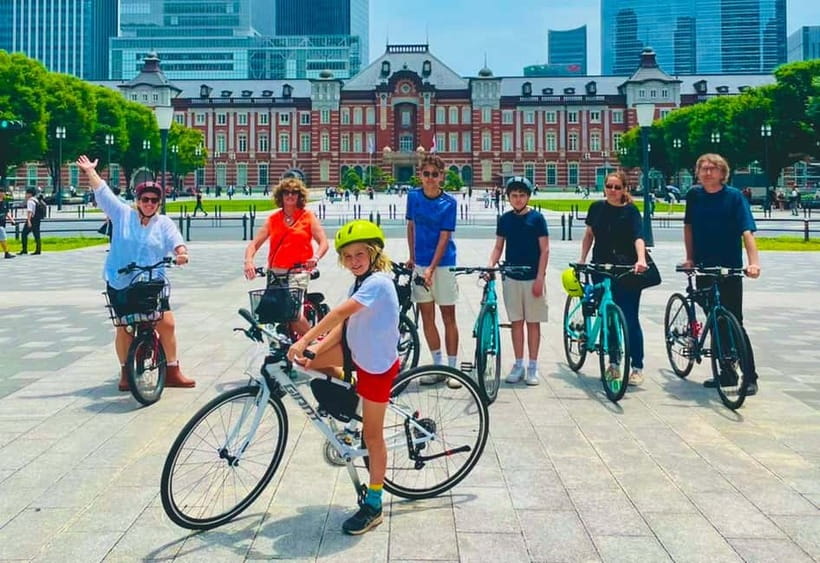
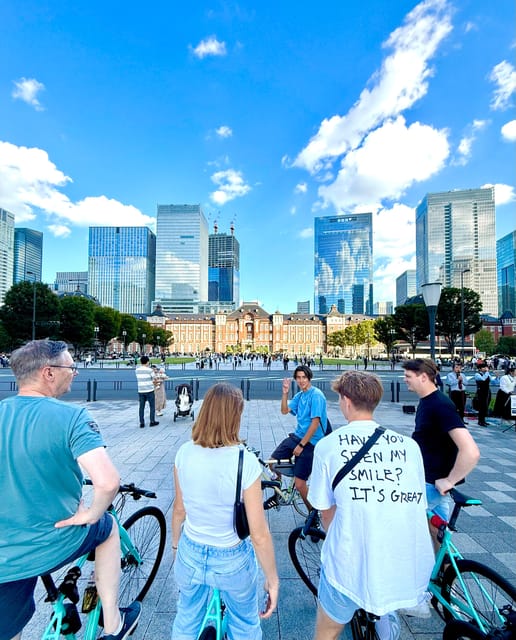
Tokyo Station is another brief but worthwhile stop, lasting about 10 minutes. Its red-brick facade offers a visual change from temples and palace grounds, and the station’s role as one of the city’s major transport centers helps explain Tokyo’s enormous reach.
You then continue to Ote-mon Gate, one of the historic entrances associated with the Imperial Palace. The stop is only about five minutes, so you will look, listen, and photograph rather than wander deeply into the grounds.
This is where the route’s efficiency becomes clear. On foot, fitting the temple, park, palace, station, and gate into one morning would involve a fair amount of walking and several route decisions. By bicycle, the guide handles the transitions and keeps the outing moving.
Chidorigafuchi and Akasaka Palace
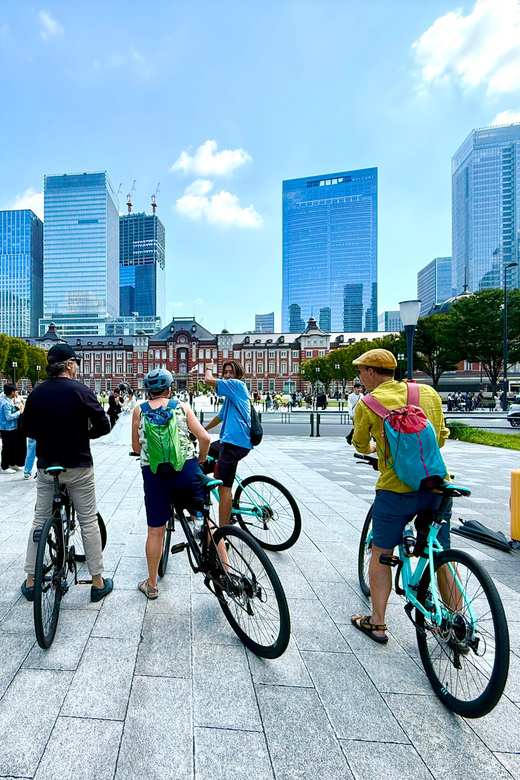
Chidorigafuchi provides a short break and photo stop. It is one of the more restful parts of the route, with a chance to pause beside the palace moat area before continuing. The stop lasts about five minutes, so keep your expectations modest, especially if you want a long stroll or detailed photographs.
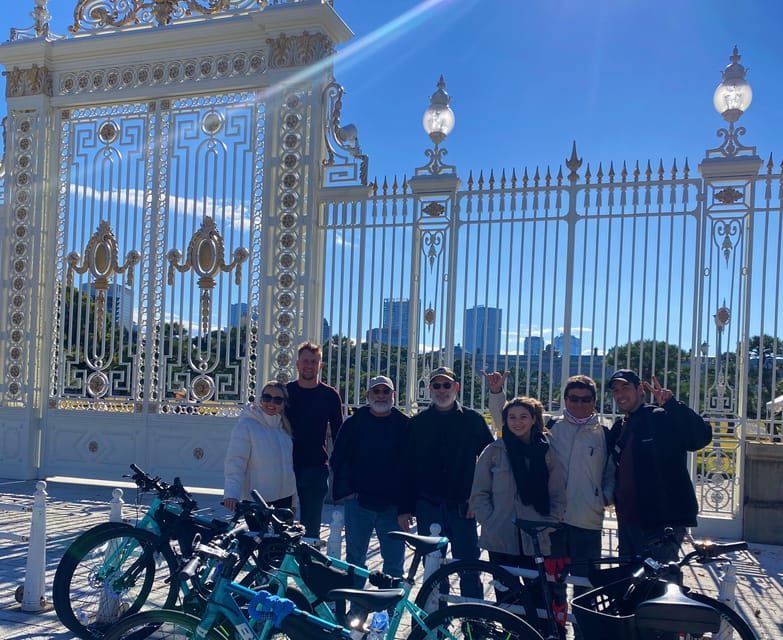
The State Guest House Akasaka Palace gets about 10 minutes for photographs. Its formal architecture adds another style to the day. You will not be touring every interior space, but the exterior gives the route a sense of ceremony and national history.
One strength here is variety. The tour does not linger at one type of sight. You move from religious architecture to gardens, imperial spaces, a major railway station, and government buildings. If you prefer one slow museum visit, this format may feel rushed. If you want an overview, it works well.
The New National Stadium and a lesser-known stop
The New National Stadium is included as a 10-minute photo and sightseeing stop. It brings the route into modern Tokyo and gives you a look at a major contemporary landmark rather than another historic site.
There is also a 15-minute guided stop described as a lesser-known or unexpected place. The exact location can vary, and the supplied route does not name it. That uncertainty is part of the tour’s local flavor, but you should not book expecting a specific attraction at that point.
This stop is valuable because the guide can add texture that a standard landmark checklist misses. Several riders appreciated being taken through back streets and places they would not have found alone. You may also get local suggestions for later in your stay, as guides such as Miguel and Naoki have offered ideas for food and further sightseeing.
Aoyama, Cat Street, and Shibuya
Aoyama St. Grace Cathedral is a quick three-minute photo stop. It is not a full visit, but it breaks up the ride through the Aoyama district and adds another architectural detail to the route.
Cat Street gets about five minutes. This is a fashionable pedestrian and shopping corridor linking the Harajuku and Shibuya areas. The short stop gives you a taste of its style without turning the tour into a shopping excursion.
The final major sightseeing stretch is Shibuya Crossing, with about 10 minutes for photographs and a guided explanation. Seeing the crossing by bicycle gives you a different angle from the usual station viewpoint. You will understand how the district connects its major roads, department stores, music shops, and side streets.
Tower Records Shibuya is another brief photo stop. It is a small detail, but it fits the district’s music identity and gives you a recognizable landmark before the tour ends at the Bell of Peace.
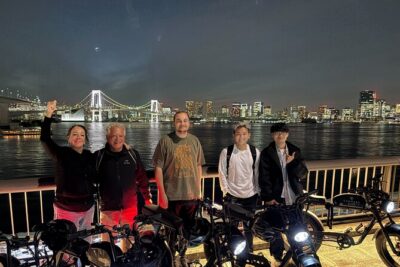
One rider particularly enjoyed cycling through Shibuya in the evening, when the signs and lights were at their most dramatic. Check the available start time if that atmosphere matters to you. The tour runs for three hours, and starting later may put you in Shibuya after dark, but exact times depend on availability.
What the cycling feels like in practice
You should be comfortable riding in traffic. Tokyo can feel orderly and manageable, and several riders felt safe with guides such as Naoki, Keiji, Rikuu, and Kosei leading the way. Still, this is not a fully separated cycle path experience.
You may move between sidewalks and roads. Aaron specifically advised against booking if you are not comfortable riding near traffic, while another rider with a 14-year-old son found the road sections more stressful than expected. That is useful advice. A cycling holiday in Tokyo is not the same as a quiet ride through a park.
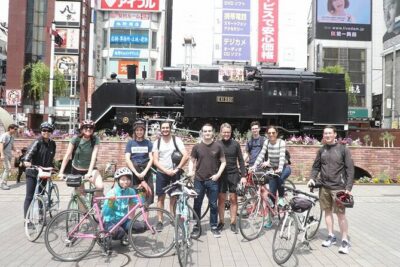
The guides appear to keep groups small or divide larger groups into smaller units. That helps with maneuvering and makes it easier to ask questions. Groups of five, six, and eight have been handled successfully, and larger bookings may be split for safety and control.
The ride is described as relaxed, but you should still wear comfortable clothes and shoes. Bring water. Tokyo heat can make three hours feel longer, especially in summer. Rain does not automatically end the experience, but you will need suitable clothing. One practical tip is to buy a poncho at FamilyMart or 7-Eleven if rain is forecast.
A quick 7-Eleven stop may be included, depending on the group and route. It can be useful for a drink or snack, and guides may point out local convenience-store products. Do not count on a full meal break.
Guides, language, and the human side
The tour is offered in English and Japanese, with English-speaking guides. The strongest part of the experience appears to be the people leading it. Naoki is repeatedly praised for being friendly, funny, attentive, and good at explaining local customs. KJ is described as warm and engaging, while Rinto, Atsu, Kosei, Keiji, Rikuu, Miguel, Kay, and Tyler have all led groups with a mix of safety advice and city stories.
The style is more sightseeing ride than lecture. Jason’s useful distinction is that you should expect a tour with stops and explanations, not constant talking while you pedal. That suits Tokyo. You get information where it helps, then time to ride, look, and ask questions.
Guides also tend to make room for conversation. Quinn enjoyed exchanging stories about home with Naoki, and solo rider Abu found the guide helpful for seeing parts of Tokyo that would have been difficult to reach alone. If you like personal interaction rather than a recorded audio tour, this is a good fit.
Price and overall value at $45
At $45 per person, the tour offers solid value if you want orientation and transport between many sights in one morning or afternoon. You are paying for three hours of bicycle use, a guide, insurance, local explanations, and a route that removes much of the planning work.
The value is strongest for a first visit. You can identify areas you want to revisit, learn how central districts connect, and gather practical suggestions from the guide. It is also useful for a short Tokyo stay, when spending a full day on separate sightseeing trips may not be possible.
The price is less attractive if you already know central Tokyo well or want long visits inside individual attractions. Most stops are brief. You will see many places from the outside, with selected guided visits and photo pauses rather than extended entries.
Remember the extra helmet fee of ¥1,000 per unit. A child seat costs ¥3,000 per unit, though the tour is not suitable for children under 12. The option to reserve now and pay later, plus free cancellation up to 24 hours before the start, gives you some flexibility when planning around weather.
Who should book this ride
Book it if you want a fast, physical introduction to Tokyo and enjoy seeing a city from street level. It is a particularly good match for couples, families with older children, small groups of friends, and solo visitors who want a guide and an easy social setting.
Choose an e-bike if you do not cycle often, have limited stamina, expect hot weather, or simply want to focus on the sights rather than the effort. The motor will not remove the need for balance or road awareness, but it should make the distance more manageable.
Think twice if you cannot ride confidently, dislike traffic, have back problems, are pregnant, or want a slow temple and museum tour. The route is broad and energetic. You will trade depth at each stop for a much wider view of the city.
Should you book the Tokyo bike tour?
I would book this for the first or second day of a Tokyo visit, especially if you have only a few days in the city. The combination of Zojo-ji, the palace district, Tokyo Station, Akasaka, Aoyama, and Shibuya gives you a useful mental map in one outing.
Choose the regular cross bike if you cycle regularly and enjoy moderate exercise. Choose the e-bike if you are uncertain. Bring water, comfortable shoes, and cash for a helmet. Most important, be honest about riding beside traffic. If that sounds acceptable, this is an efficient, friendly way to get your bearings without spending the day underground.
FAQ
Where does the Tokyo bike tour start?
Meet the guide near the Statue of Commodore Perry. The meeting point is about a three-minute walk from Daimon Station’s A6 exit.
How long is the tour?
The tour lasts three hours. The route covers about 15 to 20 kilometers, depending on the group and route.
Are e-bikes available?
Yes. You can select an e-bike option when booking. E-bikes are recommended if you do not cycle often or are concerned about stamina and longer distances.
Is a helmet included?
No. Helmets are available on site for ¥1,000 per unit, payable in cash.
Who should not take this tour?
The tour is not suitable for children under 12, pregnant women, people with back problems, or people who cannot ride a bicycle. You should also be comfortable riding on roads and near traffic.
Can I cancel the booking?
You can cancel up to 24 hours in advance for a full refund. The activity also offers a reserve-now, pay-later option.
More three-hour rides in Japan
- 3-Hour Tokyo Private E-Bike Tour Starting from Your Hotel
★ 5.0 · 117 reviews - 3-Hour Porto Highlights on a Electric Bike Guided Tour
★ 5.0 · 4,392 reviews - 3-hour Complete Prague Bike Tour
★ 5.0 · 3,674 reviews - Porto: City Highlights 3-Hour Guided Electric Bike Tour
★ 4.8 · 3,092 reviews
New rides added around Japan
- Osaka E-Bike Tour With A Local Guide★ 4.7 · 75 reviews
- Osaka: City Highlights Bike Tour★ 4.7 · 20 reviews
- Okinawa: Afternoon Cycling Tour with Local Guide★ 4.8 · 39 reviews
- Nara: City Highlights Shared Group or Private Bike Tour★ 4.9 · 34 reviews
- Nara: Bike Tour in Ancient Capital UNESCO World Heritage★ 5.0 · 43 reviews
- Naha: Guided E-Bike Tour of the 12 Zodiac Temples★ 4.9 · 50 reviews
- Kyoto: Tailored E-Bike Tour to Highlights & Hidden Gems★ 4.9 · 32 reviews
- Best of Kyoto: Ginkakuji & Path of Philosophy E-Bike Tour★ 4.9 · 79 reviews
Tokyo Bike Tours, compared.

3h Tokyo E-Bike Tour: Hidden Gems, and Local Life with guide
Read our review →
3-Hour Tokyo Private E-Bike Tour Starting from Your Hotel
Read our review →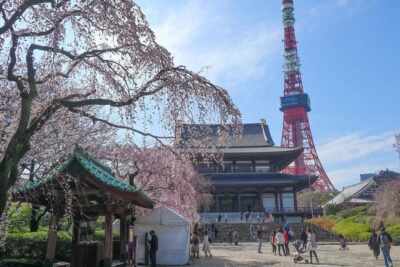
5-Hour Tokyo & Edo Hidden Gem Bike Tour with Lunch
Read our review →Browse the lists this tour appears in