
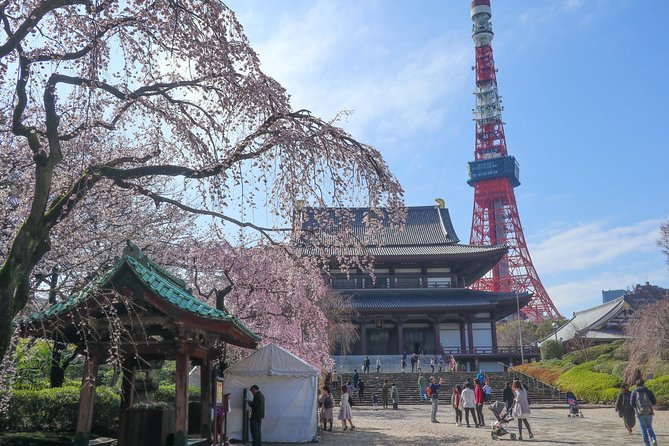
Review · TOKYO
5-Hour Tokyo & Edo Hidden Gem Bike Tour with Lunch
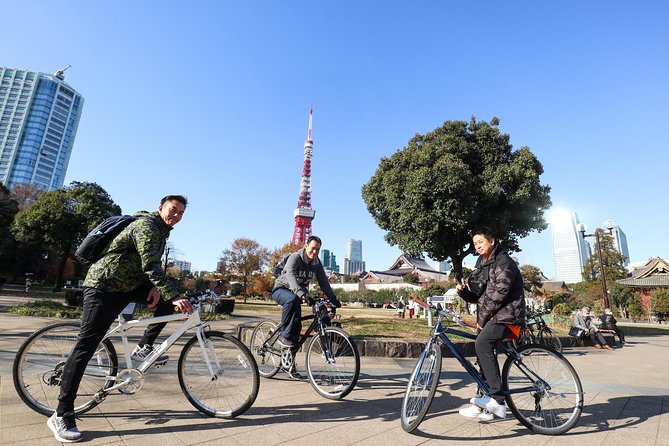
Tokyo reveals itself best at street level, and this small-group bike tour gives you a useful mix of famous sights and quieter city roads. You pedal from Asakusabashi to Asakusa, Ryogoku, Fukagawa, and Ningyocho, with time for temples, sumo culture, Edo-era life, and Japanese sweets.
I like the easy pace and the limited group size, capped at six people. I also like that lunch, museum entry, bikes, and bottled water are included. The main drawback is that this is a real city ride, not a protected cycle path outing, so you need to feel comfortable riding on Tokyo streets. Hot, humid weather can also make five hours feel longer.
Key points to know before you book
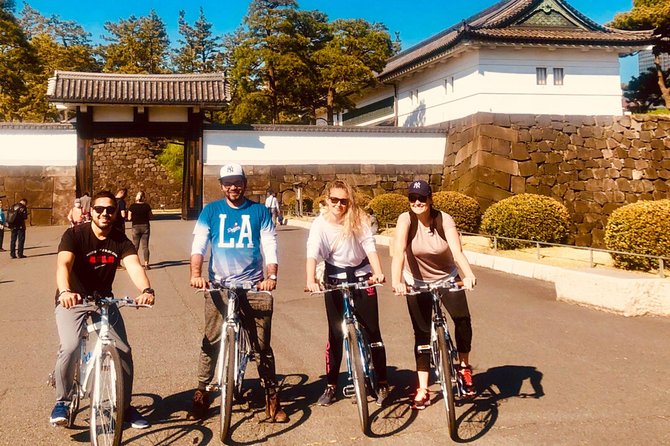
- A six-person maximum keeps the ride personal: Guides can adjust the route and pace more easily than on a large coach tour.
- The route links several sides of old Tokyo: You move from Bandai characters and Senso-ji to sumo country, Buddhist ritual, and an Edo-period street scene.
- Lunch is part of the day: The tour includes a Japanese meal, though the exact lunch location needs confirming because the description refers to both Ryogoku and Tsukiji.
- The ride is active but not presented as a race: The pace is designed for different experience levels, with stops built in.
- Shoto and Shogun are named guides: Food needs and sightseeing preferences may be discussed with the guide before or during the ride.
- The tour depends on good weather: You can cancel for a full refund up to 24 hours before departure, but late changes are not accepted.
Why a bicycle works so well in eastern Tokyo
At $85.79 per person, this is not the cheapest way to see Tokyo. It is a fair price if you value a guide, bicycle rental, lunch, bottled water, museum entry, and a route that joins several districts in one morning and afternoon. You are paying less for a checklist of grand landmarks and more for a moving introduction to how the eastern side of the city fits together.
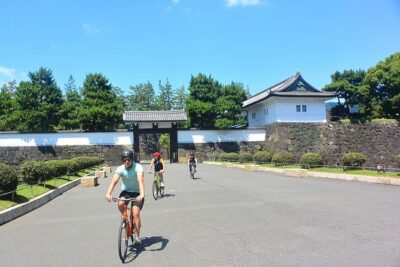
A bus can carry you between major sights, but it usually hides the short stretches in between. On a bicycle, you notice the change from a busy temple approach to a residential lane, or from the Sumida River views to the broad streets around the Imperial Palace area. The tour description promises an easy pace, but remember that the ride still takes place on city streets. The name Off-Street Cycling Tour Tokyo should not be read as a promise of entirely off-road riding.
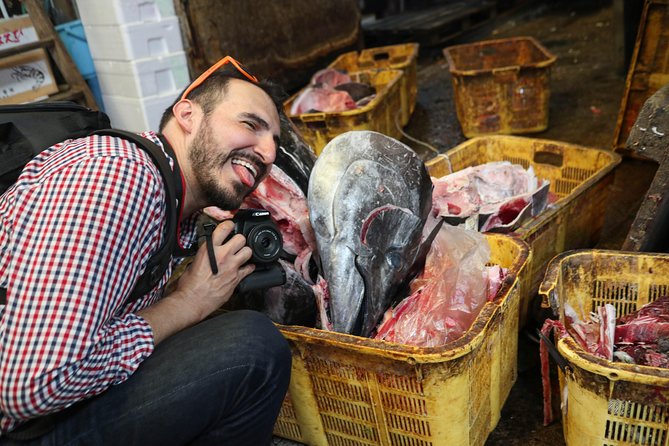
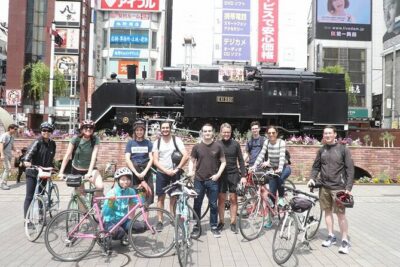
The maximum group size of six is a real advantage. Your guide can stop for questions, keep an eye on the pace, and make small changes when food needs or interests come up. One guide, Shoto, adjusted a family’s route because they did not eat sushi, and another account describes the route being changed to allow more time at the fish market and less time at shrines. That flexibility is useful, though it depends on the day’s timing and the guide’s judgment.
The starting point is Asakusabashi Station at 10:00 a.m. The tour returns there after roughly four and a half to five hours. Wear comfortable cycling clothes, and plan for the possibility of heat and humidity. The tour requires a minimum age of 15, so it is aimed at older teens and adults rather than families with young children.
More Bike Tours with Lunch in Japan
- Bike Tour Exploring North Kyoto plus Lunch
★ 5.0 · 1,087 reviews - 5-Hour Osaka Highlights Bike Tour with Lunch
★ 4.8 · 146 reviews - 4.5-Hour Kyoto Bike Tour with Lunch and UNESCO Zen Temples
★ 5.0 · 122 reviews
Bandai characters and the first look at local Tokyo
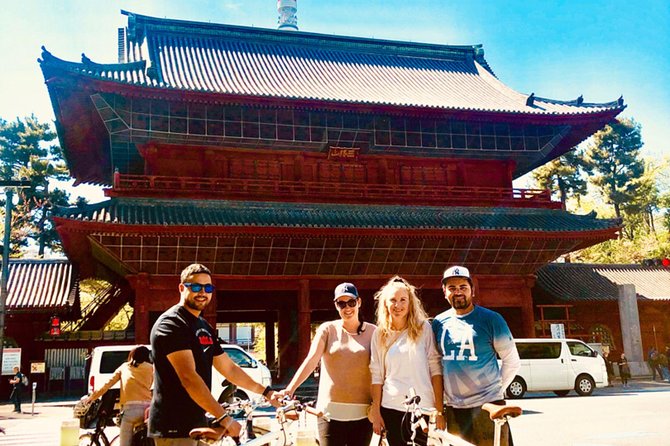
The first stop is the Bandai headquarters building, where anime and toy characters such as Dragon Ball, Doraemon, and Anpanman appear as statues. You get about 15 minutes for photographs, and there is no admission charge.
This is a clever opening stop. It gives you an immediate sense of modern Japanese popular culture before the tour shifts toward temples and older neighborhoods. If you know these characters, the stop has extra appeal. If you do not, it is still a quick photo break and an easy way to settle into the bike.
Do not expect a long company visit or an indoor museum. This is a brief outdoor stop. Its value is the contrast: Tokyo’s past is not being presented in isolation from the pop culture that shapes the city today.
Kaminarimon and Senso-ji from a quieter approach
The ride continues to Kaminarimon, the famous gate of Senso-ji. The guide spends about 10 minutes explaining the gate before leading you into the temple area from the north side.
Senso-ji is described as Tokyo’s oldest temple, and it is one of the city’s essential places for understanding religious tradition and everyday sightseeing. The approach is lined with shops, so you get the familiar visual mix of temple architecture, souvenirs, snacks, and people heading toward the main grounds.
Entering from the north side helps the visit feel less like a simple arrival at the front gate. You have time to look around without being rushed, and the 30-minute stop is long enough for a basic introduction and photographs. It is not enough for a detailed study of every hall, so if Senso-ji is a major personal priority, return on your own later.
The guide also explains the connection with Tokugawa Ieyasu, who prayed here for good fortune. That detail gives the site a link to the political history of Edo, the old name for Tokyo. I like this part of the route because the temple is not treated as a quick photo backdrop. You get context, then continue by bike instead of spending the entire day in one crowded temple district.
The Sumida River, Skytree, and a taste of sumo country
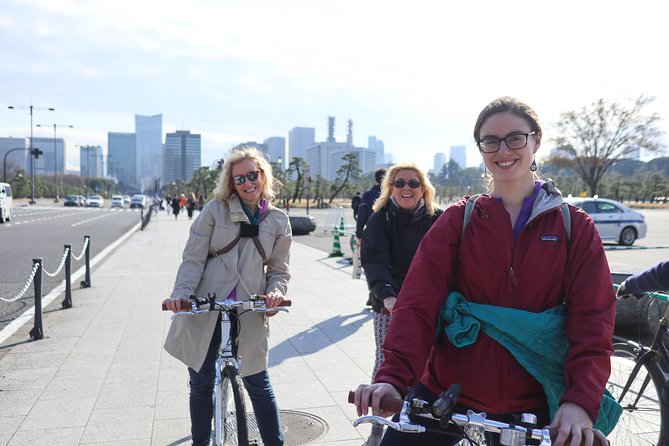
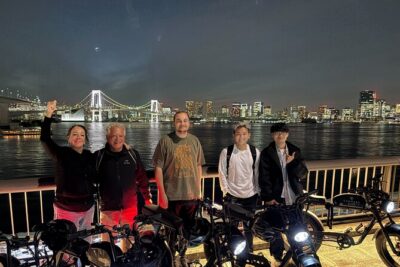
After Asakusa, the route heads toward Ryogoku, known as Tokyo’s sumo district. The ride includes a bridge crossing with views of the Sumida River and Tokyo Skytree, which rises 634 meters and is described as the world’s tallest radio tower.
This is one of the strongest stretches of the tour. You are not only looking at Skytree from a viewing deck or a distant street. You are seeing it in relation to the river, bridges, and surrounding neighborhoods. The bicycle makes this part feel connected rather than separated into individual attractions.
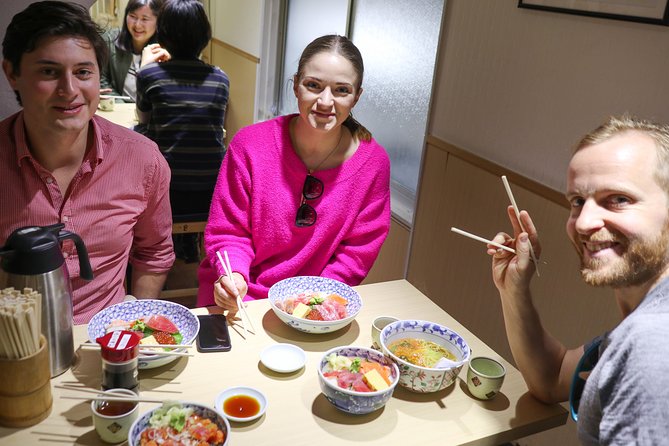
In Ryogoku, you take a short walk and learn about the area’s sumo background before lunch. The food description refers to a local restaurant, and one account specifically praised the hot pot for sumo wrestlers. That is a more memorable meal than a standard stop at a chain restaurant, especially if you want a food experience tied to the neighborhood.
There is one practical point to clarify before booking. The general tour description says lunch is at the famed Tsukiji Fish Market, while the detailed route places lunch in Ryogoku and mentions a local restaurant. Other tour details also refer to extra time at the fish market. Ask the operator exactly where lunch will be served on your date, particularly if the market is the main reason you are considering the tour.
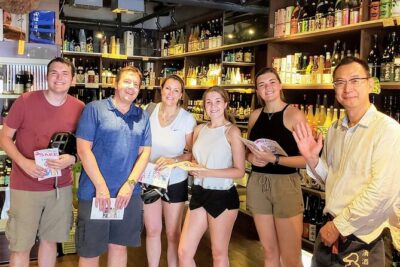
Lunch is included, but additional food and drinks are not. If you have foods you cannot eat, tell the operator in advance. The route has already been adjusted for guests who do not eat sushi, but you should not leave dietary needs until the morning of the ride.
Same wheels, a different route:
- Hidden Kyoto E-Biking tour
★ 5.0 · 1,843 reviews - Tokyo Guided Small-Group Biking Tour
★ 5.0 · 1,250 reviews - Tokyo Great Cycling Tour
★ 5.0 · 811 reviews - Tokyo Top Highlights 3h Guided E-bike Tour
★ 5.0 · 714 reviews
Fukagawa Fudo-son and the sound of Buddhist practice
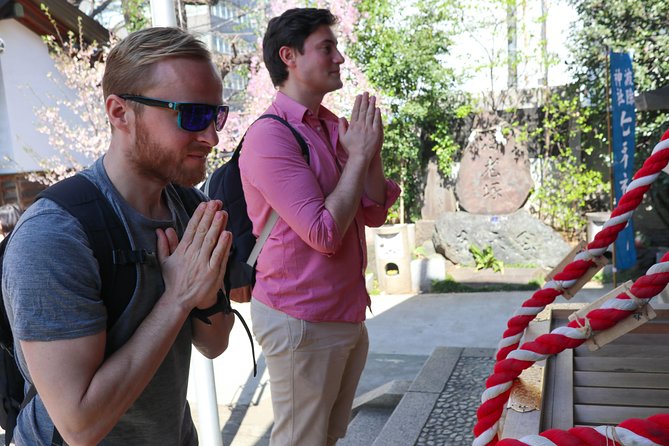
The ride then moves into the Fukagawa area and stops at Fukagawa Fudo-son Temple for about 35 minutes. Here you can observe Goma-taki, a Buddhist fire ritual in which wooden prayer sticks are burned as part of worship.
This stop adds something that many sightseeing routes miss. You are not simply admiring a temple building. You are seeing how religious practice can take place in a working city setting, with people coming to worship as part of ordinary life.
The description says you will observe how Japanese people worship in daily life. That makes this a place to watch quietly and let the guide explain what you are seeing. The stop is not framed as a performance arranged only for the tour, so keep your behavior respectful and follow the guide’s instructions about photographs.
If your main goal is to cover as many famous landmarks as possible, 35 minutes here may feel like a long pause. I think it earns its place because it changes the rhythm of the day. After the river, Skytree, and sumo district, the temple gives you a calmer look at local religious customs.
The Edo Museum and Tokyo before modern Tokyo
The Fukagawa Edo Museum is the most useful history stop on the route. You get about 35 minutes to see how people lived during the Edo period, roughly 150 years ago, through a recreated street setting.
This is where the tour’s different parts begin to make sense. You have already seen the modern city, a major Buddhist temple, a river crossing, and a district tied to sumo. The museum gives you a picture of the older urban world that shaped many of those traditions.
The included museum admission improves the value of the tour. You do not need to budget another entry fee, and the guide can connect what you see there with the neighborhoods outside. The visit is still fairly short, so you should think of it as a strong introduction rather than a full museum afternoon.
If you enjoy social history, this may be one of the best stops. It focuses on streets and daily life, not just famous leaders or grand buildings. If you prefer open-air riding to indoor exhibits, the timing keeps the museum from taking over the day.
Ningyocho and a final bite of taiyaki
The last listed stop is Ningyocho Street, where you can try a Japanese confection called ningyo-yaki. It is a small sponge cake filled with red bean paste and other ingredients. The stop lasts about 15 minutes.
The description also refers to taiyaki in the stop title, so the exact sweet served may depend on the shop or day. Both are classic Japanese snacks, and this final food stop gives you a simple, local finish rather than another large attraction.
Do not expect a full dessert tour. Fifteen minutes is enough for a taste and a short look at the street, not a long shopping session. The stop works because it leaves you with a small, easy-to-remember detail from Tokyo’s food culture.
How the route feels as a half-day outing
The tour covers a lot of ground without trying to turn every stop into a major lecture. The rhythm is usually ride, pause, explanation, and ride again. That makes it a good choice for a first or second day in Tokyo, when you want to learn the shape of several eastern districts.
You should also understand the physical side. The pace is described as comfortable and suitable for all experience levels, but you still need to ride on city streets. You may find the heat more tiring than the distance, particularly in humid weather. One account describes a hot, humid day that did not stop the group from enjoying the tour, but that does not mean the conditions will feel easy for everyone.
The bikes, bottled water, lunch, local guide, and museum entry are included. Entrance is free at the Bandai stop, Kaminarimon, Senso-ji, the Sumida area, Fukagawa Fudo-son, and Ningyocho. Additional food and drinks cost extra.
The tour returns to the starting point at Asakusabashi Station. That is convenient if you are planning another activity afterward, but allow some spare time rather than booking a tight connection. The listed duration is approximate, from four hours and 30 minutes to five hours.
Who should book this Tokyo bike tour?
I would choose this tour if you want a broad, guided introduction to eastern Tokyo and prefer moving through neighborhoods to sitting in a vehicle. It suits active visitors who like temples, food, local customs, history, and urban views in one outing.
It is especially useful if you want a guide to handle the route while you focus on the city. Shoto and Shogun are named as guides associated with the experience, and the available details suggest that food preferences and sightseeing priorities can sometimes be accommodated.
I would think twice if you dislike cycling in traffic, need a completely fixed lunch location, or want a slow and detailed visit at each temple and museum. The tour gives you variety, not long stays. Also, the 15-year minimum age rules out younger children.
Free cancellation is available up to 24 hours before the 10:00 a.m. start for a full refund. Changes or cancellations made inside that window are not accepted, and poor weather can lead to a different date or a full refund. Travel insurance is recommended.
The final call
Book this tour if you want to see Tokyo as a connected city rather than a list of isolated attractions. The best parts are the small group, the easy cycling pace, the Skytree and Sumida River views, the Edo Museum, and the chance to try a meal linked to the sumo district.
Before paying, confirm the lunch location and tell the operator about any foods you cannot eat. If the route fits your interests and you are comfortable riding on city streets, $85.79 is reasonable for a five-hour outing with a bike, guide, meal, water, and museum entry included.
FAQ
How long does the Tokyo bike tour last?
The tour lasts approximately four hours and 30 minutes to five hours.
What time does the tour start?
It starts at 10:00 a.m.
Where does the tour begin?
The meeting point is Asakusabashi Station, at 1 Chome-18 Asakusabashi, Taito City, Tokyo 111-0053, Japan.
Where does the tour finish?
The activity ends back at the meeting point.
What is included in the tour price?
The price includes a rental bicycle, bottled water, lunch, a local guide for about five hours, bicycle use, and entrance to the museum.
Is lunch included?
Yes, lunch is included. The detailed route places lunch at a local restaurant in Ryogoku, while the general description refers to Tsukiji Fish Market, so confirm the exact venue before booking.
What is the minimum age?
The minimum age is 15 years.
How many people can join the tour?
The maximum group size is six travelers.
What happens if the weather is bad?
The experience requires good weather. If the operator cancels because of poor weather, you can choose another date or receive a full refund.
New rides added around Japan
- Osaka E-Bike Tour With A Local Guide★ 4.7 · 75 reviews
- Osaka: City Highlights Bike Tour★ 4.7 · 20 reviews
- Okinawa: Afternoon Cycling Tour with Local Guide★ 4.8 · 39 reviews
- Nara: City Highlights Shared Group or Private Bike Tour★ 4.9 · 34 reviews
- Nara: Bike Tour in Ancient Capital UNESCO World Heritage★ 5.0 · 43 reviews
- Naha: Guided E-Bike Tour of the 12 Zodiac Temples★ 4.9 · 50 reviews
- Kyoto: Tailored E-Bike Tour to Highlights & Hidden Gems★ 4.9 · 32 reviews
- Best of Kyoto: Ginkakuji & Path of Philosophy E-Bike Tour★ 4.9 · 79 reviews
Tokyo Bike Tours, compared.
3h Tokyo E-Bike Tour: Hidden Gems, and Local Life with guide
Read our review →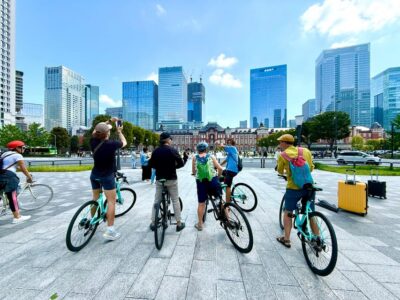
3-Hour Tokyo Private E-Bike Tour Starting from Your Hotel
Read our review →Browse the lists this tour appears in