
Review · KYOTO
Kyoto: Tailored E-Bike Tour to Highlights & Hidden Gems
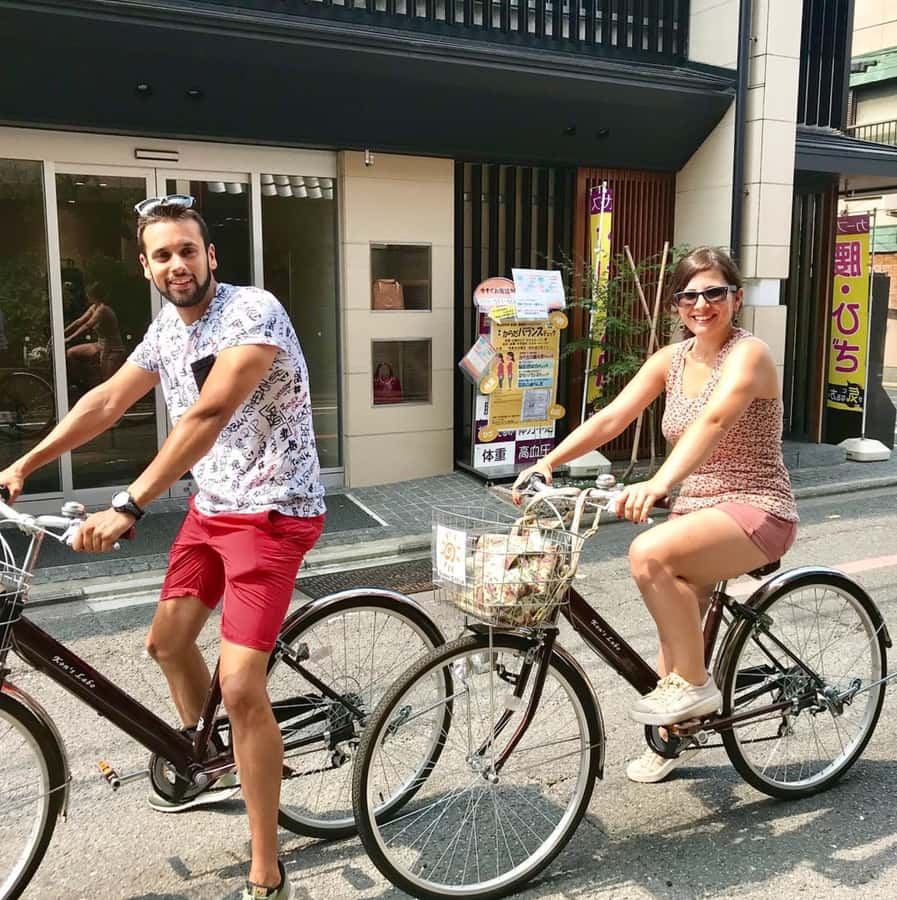
Kyoto is much easier to understand from a bicycle seat. You can move between famous sights, quiet temple grounds, old lanes, local shops, and food stops without spending the day waiting for buses. I especially like the electric-assist bikes, which make a three-hour ride manageable, and the personal planning, with guides such as Yonnie sending a proposed schedule ahead of time so you can request changes.
I also like the human scale of this tour. Guides including Kiyoto, Takuma, Rika, Manna, and Paulina have been praised for history, food advice, photos, and thoughtful adjustments for each group. The main drawback is simple: you need to ride a bicycle, and the tour runs in rain unless severe weather leads to a change of plans.
Key points at a glance
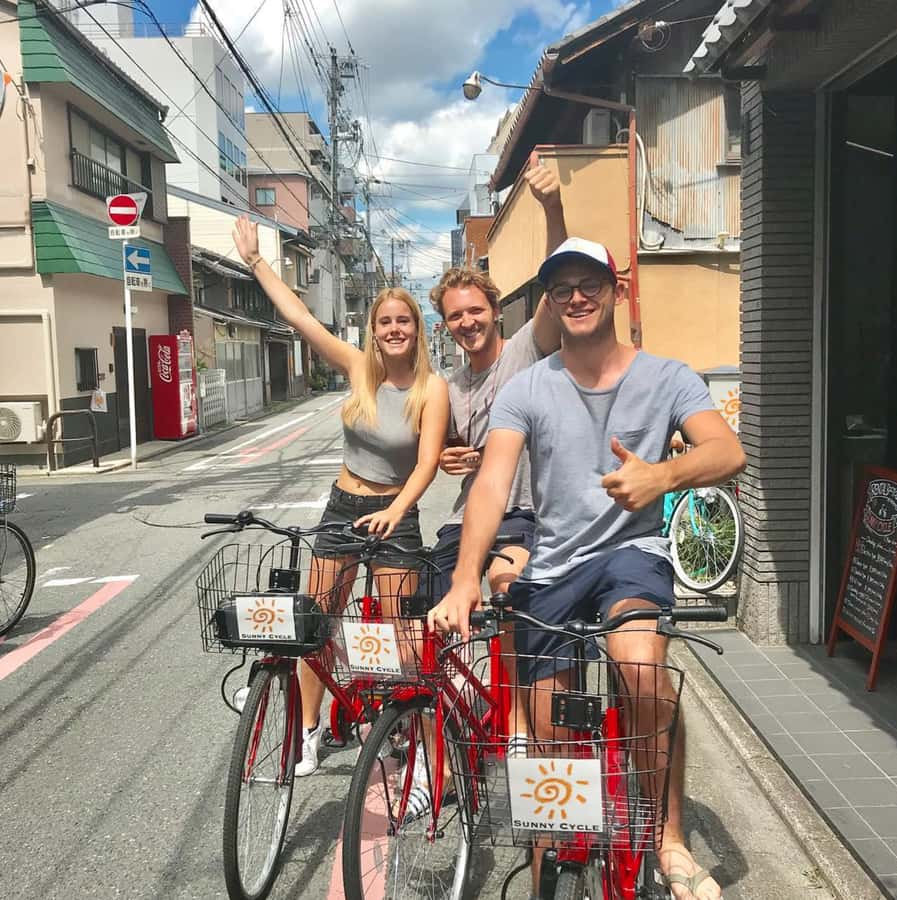
- Electric assistance for a longer Kyoto day: The bikes help you cover more ground with less strain.
- A route shaped around your interests: You can ask for temples, food, markets, backstreets, pottery, or local life.
- Quiet corners near famous sights: The ride can balance major areas such as Gion with peaceful streets and less-visited temples.
- Strong guide presence: Guides including Kiyoto, Takuma, Rika, Manna, Paulina, and Yonnie are noted for clear explanations and friendly service.
- Good food discoveries: Wagashi, street sweets, ramen, markets, and vegetarian or vegan options can be worked into the day.
- Flexible weather policy: The ride goes ahead in ordinary rain, though a walking tour may be possible after consultation.
Why a bicycle works so well in Kyoto
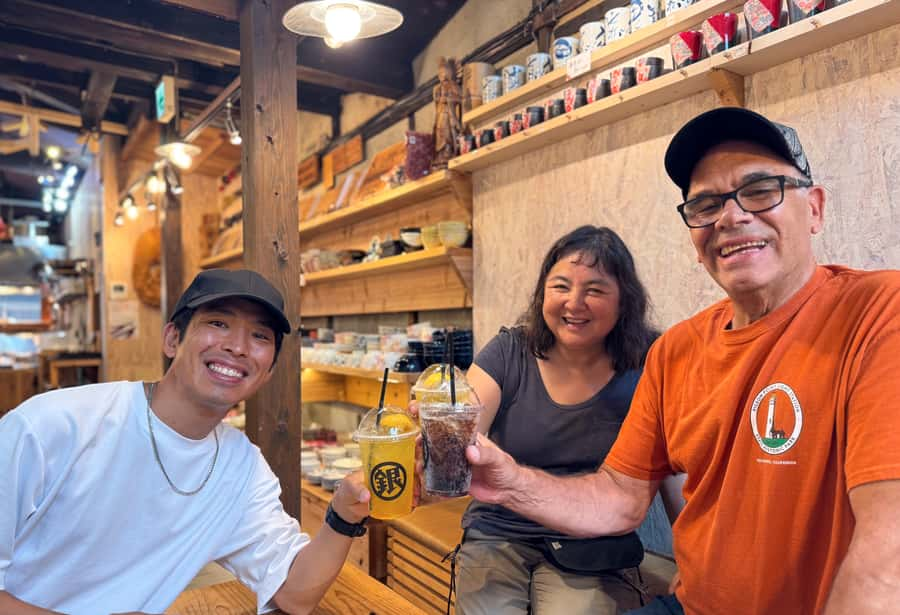
Kyoto’s sights are spread across a broad area. Walking works beautifully in one neighborhood, but it becomes tiring when you try to connect Gion, temple districts, markets, and quieter residential streets in the same day. Buses can help, but crowded roads and waiting times eat into your sightseeing.
An e-bike gives you a useful middle ground. You still move slowly enough to notice wooden houses, small gardens, shop signs, and neighborhood life, but you can cover far more ground than you could on foot. The electric motor matters most when you are tired or riding for several hours. You still pedal, but the bike takes some of the work out of the day.
This is not a race or a hard cycling excursion. The appeal is access. You can stop, listen, take photographs, and ask questions without treating Kyoto like a checklist.
The bikes are supplied with the tour, and helmets are available in limited numbers. Japanese law does not require a helmet for this activity, but I would ask about availability when booking if wearing one matters to you. Comfortable shoes and clothes are sensible, along with weather-appropriate layers.
More City Bike Tours in Japan
- 5 Top Highlights of Kyoto Full Day Bike Tour (E-bike option)
★ 5.0 · 511 reviews - Kyoto: Full-Day City Highlights Bike Tour with Light Lunch
★ 5.0 · 52 reviews - 4.5-hr Kyoto Historical Highlights Bike Tour with UNESCO
★ 4.7 · 13 reviews
A tailored route instead of a fixed checklist
The most useful feature here is the tailored approach. You are not simply assigned a standard route and hurried from one famous stop to another. The guide can shape the day around what you want to understand about Kyoto.
That might mean focusing on temple design and customs, looking for traditional sweets, passing through Gion, visiting markets, or finding small local businesses. You can ask about Japanese food, religious practice, architecture, language, daily life, and the changes taking place in the city.
Yonnie’s approach, as described in the supplied information, includes sending a schedule the day before and allowing adjustments. That is a fine idea for Kyoto, where weather, energy levels, opening hours, and personal interests can change your priorities. If you want a slower day with longer stops, say so. If you want to see more districts, say that too.
The exact route is not fixed in the details provided, so you should not book this expecting one guaranteed list of temples. That is part of the appeal, but it also means you should communicate clearly before the ride. Ask for the sights and food stops that matter most to you.
Quiet temples and old Kyoto streets
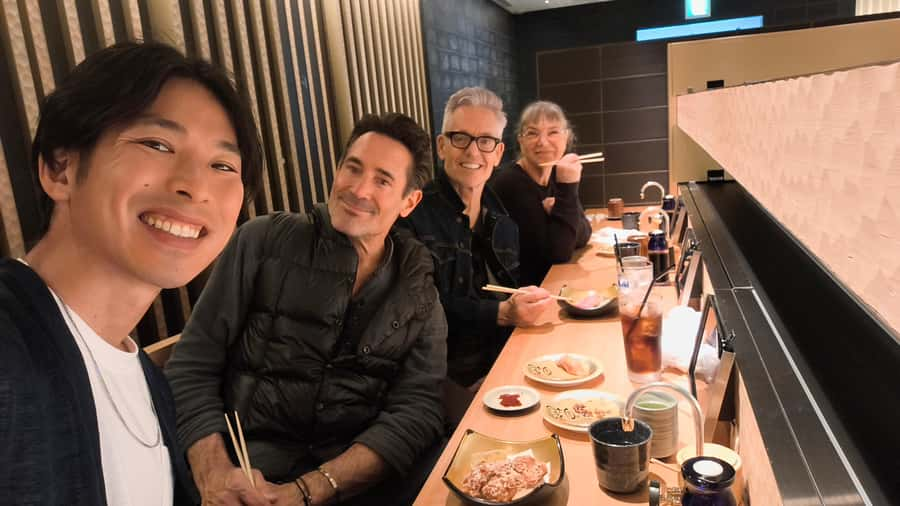
The tour is designed to pair familiar areas with calmer places nearby. You may ride through small streets toward peaceful temples, then return to a busier district for food or a major cultural sight. This contrast helps you understand Kyoto as a living city, not just a series of postcard stops.
Several guides are praised for taking groups through quiet streets and less crowded temple grounds. Paulina, who has lived in Kyoto for four years, is noted for sharing personal insight into the city. That kind of local perspective can make a difference. A guide can explain what you are seeing, but can also point out how a street functions today, where local people shop, or why a particular custom matters.
You will likely spend time off the bikes at several stops. The ride is not simply continuous cycling. At temples, viewpoints, markets, and shops, you can get off, look around, ask questions, and take photographs. The balance is important because Kyoto rewards attention. A quick pass through a temple gate is less useful than a few minutes spent noticing the layout, the quiet, and the way the space is used.
You should still expect a city ride rather than a countryside outing. Kyoto has traffic, intersections, pedestrians, and narrow streets. Listen carefully to your guide and keep your attention on the road between stops.
Gion, markets, and local food stops
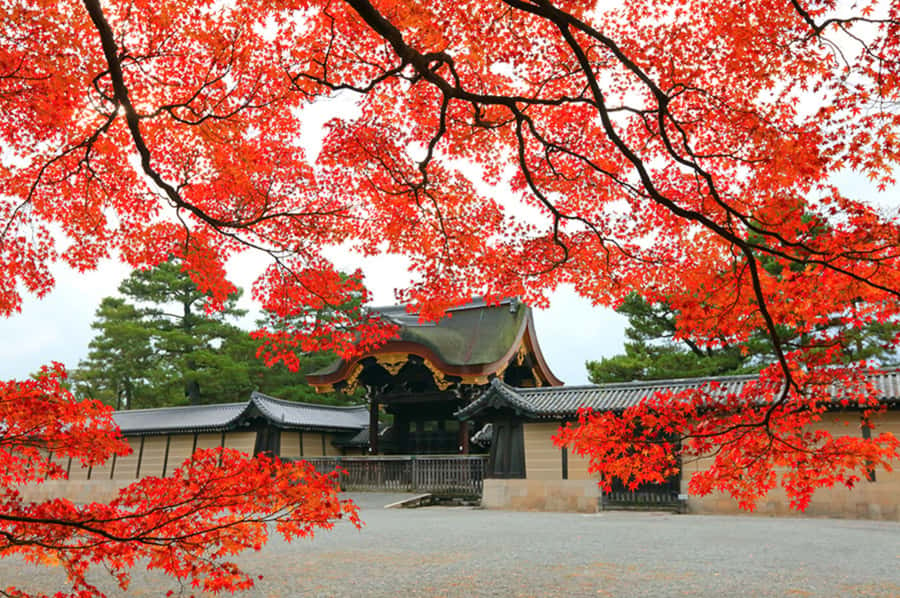
Gion is one of the likely highlights for visitors who want a sense of old Kyoto. Riding through the district lets you see more than a single street, although you should be respectful around private homes, businesses, and anyone going about their work. Your guide can provide context for the traditional appearance of the neighborhood and show how it connects with the wider city.
Food is another strong reason to choose this experience. The guide can point you toward wagashi shops, street sweets, markets, ramen, and family-run izakayas. Food and drinks are not included, so bring cash and budget for purchases. That extra cost is worthwhile if your goal is to taste the city rather than simply look at it.
One guide helped select a ramen shop, while Rika found a restaurant suitable for vegans. Those details suggest that it is worth sharing dietary needs before you start. Do not assume every stop will suit you, but do tell the guide what you can and cannot eat. A tailored route is much more useful when the guide knows this in advance.
Wagashi, or traditional Japanese sweets, can be a particularly good stop for first-time visitors. They offer a quick way to learn about seasonal ingredients, presentation, and the role of sweets in Japanese hospitality. You may also encounter local snacks that are easy to miss when you are following a guidebook route.
Because food is purchased separately, the experience can suit different budgets. You can spend very little on a sweet or snack, or arrange a larger meal if that fits the schedule. Ask how much time is planned for eating so you know what kind of meal to expect.
More E-Bike Tours in Japan
- Hidden Kyoto E-Biking tour
★ 5.0 · 1,843 reviews - Kyoto: Memory Kyoto E-Bike Tour
★ 4.8 · 297 reviews - Kyoto: Hidden Gems E-Bike Tour with Local Japanese Guide
★ 4.9 · 189 reviews - Arashiyama Bamboo Forest E-Biking Tour
★ 5.0 · 183 reviews
Guides who shape the experience
The guide is the heart of this tour. The named guides include Kiyoto, Kiyota, Takuma, Rika, Manna, Paulina, and Yonnie, though you should confirm who is available for your date rather than assuming you will receive a particular person.
Kiyoto is praised for covering a large area without making the day feel rushed. He also added market knowledge, selected a ramen stop, took photographs, and created a short video afterward. That last touch is not something you should assume is guaranteed, but it shows how much the guide can contribute beyond basic directions.
Takuma is noted for explaining Kyoto’s history clearly during a three-hour ride. Manna is praised for combining useful information with a warm manner, while Rika is singled out for finding food that suited a vegan diet. Paulina brings the perspective of someone who lived in Kyoto for four years. Yonnie is associated with advance planning and adapting the route to the group.
These details point to a tour where questions are welcome. If you want to know why a shrine gate is shaped a certain way, how a neighborhood developed, or what to order at a shop, ask. You are paying not just for a bicycle, but for a local interpreter who can connect the scenery with the culture.
The language options are English and Japanese. If a particular subject or dietary issue is especially important, mention it when arranging the tour.
What $94 buys you
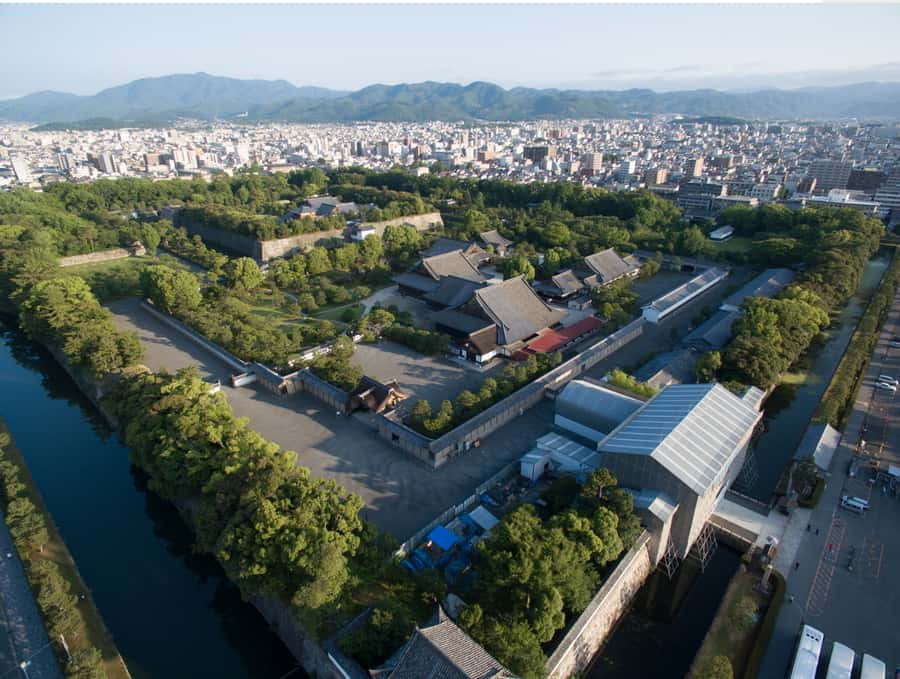
At $94 per person, this is not the cheapest way to see Kyoto. You still pay separately for food, drinks, entrance fees, and meals. The value comes from the combination of bicycle rental, electric assistance, route planning, and a private-feeling guide experience that can cover much more ground than a walking tour.
For a first visit, the price can make sense if you want a strong orientation to the city. You can see several areas, learn how they connect, and gather ideas for returning later on your own. The guide may also save you time by steering you toward suitable food stops and quieter streets.
For a repeat visit, the value depends on your interests. If you have already seen Kyoto’s major temples, tell the guide you want local shops, smaller streets, pottery, food, or neighborhoods away from the standard route. The flexible format is most useful when you give the guide a clear wish list.
The price is less attractive if you want only one temple or a slow, single-neighborhood walk. It is also not a good fit if you dislike cycling, cannot ride confidently, or want a fully passive sightseeing experience. You are expected to operate a bicycle for the duration of the ride.
Weather, comfort, and practical planning
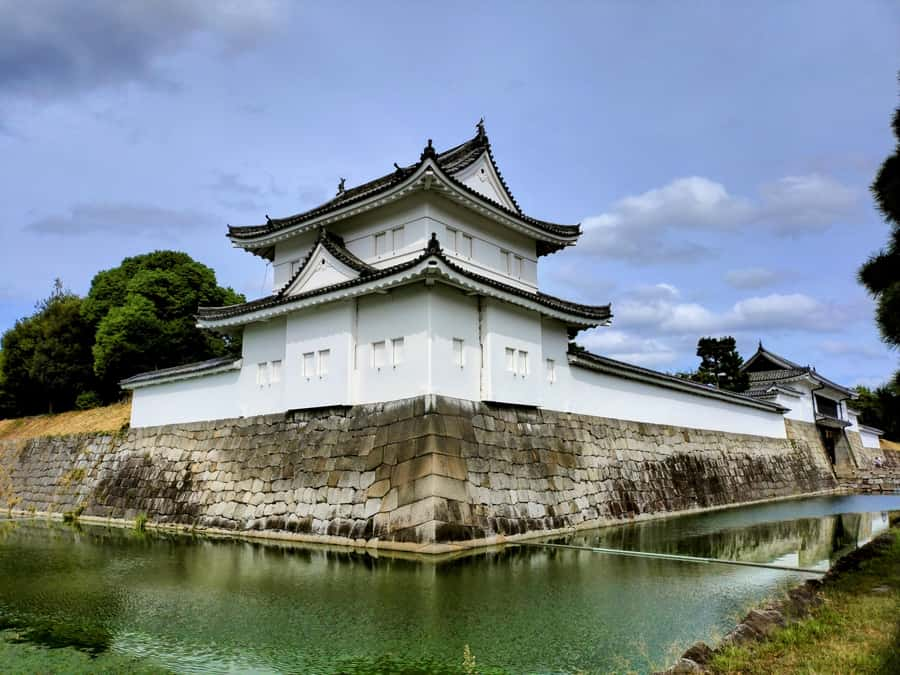
The tour runs rain or shine, so check the forecast and dress sensibly. Bring rain gear rather than relying on the weather to cooperate. In severe conditions, the provider says you will be notified by the day before, and changing the bicycle tour to a walking tour may be possible after consultation.
Wear comfortable shoes and clothing. Bring cash for food and drinks, since those costs are separate. Entrance fees are also not included, so ask the guide which stops require payment if your planned route includes them.
The starting point is Sunny Cycle-Bicycle Rent, and the tour ends back there. That return arrangement is convenient because you do not need to work out a separate bike return location or navigate across town after the ride.
The activity is not suitable for wheelchair users or people with mobility impairments. You must be able to ride a bicycle. If you are unsure about your cycling ability, ask before booking rather than discovering the issue at the meeting point.
You can cancel for a full refund up to 24 hours before the activity. The reserve-now, pay-later option also helps if your Kyoto plans are still changing.
Who should book this Kyoto e-bike tour?
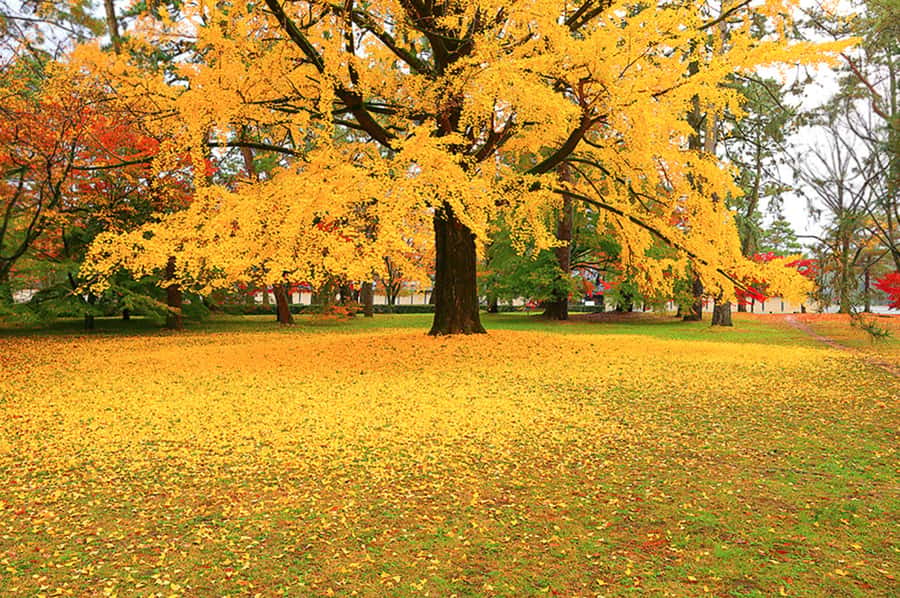
I would recommend it most strongly to first-time visitors who want an overview with personality. You can see famous districts while also learning how to look beyond the main sights. It is especially useful for people who enjoy asking questions and letting a local guide shape the day.
It also suits returning visitors who have already seen the headline temples. Tell the guide you want pottery, small shops, food, quiet streets, or a different look at Gion, and the tailored format can give your Kyoto visit a fresh angle.
Families with older children may appreciate the electric assistance, though every participant must ride a bicycle. Food-focused visitors should share dietary needs in advance. Vegans have been accommodated, but you should still confirm what is possible for your date.
I would skip this tour if you want guaranteed admission to a specific temple, a completely fixed route, or a climate-controlled sightseeing day. It is also a poor choice for anyone uncomfortable cycling in an urban setting or unwilling to prepare for rain.
Should you book it?
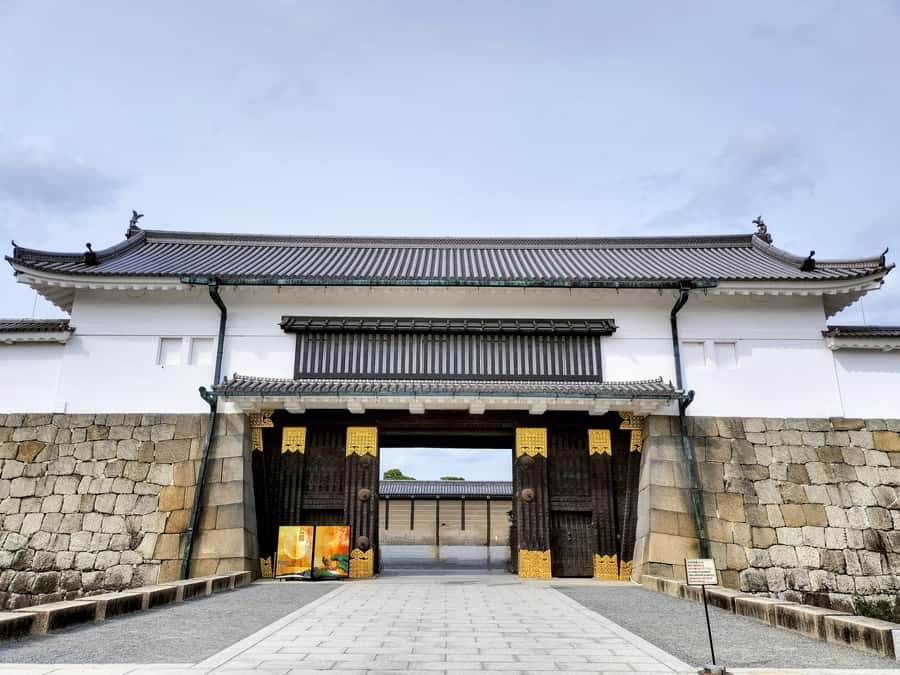
Book this tour if you want to cover a lot of Kyoto without turning the day into a frantic checklist. The strongest reasons are the electric bikes, the chance to adjust the route, and guides who bring local knowledge to temples, streets, markets, sweets, and meals.
Before paying, send your guide a short priority list. Include your preferred pace, dietary needs, must-see areas, and interest in food or quieter temples. If you do that, the $94 price is easier to justify because you are buying a useful, personalized day rather than a basic bike rental.
FAQ
Where does the tour start and finish?
The tour starts at Sunny Cycle-Bicycle Rent and ends back at the same meeting point.
Are electric bikes included?
Yes. E-bike rental is included in the price, along with a guide. Helmets are available in limited numbers, but they are not required by law for this activity.
What languages are available?
The tour is offered in English and Japanese.
Do I need to be able to ride a bicycle?
Yes. Participants must be able to ride a bicycle. The activity is not suitable for wheelchair users or people with mobility impairments.
Are food, drinks, and entrance fees included?
No. Food, drinks, meals, and entrance fees are separate expenses. Bring cash for purchases during the tour.
What happens if it rains?
The tour operates in ordinary rain, so bring suitable clothing and rain gear. In severe weather, the provider will notify you by the day before. After consultation, changing the bicycle tour to a walking tour may be possible.
More City Bike Tours in Kyoto
- Lion City Bike Tour of Singapore
★ 5.0 · 6,211 reviews - 3-Hour Porto Highlights on a Electric Bike Guided Tour
★ 5.0 · 4,392 reviews - Porto: City Highlights 3-Hour Guided Electric Bike Tour
★ 4.8 · 3,092 reviews - Highlights & Hidden Spots of Barcelona Bike Tour w/ Local Guide
★ 4.5 · 3,009 reviews
More E-Bike Tours in Kyoto
- Historical Kyoto E-Bike Tour
★ 5.0 · 181 reviews - Best of Kyoto: Ginkakuji & Path of Philosophy E-Bike Tour
★ 4.9 · 79 reviews - Kyoto: Fushimi Inari Shrine and Tofukuji Temple E-Bike Tour
★ 5.0 · 75 reviews - Kyoto: Hidden Gems E-Bike Tour Through Backstreets & Temples
★ 4.9 · 54 reviews
New rides added around Kyoto
- Best of Kyoto: Ginkakuji & Path of Philosophy E-Bike Tour★ 4.9 · 79 reviews
- Kyoto: Hidden Gems E-Bike Tour with Local Japanese Guide★ 4.9 · 189 reviews
- Kyoto: Memory Kyoto E-Bike Tour★ 4.8 · 297 reviews
- Kyoto: Hidden Gems E-Bike Tour Through Backstreets & Temples★ 4.9 · 54 reviews
- Kyoto: Half-day Guided Bike Tour with Fushimi Inari★ 4.9 · 21 reviews
- Kyoto: Full-Day City Highlights Bike Tour with Light Lunch★ 5.0 · 52 reviews
- Kyoto: Full Day Bike Tour★ 4.9 · 39 reviews
- Kyoto: Early Bird E-Bike Tour with Lunch★ 5.0 · 14 reviews
Kyoto Bike Tours, compared.
Arashiyama Bamboo Forest & Hidden Gems Bike Tour (Early Bird)
Read our review →
5 Top Highlights of Kyoto Full Day Bike Tour (E-bike option)
Read our review →
Full Day Biking Tour Exploring the Best of Kyoto
Read our review →

Afternoon Kyoto Bike Tour: Bamboo Forest, Monkeys & Hidden Spots
Read our review →
Hidden Gems E-Bike Tour with Local Japanese Guide
Read our review →Browse the lists this tour appears in