
Review · KYOTO
Kyoto: Full Day Bike Tour
Kyoto is much easier to understand from a bicycle than from a packed bus. This full-day ride links major sights such as Toji, Kinkaku-ji, and Fushimi Inari with quiet lanes, the Kamo River, and the backstreets of Gion. You get a broad look at the city without spending the day changing trains.
I like the small group of no more than nine and the route’s mix of famous temples and ordinary neighborhoods. I also like that lunch and the Golden Pavilion entrance are included, so the $116 price covers more than bike hire. Guides including Jay, Karl, Juan, and Shawn have earned praise for clear explanations, humor, and patience.
The main consideration is stamina. This is a true full-day outing, not a gentle two-hour pedal. One rider reported covering a little over 18 miles, and you will also walk through temple and shrine grounds. You should be comfortable riding for several hours, even though Kyoto is generally flat.
Key points before you book
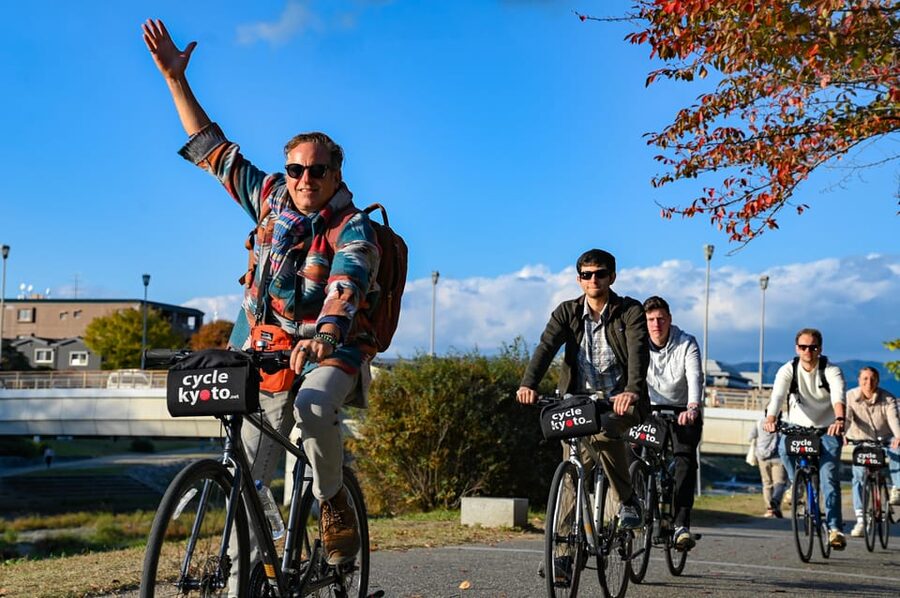
- See Kyoto by bicycle: The route uses neighborhood streets, back lanes, riverside paths, and lower-traffic roads to connect widely scattered sights.
- Cover major landmarks in one day: Toji, Nishi Honganji, Kitano Tenmangu, Kinkaku-ji, the Imperial Palace, Gion, Tofukuji, and Fushimi Inari are all included.
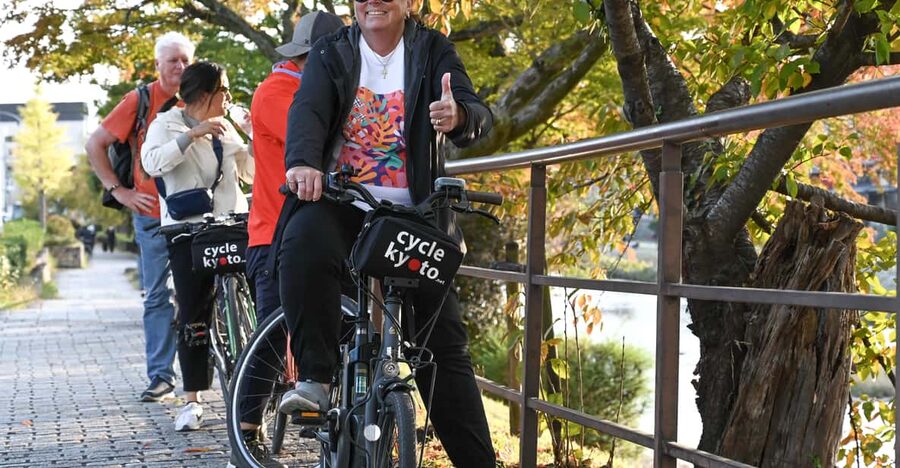
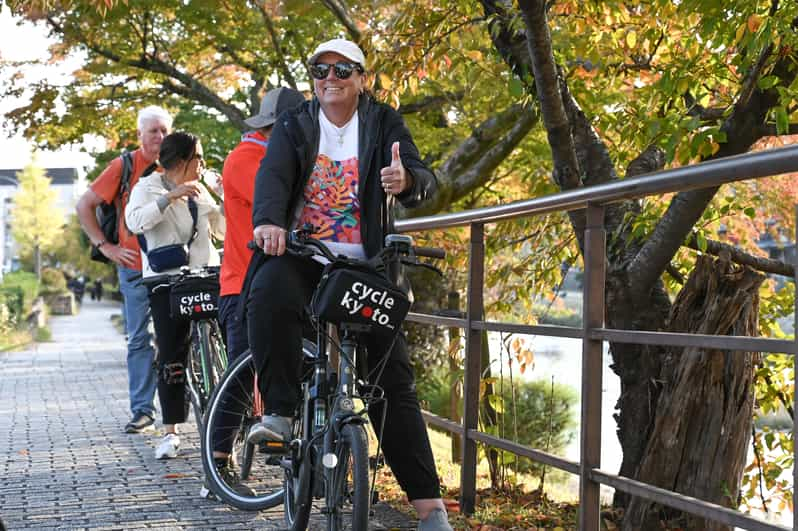
- Ride quality bikes: The standard bikes are maintained Giant and Trek cross bikes, with e-bikes available on request.
- Eat lunch on the route: A traditional Japanese lunch is included, with the restaurant chosen according to availability.
- Get a small-group guide: The maximum group size is nine, and the English-speaking guides have lived in Japan for a considerable time.
- Prepare for a long day: The tour lasts 450 minutes, begins at 9:30 AM, and includes cycling, sightseeing, walking, and photo stops.
Why a bicycle works so well in Kyoto
Kyoto’s sights are spread across a wide area. Toji is south of the central district, Kinkaku-ji is northwest, the Imperial Palace sits farther east, and Fushimi Inari lies well to the south. A bicycle gives you a useful middle ground: faster than walking, more flexible than public transport, and close enough to notice small details along the way.
You also get a better sense of how Kyoto fits together. The ride is not just a string of temple entrances. You pass shopping arcades, residential lanes, river scenery, traditional streets, and the edges of famous districts. That change of pace is a major part of the experience.
The roads are described as generally safe and low in traffic, but you still need to be alert. Kyoto is a working city, not a museum built for bicycles. You should already know how to ride confidently, signal carefully, and manage a full day in the saddle. The tour is not suitable for children under 12, pregnant women, or anyone who cannot ride a bike.
More full-day rides in Kyoto:
- 5 Top Highlights of Kyoto Full Day Bike Tour (E-bike option)
★ 5.0 · 511 reviews - Full Day Biking Tour Exploring the Best of Kyoto
★ 5.0 · 498 reviews - Kyoto: Full-Day City Highlights Bike Tour with Light Lunch
★ 5.0 · 52 reviews
Starting at Cycle Kyoto and riding to Toji
Meet at Cycle Kyoto at 9:15 AM for a 9:30 start. Arrive early. The first 25 minutes are used for the safety briefing and bike fitting, which matters more than it may sound. A poorly adjusted saddle can turn a pleasant day into a long negotiation with your knees.
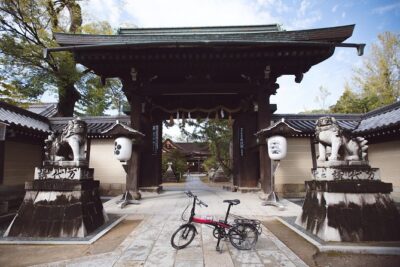
Toji is the first temple stop. It is regarded as the oldest temple in Kyoto and is a useful opening chapter for the day. You begin with a major religious site before moving into the city streets, giving you an immediate sense of Kyoto’s scale and age.
The schedule allows about 30 minutes at Toji. That is enough for an introduction and a look around, but not a slow, every-corner exploration. This tour is built for range. You will see many places, while a temple specialist tour would spend longer at each one.
Nishi Honganji and the city’s northern route
A roughly 10-minute ride brings you to Nishi Honganji. The guided visit lasts about 50 minutes, giving the guide time to explain more than the basic name and date of the temple.
From here, the route heads north through the Sanjo Shopping arcade. This is where the tour shifts from formal sightseeing to everyday Kyoto. Shopping streets and local lanes show you the city as a place where people live, eat, commute, and shop, not simply a collection of postcard views.
A short stop at Shinsen-en gardens follows. The gardens add a quieter pause before the next major shrine. These transitions are one of the tour’s best features. You are not repeatedly loading onto a bus or walking long distances between train stations. You simply pedal onward.
Kitano Tenmangu and the Golden Pavilion
Kitano Tenmangu receives about an hour, including a guided walk through the shrine grounds. The visit gives you a chance to compare Shinto shrine design with the Buddhist temples seen earlier in the day.
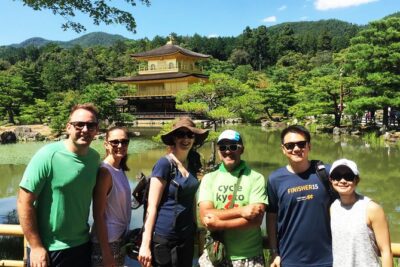
The route then reaches Kinkaku-ji, Kyoto’s Golden Pavilion. The entrance fee is included, and the visit lasts about an hour in the stated schedule, with roughly 25 minutes spent exploring the pavilion itself. The shorter focused visit is practical because Kinkaku-ji can be crowded and the main view is concentrated around the pond.
The Golden Pavilion is one of Kyoto’s most famous sights, so it will not feel like a quiet local discovery. That is not a flaw, but it is worth knowing before you book. The value here is convenience: you arrive by bike, enter with the admission covered, and receive context from the guide rather than trying to fit the site into a separate half-day plan.
More bike tours around Kyoto:
- Hidden Kyoto E-Biking tour
★ 5.0 · 1,843 reviews - Bike Tour Exploring North Kyoto plus Lunch
★ 5.0 · 1,087 reviews - Arashiyama Bamboo Forest & Hidden Gems Bike Tour (Early Bird)
★ 5.0 · 613 reviews - Kyoto: Memory Kyoto E-Bike Tour
★ 4.8 · 297 reviews
Lunch with room for a real break
Lunch is scheduled for about an hour at a local restaurant, and a traditional Japanese meal is included. The restaurant can change depending on availability, so you should not book this expecting one fixed menu or one named establishment.
This is more important than a simple meal stop. A full day on a bicycle needs a proper pause, and local food gives the day a cultural layer that a quick convenience-store stop would miss. One guide, Karl, has taken groups to a ramen restaurant serving a special duck broth. Other food stops may differ, but the experience is designed to be part of the tour rather than an afterthought.
The lunch hour also gives you time to rest your legs. Still, do not mistake it for a short sightseeing day. The ride continues for several hours afterward, and the final section includes two major destinations.
The Imperial Palace and the Kamo River
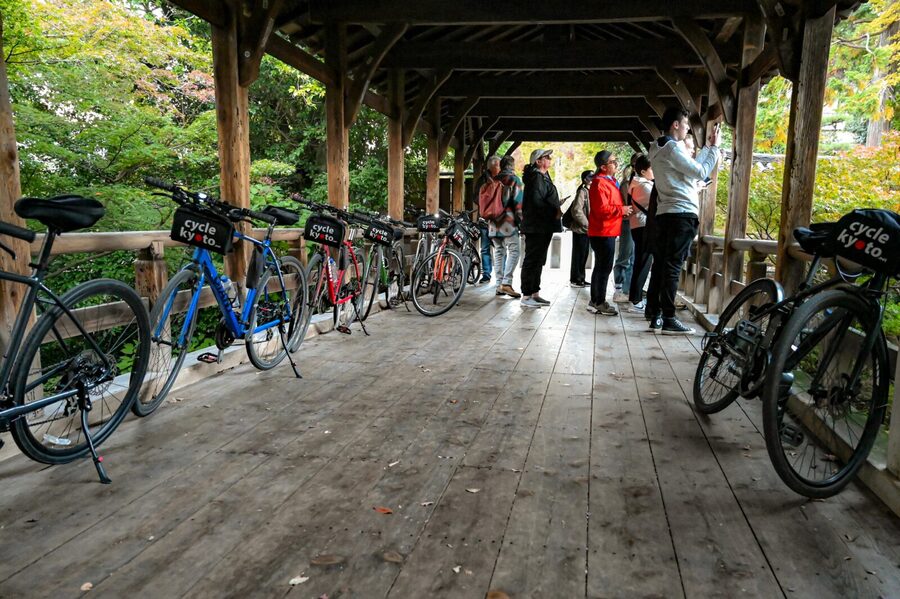
After lunch, the group heads to the Kyoto Imperial Palace. The planned visit is about an hour. The palace grounds provide a change from the concentrated temple and shrine spaces earlier in the day, with broader open areas and a different view of Kyoto’s political past.
The schedule then follows the Kamo River. This is a good point for photographs and a brief reset after several formal sites. The listed photo stop lasts about 40 minutes, which gives you more than a quick roadside pause.
The river section also shows why cycling is so useful here. You can move at a steady pace while staying close to the city’s outdoor life. It is a visual break from tiled roofs, gates, and temple courtyards, and it helps divide the afternoon into manageable sections.
Gion by bicycle and on foot
The ride continues into Gion, Kyoto’s famous geisha district. The tour focuses on the backstreets, not only the best-known main lanes. That lets you see the district’s traditional character without treating it as a stage set.
You should be respectful here. Gion is a living neighborhood, and the appeal lies in its streets, buildings, and atmosphere, not in chasing people for photographs. The route includes a guided walk, so expect to leave the bikes briefly and explore on foot.
One guide, Jay, was praised for combining humor, enthusiasm, and cultural explanations. Another guide, Juan, was noted for patience and for suggesting places to visit on later days. Those qualities matter in Gion, where a guide can help you notice the difference between a pretty street and a place with a particular role in Kyoto life.
You may also see a geisha or maiko, but that should never be treated as a promised attraction. The district itself is the point.
Tofukuji and the torii gates of Fushimi Inari
The final leg heads south to Tofukuji Temple, followed by Fushimi Inari Taisha. Tofukuji is listed as a 30-minute photo stop, so this is a quick look rather than an extended temple tour.
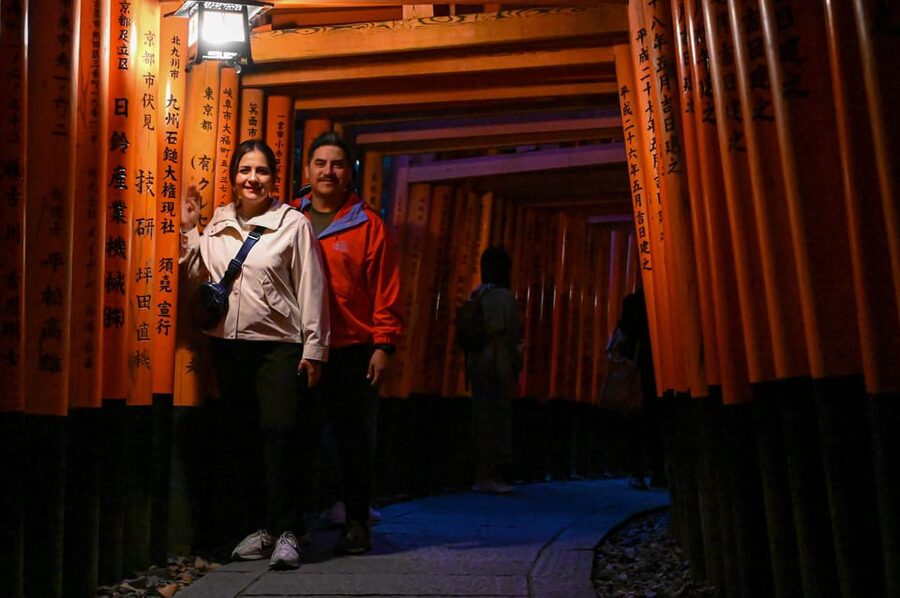
Fushimi Inari is the grand finale. The Senbontorii section, with its rows of vermilion gates, is one of Kyoto’s most recognizable sights. The guided visit lasts about an hour, giving you time to walk beneath the gates and take photographs before returning to Cycle Kyoto.
This stop comes late in the day, which is both exciting and demanding. Your legs may be tired by then, and the shrine grounds involve walking. The reward is a memorable final setting, but you should save some energy rather than treating lunch as the finish line.
After Fushimi Inari, you cycle back to the shop. The tour lasts 450 minutes, or about seven and a half hours. The exact movement between stops and the time spent at each place can vary, so think of the schedule as a full-day framework rather than a promise that every minute will be identical.
Bikes, e-bikes, and the physical effort
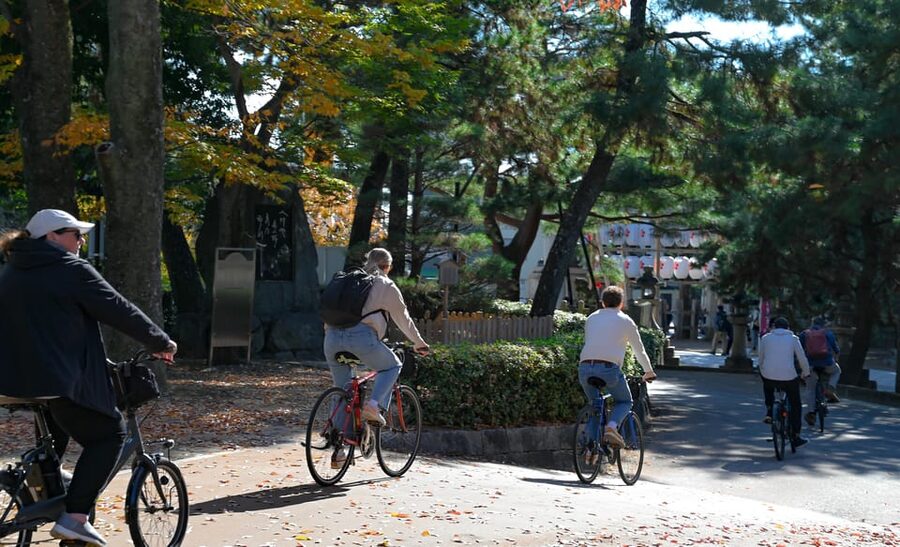
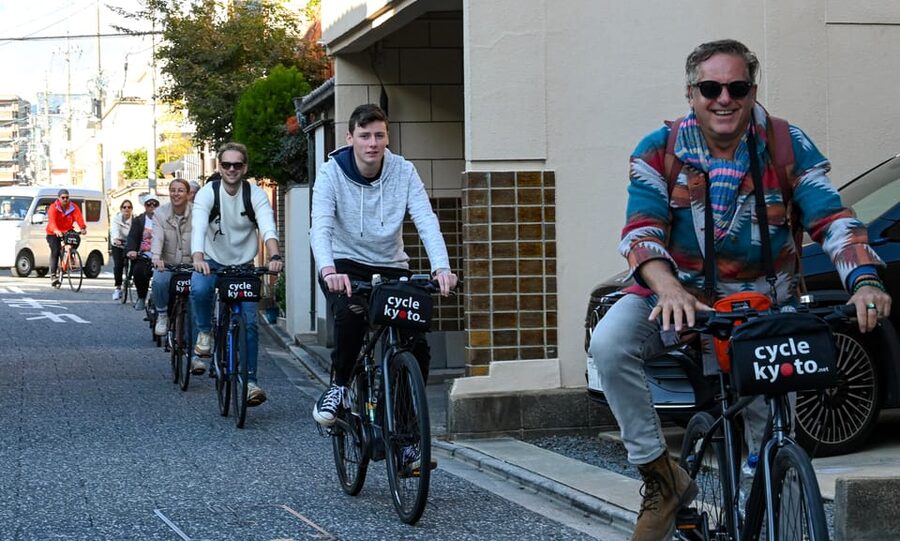
The standard bikes are well-maintained cross bikes made by Giant and Trek. That is a sensible choice for Kyoto because you need a bike suited to paved streets, steady city riding, and a long day rather than a specialized racing machine.
E-bikes are available on request. Ask in advance if you think you will need one, since the information does not promise unlimited availability on the day. One rider worried about managing a regular bike but found the city mostly flat and the standard bike manageable.
The route has been described as more than 18 miles by one participant. That figure is useful when judging your fitness. You do not need to be an athlete, but you should be happy riding for hours and getting on and off the bike repeatedly.
Wear comfortable clothes and shoes. Bring water, sunscreen, a hat, and a camera. Keep belongings light because bike storage is limited, though larger luggage can be left in the secure shop space. High heels are not allowed, and smoking is not allowed during the activity.
What the $116 price includes
At $116 per person, the tour is not the cheapest way to see Kyoto. You could visit many of the same districts using public transport and pay individual admission fees as you go.
The price makes more sense if you value efficiency and guidance. It includes the bike, helmet, Golden Pavilion admission, traditional Japanese lunch, and an English-speaking guide. You also get a route that connects distant parts of Kyoto without working out the transport links yourself.
The small group adds value. With up to nine people, the guide can usually keep the pace organized and answer questions without the impersonal feel of a large coach tour. The tradeoff is that you follow the group’s rhythm. If you want to linger for an hour at one temple, this is not the right format.
The tour has received a 4.9 rating from 39 reviews, with particularly strong praise for the guides, bike comfort, organization, food, and the chance to see neighborhoods away from the main sights. That matches what the structure promises: broad coverage, local context, and a full day of activity.
Who should book this Kyoto bike tour?
I would choose this for a first or second visit when you want to understand Kyoto’s layout quickly. It works especially well if you have limited time and want major temples, shrines, Gion, the river, and local streets in one organized day.
It also suits active couples, families with older children, and solo visitors who prefer a social small group. The guides speak English and have lived in Japan for a considerable time, so you can expect explanations aimed at international visitors rather than a silent ride between photo stops.
I would hesitate if you dislike cycling, tire easily, need long unscheduled breaks, or want deep visits at only two or three temples. The tour packs in a lot. That is its strength and its limit.
Rain can also affect the plan. The tour does not operate in all weather conditions, and heavy rain leads to cancellation with refunds provided. Dress for the forecast, but remember that Kyoto weather can change and you will be outdoors for most of the day.
My recommendation
Book this tour if you want maximum Kyoto coverage with minimum transport planning, and if an 18-mile day on a bicycle sounds appealing rather than alarming. The route combines famous sights with useful local detail, and the included lunch and entrance fee make the price easier to justify.
Skip it if your ideal Kyoto day means slow temple visits, long café stops, or avoiding physical effort. For active visitors, though, this is a smart way to connect the city’s scattered highlights and finish with the red gates of Fushimi Inari still fresh in your mind.
FAQ
Where does the Kyoto bike tour begin?
The tour begins at Cycle Kyoto.
What time should I arrive?
The tour starts at 9:30 AM sharp. Arrive 15 minutes early for check-in, bike fitting, and the safety briefing.
How long does the tour last?
The activity lasts 450 minutes, or about seven and a half hours.
What language is the tour conducted in?
The live tour guide speaks English.
How many people can join the group?
The small group is limited to nine participants.
Are bikes included?
Yes. Bike rental and a helmet are included.
What type of bikes are provided?
The standard bikes are maintained cross bikes made by Giant and Trek. E-bikes are available on request.
Is lunch included?
Yes. A traditional Japanese lunch is included. The restaurant may vary depending on availability.
Is the Golden Pavilion entrance fee included?
Yes. Admission to Kinkaku-ji, the Golden Pavilion, is included.
Is the tour suitable for children or people who cannot ride?
The tour is not suitable for children under 12, pregnant women, or people who cannot ride a bike.
New rides added around Kyoto
- Kyoto: Tailored E-Bike Tour to Highlights & Hidden Gems★ 4.9 · 32 reviews
- Best of Kyoto: Ginkakuji & Path of Philosophy E-Bike Tour★ 4.9 · 79 reviews
- Kyoto: Hidden Gems E-Bike Tour with Local Japanese Guide★ 4.9 · 189 reviews
- Kyoto: Memory Kyoto E-Bike Tour★ 4.8 · 297 reviews
- Kyoto: Hidden Gems E-Bike Tour Through Backstreets & Temples★ 4.9 · 54 reviews
- Kyoto: Half-day Guided Bike Tour with Fushimi Inari★ 4.9 · 21 reviews
- Kyoto: Early Bird E-Bike Tour with Lunch★ 5.0 · 14 reviews
- Kyoto: Full-Day City Highlights Bike Tour with Light Lunch★ 5.0 · 52 reviews
Kyoto Bike Tours, compared.
Arashiyama Bamboo Forest & Hidden Gems Bike Tour (Early Bird)
Read our review →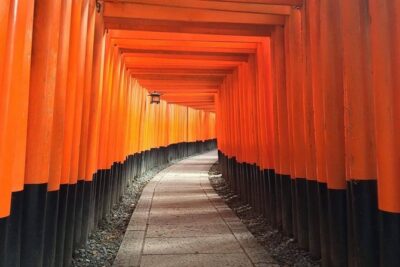
5 Top Highlights of Kyoto Full Day Bike Tour (E-bike option)
Read our review →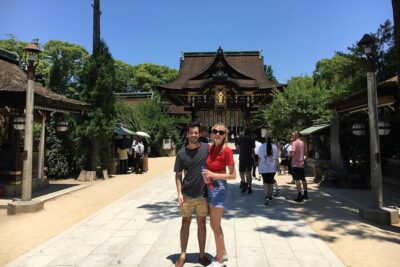
Full Day Biking Tour Exploring the Best of Kyoto
Read our review →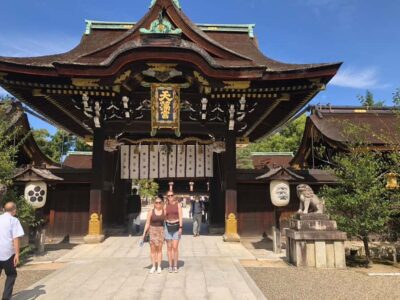
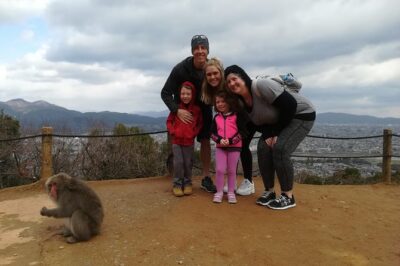
Afternoon Kyoto Bike Tour: Bamboo Forest, Monkeys & Hidden Spots
Read our review →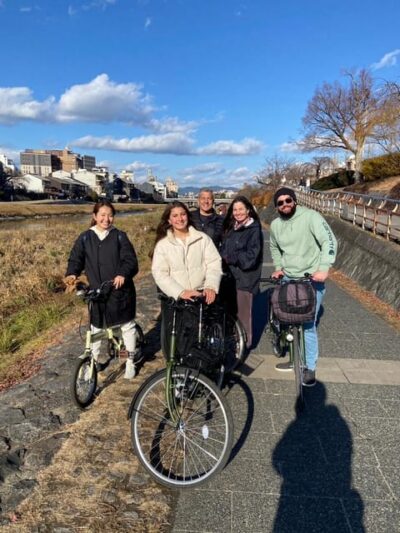
Hidden Gems E-Bike Tour with Local Japanese Guide
Read our review →Browse the lists this tour appears in