
Review · KYOTO
Kyoto: Memory Kyoto E-Bike Tour
Kyoto’s big sights are spread across the city, and this tour makes the distance part of the experience. You pedal from Kitano Tenmangu Shrine to Kinkakuji, then across to Arashiyama, using e-bikes and quieter neighborhood roads instead of spending the day on buses.
I like two things here: you get four major Kyoto sights in one day, and you see ordinary residential streets between them. Guides such as Pohan, Jody, Benjamin, Diego, and Jorge are praised for explaining Shinto, Zen Buddhism, local customs, and the stories behind each place.
The main catch is stamina. Six hours includes cycling and walking, and you still need to ride safely in city traffic. The e-bike helps greatly, especially in hot weather, but this is not a sightseeing tour where you simply sit back.
Key points to know
- Four major sights in one loop: Kitano Tenmangu, Kinkakuji, Arashiyama Bamboo Forest, and Tenryuji Temple.
- Small groups capped at eight: This gives the guide room to answer questions and manage the ride.
- Quiet streets are part of the appeal: The route shows you residential Kyoto, not only the main tourist corridors.
- The e-bike changes the day: Hills, heat, and longer distances are easier than on a standard bicycle.
- The temples are guided, not rushed photo stops: You get cultural and religious background along with time to look around.
- Lunch is not listed as included: A guide may stop at a local diner, but your meal is paid separately.
Why an e-bike makes this Kyoto route work
Kyoto is easy to picture as a compact city of temples. On a map, though, the famous sights are scattered. Kitano Tenmangu and Kinkakuji sit in the northwest, while Arashiyama lies farther west. Walking between them would take much of your day, and public transport can mean waiting, transfers, and crowded streets.
The e-bike solves that problem without turning the tour into a hard athletic outing. You still pedal, but the motor takes the sting out of longer stretches and warm weather. Several people on the tour had never used an e-bike before and found it easy to manage after a short introduction.
I especially like the way the route uses the gaps between the sights. You pass through quieter streets and residential areas, seeing a side of Kyoto that a taxi or tour bus skips. That does not mean every road is empty. You need awareness, steady handling, and the discipline to follow the guide, particularly around intersections and shared paths.
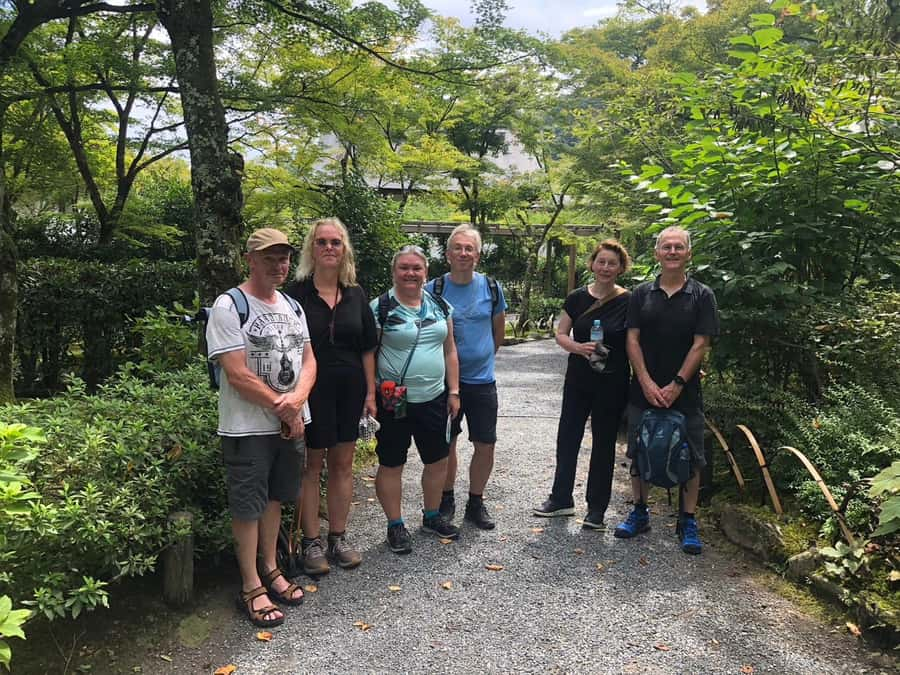
The group limit of eight is useful here. A bicycle group can become awkward when it is too large, but a small group allows the guide to keep an eye on everyone and stop for questions. Guides including Pohan and Jody are repeatedly praised for riding at a comfortable pace and keeping the group together.
More E-Bike Tours in Japan
- Hidden Kyoto E-Biking tour
★ 5.0 · 1,843 reviews - 5 Top Highlights of Kyoto Full Day Bike Tour (E-bike option)
★ 5.0 · 511 reviews - Kyoto: Hidden Gems E-Bike Tour with Local Japanese Guide
★ 4.9 · 189 reviews
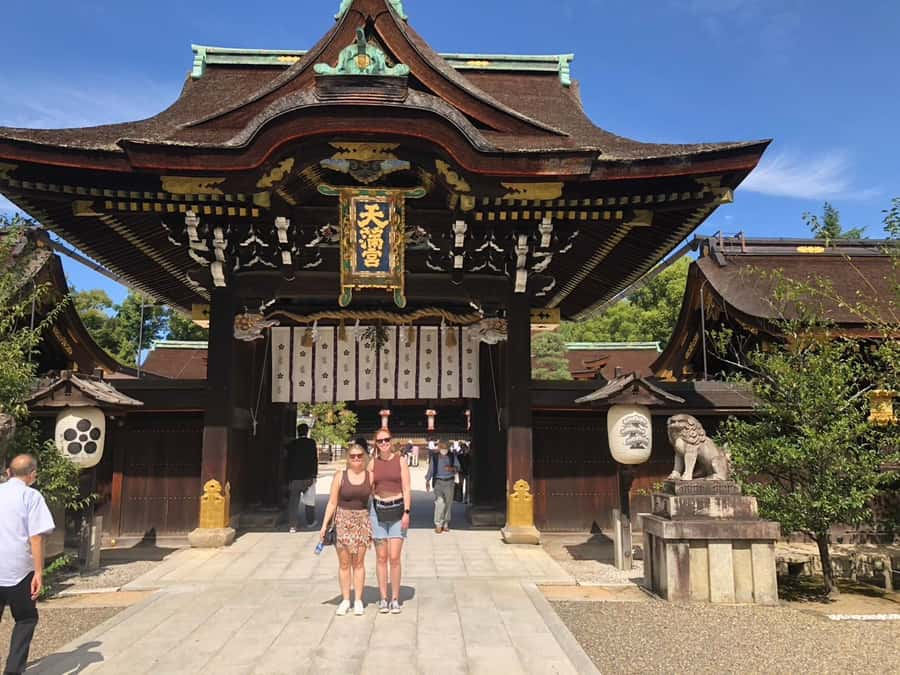
Starting at Kitano Tenmangu and meeting Sugawara no Michizane
The tour begins at the Memory Kyoto bike tour meeting point, opposite the Kirindo drug store. From there, the first stop is Kitano Tenmangu Shrine, with about 30 minutes set aside for a guided visit and cycling.
Kitano Tenmangu is dedicated to Sugawara no Michizane, a scholar and political figure who became associated with Tenjin worship. The shrine is also known for its long connection with learning and academic success. Your guide can help explain why students and families come here to pray, and how the shrine’s traditions fit into Japanese religious life.
This is a smart first stop. It gives you a cultural frame for the day before the famous golden temple and bamboo grove take over your camera. You are not just collecting attractive buildings. You begin to see the difference between a Shinto shrine and a Buddhist temple, a distinction that matters at the other stops.
The visit is fairly short, so do not expect a slow, detailed examination of every building. The value comes from the guide’s explanation and from learning how to read the site. Look for the shrine’s entrance approach, ritual spaces, and decorative details, then save your energy for the longer temple visits.
Kinkakuji, the Golden Pavilion over the pond
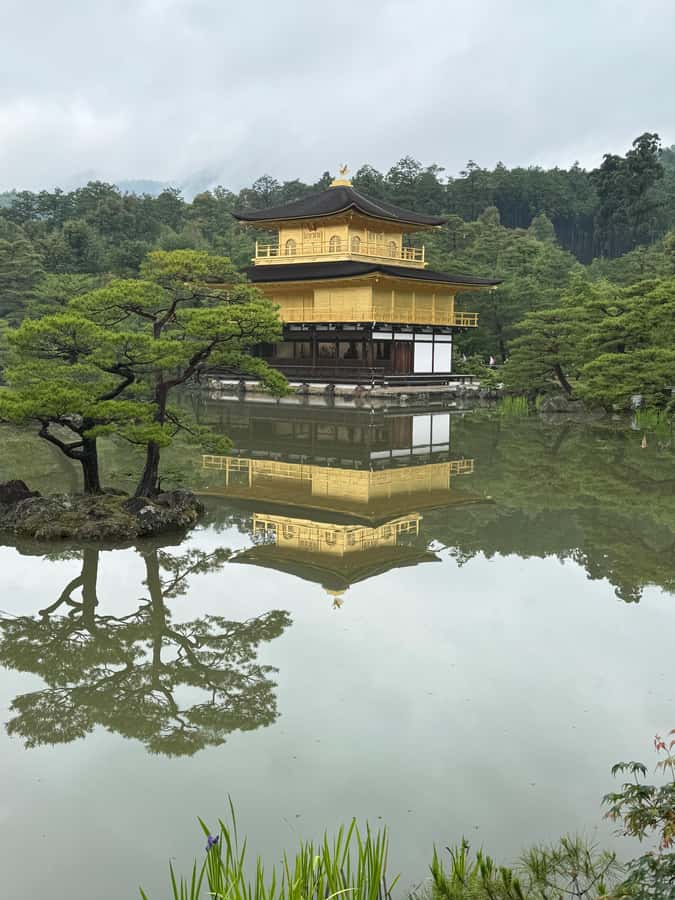
The next major stop is Kinkakuji, usually called the Golden Pavilion. Its upper levels are covered in gold leaf, and the building is reflected in a pond surrounded by carefully arranged gardens. The view is dramatic even if you have seen it in photographs.
The pavilion is part of a Zen temple complex, and the setting matters as much as the building. The pond, trees, rocks, and reflective water create the classic image most people associate with Kinkakuji. Your guide adds the story and religious context, helping you understand that this is not simply a bright gold structure placed beside a lake.
The listed visit and cycling time here is about 45 minutes. That is enough for the main route through the grounds, a close look at the pavilion, and photographs, but it is not enough for an unhurried exploration of every corner. Kinkakuji can also feel crowded, especially during cherry blossom season and other busy periods.
That is one reason the cycling format helps. The group does not spend the entire day at one famous sight. You see Kinkakuji, hear the key explanation, and then move on before the schedule becomes consumed by one photo stop. I would keep your camera ready, but also give yourself a few minutes to look beyond the pavilion at the garden composition.
Riding through Kyoto’s quieter western streets
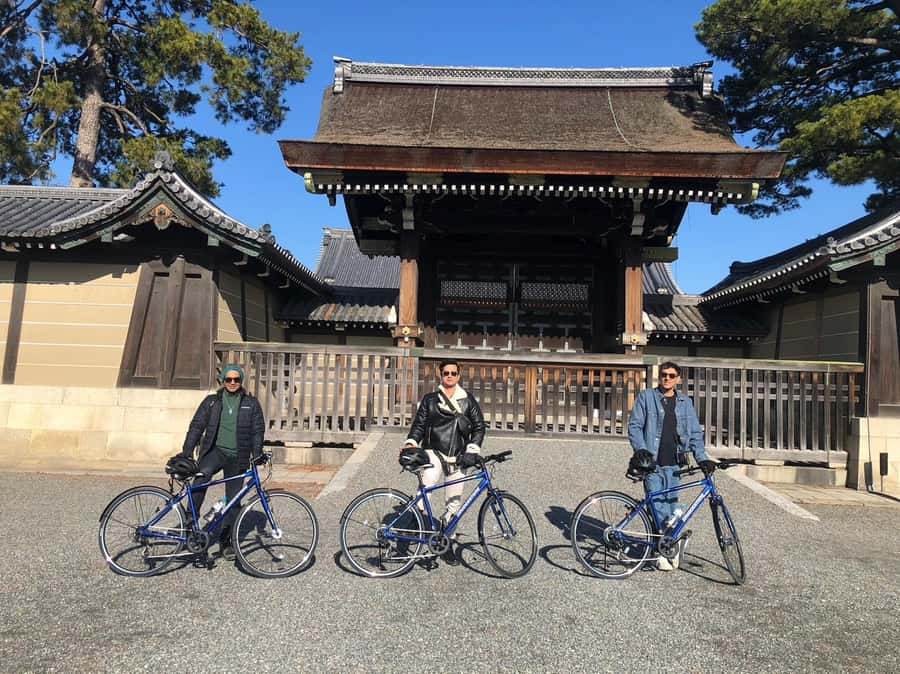
The riding between stops is not dead time. It is the part that gives the tour its local feel. Instead of moving only along the most obvious roads, the group uses quieter streets and scenic routes where possible.
You see residential Kyoto, with everyday buildings, small lanes, and the rhythm of local life. The exact route can vary with traffic and conditions, so you should not expect a fixed sightseeing list for every block. The point is the change in pace: you move through the city under your own power rather than being carried from one landmark to another.
The e-bike is especially helpful in summer. One person described the breeze from riding as much better than walking in Kyoto’s heat and humidity. That benefit is practical, not glamorous. A hot, crowded day on foot can drain you before you reach Arashiyama, while a bicycle keeps you moving and gives you short breaks from the heat.
The route still requires basic fitness and attention. You may be comfortable on a bicycle and still find city riding different from cycling on a quiet country path. Stay alert, follow the guide’s instructions, and do not assume the motor replaces balance or road awareness.
More E-Bike Tours in Kyoto:
- Arashiyama Bamboo Forest E-Biking Tour
★ 5.0 · 183 reviews - Historical Kyoto E-Bike Tour
★ 5.0 · 181 reviews - Best of Kyoto: Ginkakuji & Path of Philosophy E-Bike Tour
★ 4.9 · 79 reviews - Kyoto: Fushimi Inari Shrine and Tofukuji Temple E-Bike Tour
★ 5.0 · 75 reviews
Arashiyama Bamboo Forest, Kyoto’s most recognizable path
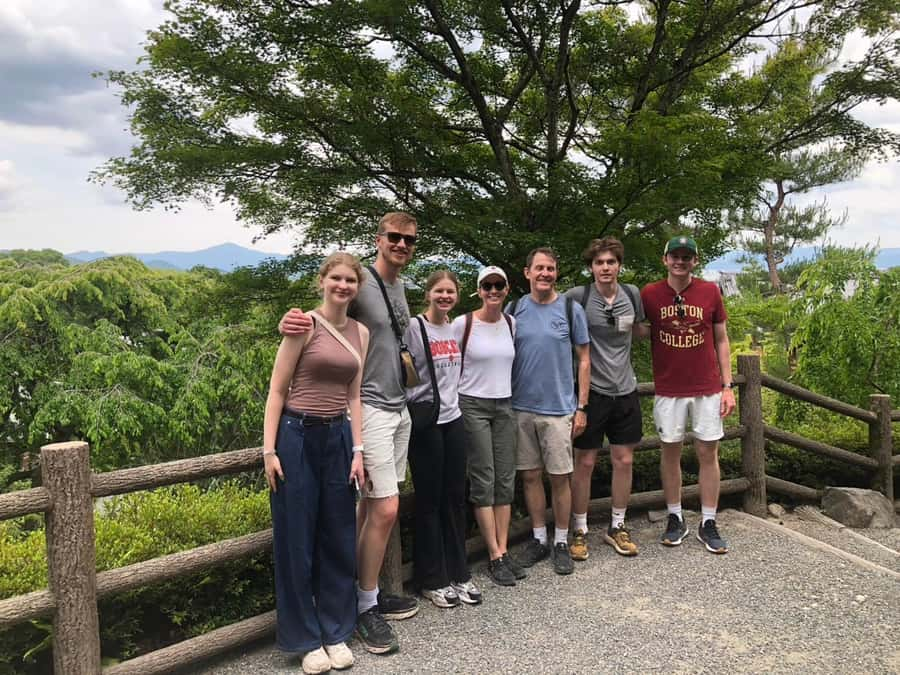
Arashiyama Bamboo Forest is the visual star of the tour. Tall bamboo rises on both sides of the path, creating a narrow green corridor that feels unlike the rest of Kyoto.
The visit includes a photo stop, guided sightseeing, walking, and cycling, with about 45 minutes allocated. That mix is important because you do not simply ride through the grove. You leave the bike as needed, walk through the bamboo, and have time to take photographs.
The grove is one of Kyoto’s most popular sights, so the famous path may be crowded. Do not expect a private forest or complete silence. The appeal comes from the height and density of the bamboo, along with the strange shift in atmosphere when the city seems to disappear behind the stalks.
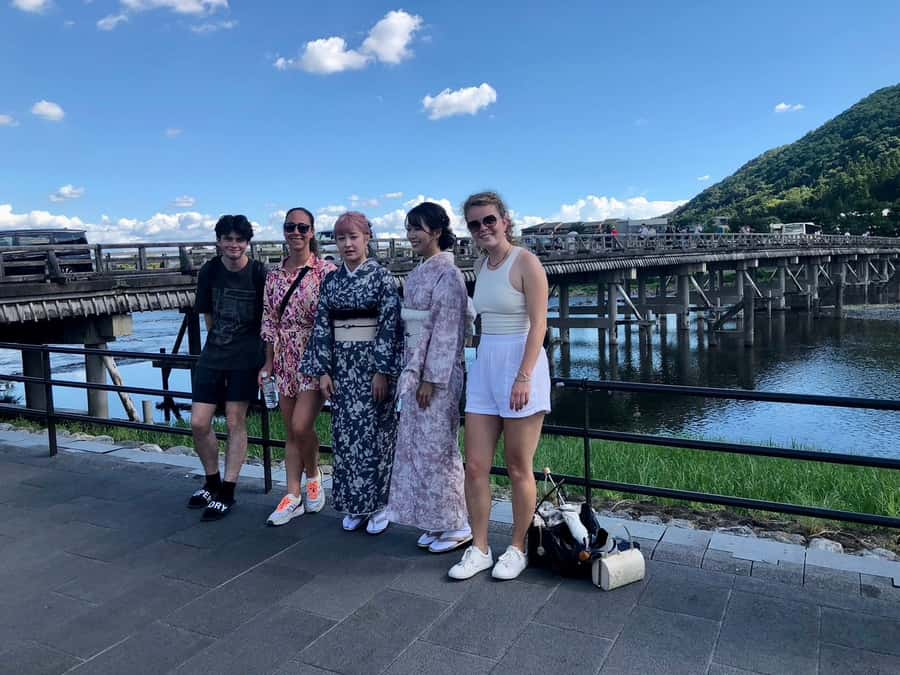
The guide can help you manage the visit without losing the wider setting. One memorable part of the route can be a stop near the water around Arashiyama, where you get a less expected view than the standard bamboo photograph. This is where a local guide adds value: you may see a nearby place you would not have chosen from a basic map.
The bicycle also makes Arashiyama easier to approach. The area attracts large crowds, and walking all the way from another part of Kyoto can take time and energy. Riding gets you there efficiently, while the walking portion lets you experience the grove properly.
Tenryuji Temple and one of Kyoto’s finest gardens
Tenryuji follows Arashiyama, with about 45 minutes for a guided visit, walking, sightseeing, photographs, and cycling. It is a UNESCO World Heritage site and one of Kyoto’s major Zen temples.
For many people, the garden is the highlight. Tenryuji’s design uses ponds, rocks, trees, and borrowed views from the surrounding mountains to create a scene that changes as you walk. This is not a garden you understand from one photograph. The paths reveal different angles, and the calm arrangement gives you a chance to slow down after the cycling stretches.
The guide’s explanation is useful here because Zen gardens can seem simple at first glance. A good guide points out how the space works and places it in the setting of Zen practice. Guides on this tour, including Diego, Boram, Jody, and Jorge, have been praised for explaining temple customs, Buddhism, and the meaning behind what you are seeing.
The time limit means you should focus. You may not have the leisure to sit for a long stretch or inspect the entire temple complex. Still, 45 minutes is a reasonable balance for a day that also includes three other major sites.
Tenryuji and the bamboo grove work well together. The bamboo gives you an iconic outdoor setting, while the temple offers architecture, religious context, and a carefully planned garden. Together they provide more range than a day made up only of photo stops.
What the guides add to the day
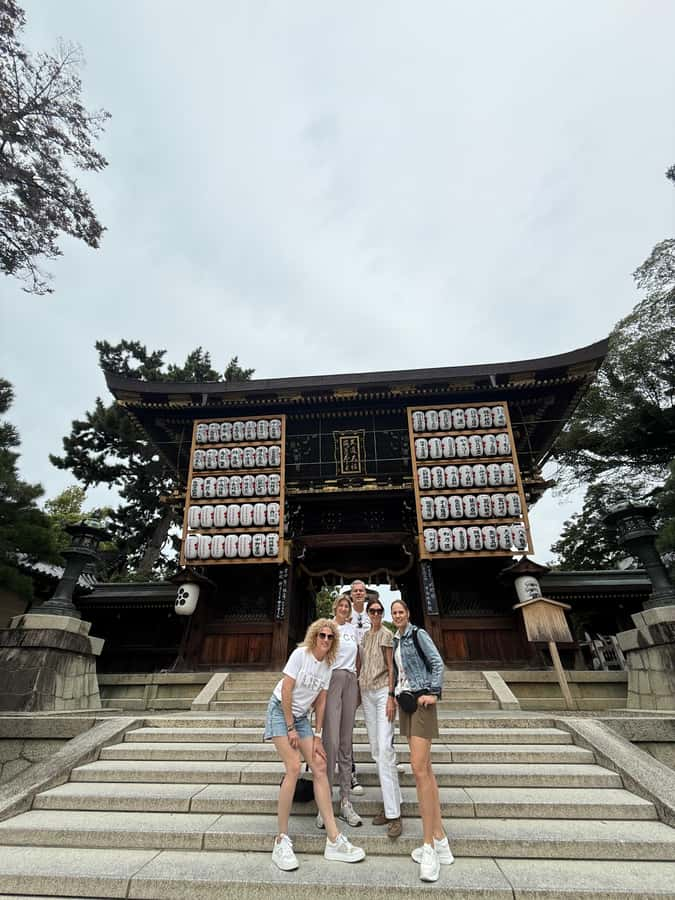
The guide is central to the experience. The route would still be useful without one because of the e-bike, but much of the value comes from knowing what you are looking at.
Pohan is praised for keeping riders safe, handling crowded cherry blossom conditions, and finding quieter photo spots. Jody is described as patient, clear, funny, and good with children. Benjamin receives similar praise for his explanations and calm approach. Diego is noted for his local insight and friendly manner, while Jorge is remembered for turning historical details and small seasonal observations into part of the day.
Guide assignments can change, so you should not book expecting one particular person. What you can count on is an English-speaking guide and a small group format. The strongest part of the guiding style is the mix of history, religion, practical riding help, and local detail.
This is also a good tour for questions. You can ask about Shinto and Buddhism, temple etiquette, Kyoto customs, or the city’s daily life. The small group makes those exchanges easier than on a large coach tour.
Time, cost, lunch, and what is included
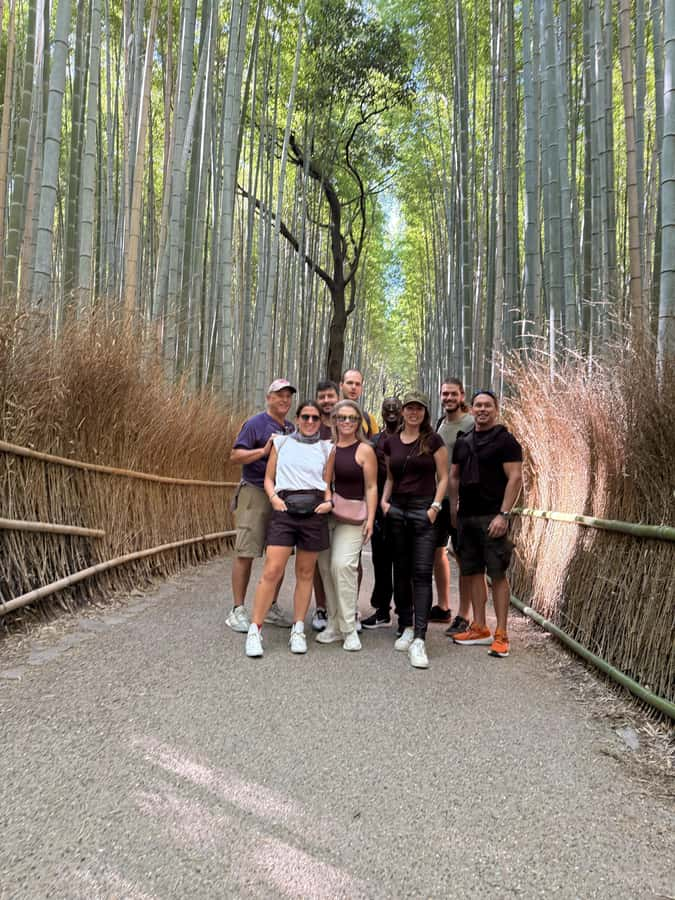
The tour lasts six hours and costs $91 per person. That is not a low-cost way to see Kyoto, but it is fair value if you want the bicycle, helmet, guide, entry fees, and a structured route covering four major sights.
All fees and taxes are included, along with the e-bike, helmet, water bottle, and English-speaking guide. This matters because individual temple and shrine visits can add up, while arranging a bicycle and planning a route across western Kyoto takes time.
Lunch deserves a close look. One tour day included a stop at a local diner, with the guide helping the group order and pointing out several meal choices. Lunch itself is not listed among the included items, so budget to pay for your own meal. You should also confirm the day’s exact lunch arrangements with the operator if food is important to your plans.
The tour offers free cancellation up to 24 hours before departure and a reserve-now, pay-later option. Those terms are useful when Kyoto weather is uncertain, especially in the rainy season. The operator has also moved a booking to the following day when rain made cycling unpleasant.
Who should book this Kyoto bike tour?
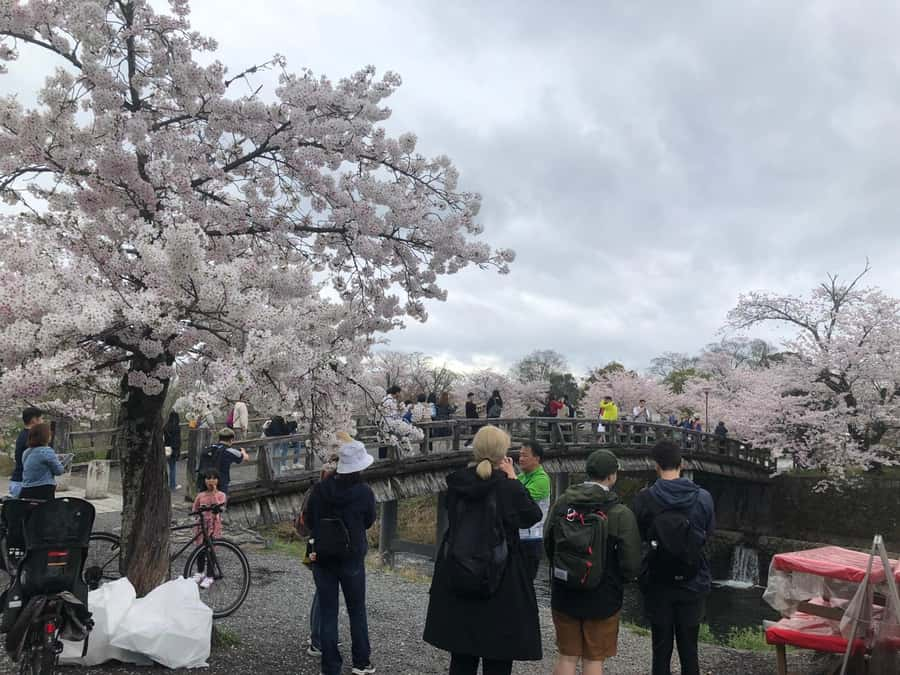
I would choose this for a first or second visit when you want to cover the western and northwestern sights efficiently. It is particularly good if you like active sightseeing but do not want a strenuous full-day cycling challenge.
Families can enjoy it, and the experience has worked for children aged 10 and 14, as well as older adults in their late 50s and 60s. Children under two are not suitable for the activity. Everyone must still be able to ride safely and handle a six-hour day that combines cycling with walking.
This is also a strong choice for first-time e-bike users. The motor makes the distance manageable, and the guide stays with the group. If you are nervous about riding in a city, mention that before starting and pay close attention to the safety briefing.
I would be more cautious if you dislike bicycles, struggle with balance, or want a slow temple day with long periods of quiet reflection. The tour is not rushed in the harsh sense, but it has a schedule to keep. Crowds, heat, and road conditions can affect the pace.
My verdict: an active way to see Kyoto’s essentials
Book this tour if you want four famous Kyoto sights plus the city between them. The best parts are the e-bike access, the small group, and the guides who connect buildings and gardens to Japanese religious traditions.
Skip it if you want to linger for hours at each temple or prefer to move only by train and bus. For most visitors who can ride a bicycle and want a useful first look at Kyoto, $91 buys a well-planned day, a helmet, a bike, entry fees, and local guidance without forcing you to solve the city’s distances on your own.
FAQ
How long is the Memory Kyoto E-Bike Tour?
The tour lasts six hours, including cycling, guided visits, walking, and photo stops.
Which Kyoto sights are included?
The route includes Kitano Tenmangu Shrine, Kinkakuji, also called the Golden Pavilion, Arashiyama Bamboo Forest, and Tenryuji Temple.
Is the tour conducted in English?
Yes. The tour has a live English-speaking guide.
How large is the group?
The group is limited to eight participants.
Are the bicycle and helmet included?
Yes. The use of the bike and helmet is included, along with a water bottle.
Are entrance fees and taxes included?
Yes. All fees and taxes are included in the tour price.
Is lunch included?
Lunch is not listed among the included items. A guide may take the group to a local diner, but you should expect to pay for your own meal.
Can I cancel the tour if my plans change?
You can cancel up to 24 hours in advance for a full refund. The reserve-now, pay-later option also lets you hold a place without paying immediately.
New rides added around Kyoto
- Kyoto: Tailored E-Bike Tour to Highlights & Hidden Gems★ 4.9 · 32 reviews
- Best of Kyoto: Ginkakuji & Path of Philosophy E-Bike Tour★ 4.9 · 79 reviews
- Kyoto: Hidden Gems E-Bike Tour with Local Japanese Guide★ 4.9 · 189 reviews
- Kyoto: Hidden Gems E-Bike Tour Through Backstreets & Temples★ 4.9 · 54 reviews
- Kyoto: Half-day Guided Bike Tour with Fushimi Inari★ 4.9 · 21 reviews
- Kyoto: Full-Day City Highlights Bike Tour with Light Lunch★ 5.0 · 52 reviews
- Kyoto: Full Day Bike Tour★ 4.9 · 39 reviews
- Kyoto: Early Bird E-Bike Tour with Lunch★ 5.0 · 14 reviews
Kyoto Bike Tours, compared.
Arashiyama Bamboo Forest & Hidden Gems Bike Tour (Early Bird)
Read our review →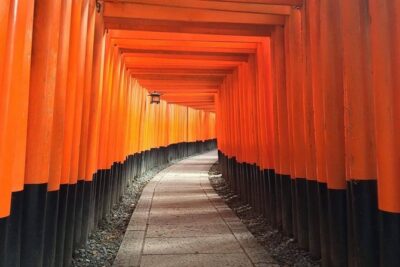
5 Top Highlights of Kyoto Full Day Bike Tour (E-bike option)
Read our review →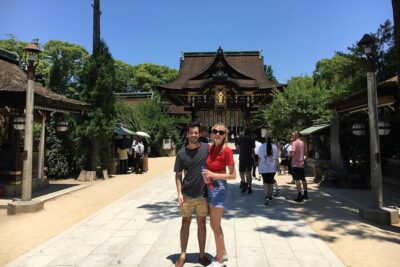
Full Day Biking Tour Exploring the Best of Kyoto
Read our review →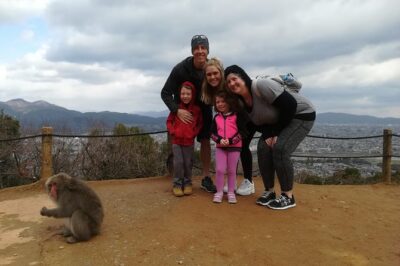
Afternoon Kyoto Bike Tour: Bamboo Forest, Monkeys & Hidden Spots
Read our review →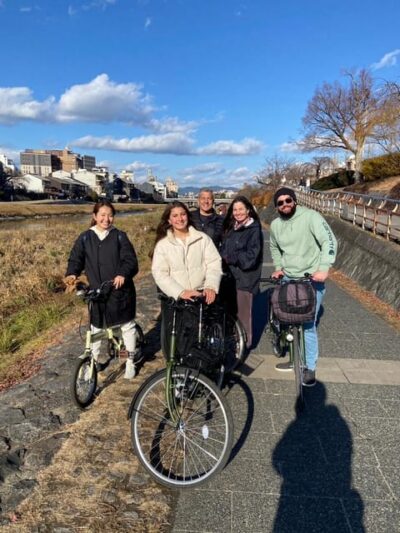
Hidden Gems E-Bike Tour with Local Japanese Guide
Read our review →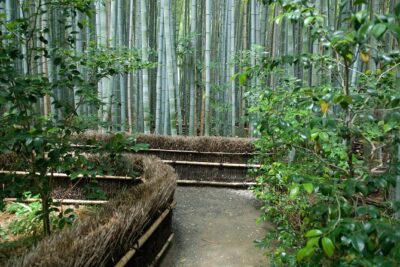
Browse the lists this tour appears in