
Review · KYOTO
Historical Kyoto E-Bike Tour
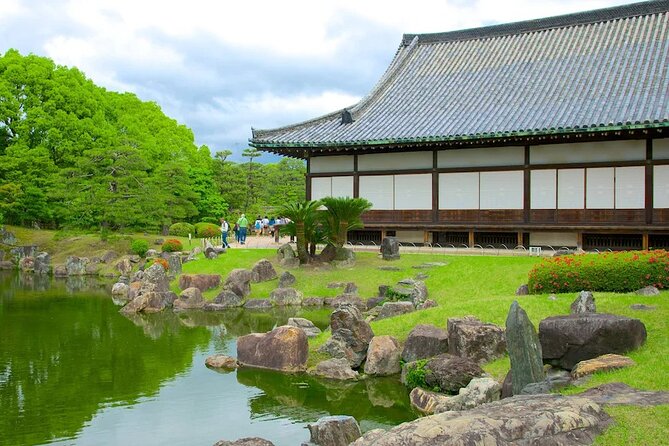
Kyoto’s famous sights are spread across the city, and this small-group e-bike tour links them without making you spend the whole day on buses. You ride through narrow neighborhood streets, stop at Kitano Tenmangu and Kinkaku-ji, then reach Arashiyama’s bamboo forest and Tenryu-ji.
I like the maximum group size of eight, which lets guides such as Jody, Pohan, Diego, Jorge, and George give clear explanations and keep the group together. I also like the mix of major sights, quiet streets, and a local lunch stop. The main catch is that this is not six hours of easy pedaling: reviews describe the day as roughly 25 percent biking and 75 percent walking, with some riding alongside city traffic.
Key points at a glance
- Four major Kyoto stops: Visit Kitano Tenmangu, Kinkaku-ji, the Arashiyama Bamboo Forest, and Tenryu-ji.
- Electric bikes included: The motor assistance reduces the strain of covering Kyoto’s wide spread.
- Small groups of up to eight: Guides can offer more help with traffic, questions, and lunch choices.
- A real mix of riding and walking: Expect temple visits, shrine paths, bamboo trails, and time on the bike.
- Lunch is separate: Bring Japanese yen, since the lunch restaurant may be cash-only.
- Strong overall record: The tour is rated 4.9 out of 5 from 181 reviews, with 98 percent recommending it.
Why an e-bike makes sense in Kyoto
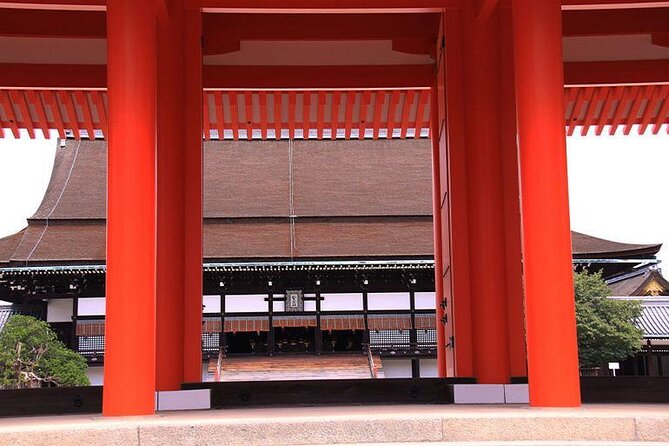
Kyoto is easy to underestimate on a map. The temples in the northwest and the sights around Arashiyama are not next door to one another, and walking between them would take much of your day. Public transport can help, but buses and trains do not always leave you near the entrance you want.
An e-bike gives you a practical middle ground. You cover more ground than on foot, but you still see the narrow streets and residential corners that pass too quickly from a bus window. The electric assistance also helps if you are not eager to spend a full day pushing hard on pedals.
Do not mistake this for a motorized sightseeing ride with no effort. You will ride through city streets and must pay attention to signs, cars, buses, mopeds, pedestrians, and other cyclists. Several people found the traffic manageable, while less confident city cyclists found some crossings and shared paths tense.
That makes this tour best for competent urban cyclists, including teenagers who are comfortable riding in traffic. It is less suitable if you rarely ride a bicycle or want a completely relaxed, vehicle-free outing.
More E-Bike Tours in Japan
- Hidden Kyoto E-Biking tour
★ 5.0 · 1,843 reviews - 5 Top Highlights of Kyoto Full Day Bike Tour (E-bike option)
★ 5.0 · 511 reviews - Kyoto: Memory Kyoto E-Bike Tour
★ 4.8 · 297 reviews
Meeting the group near Nishikyo
The tour begins at Memory Kyoto Bike Tour, at 8-6 Umaryo-cho in Nishikyo, Nakagyo Ward. The meeting point is near public transportation, but one person found it tucked away down a back road with little signage. Your mobile ticket gives the meeting information, so check it carefully before setting out.
The tour returns to the same place. That matters when planning your Kyoto day, since the route finishes back at the starting point rather than leaving you in Arashiyama or another part of the city.
There are two morning departure options. The exact choice gives you some flexibility, but you should still allow roughly five to six hours for the complete experience. The schedule includes riding, temple and shrine visits, walking, and lunch, so this is a substantial part of your day.
Bikes and helmets are provided, along with a bottle of water. The bikes have been praised for being comfortable and in good working order. A short introduction to riding and local cycling rules is especially useful here, since the route uses ordinary Kyoto streets rather than a dedicated tourist path.
Kitano Tenmangu and the world of Sugawara no Michizane
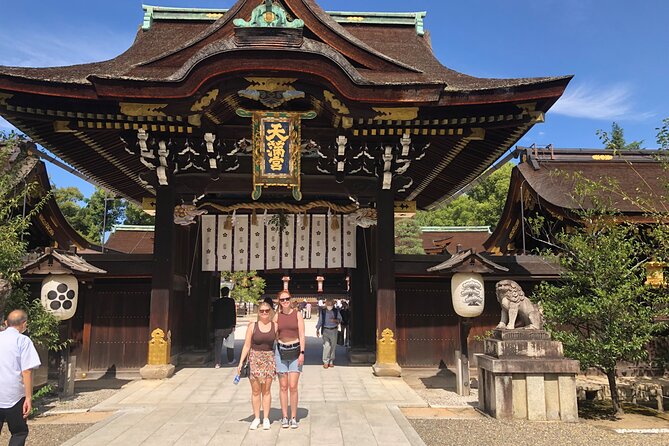
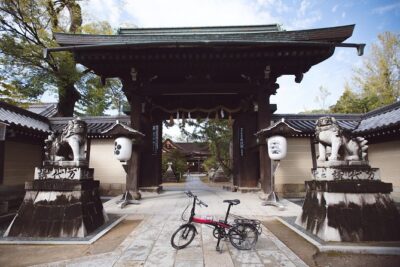
The first stop is Kitano Tenmangu Shrine, where the guide introduces you to Sugawara no Michizane, the figure connected with learning and scholarship. This gives the tour an early chance to explain how Japanese religious sites work, rather than simply pointing out a gate and sending you on.
You will have about 30 minutes at the shrine, with admission included. In early spring, the shrine’s roughly 1,000 plum trees add a memorable seasonal touch. The blossoms are a highlight, but the stop still has value outside blossom season because it sets up the cultural and historical context for the temples that follow.
Your guide may also explain traditional customs and how to take part respectfully. Small offerings, prayer candles, and other actions can require coins, so keep some low-value yen available if you want to participate. These small moments make the visit more useful than a quick photo stop.
Thirty minutes passes quickly. If you like to linger at shrines, photograph every detail, or shop around the grounds, you may want more time than the schedule allows. The tradeoff is that the tour has several major sights to cover.
Kinkaku-ji and Kyoto’s most famous reflection
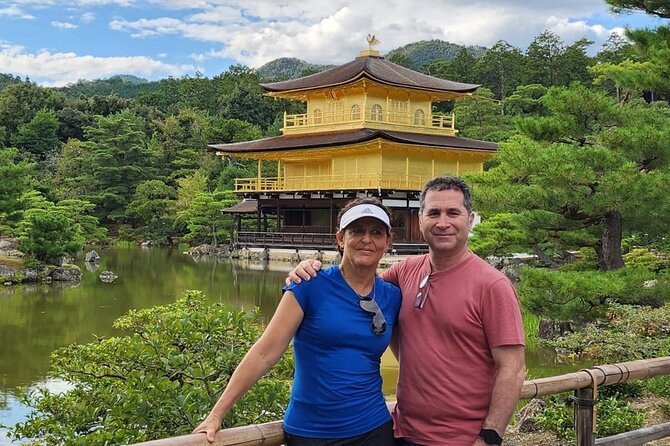
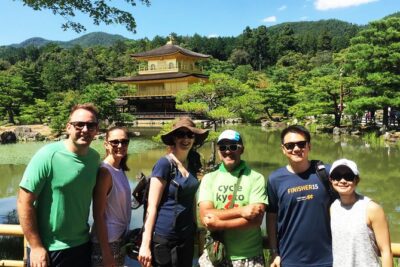
Kinkaku-ji, the Golden Pavilion, receives about 45 minutes. Its gold-leaf exterior reflects over the pond, creating one of Kyoto’s most recognizable views. The setting is polished and highly visited, but it earns its place on a first Kyoto visit.
A guide can help turn the pavilion from a famous picture into a place with a story. The tour description points to the temple’s origins and history, while the walking route lets you see the pavilion in relation to its pond and gardens.
Crowds are the main issue. Kinkaku-ji can feel packed, and you should not expect a quiet private viewing. The advantage of arriving with a guide is that you receive context without having to work out the site on your own, then continue before the crowds consume the whole day.
The 45-minute visit is enough for the principal view and a walk through the grounds. It is not enough for a slow, detailed study of every garden feature. If Kinkaku-ji is your main Kyoto priority, plan a separate visit at a quieter time.
More Historic Bike Tours in Japan
- Kyoto: Fushimi Inari Shrine and Tofukuji Temple E-Bike Tour
★ 5.0 · 75 reviews - 4.5-hr Kyoto Historical Highlights Bike Tour with UNESCO
★ 4.7 · 13 reviews - 5-Hour Osaka Bike Tour to the Neighborhood of Osaka Castle
★ 5.0 · 319 reviews - Half-day Himeji Castle Town Bike Tour with Lunch
★ 5.0 · 81 reviews
Riding toward Arashiyama
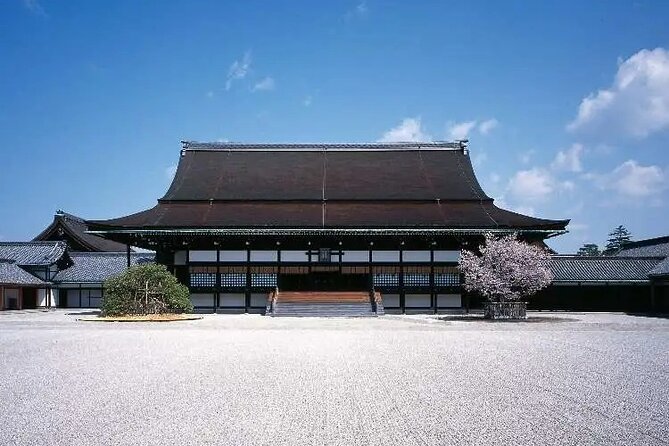
The spaces between the stops are part of the appeal. Instead of teleporting from one attraction to the next, you pass through Kyoto streets and see how the city changes from central neighborhoods to the western side.
The guides receive repeated praise for explaining street crossings and Japanese cycling rules. George, in particular, is described as careful about safety, while Jody, Pohan, Diego, Jorge, and Benjamin are praised for making the route informative and friendly. Guides may also adjust the order of the day if rain or snow affects comfort.
The ride is not meant to be a race. The small group helps the guide keep everyone together, and on some tours two guides have ridden at the front and back. Still, you should stay alert and follow instructions at intersections.
The route also includes a lunch break. Food is not included in the $99.49 tour price, and some groups have stopped at a ramen restaurant or a food court with many choices. Bring cash in yen because at least one lunch location is cash-only. If you have dietary needs, tell the guide early. One guide was specifically praised for helping a group manage different lunch requirements.
Walking the Arashiyama Bamboo Forest
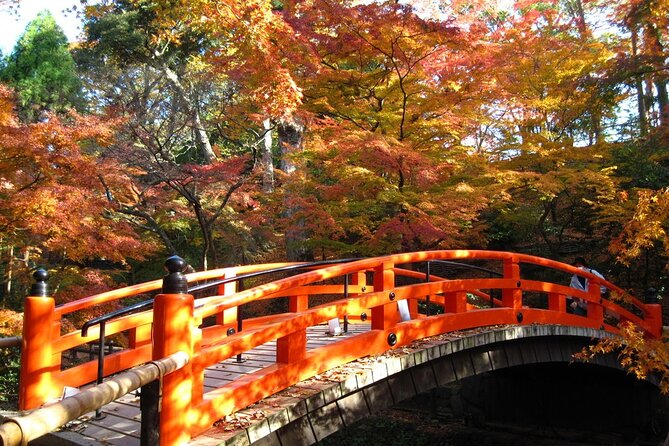
The Bamboo Forest Trail is one of the day’s most atmospheric stops. You leave the bike and walk beneath tall bamboo stalks, where the narrow path and filtered light create a sharp change from Kyoto’s streets.
The scheduled visit lasts about 45 minutes. That is enough to walk through the main section and take photographs, but it is not a long wilderness outing. The path can be crowded, so keep your expectations realistic. The appeal is the sight itself, not solitude.
This stop also shows why the tour is not simply an e-bike excursion. You cannot appreciate the bamboo from a saddle. You need to walk, pause, look up, and allow other people to pass.
The guide may give you choices about where to finish the walk in Arashiyama. One group also visited the Kimono Garden afterward. These details can vary with timing, weather, and the group’s pace, so treat them as useful flexibility rather than a guaranteed extra stop.
Tenryu-ji and one of Kyoto’s finest gardens
Tenryu-ji follows the bamboo forest, with about 45 minutes set aside for the temple and garden. The garden is the main reason to pay attention here. It gives you a calmer, more composed setting after the narrow bamboo path and busy Arashiyama streets.
Tenryu-ji has been a UNESCO World Heritage Site since 1994. Your guide can explain its place in Kyoto’s religious and cultural story, as well as the customs connected with Japanese temples.
The stop involves walking, and that matters if you expected the e-bike to spare your feet. By this stage, you may already have walked through Kitano Tenmangu, Kinkaku-ji, and the bamboo forest. Wear shoes that can handle several hours on temple paths.
The day ends back at the bike shop rather than at Tenryu-ji. That return ride is useful if you need your transport plans to remain simple, but it also adds more time on the road after the final temple.
What the $99.49 price buys you
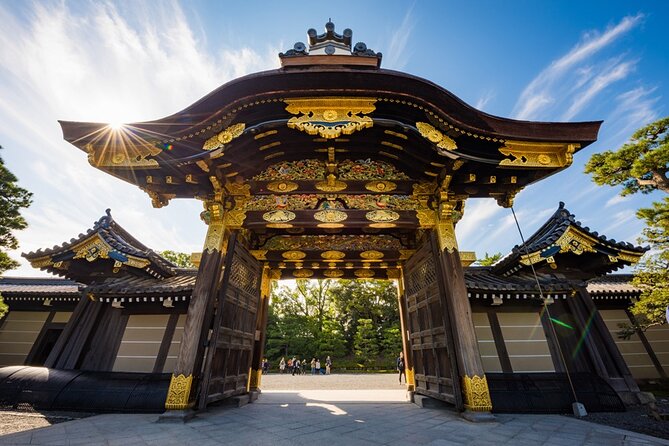
At $99.49 per person, this is not the cheapest way to see Kyoto. You could visit individual temples on your own for less, and public transportation costs less than a guided e-bike day.
The value is in the combination. You receive a bike, helmet, water, a small group, a guide, and a route that joins four well-known sights spread across the western and northwestern parts of Kyoto. You also avoid having to plan the order, work out the cycling route, or interpret each shrine and temple alone.
The price makes more sense if you have limited time in Kyoto. One six-hour outing checks off major sights while giving you a look at neighborhood streets and local food. It also works well early in a trip because the guides often share practical information about customs, food, and getting around Japan.
It makes less sense if you prefer a slow visit to one or two temples. You will spend much of the day moving, and the scheduled time at each stop is limited. The tour also does not include lunch, so add that cost and carry yen.
Guides who shape the day
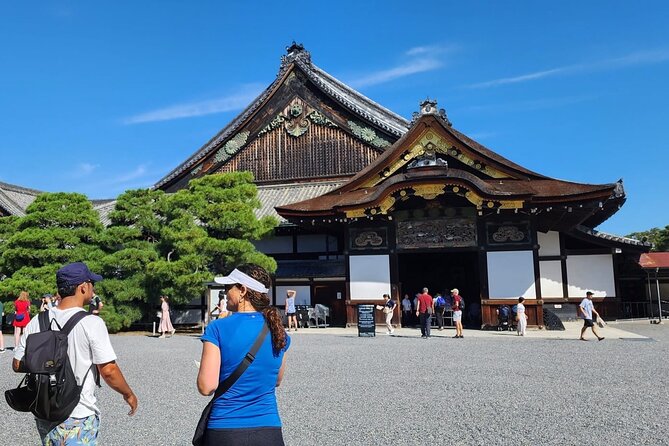
The guides are a major part of the experience. Jody is praised for humor, patience, and clear explanations of Japanese culture. Pohan is described as friendly and adaptable, including during snow and rain. Diego receives strong praise for making the history accessible and keeping the day fun.
George is noted for giving careful safety guidance and explaining the rules of riding in Kyoto. Jorge and Benjamin are also praised for their energy, humor, and ability to answer questions. The exact guide depends on the date, so you should not book expecting one named person unless the operator confirms it.
What matters most is the guide’s role in connecting the stops. A temple can be beautiful without explanation, but the day becomes more useful when you understand why people pray there, what customs mean, and how the site fits into Japanese culture.
Who should book this Kyoto tour?
I would choose this tour if you want to see a lot in one day, enjoy active sightseeing, and feel comfortable on a bicycle in city traffic. It is a particularly good match for couples, families with older children, and visitors with limited time.
The group size helps families and solo visitors meet other people without the feel of a large bus excursion. The guides also appear willing to adjust the pace or order when weather causes trouble.
I would hesitate if you dislike riding near cars, buses, and pedestrians. I would also hesitate if you want long, quiet visits at each temple, or if six hours of mixed cycling and walking sounds tiring.
Bring comfortable shoes, water beyond the supplied bottle if you prefer more, low-value coins for shrine customs, and cash for lunch. Follow the cycling briefing closely. The tour is free to cancel up to 24 hours before departure for a full refund, but changes or cancellations inside that window are not accepted.
Should you book the Historical Kyoto E-Bike Tour?
Book it if your goal is to cover Kyoto efficiently while still seeing the city at street level. The combination of e-bike travel, major temples, the bamboo forest, local lunch, and strong guide support gives you more than a simple sightseeing transfer.
Skip it if you are an unsteady city cyclist or want a quiet, unhurried temple day. For everyone else, the $99.49 price is reasonable for a five to six-hour guided route with equipment and a small group. Just remember the key detail: the motor helps with the cycling, but this is still an active day with plenty of walking.
FAQ
How long does the Historical Kyoto E-Bike Tour last?
The experience lasts approximately five to six hours. The time includes cycling between locations, walking at the sights, and a lunch break.
What sights are included?
The route includes Kitano Tenmangu Shrine, Kinkaku-ji Temple, the Arashiyama Bamboo Forest, and Tenryu-ji Temple.
Are e-bikes and helmets provided?
Yes. An e-bike and helmet are included, along with a bottle of water.
How many people can join the tour?
The tour has a maximum of eight participants.
Is lunch included in the price?
No. Lunch is part of the day, but you pay for your own food. Bring Japanese yen because the lunch restaurant may be cash-only.
Where does the tour start and finish?
It starts at Memory Kyoto Bike Tour at 8-6 Umaryo-cho, Nishikyo Nakagyo-ku, Kyoto. The tour ends back at the same meeting point.
Can I cancel for a full refund?
Yes, if you cancel at least 24 hours before the experience start time. Cancellations or changes made less than 24 hours before departure are not refunded or accepted.
More Historic Bike Tours in Kyoto
- Historical Singapore Bike Tour on Full-Sized Bicycles
★ 5.0 · 1,421 reviews - Barcelona: 2.5-Hour Bike or E-Bike Historical Tour
★ 4.5 · 1,262 reviews - Asheville Historic Downtown Guided Electric Bike Tour with Scenic Views
★ 5.0 · 1,234 reviews - Krakow: Bike Tour of Old Town, Jewish Quarter and the Ghetto
★ 4.9 · 1,155 reviews
More E-Bike Tours in Kyoto
- Kyoto: Hidden Gems E-Bike Tour with Local Japanese Guide
★ 4.9 · 189 reviews - Arashiyama Bamboo Forest E-Biking Tour
★ 5.0 · 183 reviews - Best of Kyoto: Ginkakuji & Path of Philosophy E-Bike Tour
★ 4.9 · 79 reviews - Kyoto: Hidden Gems E-Bike Tour Through Backstreets & Temples
★ 4.9 · 54 reviews
New rides added around Kyoto
- Kyoto: Tailored E-Bike Tour to Highlights & Hidden Gems★ 4.9 · 32 reviews
- Best of Kyoto: Ginkakuji & Path of Philosophy E-Bike Tour★ 4.9 · 79 reviews
- Kyoto: Hidden Gems E-Bike Tour with Local Japanese Guide★ 4.9 · 189 reviews
- Kyoto: Memory Kyoto E-Bike Tour★ 4.8 · 297 reviews
- Kyoto: Hidden Gems E-Bike Tour Through Backstreets & Temples★ 4.9 · 54 reviews
- Kyoto: Half-day Guided Bike Tour with Fushimi Inari★ 4.9 · 21 reviews
- Kyoto: Early Bird E-Bike Tour with Lunch★ 5.0 · 14 reviews
- Kyoto: Full-Day City Highlights Bike Tour with Light Lunch★ 5.0 · 52 reviews
Kyoto Bike Tours, compared.
Arashiyama Bamboo Forest & Hidden Gems Bike Tour (Early Bird)
Read our review →
5 Top Highlights of Kyoto Full Day Bike Tour (E-bike option)
Read our review →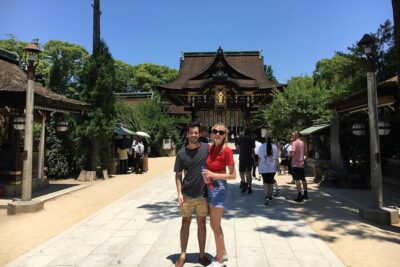
Full Day Biking Tour Exploring the Best of Kyoto
Read our review →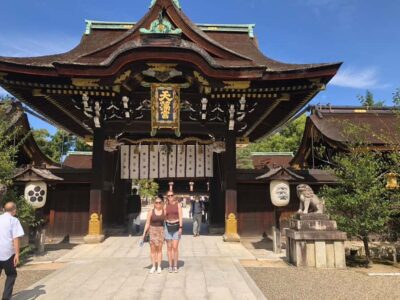

Afternoon Kyoto Bike Tour: Bamboo Forest, Monkeys & Hidden Spots
Read our review →
Hidden Gems E-Bike Tour with Local Japanese Guide
Read our review →Browse the lists this tour appears in