
Review · TOKYO
Tokyo Great Cycling Tour
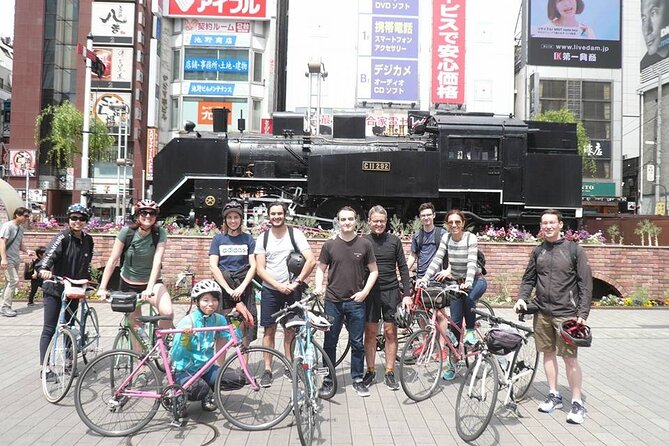
Tokyo reveals itself differently from a bike seat. In six hours, you can link the Tsukiji Jogai Market, Zojo-ji Temple, Meiji Jingu Shrine, and Imperial Palace without spending much of the day underground or waiting in traffic. The small group, capped at 12, also gives the ride a friendly, personal feel.
I like the efficient route and the mix of old and new Tokyo. You move from market streets to temple grounds, fashionable neighborhoods, a cemetery, and major government sights in one outing. I also like the practical care built into the tour: guides such as Toshi, Nick, and Naoko focus on safety, route choices, and keeping riders comfortable. The main catch is the six-hour physical demand, especially in hot weather or if you are not used to riding in city streets.
Key points to know before booking
- A six-hour route covers four major Tokyo sights: Tsukiji Jogai Market, Zojo-ji Temple, Meiji Jingu Shrine, and the Imperial Palace.
- The group is limited to 12 people, which allows more direct help from the guides.
- The route mixes Tokyo’s past and present, including a Buddhist temple beside Tokyo Tower and a Shinto shrine in the city’s most famous green setting.
- A route change may be possible: one hot-weather ride replaced a picnic with lunch at an izakaya.
- You need moderate physical fitness and should be comfortable riding for much of the day.
- The tour begins and ends in Shinkawa at 9:00 a.m., with free cancellation up to 24 hours before departure.
Why a bike works so well in Tokyo
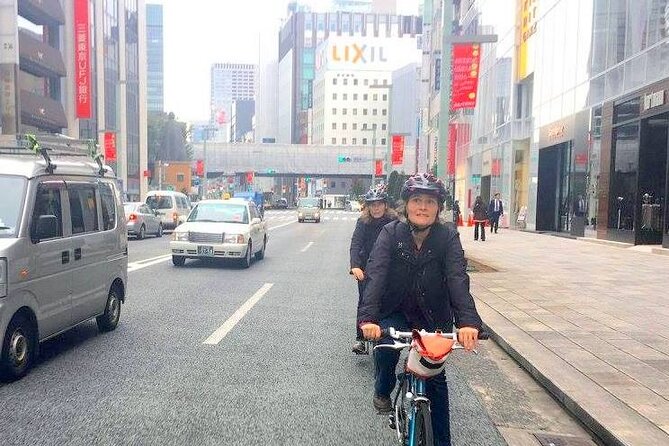
Tokyo is huge, and its famous sights are spread across several districts. Walking between them takes time. A bus can cover the distance, but it often leaves you looking at the city through glass and stopping only at the standard points.
A bicycle gives you a useful middle ground. You cover ground quickly, yet you remain close to street life. You can pass from a busy market area to a quiet temple precinct, then continue through office districts and fashionable neighborhoods. The route also reaches places that a large coach cannot.
I see this as a good first or second day activity in Tokyo. You get a broad sense of the city’s layout, then can return later to the areas that caught your interest. The tour does not replace a slow visit to each shrine or temple, but it gives you a strong overview without making Tokyo feel like a checklist.
The small-group limit matters. With no more than 12 riders, the guide can keep an eye on the group and answer questions without shouting across a crowd. Toshi, Nick, and Naoko are among the guides associated with the tour, and the supplied ride details place clear emphasis on safety and rider welfare.
More bike tours around Japan:
- Hidden Kyoto E-Biking tour
★ 5.0 · 1,843 reviews - Tokyo Guided Small-Group Biking Tour
★ 5.0 · 1,250 reviews - Bike Tour Exploring North Kyoto plus Lunch
★ 5.0 · 1,087 reviews
Starting at Tsukiji Jogai Market
The 9:00 a.m. start takes place at Tokyo Great Tours, 1-chōme-3-2 Shinkawa in Chuo City. From there, the route heads toward Tsukiji Jogai Market, the outer market area that remains active after the former inner market moved to Toyosu.
You have about 15 minutes here. That is enough to see the market atmosphere and get a sense of its role in Tokyo’s food culture, but not enough for a long shopping session or a detailed food crawl. Treat this stop as an introduction rather than the main event.
The market can feel crowded with shoppers and sightseers, so your bicycle gives you an efficient way to approach the area, but you should expect to walk the bike in places if conditions require it. The free admission keeps this stop simple: you are paying for the guided route and access to the wider day, not for a separate market ticket.
This is also a useful early stop because it puts Tokyo’s daily life ahead of the grand monuments. You see a working commercial district before moving into the city’s religious and imperial landmarks.
Zojo-ji Temple and Tokyo Tower
The next major stop is Zojo-ji Temple, an old Buddhist temple with Tokyo Tower rising behind it. The contrast is one of the clearest visual pairings in the city: traditional religious architecture in the foreground, a modern tower and high-rise Tokyo beyond it.
You have roughly 15 minutes here. That short visit works well for photographs and a quick look at the temple grounds, though it will not allow a long study of the site or a relaxed spiritual visit. If Zojo-ji is high on your personal list, plan to return on your own with more time.
This part of the route shows why a bicycle is useful. You are not simply jumping between isolated attractions. You are moving through the changing texture of Tokyo, from older religious buildings toward districts filled with expensive apartments, offices, and shopping streets.
The temple also provides a good pause in the riding day. You can step away from traffic, listen to the guide’s explanation, and see how Tokyo places historic buildings beside modern construction without separating them into different parts of town.
High-rises, expensive apartments, and a city cemetery
Between the headline stops, the tour passes areas with tall apartment buildings, shopping centers, and office towers. This part may sound less famous, but it gives you a better sense of how Tokyo works as a lived-in city.
You also pass a cemetery located in the middle of fashionable districts. That contrast is worth noticing. Tokyo does not always hide its older spaces behind a tourist boundary. Cemeteries, shrines, temples, offices, and luxury housing can sit close together, creating a city that changes character from block to block.
There are no separate admission fees or long formal visits listed for these sections. Their value comes from the movement between major sights. You get the background that a point-to-point taxi ride would miss.
This is where the guide’s local explanation can make the biggest difference. Without context, a cemetery or apartment district may seem like scenery between stops. With a guide, those transitions help explain Tokyo’s neighborhoods and the way old and new uses share limited urban space.
Same wheels, a different route:
- Tokyo Top Highlights 3h Guided E-bike Tour
★ 5.0 · 714 reviews - 3h Tokyo E-Bike Tour: Hidden Gems, and Local Life with guide
★ 5.0 · 670 reviews - Arashiyama Bamboo Forest & Hidden Gems Bike Tour (Early Bird)
★ 5.0 · 613 reviews - Hiroshima in a Nutshell: Morning Bike Adventure
★ 5.0 · 524 reviews
Meiji Jingu Shrine and the quieter side of the capital
Meiji Jingu is Tokyo’s most popular Shinto shrine, and the tour allows about 20 minutes here. That is the longest scheduled stop among the main sights, which makes sense. The shrine is a major cultural site and deserves more than a quick photograph.
You can expect a change in mood from the commercial and office districts. The shrine offers a calmer setting within a massive capital city, with a strong sense of ceremony and tradition. The supplied details do not promise a specific ritual or event, so think of this as a guided visit and orientation rather than a guaranteed special ceremony.
Twenty minutes is enough for a meaningful first look, but it remains a compact visit. You will not have time to explore every path or linger at length. If you want a slow shrine visit, note the location and return another day.
The cycling route makes Meiji Jingu especially useful as part of a larger day. You see it alongside Tsukiji and Zojo-ji, so you can compare different parts of Tokyo’s religious and commercial life instead of spending the entire day in one district.
The Imperial Palace and Tokyo’s political center
The route also stops at the Imperial Palace, where the Emperor and Empress live. You have about 15 minutes here, so expect an outside orientation and a chance to take in the setting rather than a palace interior tour.
This stop works best for understanding Tokyo’s formal center. After markets, temple grounds, shrines, residential towers, and commercial streets, the palace gives the day another layer: the national institution at the heart of the capital.
As with the other stops, admission is listed as free. That keeps the day focused on movement, explanation, and views rather than ticketed indoor attractions. If you want a long palace-area walk, you will need to return separately.
The short stop also protects the rhythm of the cycling day. You continue seeing new districts instead of spending too long at one location. For a first look at Tokyo, that trade-off is sensible. For a palace specialist, it may feel brief.
What six hours on a bike really means
The tour lasts about six hours, which is a substantial block of your day. You are not cycling nonstop for six hours, since the route includes stops and guide commentary, but you should still expect regular riding and time in the saddle.
The operator asks for a moderate level of physical fitness. That is the clearest practical warning. If you can ride a bike comfortably and manage a full morning and afternoon of urban movement, the format should suit you better than a walking tour that covers the same distance.
Weather matters. One particularly hot ride changed a planned picnic into lunch at an izakaya, a practical adjustment that shows the day can respond to conditions. Still, do not book this as a carefree indoor activity. Heat, rain, and general fatigue can affect the experience, and poor weather may lead to cancellation.
I would choose light clothing suited to the season and leave room in your day after the tour. The provided information does not specify bike sizes, helmet arrangements, luggage storage, or a detailed meal plan, so ask the operator about those points if they matter to you.
The value of the $99.49 price
At $99.49 per person, this is not the cheapest way to see Tokyo. You can visit many of these areas independently using public transportation and pay little or nothing to enter the major sites.
The value comes from the route design and the time saved. You are not working out the transfers between Tsukiji, Zojo-ji, Meiji Jingu, and the Imperial Palace. You also receive a guide’s help with the city’s history and culture while moving through neighborhoods that are easy to miss on a standard sightseeing loop.
The maximum group size of 12 improves that value. A large group can make a bike tour feel slow and impersonal. Here, the guide has a better chance of monitoring the group, helping with route decisions, and responding to individual needs.
I would call the price fair for a visitor who wants a broad Tokyo introduction and enjoys cycling. It is less compelling if you dislike bikes, prefer long museum visits, or already know the city well. You are paying for access, structure, and local explanation, not for expensive admissions.
The tour is often booked well ahead, with an average booking time of 46 days. That does not mean you must book exactly that early, but it is a useful sign for anyone visiting during a busy season. The confirmation is sent within 48 hours, subject to availability.
Who will enjoy this ride most
I would choose this tour if you want to see many sides of Tokyo in one day and are happy to trade depth at each stop for range across the city. First-time visitors gain the most because the route creates a mental map of several important districts.
It also suits families with older children, couples, solo riders, and friends who want an active day. One ride included a parent and son, and the guides were able to keep the experience safe and enjoyable for them. That does not guarantee the same pace for every group, but it shows how the format can work for different ages within the moderate-fitness requirement.
You should think twice if you are uncomfortable riding in an urban setting, need a fully relaxed pace, or want guaranteed time inside attractions. The tour is about seeing Tokyo from the street and connecting places by bike. It is not a temple study tour, palace interior visit, or market food tour.
Booking, weather, and cancellation details
The activity uses a mobile ticket and starts at 9:00 a.m. at the Shinkawa meeting point. It returns to that same meeting point, so you should allow time to get back to your hotel or your next booking after the six-hour schedule.
You can cancel for a full refund up to 24 hours before the local start time. Changes or cancellations inside that 24-hour window are not accepted for a refund.
The experience requires suitable weather and a minimum number of participants. If poor weather or insufficient enrollment cancels the ride, you are offered another date or experience, or a full refund.
Should you book the Tokyo Great Cycling Tour?
Book it if you want a fast, active introduction to Tokyo and value seeing neighborhoods between the famous sights. The combination of Tsukiji, Zojo-ji, Meiji Jingu, and the Imperial Palace gives you a strong cross-section of the city, while the 12-person limit keeps the day manageable.
I would skip it if you want a slow, detailed visit at each stop or if six hours of urban cycling sounds tiring. For the right rider, though, $99.49 buys more than transport. It buys a carefully linked day, local guidance, and a view of Tokyo that is difficult to get on foot.
FAQ
How long is the Tokyo Great Cycling Tour?
The tour lasts approximately six hours, including cycling and stops at the main sights.
What time does the tour start?
It starts at 9:00 a.m.
Where does the tour begin?
The meeting point is Tokyo Great Tours at 1-chōme-3-2 Shinkawa, Chuo City, Tokyo 104-0033, Japan.
Where does the tour end?
The activity ends back at the meeting point in Shinkawa.
How many people can join the tour?
The tour has a maximum of 12 participants.
What sights are included?
The route includes Tsukiji Jogai Market, Zojo-ji Temple, Meiji Jingu Shrine, and the Imperial Palace. It also passes high-rise apartment, shopping, and office areas, along with a cemetery in a fashionable district.
How physically demanding is the tour?
A moderate level of physical fitness is required. You should be comfortable riding a bicycle for much of a six-hour activity.
Is admission included at the stops?
The listed stops have free admission. The supplied details do not identify a separate admission charge for the cycling activity.
Can I cancel for a full refund?
Yes. You can cancel at least 24 hours before the local start time for a full refund. Poor weather or failure to meet the minimum number of participants may also lead to a rescheduled date or full refund.
New rides added around Japan
- Osaka E-Bike Tour With A Local Guide★ 4.7 · 75 reviews
- Osaka: City Highlights Bike Tour★ 4.7 · 20 reviews
- Okinawa: Afternoon Cycling Tour with Local Guide★ 4.8 · 39 reviews
- Nara: City Highlights Shared Group or Private Bike Tour★ 4.9 · 34 reviews
- Nara: Bike Tour in Ancient Capital UNESCO World Heritage★ 5.0 · 43 reviews
- Naha: Guided E-Bike Tour of the 12 Zodiac Temples★ 4.9 · 50 reviews
- Kyoto: Tailored E-Bike Tour to Highlights & Hidden Gems★ 4.9 · 32 reviews
- Best of Kyoto: Ginkakuji & Path of Philosophy E-Bike Tour★ 4.9 · 79 reviews
Tokyo Bike Tours, compared.

3h Tokyo E-Bike Tour: Hidden Gems, and Local Life with guide
Read our review →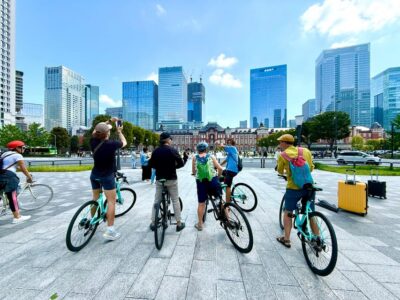
3-Hour Tokyo Private E-Bike Tour Starting from Your Hotel
Read our review →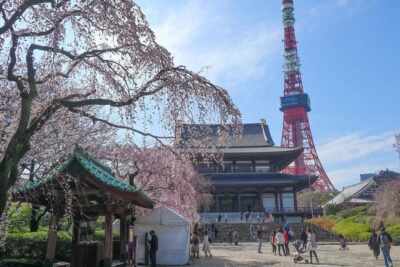
5-Hour Tokyo & Edo Hidden Gem Bike Tour with Lunch
Read our review →Browse the lists this tour appears in