
Review · KYOTO
Hidden Kyoto E-Biking tour
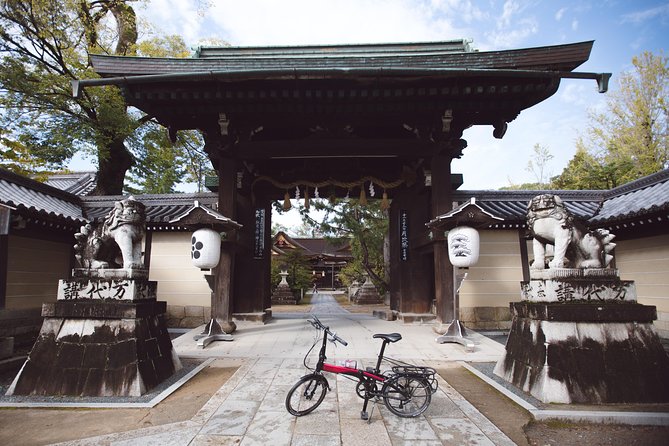
Kyoto’s best moments are often found between the famous temples, and this small-group e-bike ride is built around that idea. You visit Kinkakuji and Kitano Tenmangu, then pedal through quiet lanes, Zen gardens, and lesser-known temple grounds that are hard to reach on foot in one morning.
I like the easy electric bikes, which make hills and warm weather far less tiring. I also like the guides’ cultural depth, especially Yuta, Michael, Sean, Henry, and Shizuka, who have explained everything from Zen practice to geisha history and temple manners. The main drawback is that the tour can spend a lot of time listening to history, so it may feel slow if you want nonstop riding.
Key points to know before booking
- A calm route through northern Kyoto: See major sights while spending much of the ride on peaceful backstreets.
- Five notable stops: The route includes Kinkakuji, Daitokuji, Kitano Tenmangu, Koto-in, and Zuihoin.
- Electric assistance matters: The bikes make Kyoto’s hills manageable, even for riders who have not cycled in years.
- Strong cultural guiding: Yuta, Michael, Sean, Henry, and Shizuka have been praised for clear explanations of Zen, Shinto, Buddhism, geisha culture, and Japanese history.
- A compact group: The maximum is eight people, which allows the guide to keep an eye on the group.
- Plan for the weather: The ride requires good weather, and rain protection is useful if the forecast looks uncertain.
Why this e-bike tour shows you a different Kyoto
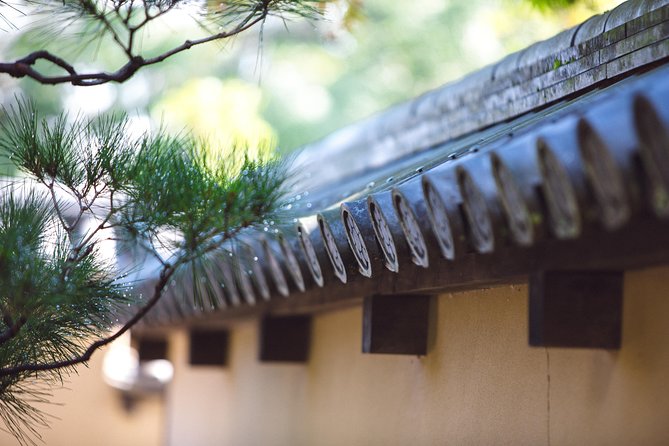
The standard Kyoto route can feel like a procession from one crowded sight to another. This ride takes a smarter approach. You still see a world-famous landmark, but you also spend time on quiet roads and in religious sites where the pace is calmer.
The route covers roughly 7 to 8 kilometers and lasts about 3 hours 45 minutes. That is enough time to make several stops without turning the morning into a race. You begin and finish at NORU Kyoto Bike Tours in the Kamigyo Ward, near public transportation.
I see the value in the combination. A walking tour might cover one or two temple areas in this time. A bus tour can move you farther, but it cannot slip into narrow neighborhood streets. On a bike, you get the connection between the sites. You see ordinary Kyoto along the way, not just the polished entrances of its most famous temples.
The tour is designed for riders age 13 and older. It is described as easy, but Kyoto is not entirely flat. Some riders have noted hills and steep descents, and the electric assistance helps a great deal. You still need to be comfortable controlling a bicycle, watching the road, and following the guide through city streets.
More E-Bike Tours in Japan
- 5 Top Highlights of Kyoto Full Day Bike Tour (E-bike option)
★ 5.0 · 511 reviews - Kyoto: Memory Kyoto E-Bike Tour
★ 4.8 · 297 reviews - Kyoto: Hidden Gems E-Bike Tour with Local Japanese Guide
★ 4.9 · 189 reviews
Starting at NORU with a simple bike setup
Arrive at least 15 minutes before departure. The available start times are 8:30 a.m., 9 a.m., 12:30 p.m., and 1 p.m. You receive a rental bike, helmet, and water, along with a short orientation before setting off.
The foldable bikes are electric, which is important here. You are not signing up for a punishing athletic ride. The motor support helps on inclines and reduces the effort needed between stops. People who had not cycled for many years have managed the route, and riders in their 60s have described the outing as very doable.
That said, do not treat the e-bike as an automatic ride. You still need to know how to brake, steer, and ride safely. The guide provides training, and the group size is capped at eight, but you should be honest about your cycling ability before booking.
The bicycles are one of the tour’s strongest practical features. Kyoto’s sights spread across a broad area, and an e-bike lets you cover ground without arriving at every temple tired and sweaty. On a warm or humid day, that extra help can make the difference between enjoying the afternoon and needing a long rest.
Kinkakuji: a famous start with a crowded edge
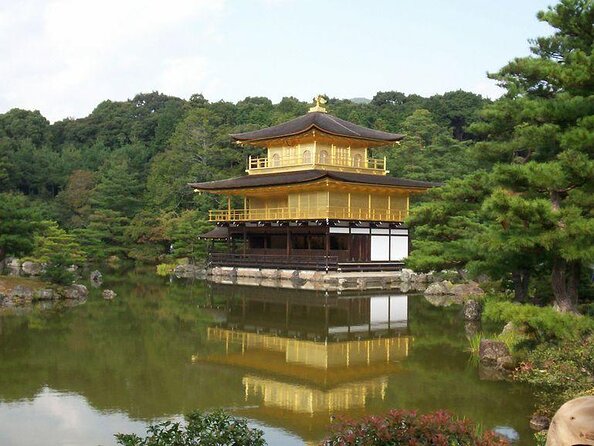
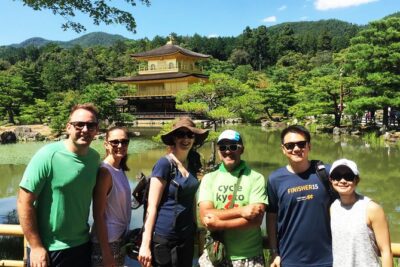
Kinkakuji, the Golden Pavilion, is the most recognizable stop on the route. Its gold-covered upper stories reflect in the pond, creating one of Kyoto’s classic views. The temple is UNESCO-listed and deserves its fame, but it is also the stop most likely to feel crowded.
That contrast is useful. You see the major sight early, then move away from the busiest part of Kyoto. The visit gives you the famous image without making the entire tour depend on it.
Do not expect a long private visit or an empty pavilion. This is a major Kyoto attraction, and the experience is shaped by its popularity. The value comes from placing it within a wider route, not from pretending it is an undiscovered place.
Daitokuji: a large temple complex with room to breathe
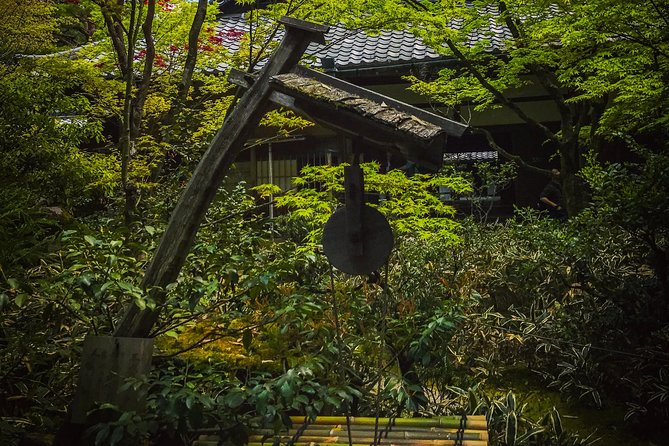
Daitokuji is a broad temple complex with a strong Zen connection. Rather than feeling like one single monument, it gives you a sense of Kyoto’s religious districts, where several temple spaces sit within a larger, quieter setting.
This is where the guide’s role becomes especially important. A good explanation can help you understand the difference between a temple, a shrine, Zen practice, and the customs you see at each site. Guides such as Yuta have explained Shinto and Buddhism in plain language, along with the proper manners for visiting religious places.
The complex also shows why a bicycle is helpful. You can move between areas without committing to a long walk, while still arriving at a pace that lets you notice walls, gates, gardens, and residential streets.
More E-Bike Tours in Kyoto:
- Arashiyama Bamboo Forest E-Biking Tour
★ 5.0 · 183 reviews - Historical Kyoto E-Bike Tour
★ 5.0 · 181 reviews - Best of Kyoto: Ginkakuji & Path of Philosophy E-Bike Tour
★ 4.9 · 79 reviews - Kyoto: Fushimi Inari Shrine and Tofukuji Temple E-Bike Tour
★ 5.0 · 75 reviews
Kitano Tenmangu: shrine traditions and local character
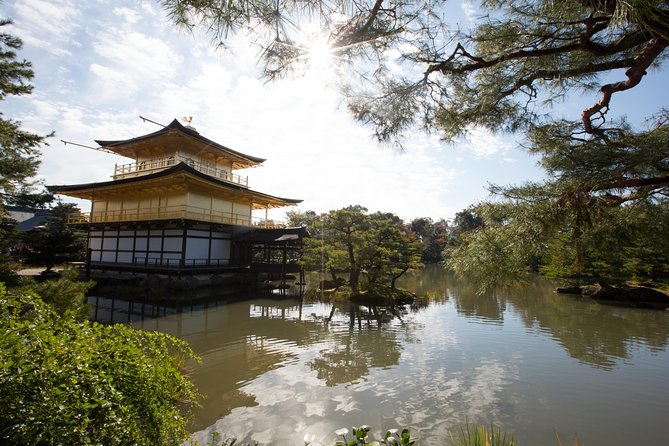
Kitano Tenmangu brings a different mood. It is a major Shinto shrine, and the visit gives you a chance to compare shrine traditions with the Buddhist temples earlier in the route.
Your guide may explain how to behave at the entrance, how Shinto and Buddhist sites differ, and how religious customs fit into daily life in Japan. These details are not just background facts. They help you read the place correctly and avoid treating a living religious site as a decorative photo stop.
The surrounding area also helps the tour shift away from the usual sightseeing circuit. You are still near one of Kyoto’s important attractions, but the route between stops uses quieter streets rather than keeping you inside the busiest visitor zones.
Koto-in: a quieter temple pause
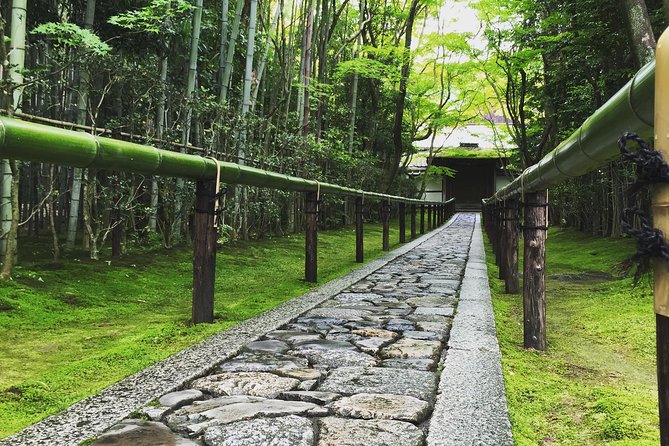
Koto-in is one of the stops that gives the tour its quieter character. It is associated with a refined garden setting and a more intimate scale than Kinkakuji.
This is a good point to slow down. Instead of trying to collect another landmark, you can pay attention to the relationship between architecture, trees, paths, and framed views. The experience depends partly on the season and weather, but the stop is designed to show a more restrained side of Kyoto.
Guides have used this part of the route to discuss Zen ideas and Japanese aesthetics. Yuta, in particular, has been praised for sharing his interest in Zen Buddhism. Michael has also been described as an engaging storyteller with a strong command of Japanese history.
One caution: the tour is not only about riding. At places such as Koto-in, you may spend a fair amount of time standing or sitting while the guide explains the site. That will suit you if you like context. If you prefer to explore silently and independently, the talking may feel too long.
Zuihoin and the value of a smaller stop
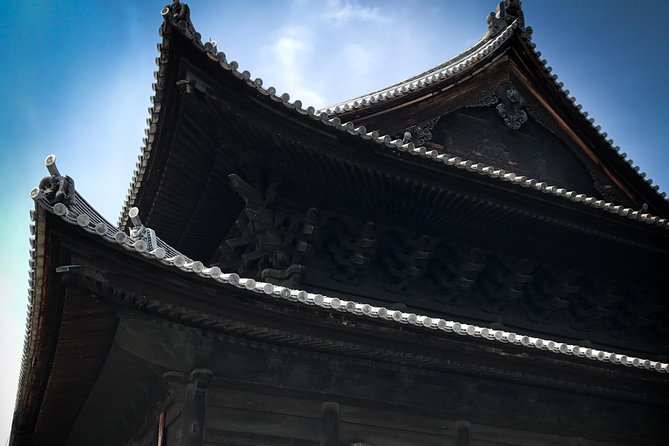
Zuihoin offers another look at Zen temple design. It is a smaller, more focused stop than the major landmarks, and that is precisely why it belongs on a tour called Hidden Kyoto.
The smaller temple spaces are where you can gain a better feel for how Kyoto’s religious sites work as places of thought and practice, not simply as scenic backdrops. The guide may connect the garden and buildings to Zen traditions, Japanese history, and local customs.
The route has also included a charming tea stop, with a story tied to a business that has continued for more than 1,000 years and 28 generations. Treat that as one of the tour’s memorable cultural touches rather than a guaranteed full meal or formal tea ceremony. Food and drinks are not included unless specifically stated, so budget separately for anything you purchase.
What the guides add to the ride
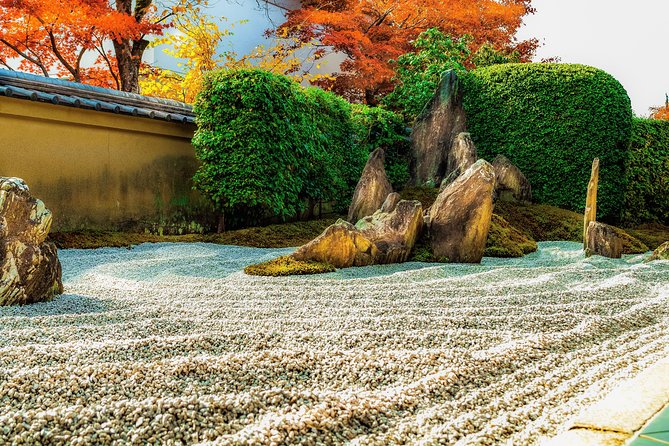
The guide can make or break a history-focused tour, and this experience has several named guides who have received strong praise for their style.
Yuta is known for clear English and lively explanations of Zen Buddhism, Shinto, Buddhist traditions, geisha and maiko culture, samurai history, and temple etiquette. He has also offered food and shopping suggestions after the ride.
Michael has been described as a superb storyteller and, in one case, a Japanese history teacher. His strength is connecting individual sites to larger events and traditions without losing the group’s interest.
Sean has been praised for answering questions, caring for the group in wet or cool weather, and offering useful restaurant suggestions. Henry brings long experience living in Japan and has been valued for his respect for Japanese culture. Shizuka has led small groups through temples, backstreets, and hilly sections of the route.
Your assigned guide will vary. The important point is that the experience is not simply a rental bike with a map. It is a guided cultural tour, and the quality of the explanation is a central part of what you are paying for.
How much value you get for $116
At $116 per person, this is not Kyoto’s cheapest way to see temples. You are paying for nearly four hours of guided time, a bike, helmet, water, a small group, and a route that connects major sights with places you might not find on your own.
The value is strongest if you want to cover more ground than walking allows and understand what you are seeing. An ordinary bike rental may cost less, but it does not provide route planning, temple context, safety support, or a guide who can explain customs and history.
The price is less attractive if you only want transportation between famous sights. You could visit Kinkakuji and Kitano Tenmangu independently for less, then spend as long as you like at each one. You would give up the backstreets, the smaller Zen sites, and the practical help of the guide.
The maximum group size of eight also matters. This is not a large bus excursion. A smaller group makes it easier to ask questions and lets the guide monitor riders on the road.
Who will enjoy the route most
I would recommend this tour to first-time visitors who want an early sense of how Kyoto fits together. It is also a smart choice for returning visitors who have already seen the main eastern and southern temple routes and want a calmer side of the city.
It suits you if you:
- Can ride a bicycle confidently
- Want cultural explanation along with sightseeing
- Prefer a small group
- Like quiet streets and less familiar temple spaces
- Want electric assistance on hills
- Are comfortable spending part of the tour listening to the guide
Families can consider it for children age 13 and older. The minimum age is 13, and one parent and a 13-year-old had a particularly positive experience. Younger children cannot join under the stated rules.
You should think twice if you dislike bicycles, have trouble riding in city streets, or want complete freedom to set your own pace. Anyone who chooses not to ride is not eligible for a refund.
Weather, timing, and useful planning tips
The tour requires good weather. If NORU cancels because of poor conditions, you receive the choice of another date or a full refund. If the ride goes ahead in light rain, bring your own raincoat or poncho and weatherproof gloves if you have them. Guides may provide some rain gear, but your own layers are the safer plan.
Morning departures are appealing in Kyoto because they leave your afternoon open and may help you avoid the strongest heat. The 12:30 p.m. and 1 p.m. options work well if you have a slower morning, but you should consider how the timing fits with temple visits later in the day.
Arrive early. If you miss the departure, there is no refund. Changes made less than 24 hours before departure are not accepted, and cancellations receive a full refund only when made at least 24 hours ahead. The same 24-hour rule applies to changes, so do not wait until the last minute if your plans are uncertain.
Should you book the Hidden Kyoto E-Biking tour?
Book it if you want Kyoto to feel like a city rather than a checklist of temples. The electric bike solves the distance problem, the group stays small, and the route combines Kinkakuji and Kitano Tenmangu with Daitokuji, Koto-in, Zuihoin, quiet lanes, and Zen-focused explanations.
I would skip it if you are not comfortable on a bicycle or if long guide talks test your patience. For everyone else, especially first-time visitors and people who want a calmer cultural outing, $116 is a fair price for the time, equipment, and access to a side of northern Kyoto that is easy to miss.
FAQ
How long is the Hidden Kyoto E-Biking tour?
The experience lasts approximately 3 hours 45 minutes. The cycling route is described as roughly 7 to 8 kilometers.
What places does the tour visit?
The listed stops are Kinkakuji Temple, Daitokuji Temple, Kitano Tenmangu Shrine, Koto-in, and Zuihoin.
Are the bike and helmet included?
Yes. The tour includes a rental bike, rental helmet, water, and an English-speaking route coordinator.
What is the minimum age?
The minimum age is 13.
Where does the tour begin and end?
The tour starts at NORU Kyoto Bike Tours, 429-22 Takigahanacho, Kamigyo Ward, Kyoto. It ends back at the same meeting point.
Can I cancel for a full refund?
Yes, if you cancel at least 24 hours before the experience start time. Cancellations made less than 24 hours before departure are nonrefundable. If poor weather causes NORU to cancel, you will be offered another date or a full refund.
New rides added around Kyoto
- Kyoto: Tailored E-Bike Tour to Highlights & Hidden Gems★ 4.9 · 32 reviews
- Best of Kyoto: Ginkakuji & Path of Philosophy E-Bike Tour★ 4.9 · 79 reviews
- Kyoto: Hidden Gems E-Bike Tour with Local Japanese Guide★ 4.9 · 189 reviews
- Kyoto: Memory Kyoto E-Bike Tour★ 4.8 · 297 reviews
- Kyoto: Hidden Gems E-Bike Tour Through Backstreets & Temples★ 4.9 · 54 reviews
- Kyoto: Half-day Guided Bike Tour with Fushimi Inari★ 4.9 · 21 reviews
- Kyoto: Full-Day City Highlights Bike Tour with Light Lunch★ 5.0 · 52 reviews
- Kyoto: Full Day Bike Tour★ 4.9 · 39 reviews
Kyoto Bike Tours, compared.
Arashiyama Bamboo Forest & Hidden Gems Bike Tour (Early Bird)
Read our review →
5 Top Highlights of Kyoto Full Day Bike Tour (E-bike option)
Read our review →
Full Day Biking Tour Exploring the Best of Kyoto
Read our review →
Afternoon Kyoto Bike Tour: Bamboo Forest, Monkeys & Hidden Spots
Read our review →
Hidden Gems E-Bike Tour with Local Japanese Guide
Read our review →
Browse the lists this tour appears in