
Review · KYOTO
4.5-hr Kyoto Historical Highlights Bike Tour with UNESCO
Kyoto’s best moments are often found between its famous sights, and this small-group bike tour lets you connect them at street level. You’ll ride the Kamo River, pass through Gion, study Zen gardens at Kennin-ji, and reach Nanzen-ji without spending the day waiting for buses. I especially like the mix of temple time and easy cycling, plus the traditional-house lunch with soba, matcha, and mochi.
The tour also earns points for its human scale: no more than five people, an English-speaking guide, and guides such as Woohee, Tobu, and Karin who have helped make the outing personal and informative. The main caution is practical: Kyoto can be hot, the meeting spot outside Kyoto Station can be confusing, and one past participant found a soft-spoken guide hard to hear while riding.
Key points to know before booking
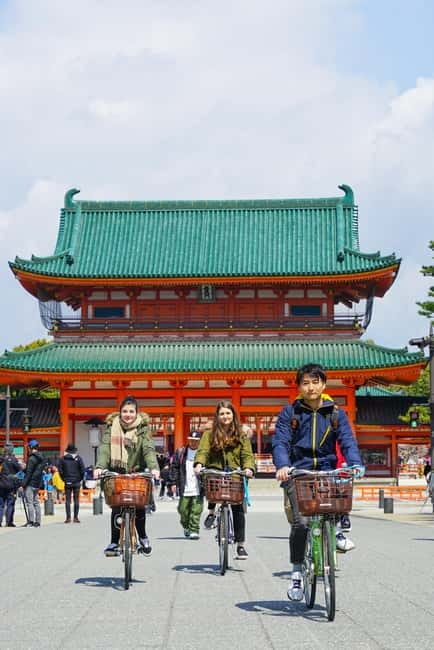
- The ride links major sights with local streets: You cycle from the Kamo River to Gion, Kennin-ji, Nanzen-ji, and Heian Shrine.
- Kennin-ji gives you a proper Zen temple visit: Allow 75 minutes for its buildings, grounds, and Karesansui rock garden.
- Lunch is part of the price: Expect local soba dishes and Japanese sweets at a traditional house, with vegetable and vegan options available, though fish stock is still used.
- The group is limited to five people: This gives your guide room to answer questions and adjust the pace when possible.
- The ride is designed for ordinary cyclists: You do not need advanced cycling skills, but you must follow Japanese traffic rules and be at least 150 centimeters tall.
- The price covers the useful basics: At $96 per person, you get the bicycle, helmet, lock, bike insurance, lunch, Kennin-ji entry, and tour photos.
Why Kyoto works so well by bicycle
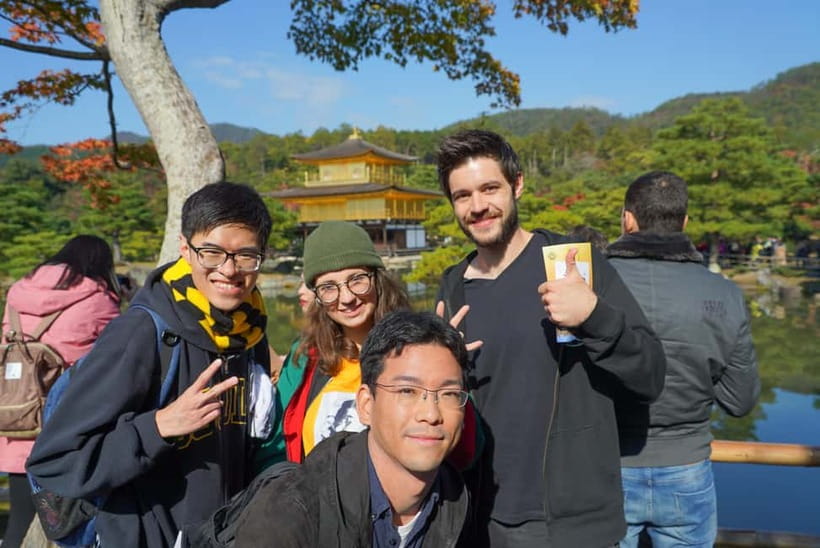
Kyoto is large and busy enough to make sightseeing tiring, yet many of its best routes feel quiet once you leave the main roads. A bicycle helps you cover more ground than walking while keeping you close to the streets, rivers, wooden houses, and temple entrances that give the city its character.
This is not a racing tour. The schedule leaves time to stop at the temples, listen to explanations, eat lunch, and take pictures. The cycling sections connect the main visits rather than serving as a workout. That makes the tour a good fit if you want a change from public transport and do not want to spend a full day on a bicycle.
You meet in front of the 7-Eleven outside Exit Hachijo guchi at Kyoto Station, next to Hotel Via Inn Prime. Look for the guide holding a Magical Trip sign. Give yourself a little extra time here. The station is large, and the meeting location can take a moment to find.
The group limit of five is one of the strongest features. Your guide can explain a temple detail without shouting across a crowd, and you can ask about places to visit later in your trip. English is the tour language.
More City Bike Tours in Japan
- 5 Top Highlights of Kyoto Full Day Bike Tour (E-bike option)
★ 5.0 · 511 reviews - Kyoto: Full-Day City Highlights Bike Tour with Light Lunch
★ 5.0 · 52 reviews - Kyoto: Tailored E-Bike Tour to Highlights & Hidden Gems
★ 4.9 · 32 reviews
Starting beside the Kamo River
The first ride follows the Kamo River for about 15 minutes. This is a calm way to get used to the bicycle and the city before the temple visits begin.
The riverbanks are a favorite local resting place, and you’ll see why Kyoto residents come here for fresh air and a quiet break. The route also gives you an early look at the city’s unusual balance: a major urban area with a peaceful riverside at its center.
Do not expect a long river excursion at this stage. The stop is brief, but it sets the tone for the rest of the morning. You’ll have another chance to enjoy the river at the end, after lunch, when the ride becomes more relaxed.
Gion and the world around Kennin-ji
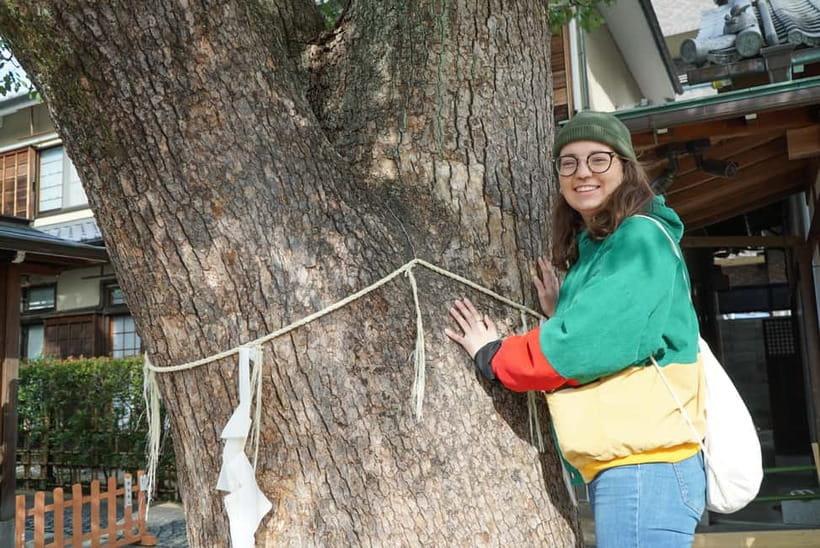
From the river, the tour moves toward Gion, Kyoto’s best-known traditional district. Your guide explains the area’s connection with geisha culture and points out how this part of the city fits into Kyoto’s older identity.
The point is not simply to photograph a pretty street. Gion helps you understand the setting in which tea houses, entertainers, temples, and formal Japanese customs developed. Listen closely to the guide here, because the cultural explanation gives more meaning to what you see later at Kennin-ji.
Kennin-ji receives about 75 minutes, enough time for a real visit rather than a quick look at the entrance. It is a Zen temple in the Gion district, and the focus turns from Gion’s entertainment culture to Zen practice and design.
The Karesansui rock garden is a highlight. Its arrangement of rocks and gravel asks you to slow down and look rather than simply collect another photograph. The temple visit also gives your guide room to explain Zen ideas in a setting where those ideas are visible in the buildings and garden.
This is one of the places where the quality of the guide matters most. Woohee was praised for explaining cultural ideas clearly, while Tobu helped connect Kyoto’s temple and Shinto traditions for a family with teenagers. Guides vary, of course, but the small group gives you a good chance to ask for clarification.
Cycling through Kyoto’s quieter side
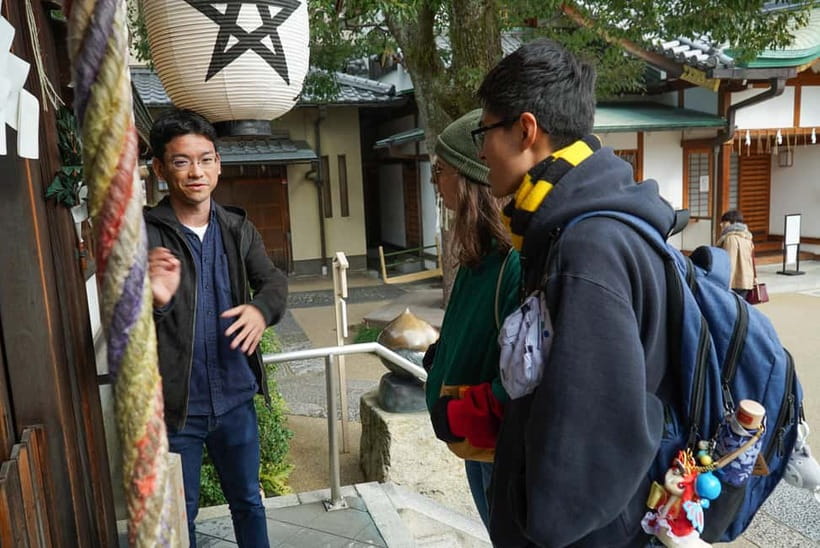
After Kennin-ji, you get back on the bicycle and ride toward Nanzen-ji. The route takes you through local streets rather than keeping you on a narrow sightseeing circuit.
That is a major reason to choose this experience over a taxi-based temple tour. You see the spaces between the headline sights, and you get a better sense of Kyoto as a living city instead of a string of isolated monuments.
You still need to pay attention. Headphones are not allowed, and using a smartphone while cycling is prohibited. If you need to check your phone, stop the bicycle first. Cycling under the influence of alcohol is also prohibited, and your guide will explain the traffic rules you need to follow.
The tour is intended for people who can ride a bicycle but are not expert cyclists. Anyone joining must be at least 150 centimeters tall. Comfortable shoes are the only required item listed, though you will appreciate light clothing and water during hot weather. Additional drinks are not included.
More Historic Bike Tours in Japan
- Historical Kyoto E-Bike Tour
★ 5.0 · 181 reviews - Kyoto: Fushimi Inari Shrine and Tofukuji Temple E-Bike Tour
★ 5.0 · 75 reviews - 5-Hour Osaka Bike Tour to the Neighborhood of Osaka Castle
★ 5.0 · 319 reviews - Half-day Himeji Castle Town Bike Tour with Lunch
★ 5.0 · 81 reviews
Nanzen-ji and the slower pace of Zen
Nanzen-ji receives about 80 minutes, making it the longest temple stop on the route. Your guide explains the temple, Zen culture, and Kyoto in earlier periods while you visit the grounds and photogenic parts of the complex.
The longer visit matters. Nanzen-ji is not just a quick backdrop for a picture, and rushing through it would miss the quiet quality that makes the stop worthwhile. You’ll have time to look around, hear the explanation, and enjoy the change of pace after the road sections.
If you want a tour packed with nonstop movement, this pause may feel slow. I see that as a benefit for most people. Kyoto’s temples reward patience, and the schedule gives you more than a few minutes at the gate.
The ride can be especially appealing for families with older children and teenagers. One family found the easy cycling and river route a welcome change from walking in Kyoto’s summer heat. Still, July conditions can be demanding, and even a gentle bike ride feels different when temperatures reach around 30 degrees Celsius.
Heian Shrine before lunch
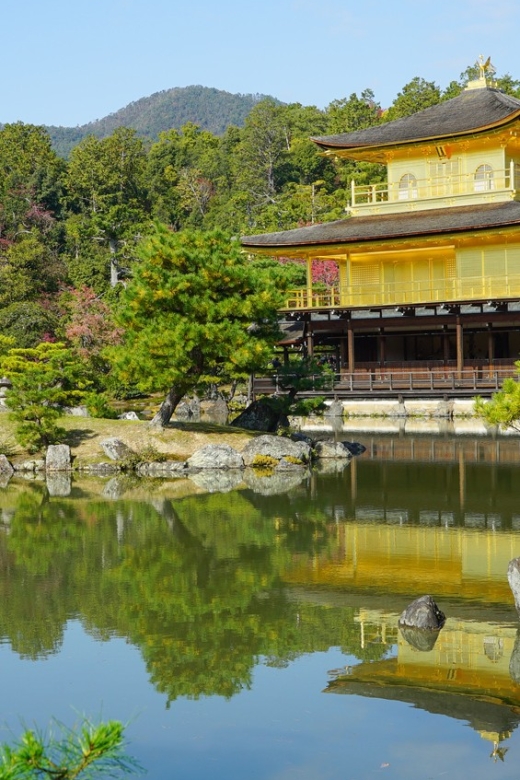
The route continues to Heian Shrine for about 20 minutes. This is a shorter stop than the two temples, so think of it as a focused visit rather than a full tour of every part of the complex.
Heian Shrine adds a different look to the day. After the more subdued Zen settings, its broad approach and shrine atmosphere help show that Kyoto’s religious life is not limited to Buddhist temples. The guide also discusses Shinto traditions, giving you useful context for the contrast between the morning’s stops.
The short visit keeps the schedule moving toward lunch. You will not have unlimited time here, so if you want a long, unhurried exploration of the shrine grounds, this tour may not be enough on its own.
A Kyoto lunch in a traditional Japanese house
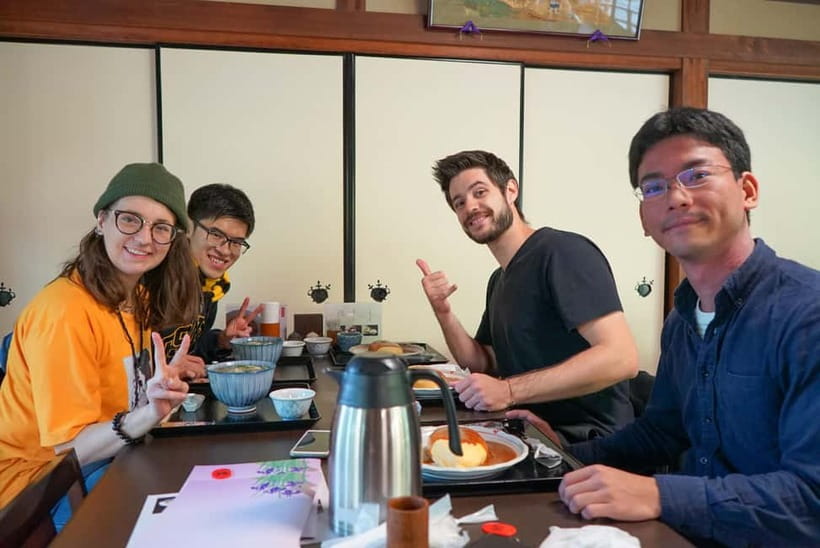
Lunch lasts about 45 minutes at a traditional Japanese house. This is more than a practical meal break. Sitting down in a local-style setting gives you time to talk with your guide and the other participants, and it breaks up the riding and temple visits at exactly the right point.
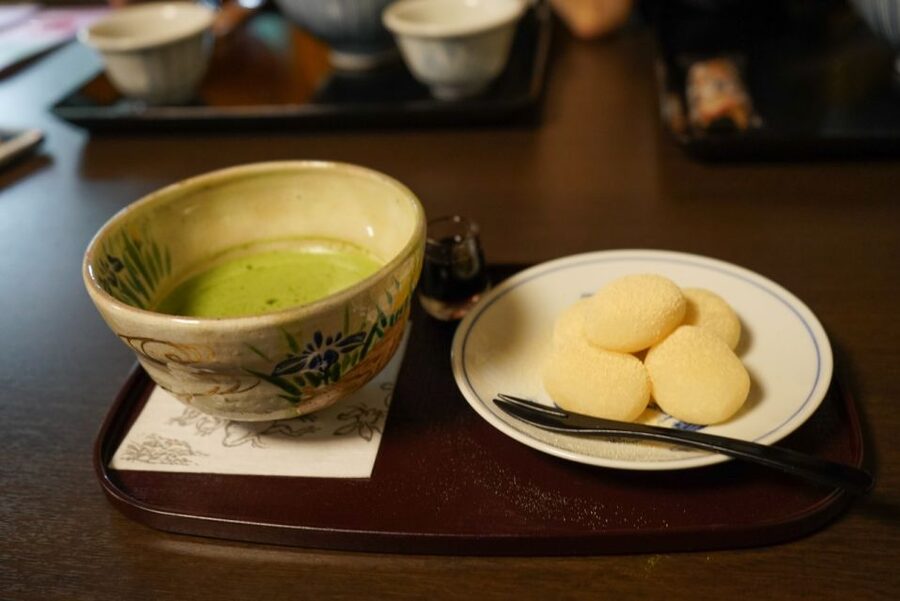
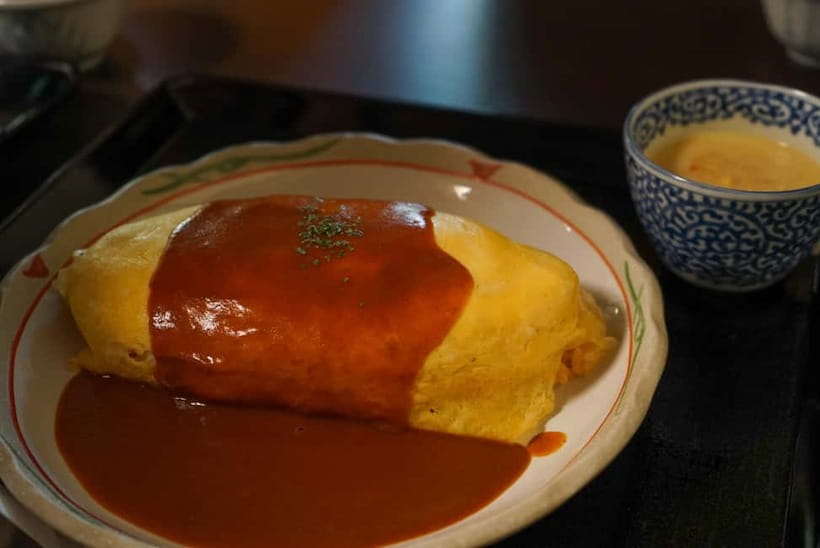
The meal includes local soba dishes, along with matcha and mochi desserts. A small spread of different dishes gives you a chance to sample more than one preparation instead of ordering a single bowl and moving on.
Vegetarian and vegan meals can be requested, but fish stock is still used. You must mention dietary needs or allergies at least one day before the tour. Requests made on the day cannot be accommodated, and the operator cannot guarantee an allergy-free meal or substitutions because the food is prepared in kitchens it does not control.
That limitation is important. If you have a serious allergy or need strict vegan food, contact the provider before booking and treat the meal as something that may not meet your requirements. For everyone else, the lunch is a strong part of the tour because it adds a local food experience without requiring you to research a restaurant yourself.
There is also a Japanese garden and a souvenir shop next door, where you can try Yatsuhashi, a well-known Kyoto sweet. The stop may appeal to you if you want a small taste of local food culture rather than a formal restaurant meal.
The final ride along the Kamo River
After lunch, you return to the bicycle and finish with a relaxing ride along the Kamo River. Locals gather beside the water when the weather is good, and the route offers a pleasant final look at Kyoto’s everyday rhythm.
This closing section is not about adding another major monument. It lets you enjoy the bicycle itself, now that you know how it handles, and gives the tour a calm finish. The return portion also helps balance the more structured temple visits.
The published schedule includes about 30 minutes at Rental Bicycle KYOTO ECO TRIP’s flagship shop for a guided tour and bicycle-related arrangements. Bikes, helmets, locks, and bodily injury liability insurance are included, so you do not need to arrange rental equipment separately.
Is $96 a fair price?
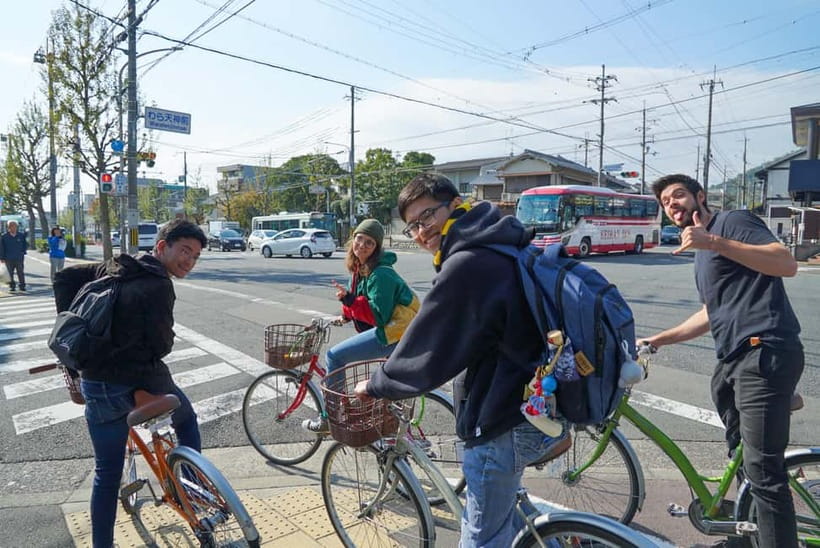
At $96 per person, this is not the cheapest way to see Kyoto. You could visit individual temples on your own for less, and walking or public transport may cost less than a guided cycling experience.
The value comes from what is bundled together. You receive the bicycle, helmet, lock, insurance, guide, tour photos, lunch, and Kennin-ji entrance. You also get a planned route that links several parts of Kyoto without having to work out the order, bicycle rental, traffic, or temple context yourself.
The small group improves the value further. A five-person limit is much more useful than a large bus tour when you are cycling and entering temples. The guide can explain details, answer questions, and help you manage the route.
I would consider the price fair if you want an active half-day and would otherwise need to arrange bike rental, lunch, transport, and temple visits separately. If your priority is the lowest possible cost or spending hours inside one temple, choose a self-guided day instead.
Who should book this Kyoto bike tour?
I’d recommend it to you if you:
- Want to combine Kyoto’s major sights with quieter streets and river paths
- Prefer a small group to a large sightseeing tour
- Like learning about Gion, geisha culture, Zen, and Shinto traditions from a local English-speaking guide
- Can ride a bicycle comfortably but do not want a strenuous cycling challenge
- Are happy to eat a set local meal and can manage the fish-stock limitation
- Want a structured half-day that leaves time for other Kyoto plans
I would think twice if you are under 150 centimeters tall, use a wheelchair, dislike cycling in city traffic, or need complete control over meal ingredients. You should also reconsider on a very hot day unless you are comfortable riding in heat. The tour can be cancelled for unsafe weather.
The guide’s voice is worth considering, too. One participant found a guide difficult to hear while riding and suggested a clip-on microphone. If you have hearing concerns, stay near the guide and ask for explanations during stops rather than while moving.
Should you book it?
Book this tour if you want Kyoto explained as a connected city, not just a checklist of temples. The route gives you Gion, two substantial temple visits, Heian Shrine, a local lunch, and the Kamo River, all with a bicycle and a very small group.
Skip it if you want a slow, temple-only day, strict control over lunch, or a completely traffic-free outing. For most reasonably fit visitors who want an active and practical introduction to Kyoto, the combination of easy riding, Zen spaces, local food, and personal guiding makes the $96 worthwhile.
FAQ
Where does the Kyoto bike tour meet?
Meet in front of the 7-Eleven outside Exit Hachijo guchi of Kyoto Station, next to Hotel Via Inn Prime. The guide will hold a Magical Trip sign board.
How long does the tour last?
The tour lasts 270 minutes, or 4.5 hours. Starting times depend on availability.
What is included in the price?
The price includes a rental bicycle, bodily injury liability insurance, helmet, bike lock, tour photos, lunch, and the entrance fee to Kennin-ji Temple.
Is lunch suitable for vegetarians or vegans?
Vegetarian and vegan meals are available by request, but fish stock is still used. Tell the provider about dietary needs or allergies at least one day before the tour. Requests on the tour day cannot be accommodated.
How many people are in the group?
The group is limited to five participants. The tour is conducted in English.
Can children or shorter participants join?
Participants must be at least 150 centimeters, or about 4 feet 11 inches, tall. The tour is intended for people who can cycle but does not require advanced cycling skills.
More City Bike Tours in Kyoto
- Lion City Bike Tour of Singapore
★ 5.0 · 6,211 reviews - 3-Hour Porto Highlights on a Electric Bike Guided Tour
★ 5.0 · 4,392 reviews - Porto: City Highlights 3-Hour Guided Electric Bike Tour
★ 4.8 · 3,092 reviews - Highlights & Hidden Spots of Barcelona Bike Tour w/ Local Guide
★ 4.5 · 3,009 reviews
More Historic Bike Tours in Kyoto
- Historical Singapore Bike Tour on Full-Sized Bicycles
★ 5.0 · 1,421 reviews - Barcelona: 2.5-Hour Bike or E-Bike Historical Tour
★ 4.5 · 1,262 reviews - Asheville Historic Downtown Guided Electric Bike Tour with Scenic Views
★ 5.0 · 1,234 reviews - Krakow: Bike Tour of Old Town, Jewish Quarter and the Ghetto
★ 4.9 · 1,155 reviews
New rides added around Kyoto
- Kyoto: Tailored E-Bike Tour to Highlights & Hidden Gems★ 4.9 · 32 reviews
- Best of Kyoto: Ginkakuji & Path of Philosophy E-Bike Tour★ 4.9 · 79 reviews
- Kyoto: Hidden Gems E-Bike Tour with Local Japanese Guide★ 4.9 · 189 reviews
- Kyoto: Memory Kyoto E-Bike Tour★ 4.8 · 297 reviews
- Kyoto: Hidden Gems E-Bike Tour Through Backstreets & Temples★ 4.9 · 54 reviews
- Kyoto: Half-day Guided Bike Tour with Fushimi Inari★ 4.9 · 21 reviews
- Kyoto: Full-Day City Highlights Bike Tour with Light Lunch★ 5.0 · 52 reviews
- Kyoto: Full Day Bike Tour★ 4.9 · 39 reviews
Kyoto Bike Tours, compared.
Arashiyama Bamboo Forest & Hidden Gems Bike Tour (Early Bird)
Read our review →
5 Top Highlights of Kyoto Full Day Bike Tour (E-bike option)
Read our review →
Full Day Biking Tour Exploring the Best of Kyoto
Read our review →
Afternoon Kyoto Bike Tour: Bamboo Forest, Monkeys & Hidden Spots
Read our review →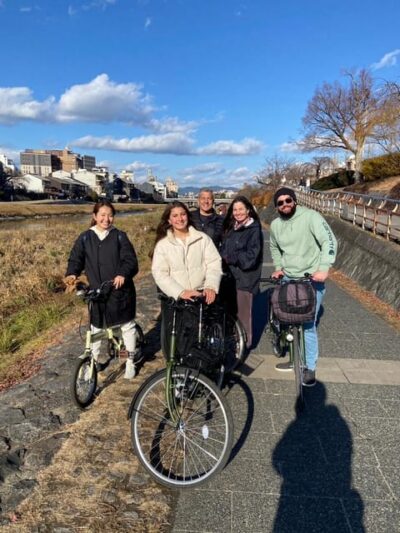
Hidden Gems E-Bike Tour with Local Japanese Guide
Read our review →Browse the lists this tour appears in