
Review · KYOTO
Best of Kyoto: Ginkakuji & Path of Philosophy E-Bike Tour
Kyoto reveals itself especially well from a bicycle seat. On this 210-minute e-bike tour, you move between quiet temple grounds, narrow streets, and leafy waterways without the stop-and-start rhythm of a bus. The electric assist helps on Kyoto’s gentle slopes, while the pace leaves room for gardens, shrines, and short walks.
I like the mix of Ginkakuji and its Zen gardens with the calmer Philosopher’s Path. I also like the guides’ flexible approach. Philippe, Kevin, Phillip, Niall, and Salomé have all been praised for clear explanations, relaxed pacing, and useful talks about Shinto, Zen, and daily life in Japan. The main drawback is simple: you need to be a confident cyclist, and three and a half hours can feel short if you want long visits at every stop.
Key points to know before you book
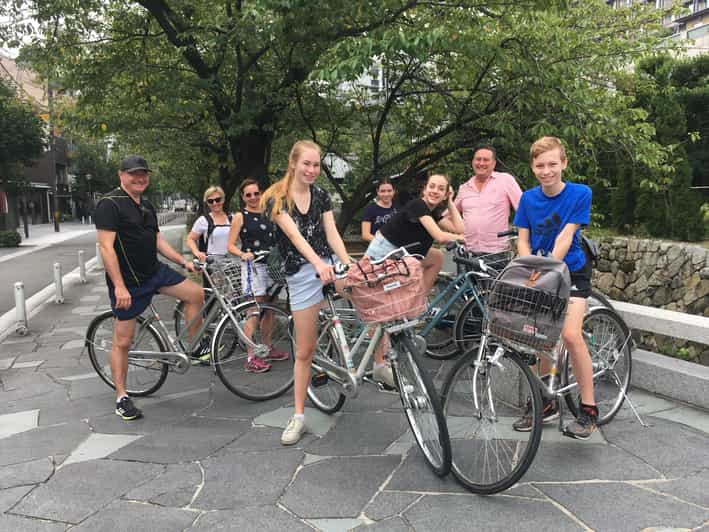
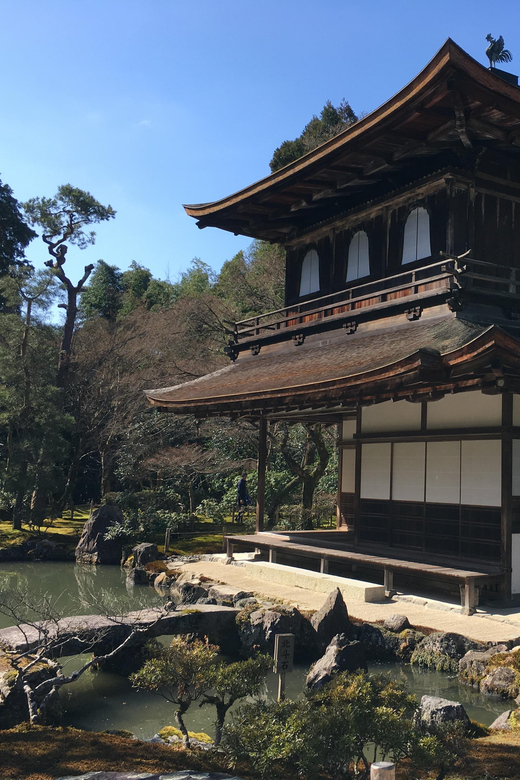
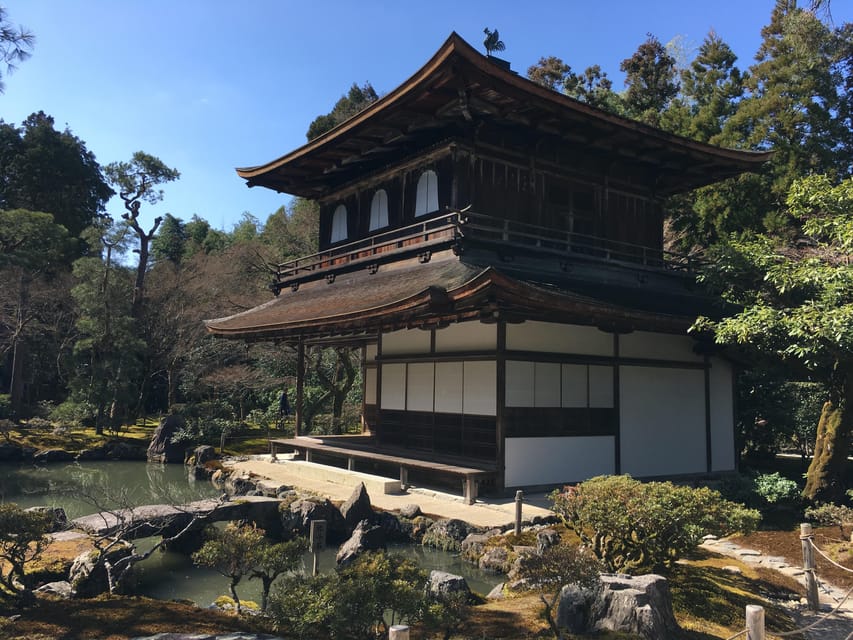
- Ginkakuji gives the tour its strongest visual moment, with carefully shaped Zen gardens and a temple setting that rewards a slow look.
- The Philosopher’s Path is best experienced by bike, letting you cover more ground while still stopping for photographs and short walks.
- Nanzenji and Heian Shrine add variety, pairing a major Buddhist temple with one of Kyoto’s most recognizable Shinto sites.
- The e-bike matters on Kyoto’s gentle hills, especially if your group has mixed fitness levels.
- Guide quality is a major part of the experience, with Philippe, Kevin, Phillip, Niall, and Salomé singled out for warmth, humor, and cultural insight.
- The route is not a full-day tour, so you will see several important places but may need a separate visit for a slower look at each one.
Why an e-bike is a smart way to see eastern Kyoto
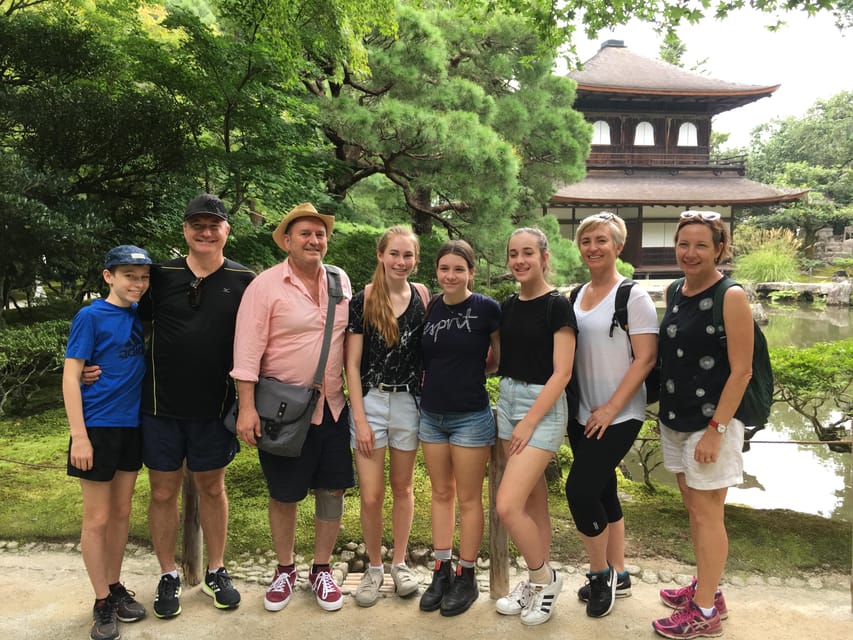
Kyoto’s famous sights are spread across a broad city. Walking between them takes time, while public transport can leave you with extra transfers and crowded streets. A bicycle gives you a more direct connection to the city, letting you move through ordinary streets and alleyways between major sights.
The electric assist is useful rather than flashy. You still pedal, but the bike gives you a boost on gentle hills and helps keep the group together. That matters on a route that links several temple and shrine areas. One family described the ride as easy and comfortable, while another cyclist estimated the full outing at about nine miles. That is enough distance to see a good portion of eastern Kyoto without turning the tour into an athletic challenge.
You should still be comfortable on a bicycle before booking. The guide can end the activity if there are safety concerns, and the provider asks that every participant be a confident cyclist. Helmets and e-bike rental are included, which makes the practical side easy.
The riding is only part of the experience. You will also park, walk through gardens, listen to explanations, and take in the details that pass too quickly from a taxi window. The strongest guides adjust their talks to your interests instead of speaking nonstop. One guide, for example, was praised for sharing important and interesting points without filling every quiet moment with facts.
More E-Bike Tours in Japan
- Hidden Kyoto E-Biking tour
★ 5.0 · 1,843 reviews - 5 Top Highlights of Kyoto Full Day Bike Tour (E-bike option)
★ 5.0 · 511 reviews - Kyoto: Memory Kyoto E-Bike Tour
★ 4.8 · 297 reviews
Ginkakuji and the art of restrained beauty
The tour’s first major stop is Ginkakuji, officially known as the Silver Pavilion. The temple itself is less flashy than Kyoto’s Golden Pavilion, but that is part of its appeal. The grounds focus on careful composition: raked sand, clipped plants, moss, water, and the relationship between built structures and the surrounding hills.
You get about 45 minutes here for a guided visit and e-bike ride. That timing gives you enough space to understand why the garden matters, though it does not allow a leisurely examination of every corner. I would pay close attention to the contrast between the pale sand forms and the softer garden planting. The effect is calm, ordered, and very Japanese without feeling lifeless.
This is also where a good guide adds real value. A well-timed explanation about Zen design can help you notice why empty space matters, how a garden directs your eyes, and why a simple scene may have taken years of care. Philippe and Kevin have been praised for making cultural explanations accessible, while Phillip was singled out for his understanding of Japanese history and local customs.
Entry fees to the gardens are included. That is helpful because you can focus on the visit instead of managing small payments at each stop. You should expect some walking once the bicycles are parked, and temple grounds may include uneven surfaces or steps.
The Philosopher’s Path at a bicycle pace
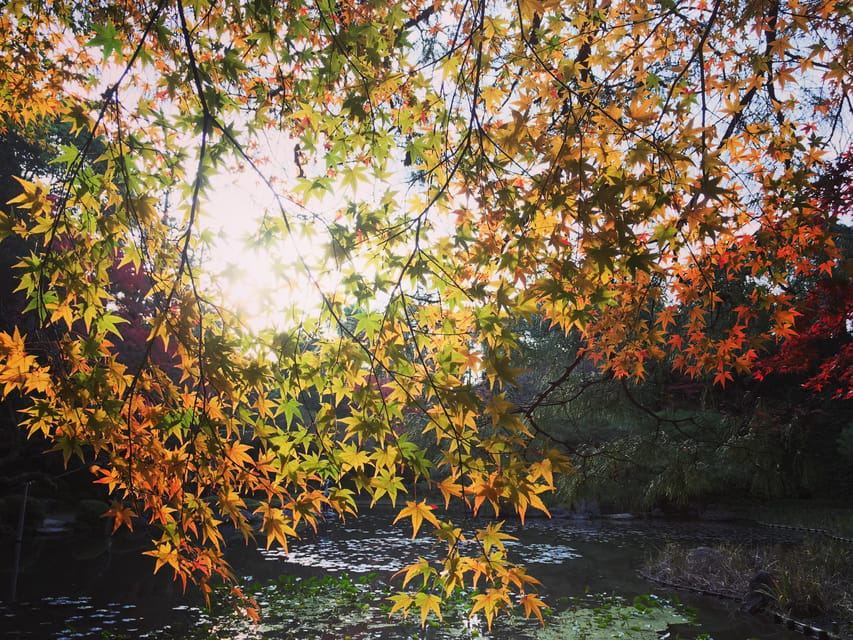
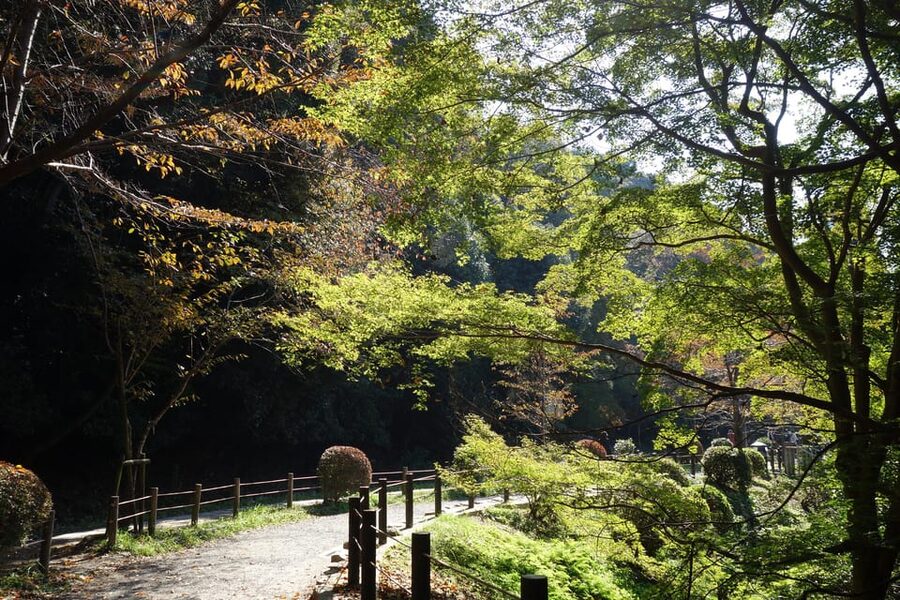
From Ginkakuji, the route continues along the Philosopher’s Path for around 30 minutes. This famous route follows a canal and is known for its trees, small bridges, and nearby temples. It is particularly popular during cherry blossom season, when the branches create one of Kyoto’s most photographed scenes.
A bicycle lets you experience the route differently from a walking visit. You can cover more of its length, then stop when something catches your eye. That said, this is not a private road reserved for cyclists. You need to ride with care, slow down around walkers, and follow the guide’s instructions.
Thirty minutes is enough for a taste, not an exhaustive visit. One participant specifically wished for more time in the Philosopher’s Path area. If this is the part of Kyoto you most want to savor, consider returning on foot later in your stay. The bike tour works best as an introduction that shows you where you may want to come back.
The route also helps break up the temple visits. Instead of moving from one formal entrance to another, you spend time beside water and under trees, with glimpses of local streets and neighborhood life. That change of pace is one of the tour’s pleasures.
Nanzenji, a major temple with room to breathe
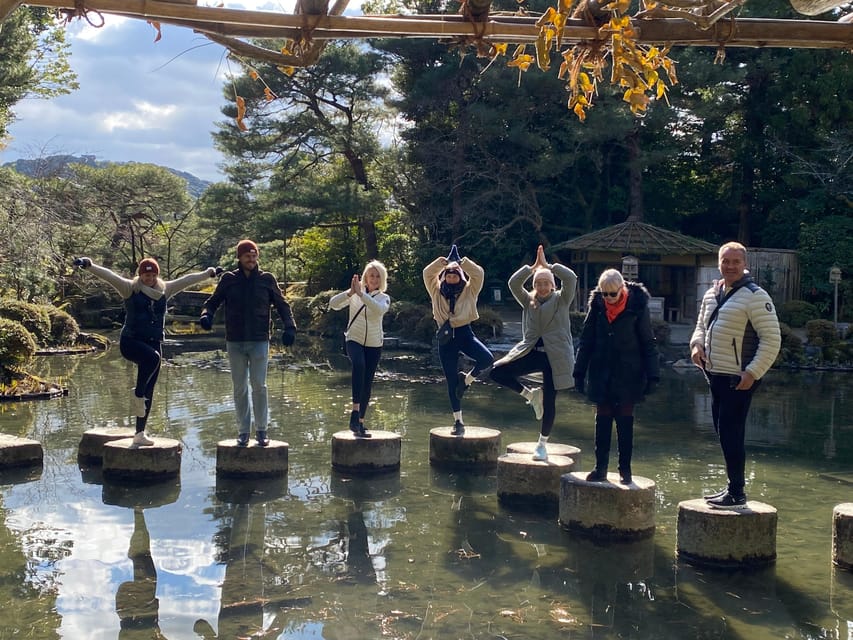
Nanzenji follows as a 30-minute visit. This is one of Kyoto’s important Buddhist temple complexes, and it gives the tour another chance to discuss Zen in a larger setting. Your guide can connect the visual calm of Ginkakuji’s gardens with the broader religious ideas behind the temples.
The short visit means you should expect an overview rather than a complete examination of every building. Still, Nanzenji works well in this itinerary because it adds scale and variety after the narrower canal route. The stop is also a useful chance to stretch your legs and take photographs before the final major site.
Timing is worth keeping in mind. The listed stops add up to 150 minutes, while the full activity lasts 210 minutes. The remaining time covers cycling between locations, parking, walking, and the natural pauses that make a small-group tour feel less rushed. Exact time at each place can shift with the group and the guide.
More E-Bike Tours in Kyoto:
- Kyoto: Hidden Gems E-Bike Tour with Local Japanese Guide
★ 4.9 · 189 reviews - Arashiyama Bamboo Forest E-Biking Tour
★ 5.0 · 183 reviews - Historical Kyoto E-Bike Tour
★ 5.0 · 181 reviews - Kyoto: Fushimi Inari Shrine and Tofukuji Temple E-Bike Tour
★ 5.0 · 75 reviews
Heian Shrine and Kyoto’s Shinto side
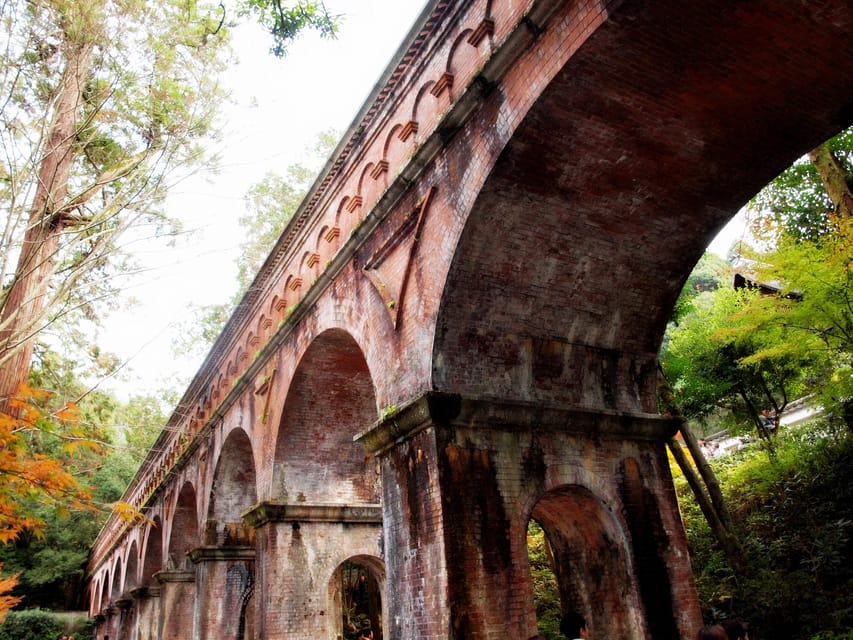
The final scheduled stop is Heian Shrine, with about 45 minutes of guided time. Its broad grounds and strong visual identity give the tour a clear change from the intimate Zen gardens. Here, the focus turns toward Shinto, Japan’s native religious tradition, and the role of shrines in local culture.
This is a good place to ask questions. The tour promises an introduction to Shinto and Zen, and the guides’ cultural explanations are among the main reasons to choose a guided ride instead of renting a bicycle on your own. Will, from Indonesia, valued learning how Japanese religious beliefs shaped the places visited, while Kevin was praised for explaining differences between Japan and English-speaking countries.
Heian Shrine can feel more open and formal than the earlier temple stops. That contrast helps you understand that Kyoto’s religious sites are not all variations on the same theme. You will see different approaches to space, ritual, architecture, and garden design within one compact outing.
The human side of the tour
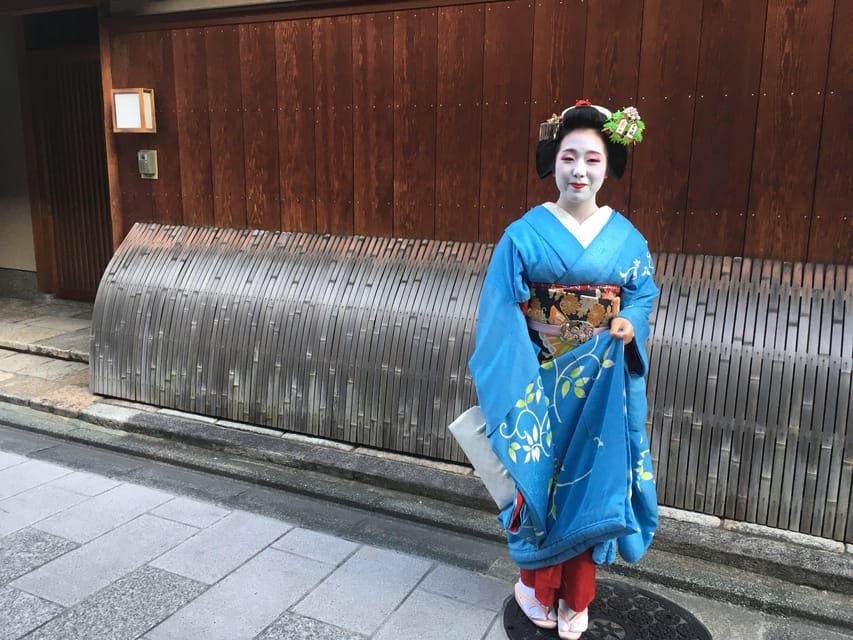
Guide quality can make or break a sightseeing ride. Here, the strongest pattern is personal attention. Philippe is praised for humor, patience, and a strong grasp of Japanese culture. Kevin is described as relaxed, friendly, and flexible with the route. Phillip is noted for giving generous explanations and adapting to what the group had already seen in Japan.
Salomé led one outing that turned into a private tour because no other participants had booked. That kind of small group can give you more freedom to ask questions and adjust the pace, but you should not assume every departure will be private. The experience is offered for private groups and small groups, so check the option you select.
Several guides have also adjusted plans in useful ways. Kevin helped one participant with a short hike, and Philippe handled an improvised picnic while taking dietary restrictions into account. Lunch is not included, so any food stop or picnic arrangement should be treated as a possible extra, not a promised part of the standard tour.
The best approach is to tell your guide what you care about at the start. If you want more history, say so. If you prefer gardens, photography, religious customs, or quiet back streets, mention it. The route has enough flexibility to make that conversation worthwhile, though the main stops and total duration still set limits.
What the $69 price includes
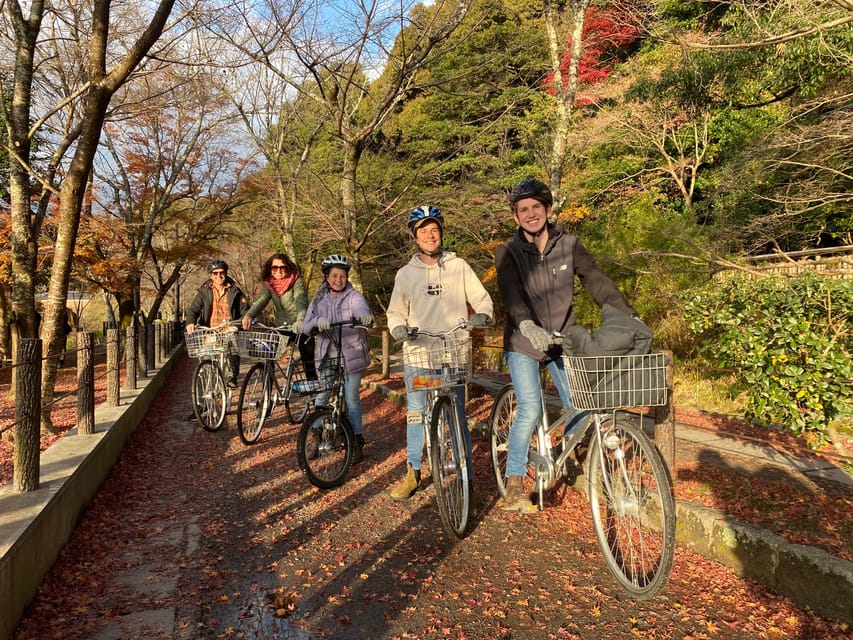
At $69 per person, this is a fair price if you want a guided introduction to Kyoto’s eastern temple district. The fee covers the e-bike, helmet, guide, and garden entry fees. You are paying not only for transport, but also for route planning, cultural context, and the ability to cover more ground than you could comfortably walk in the same period.
The value is strongest for first-time visitors with limited time. You can see four significant places and travel between them without arranging rentals, plotting a route, or working out how to connect each stop by public transport. It is also useful early in a Kyoto visit because you will spot areas worth revisiting later.
The price is less compelling if you already know eastern Kyoto well or prefer to spend a full hour at each temple. In that case, renting a bicycle independently may give you more control, though it will not include a guide or the same cultural explanation.
Lunch is not included. Bring money for food if you want to eat before or after the ride. Hotel pickup and drop-off are also not included, so you need to reach the meeting point yourself. Kyoto Bike Rentals at 222 Koyamacho is given as a meeting and return point, but the exact meeting place can vary by the option booked.
Weather, timing, and practical concerns
Kyoto weather can change quickly, and rain affects this experience more than it affects a walking tour. In light rain, you may be offered the choice to reschedule, switch to a walking tour, or continue by bicycle in a poncho. Heavy rain can lead to cancellation with a full refund.
The operator allows free cancellation up to 24 hours before the start time, and you can reserve now and pay later. Those terms are useful if your Kyoto schedule is still shifting, though you should check the available start times for your chosen date.
The tour is offered in English and French. Ask about the language when booking if it matters to your group. The meeting point may vary depending on the selected option, so confirm it rather than relying only on a general map pin.
Wear clothes that are comfortable for cycling and walking. You will want footwear suitable for temple grounds, and a light rain layer is sensible during unsettled weather. The tour includes a helmet, but personal comfort items are up to you.
Who will enjoy this Kyoto bike tour most
This ride suits first-time visitors who want an overview of eastern Kyoto without spending the day on foot. It also works well for families with confident cyclists, couples, and small groups that prefer a local guide to a large coach tour.
It is a particularly good fit if you enjoy seeing how major sights connect to ordinary streets. The ride includes more than temple gates and formal gardens. You also get the sensation of moving through Kyoto under your own power, with short transitions that show the city between its headline attractions.
You may want a different plan if anyone in your party is uneasy on a bicycle. The e-bike reduces effort, but it does not remove traffic, turns, shared paths, or the need to control the bike. This is also not the best choice for someone who wants a slow, detailed study of every garden.
The longer Wild West option may suit you better if you want Arashiyama Bamboo Forest, Kinkakuji, and Ryoanji Rock Garden. That route is described as a six-hour adventure, while the East Side route reviewed here focuses on Ginkakuji, the Philosopher’s Path, Nanzenji, and Heian Shrine in about four hours. Choose by area and available time, not simply by the promise of seeing more names.
Should you book it?
Book this tour if you want active sightseeing with cultural context and you are comfortable riding a bicycle. The combination of Ginkakuji’s gardens, the Philosopher’s Path, Nanzenji, and Heian Shrine gives you a useful first look at Kyoto’s eastern side, while the e-bike keeps the distance manageable.
I would especially consider it for a first or second day in Kyoto, when a guide can help you understand the city’s religious traditions and point out places to revisit. Choose a small or private option if personal questions and flexible pacing matter to you.
Skip it if you are not a confident cyclist, if heavy rain is likely, or if your main goal is spending long, quiet stretches inside each temple. For everyone else, $69 buys a practical route, included equipment and garden fees, and the chance to see Kyoto at street level with a guide who can make the sights mean more.
FAQ
How long does the Kyoto e-bike tour last?
The listed duration is 210 minutes, or three and a half hours.
Which places does the East Side route visit?
The route includes Ginkakuji Temple, the Philosopher’s Path, Nanzenji Temple, and Heian Shrine.
Is the e-bike included in the price?
Yes. E-bike rental and a helmet are included.
Are entry fees included?
Yes. Entry fees to the gardens are included.
Is lunch included?
No. Lunch is not included.
What languages are available?
The tour is available with a live guide in English or French.
Can I book a private tour?
Yes. Private and small-group options are available.
What happens if it rains?
In light rain, you may be able to reschedule, change to a walking tour, or continue by bicycle with a poncho. Heavy rain may lead to cancellation with a full refund.
New rides added around Kyoto
- Kyoto: Tailored E-Bike Tour to Highlights & Hidden Gems★ 4.9 · 32 reviews
- Kyoto: Hidden Gems E-Bike Tour with Local Japanese Guide★ 4.9 · 189 reviews
- Kyoto: Memory Kyoto E-Bike Tour★ 4.8 · 297 reviews
- Kyoto: Hidden Gems E-Bike Tour Through Backstreets & Temples★ 4.9 · 54 reviews
- Kyoto: Half-day Guided Bike Tour with Fushimi Inari★ 4.9 · 21 reviews
- Kyoto: Full-Day City Highlights Bike Tour with Light Lunch★ 5.0 · 52 reviews
- Kyoto: Full Day Bike Tour★ 4.9 · 39 reviews
- Kyoto: Early Bird E-Bike Tour with Lunch★ 5.0 · 14 reviews
Kyoto Bike Tours, compared.
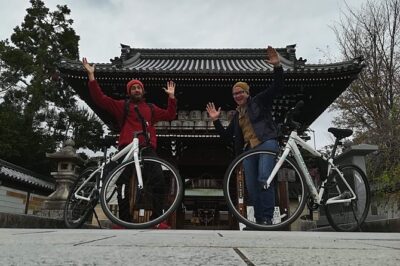
Arashiyama Bamboo Forest & Hidden Gems Bike Tour (Early Bird)
Read our review →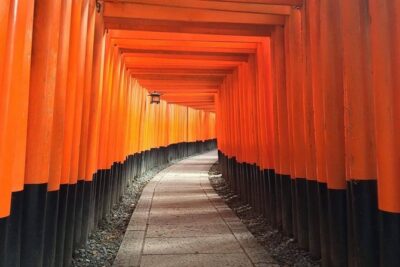
5 Top Highlights of Kyoto Full Day Bike Tour (E-bike option)
Read our review →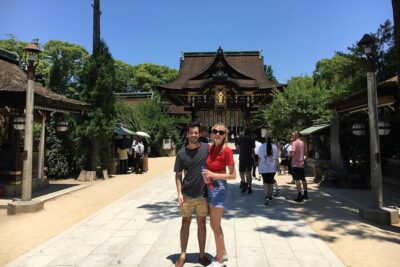
Full Day Biking Tour Exploring the Best of Kyoto
Read our review →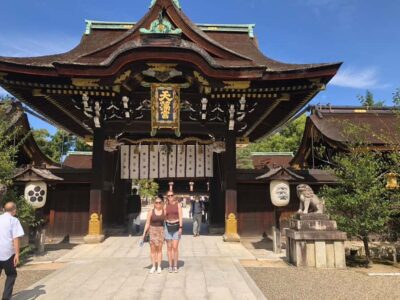
Afternoon Kyoto Bike Tour: Bamboo Forest, Monkeys & Hidden Spots
Read our review →
Hidden Gems E-Bike Tour with Local Japanese Guide
Read our review →Browse the lists this tour appears in