
Review · KYOTO
Full Day Biking Tour Exploring the Best of Kyoto
Kyoto reveals itself differently from a bicycle. You can reach the Golden Pavilion, Gion, and Fushimi Inari in one long day, yet still pass quiet lanes, traditional homes, rivers, and lesser-known temples between the headline sights. The route is mostly flat, and guides use smaller streets to keep the ride calm and manageable.
I like the small group of no more than eight riders and the way guides such as Karl, Jay, Juan, Paul, and Indra mix clear history with humor and local detail. I also like that lunch and bottled water are included, so the day feels like a proper outing rather than a string of quick photo stops.
The catch is simple: this is a big day on a bicycle. The ride can reach roughly 18 to 20 miles, and you may add many thousands of steps while walking around temples and shrines. If you are not comfortable riding for most of a day, this is not the Kyoto experience to force.
Key points to know before you book
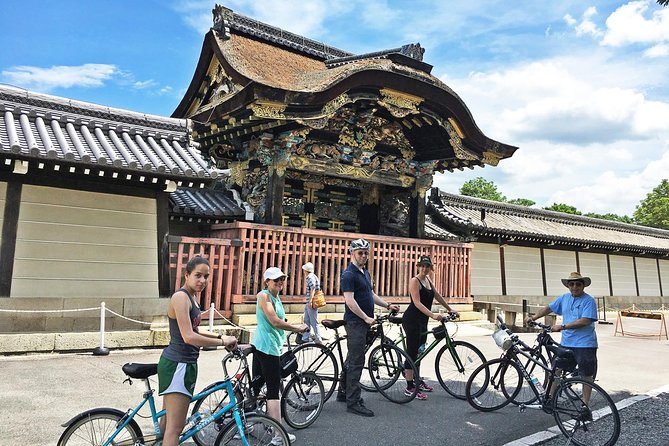
- A full-city ride: You cover major sights from Nishi Honganji to Fushimi Inari, with quieter neighborhoods in between.
- Mostly flat cycling: The route is described as safe and easy to follow, with guides choosing back streets and smaller roads where possible.
- A real small-group outing: The maximum is eight riders, allowing room for questions, photos, and individual help.
- Lunch is part of the day: A Japanese meal, bottled water, a Cannondale bicycle, and helmet are included.
- Expect a serious physical day: Allow 7 to 8 hours, with some riders reporting about 18 to 20 miles of cycling.
- Best for riders aged 13 and older: You must be comfortable on a bicycle and have a moderate level of fitness.
Why a bicycle works so well in Kyoto
Kyoto’s famous sights are spread across a large city. Walking between them is too slow, while buses and trains often leave you with gaps between one attraction and the next. A bicycle fills that gap nicely.
You get the speed to cross town, but you still notice the small things. A lane lined with wooden houses, a quiet stretch beside the river, or a modest shrine can become part of the day instead of scenery flashing past a bus window.
The route also gives you a useful first look at Kyoto’s layout. You begin near Kyoto Station, then work across western, central, eastern, and southern parts of the city. That broad sweep helps you decide which areas deserve a slower return visit.
The riding itself is generally flat. That does not mean effortless. City cycling, stopping at temples, walking through shrine grounds, and standing for explanations all add up. You should expect a full day rather than a gentle two-hour spin.
More full-day rides in Kyoto:
- 5 Top Highlights of Kyoto Full Day Bike Tour (E-bike option)
★ 5.0 · 511 reviews - Kyoto: Full-Day City Highlights Bike Tour with Light Lunch
★ 5.0 · 52 reviews - Kyoto: Full Day Bike Tour
★ 4.9 · 39 reviews
Starting near Kyoto Station with a proper bike fitting
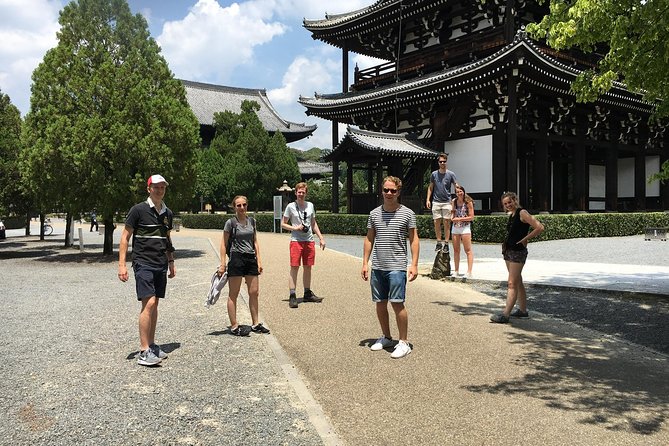
The day starts at Cycle Kyoto, at 7 Higashikujō Nishisannōchō in Minami Ward. The shop is about one block south of Kyoto Station, making the meeting point practical if you are staying near the station or arriving by train.
You meet your guide and the rest of the group, then get fitted with a high-quality Cannondale bicycle and helmet. This first 15-minute session matters. A poorly adjusted saddle can turn an enjoyable ride into a long complaint by midafternoon.
The bikes have a small front pouch for a phone or wallet. That is useful, but limited. If you carry a backpack, you should expect to wear it for the day, so keep it light. Water is provided, which saves you from carrying a large bottle from the start.
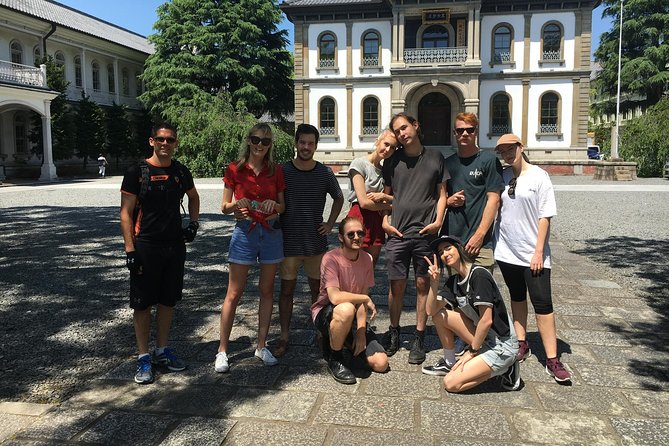
The group limit is eight people, even though the tour is sometimes described as allowing up to nine. Either way, this is a small outing rather than a large bicycle procession. The guide can keep an eye on the group, answer questions, and make small adjustments to the pace.
Nishi Honganji and the scale of Kyoto’s Buddhism
Nishi Honganji is one of the first stops, and it is a smart choice. Many people rush toward Kyoto’s most famous names, but this temple offers a striking sense of scale without the same level of attention.
You enter one of the city’s major Buddhist sites and see one of the world’s largest wooden buildings. The stop is short, about 15 minutes, so you will not explore every corner. Still, the visit gives you a useful introduction to Kyoto’s religious architecture and the sheer size that wooden temple construction can reach.
This is also a good moment to settle into the rhythm of the day. You ride, park, listen, walk, and ride again. The tour is not simply a bicycle route with photographs attached. The guide provides context at each stop, which makes the buildings easier to understand.
Kitano Tenmangu, a local shrine pause
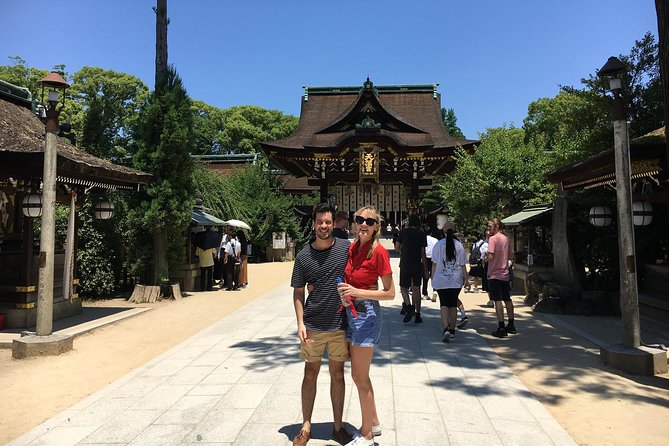
Kitano Tenmangu offers a different mood. You join local shrinegoers and spend about 20 minutes learning about the shrine’s past and purpose.
The appeal here is not only the main structure. It is the chance to watch ordinary shrine activity alongside your sightseeing. Kyoto can feel like one large museum if you only visit its most famous temples. A stop such as this keeps the day connected to daily religious life.
The visit is brief, so you should not expect a long private walk through the grounds. Instead, listen closely to the guide and use the spare minutes to observe the details around you. A guide like Jay or Jamie may add cultural points and simple Japanese phrases, which can make this kind of stop more engaging.
More bike tours around Kyoto:
- Hidden Kyoto E-Biking tour
★ 5.0 · 1,843 reviews - Bike Tour Exploring North Kyoto plus Lunch
★ 5.0 · 1,087 reviews - Arashiyama Bamboo Forest & Hidden Gems Bike Tour (Early Bird)
★ 5.0 · 613 reviews - Kyoto: Memory Kyoto E-Bike Tour
★ 4.8 · 297 reviews
Kinkakuji, the Golden Pavilion
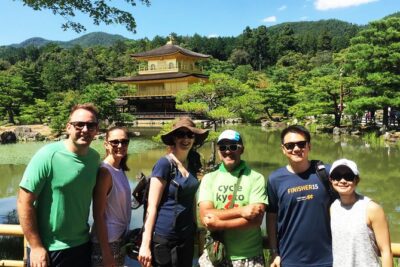
Kinkakuji is the visual centerpiece for many people. The Golden Pavilion sits beside its reflecting pond, and its bright exterior is one of Japan’s most familiar sights.
You spend about 30 minutes here. That gives you time to take photographs, hear the guide’s explanation, and enjoy the grounds without treating the stop as a rushed camera break. There may also be time for an ice cream, a small but welcome reward on a warm day.
The drawback is the crowd. Kinkakuji is one of Japan’s most visited attractions, so this will not feel like a quiet temple visit. The bicycle tour does not remove the crowds, but it does save you the trouble of planning separate transport to reach this western part of Kyoto.
This is one point where a guide adds real value. You can see the pavilion on your own, but a clear explanation helps place it within Kyoto’s wider story. Guides named Karl and Indra were especially praised for giving detailed background at major sites, while still keeping the tone light.
Imperial Palace grounds and a change of pace
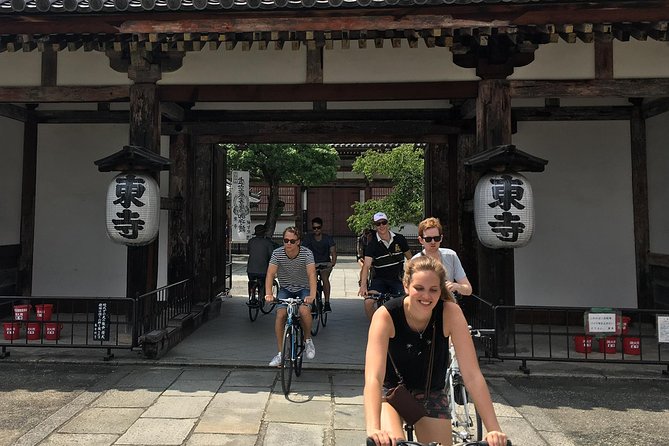
The ride continues through the grounds of the former seat of Japan’s imperial family. The supplied schedule does not give a separate stop number or exact time here, so treat it as a cycling and sightseeing section rather than a long palace tour.
That distinction matters. You are riding through the grounds and learning about their past, not signing up for an extended interior visit. The open space offers a welcome change after temple halls and crowded paths.
It also shows why the bicycle format works. You can cross a large area without using a taxi or waiting for a bus, while still slowing down when the guide points out something worth seeing. The route gives you a sense of how Kyoto’s ceremonial spaces fit into the modern city.
Gion, geisha culture, and respectful sightseeing
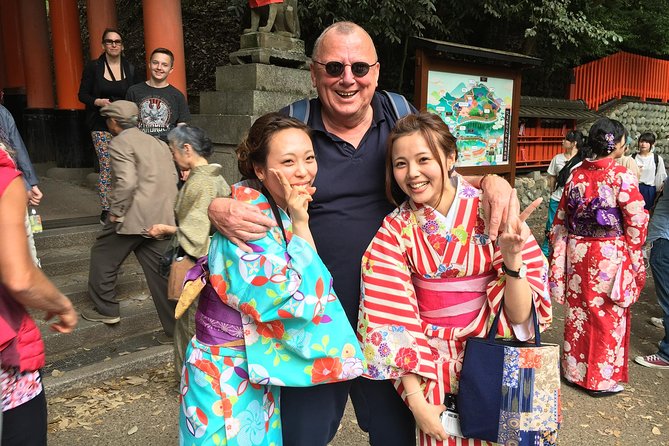
Gion is one of Kyoto’s best-known districts, with narrow streets and a strong connection to geisha culture. The stop lasts about 15 minutes, so you get an introduction rather than a full evening in the district.
Your guide explains the area’s traditions and points out the difference between public streets and the private world behind them. You might catch a glimpse of a geisha or maiko, but that should never be the goal of the visit. The better reason to come is to understand the district with respect.
The bicycle lets you reach Gion after covering much of the city, but you will walk once you arrive. Be ready to park and explore on foot. This is one of several moments when the day shifts between riding and walking, which is why comfortable shoes matter just as much as a good saddle.
Several guides have been praised for adding human detail to the history of Kyoto. That approach is useful in Gion, where customs and appearances can be easy to misunderstand without explanation.
Tofukuji and the quieter eastern side
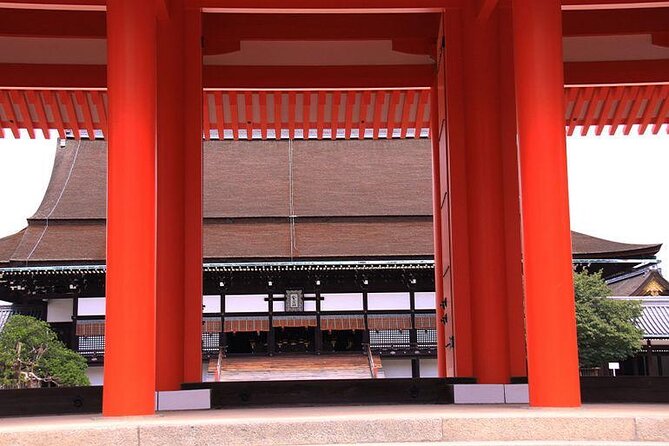
Tofukuji receives a short five-minute stop, yet it adds another layer to the day. It is one of the country’s oldest and largest Zen temples, with spacious grounds and a notable view from the bridge.
The short timing means you should not expect a full temple visit. Think of it as a scenic pause and a chance to appreciate the scale of the complex before moving on. The contrast with Gion is part of the value: one stop is urban and culturally famous, while the other feels more open and contemplative.
If you return to Kyoto later, Tofukuji may be a place to revisit at a slower pace. The tour gives you an introduction and helps you mark it on your mental map.
Fushimi Inari and the red torii gates
The final major stop is Fushimi Inari-taisha, perhaps Kyoto’s most recognizable shrine. Its path of thousands of red torii gates climbs into the wooded hills, and the first section can be crowded.
You spend about 20 minutes here. The guide helps you choose a practical route through the busy areas, which is useful when the shrine is packed. You will not walk the entire mountain trail in that time, but you can see the famous gates and hear about the shrine’s religious meaning.
One particularly useful detail from the guiding style here is the explanation of the economics behind the torii gates. The gates are donated, and their names and dates connect the shrine to businesses and individuals. That kind of detail turns a familiar photograph into something easier to understand.
Fushimi Inari comes near the end, when your legs may already be tired. This is both a strength and a weakness. You reach one of Kyoto’s essential sights in a single day, but you may have less energy than you would on a dedicated shrine visit.
Lunch, water, and the value of the $119 price
At $119.38 per person, this is not the cheapest way to see Kyoto. The price makes more sense when you count what is included: a Cannondale bicycle, helmet, bottled water, lunch, and a full day of guiding in a group capped at eight.
Lunch is not treated as an afterthought. The meal is Japanese, and some guides take the group to a family restaurant or noodle house away from the main tourist flow. That gives you a more grounded break than eating quickly beside a major attraction.
The meal also helps the pace. You are using your legs for hours, and a proper lunch is far more useful than a snack grabbed between stops. Dietary needs must be given in advance, so do not wait until the morning of the tour to mention them.
The value depends on how you like to travel. If you prefer independent wandering and already know Kyoto well, the price may feel high. If you have one day to gain a broad sense of the city, the included equipment, meal, route planning, and guide can make it worthwhile.
What the physical effort really feels like
You should be comfortable riding a bicycle before booking. The minimum age is 13, and riders need a moderate level of fitness.
Reports from the ride put the distance around 18 to 20 miles, though the exact total can vary. Some riders finish tired, especially on warm days, and the walking at temples can push the total effort higher. One account noted about 14,000 steps in addition to the cycling.
The roads are described as mostly flat, and guides use back streets and smaller roads where possible. That helps with comfort and safety, but you are still cycling in a city. You need to pay attention, follow the guide, and remain comfortable riding near traffic.
An electric bicycle upgrade may be available, but it is not part of the stated inclusion. One rider found the regular mountain bike comfortable, while noting that an electric option could help on a full day. Ask about the upgrade when booking if you are concerned about endurance.
The guide can shape the whole day
The strongest part of this experience is the guiding. The route is good, but the same temples mean more when someone explains what you are seeing.
Karl is described as especially strong on Japanese history and as good with children. Jay is praised for humor, group photos, and finding a tasty lunch. Juan is noted for keeping the group engaged and handling the day with care. Paul is described as organized, safe, and good at adding smaller stories along the route. Indra brings an outsider’s perspective along with detailed knowledge of Kyoto and Japan.
That range matters because a full-day tour gives you a lot of time with one guide. A warm, clear guide can make the hours pass quickly. A less effective guide can make the same route feel like a long transfer between stops. One three-star account specifically found the cycling enjoyable but the explanations unclear, so the guiding style is the main variable you cannot fully control.
Who should book this Kyoto ride
I would choose this tour if you want a broad first look at Kyoto and enjoy active sightseeing. It suits couples, families with older children, and solo riders who like meeting a small group while still receiving personal attention.
It is especially useful during a short Kyoto stay. In one day, you see major temples, a shrine, Gion, the Imperial Palace grounds, and Fushimi Inari, while also passing through parts of the city you might never reach on foot.
I would skip it if you dislike cycling in cities, tire easily, or want long, quiet visits at each temple. The stops are necessarily short, and the route favors range over deep exploration. A dedicated visit to Kinkakuji or Fushimi Inari will give you more time at each site.
The tour requires good weather. If poor weather cancels the experience, you are offered another date or a full refund. You can cancel for a full refund up to 24 hours before the start time, but late cancellations and late changes are not accepted.
Should you book this full-day ride?
Book it if you want to cover a lot of Kyoto in one energetic day, enjoy learning as you go, and like the idea of reaching famous sights by quiet streets instead of moving only between train stations.
I would call it a strong value for an active visitor who has limited time. The included bike, helmet, water, lunch, and small group remove much of the planning work. Just be honest about the distance. This is a full day of exercise with sightseeing attached, not a casual ride with a few temple stops.
FAQ
How long does the Kyoto bicycle tour last?
The experience lasts approximately 7 to 8 hours and ends back at the Cycle Kyoto meeting point.
Where does the tour start and finish?
It starts at Cycle Kyoto, 7 Higashikujō Nishisannōchō, Minami Ward, Kyoto. The activity ends back at the same meeting point.
What is included in the tour price?
The price includes use of a high-quality Cannondale bicycle, a helmet, bottled water, and lunch.
How old must riders be?
Riders must be at least 13 years old and comfortable riding a bicycle.
How many people are in the group?
The group has a maximum of eight riders.
What happens if the weather is poor?
The experience requires good weather. If it is canceled because of poor weather, you can choose another date or receive a full refund.
New rides added around Kyoto
- Kyoto: Tailored E-Bike Tour to Highlights & Hidden Gems★ 4.9 · 32 reviews
- Best of Kyoto: Ginkakuji & Path of Philosophy E-Bike Tour★ 4.9 · 79 reviews
- Kyoto: Hidden Gems E-Bike Tour with Local Japanese Guide★ 4.9 · 189 reviews
- Kyoto: Memory Kyoto E-Bike Tour★ 4.8 · 297 reviews
- Kyoto: Hidden Gems E-Bike Tour Through Backstreets & Temples★ 4.9 · 54 reviews
- Kyoto: Half-day Guided Bike Tour with Fushimi Inari★ 4.9 · 21 reviews
- Kyoto: Full-Day City Highlights Bike Tour with Light Lunch★ 5.0 · 52 reviews
- Kyoto: Full Day Bike Tour★ 4.9 · 39 reviews
Kyoto Bike Tours, compared.
Arashiyama Bamboo Forest & Hidden Gems Bike Tour (Early Bird)
Read our review →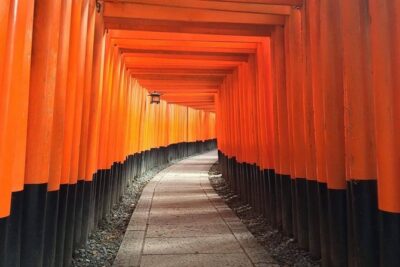
5 Top Highlights of Kyoto Full Day Bike Tour (E-bike option)
Read our review →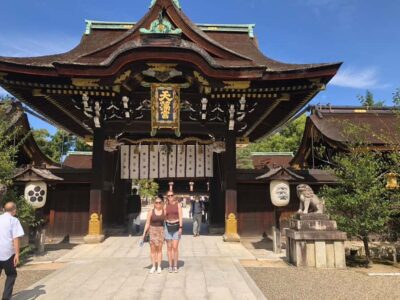
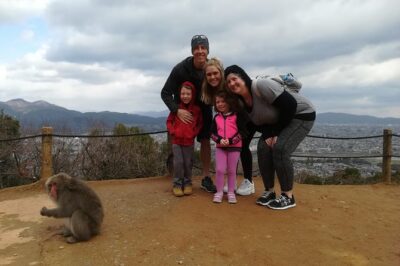
Afternoon Kyoto Bike Tour: Bamboo Forest, Monkeys & Hidden Spots
Read our review →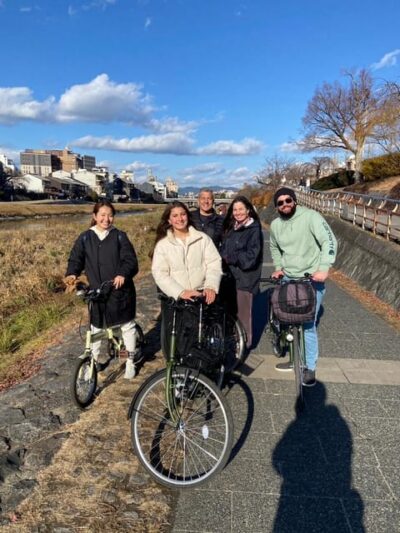
Hidden Gems E-Bike Tour with Local Japanese Guide
Read our review →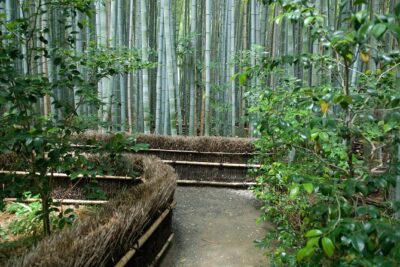
Browse the lists this tour appears in