
Review · KYOTO
Cycle Kyoto’s Hidden Gems & Gion Stroll
Kyoto’s best moments are not always found in front of its famous temples. This bike-and-walk tour takes you beside the river, through calm residential streets, past university campuses, and into Shimo-gamo Shrine’s old forest before ending with a Gion or Pontocho stroll. I like the mix of major sights and quiet corners, and I like that the ride gives you open air instead of another day in crowded lanes. The drawback is simple: you need to ride confidently, and the route can change in rain.
I especially like the traditional tea and Japanese sweets stop, a small cultural pause that makes the day feel more personal than a sightseeing circuit. Families with children aged 9 and 10 have found the guides, including Mr. Go, patient and kind. The tour costs $73 per person, which is fair if you want transport, local guidance, tea, sweets, and several Kyoto sights in one outing, but less appealing if you prefer to linger at one temple.
Key points at a glance
- Ride beside Kyoto’s rivers: Start on a peaceful riverside road and return along a scenic, illuminated riverside route.
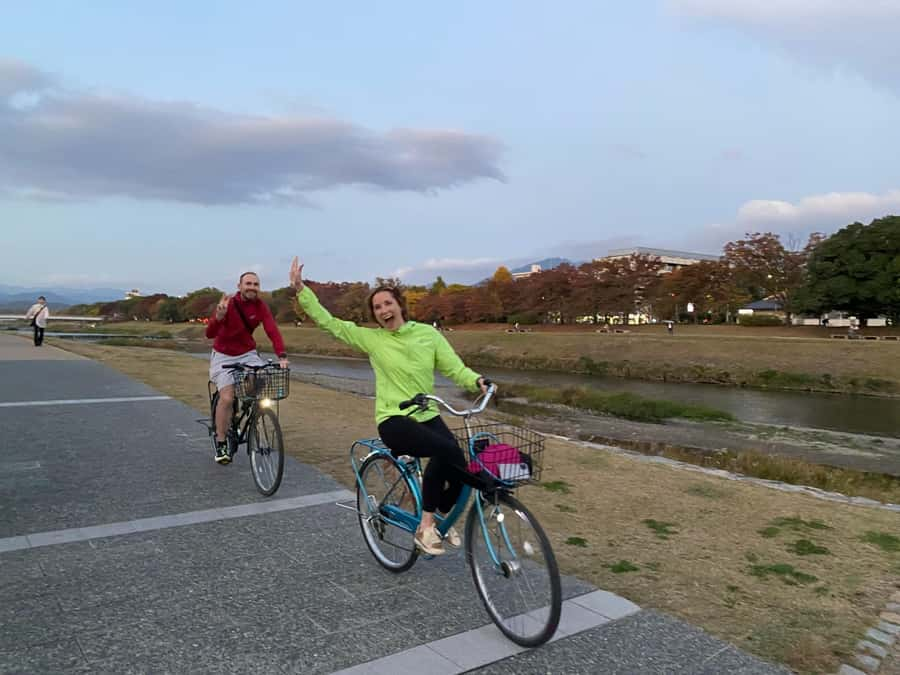
- See Shimo-gamo Shrine by bicycle: Visit this UNESCO World Heritage site, including its old forest and traditional buildings.
- Combine famous and quiet Kyoto: The route can include the Imperial Palace, a Zen temple, university grounds, and residential streets.
- Finish in Gion or Pontocho: A 30-minute walk introduces the Flower Towns and the culture of geisha.
- Tea and sweets are included: Stop at a traditional snack shop for Japanese tea and a sweet.
- Plan for a real ride: Comfortable shoes, water, weather-ready clothing, and cycling confidence matter more than fancy gear.
Why a bicycle is a smart way to see Kyoto
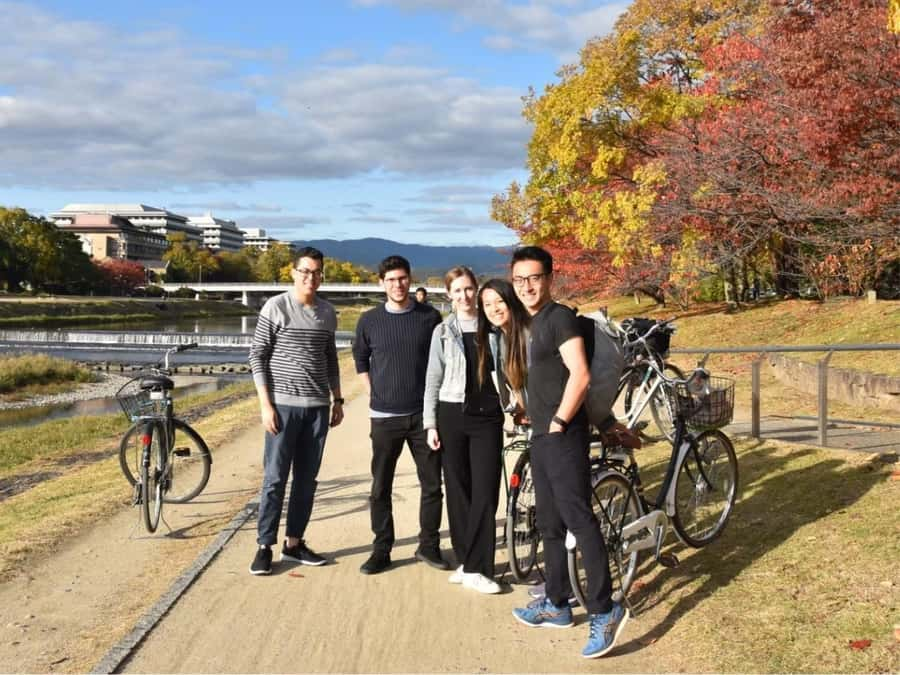
Kyoto can be awkward on foot. The main sights are spread across the city, while buses can be slow and crowded. A bicycle gives you a better sense of how the city fits together. You move from riverbank to shrine, from palace grounds to quiet neighborhood, without spending the whole outing waiting for transport.
This is not a race. The route includes regular stops, and the pace is meant to leave room for short visits and explanations. You will still spend several hours on a bike, so do not treat it like a gentle ten-minute rental. If you ride comfortably in city conditions, the experience should feel active without being a hard athletic challenge.
I like the way the route uses open spaces. Kyoto’s famous temple lanes can feel packed, but the riverside sections offer sky, water, and a cooler sense of movement. On a hot and humid day, that breeze matters. It will not remove the heat, but it can make an afternoon outside much more pleasant.
The tour is also a good fit for families with older children. Children under 9 cannot join, and anyone who cannot ride a bike should choose another activity. Parents should also remember that this is not a child-only excursion. You will be visiting cultural sites, riding through city streets, and taking a short walking tour afterward.
More bike tours around Kyoto:
- Hidden Kyoto E-Biking tour
★ 5.0 · 1,843 reviews - Bike Tour Exploring North Kyoto plus Lunch
★ 5.0 · 1,087 reviews - Arashiyama Bamboo Forest & Hidden Gems Bike Tour (Early Bird)
★ 5.0 · 613 reviews
From Sanjo Ohashi to the first quiet river road
The meeting point is the kneeling man statue at the southeast corner of the Sanjo Ohashi intersection. From the east end of Sanjo Ohashi Bridge, cross the street and look for the statue. If you arrive by subway, come up to street level first. Searching for the location underground can waste time.
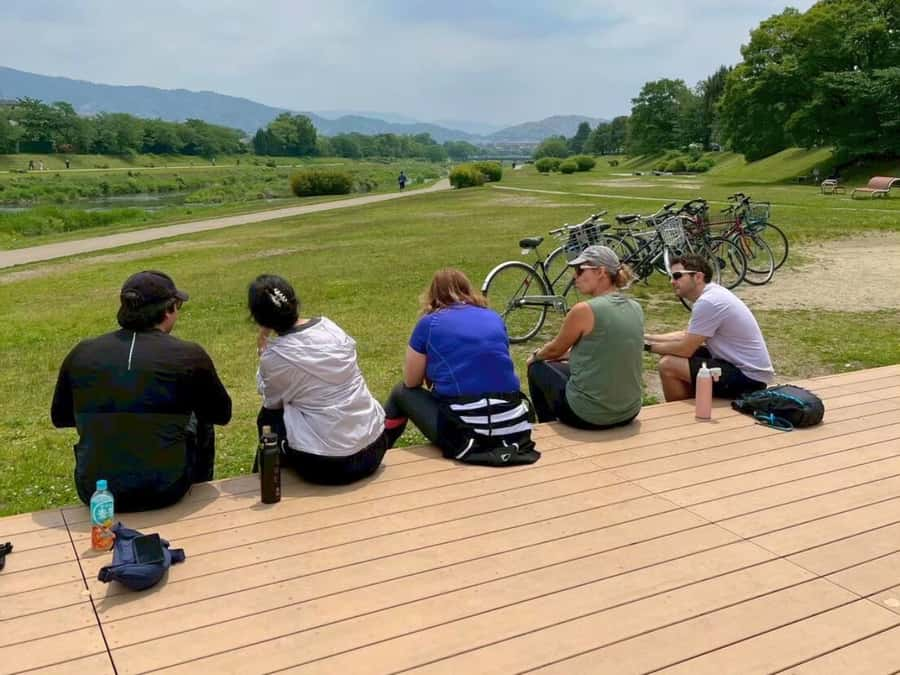
After the bicycles are ready, the route begins along a peaceful riverside road. This is a useful opening because it lets you settle onto the bike before the sightseeing gathers speed. You get a first taste of Kyoto’s outdoor side, with the river providing a simple visual thread through the city.
One early stop is a lesser-known shrine where you can try pure natural spring water. That small detail gives the ride a local texture. It is not just a string of famous names on a map. You are also stopping at places people pass by without realizing what they are.
The supplied information does not give a fixed distance, elevation, or group size, so you should not book this expecting a precisely measured cycling workout. Think of it as a guided city ride with cultural stops. The route and destinations are examples, and the plan may change with conditions.
The Imperial Palace and a quieter side of central Kyoto
The Imperial Palace is one of the route’s larger landmarks. Its broad grounds offer a sharp change from Kyoto’s narrow streets. You will have a chance to see an important center of the city without spending the entire day inside a single palace complex.
The bicycle is particularly useful here. Large grounds and surrounding streets are easier to cover on two wheels, and you avoid using precious sightseeing time for a long transfer. The stop also gives the ride a sense of scale. Kyoto is not only small lanes and wooden facades. It has wide, formal spaces too.
The route then moves toward a famous Zen temple. The exact temple is not specified, so you should not book this expecting one guaranteed named temple. The tour description allows for changes, especially in rain, when an alternative temple or shrine may be used.
That flexibility is worth noting. Some people want a fixed checklist and will prefer a standard temple tour with guaranteed entry. Others will appreciate a guide who can adjust the plan and still provide a meaningful cultural stop. Entrance fees for a temple or shrine used as an alternative plan on a rainy day are included.
University lanes and residential Kyoto
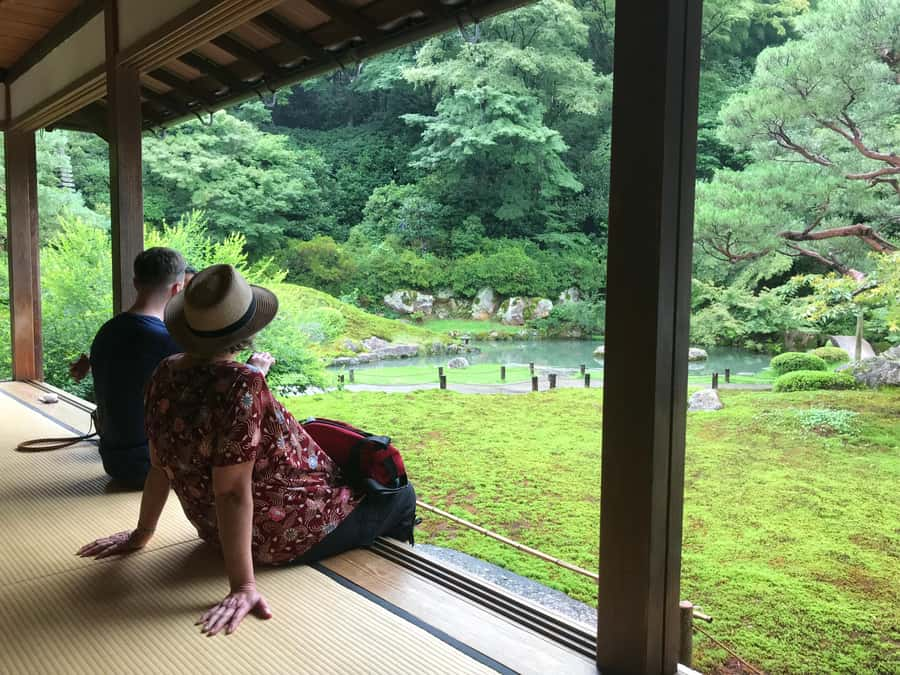
A strong part of the ride is the passage through university campuses and quiet residential districts. These areas show daily Kyoto rather than only its postcard views. You may see a more ordinary rhythm of streets, buildings, and local movement, with fewer people gathered around a single attraction.
This is also where a guide adds real value. Without local direction, you could certainly rent a bicycle, but you might spend the day following major roads or missing small shrines. The guide handles the route and adds explanations as you go, leaving you free to look around instead of studying your phone.
Several guides have been praised for their calm, friendly approach. Benjamin is described as helpful and good at offering restaurant suggestions. Ko has led the tea and sweets stop with clear explanations. Claire has been credited with choosing a comfortable rhythm of stops, while Mr. Go has been especially patient with children.
That does not mean you can request a particular guide unless the operator confirms it. It does tell you something useful about the experience: the human side of the tour is important. A good bike route can be spoiled by poor pacing, while a considerate guide can make a warm day and unfamiliar streets much easier.
Same wheels, a different route:
- 5 Top Highlights of Kyoto Full Day Bike Tour (E-bike option)
★ 5.0 · 511 reviews - Full Day Biking Tour Exploring the Best of Kyoto
★ 5.0 · 498 reviews - Kyoto: Memory Kyoto E-Bike Tour
★ 4.8 · 297 reviews - Afternoon Kyoto Bike Tour: Bamboo Forest, Monkeys & Hidden Spots
★ 5.0 · 283 reviews
Shimo-gamo Shrine and its old forest
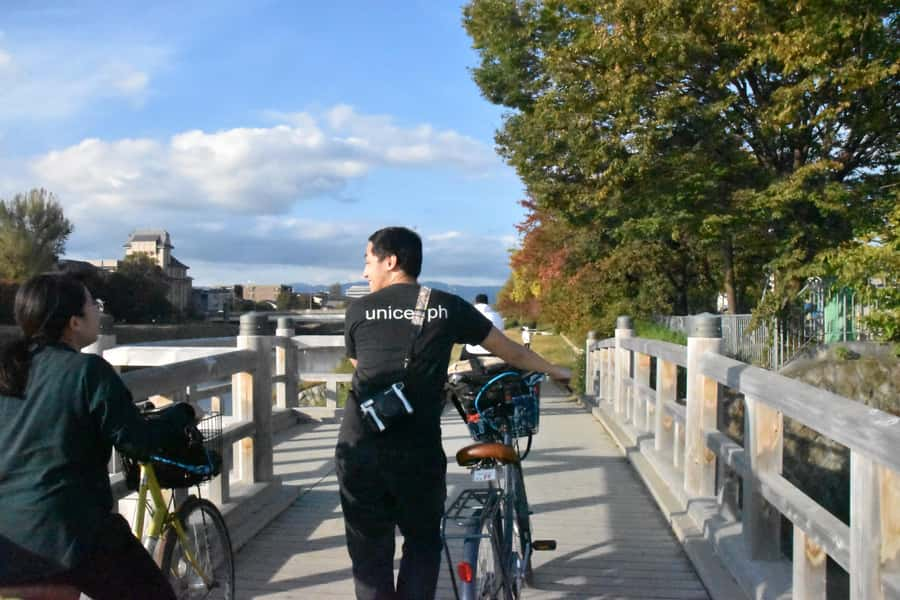
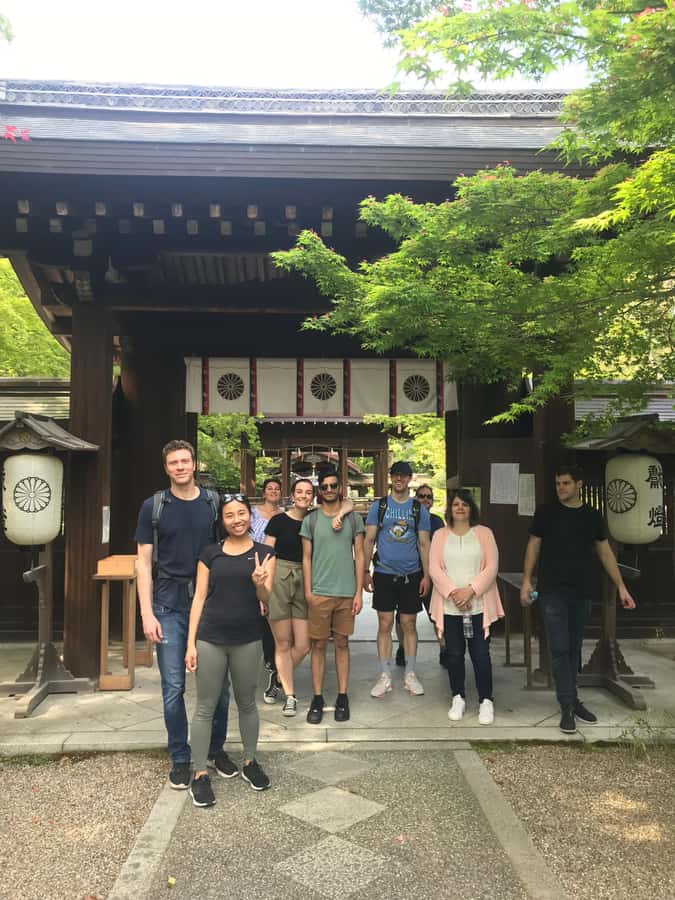
Shimo-gamo Shrine is the cultural heart of the ride. It is a UNESCO World Heritage site, but the appeal is not only the official designation. The shrine is also known for its old forest, called Tadasu no Mori, and for the feeling of entering a more protected, wooded space within the city.
After cycling through open roads and residential areas, the forest should feel like a change of gear. The route gives you a chance to see traditional buildings and spend time among trees rather than rushing directly from one urban sight to the next.
The shrine visit also makes the tour more than a scenic bike rental. You are not simply passing through Kyoto’s streets. You are learning how religious places, wooded grounds, rivers, and residential neighborhoods sit side by side.
As with the other stops, timing matters. A 3.5-hour ride cannot give you the same depth as a full-day shrine visit. You should expect an introduction and a well-chosen stop, not a long period for detailed architectural study. If Shimo-gamo Shrine is a top priority for you, tell the guide at the start and ask how much time the day’s conditions allow.
The river junction and the return ride
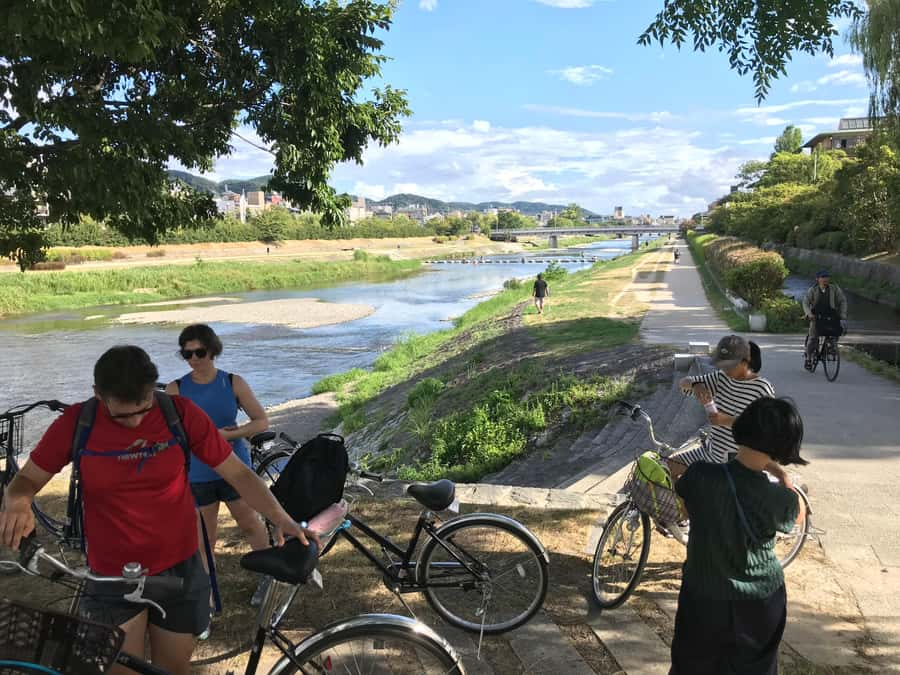
The route continues to a distinctive river junction point before following the riverside back. This part gives you one of the clearest reasons to choose the experience: you see Kyoto from its waterways, not only from temple gates.
The return section is described as scenic and refreshing, with lighting along the riverside. That can be especially pleasant later in the day, when the city begins to soften and the ride feels less like a transfer between sights. You get a moving view rather than a series of stops.
Still, you should bring water and dress for the forecast. Kyoto can be hot and humid, and cycling creates a false sense that you are staying cool. Comfortable shoes are essential. Avoid large bags and luggage, which are not permitted, and leave pets at home.
An electric bicycle is available for an additional 1,000 yen, paid on the spot. I would consider it if you are worried about heat, stamina, or keeping pace with your group. The standard bicycle is likely enough for a confident rider, but the electric option may make the day more enjoyable for anyone who wants to save energy for the shrine and walking portion.
Tea, sweets, and a small taste of local hospitality
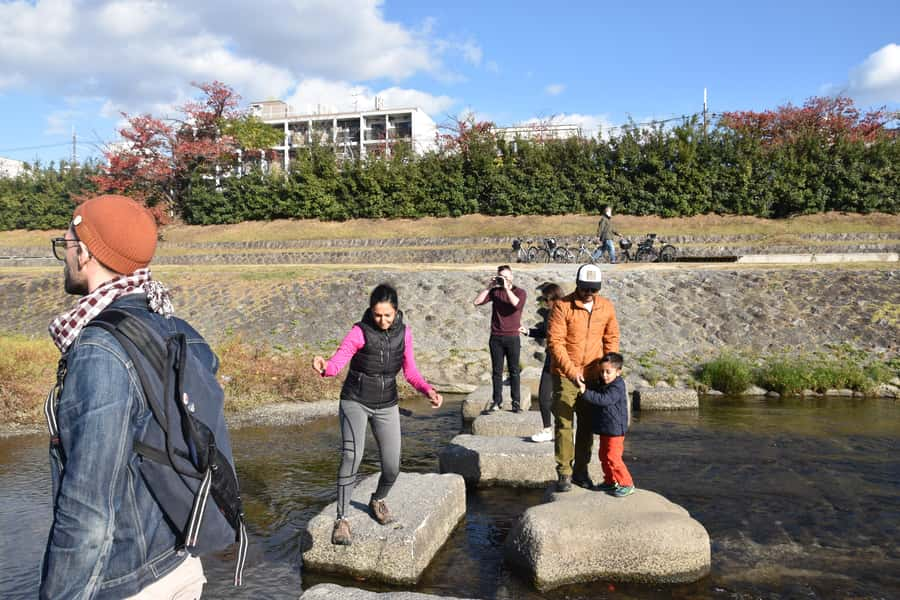
The included stop at a traditional snack shop is one of the nicest details. You receive Japanese tea and a sweet, giving you a seated pause in a more traditional setting. It is a modest inclusion, but it adds a sensory part to the day that cycling alone would not provide.
You should not expect a full meal. If you are hungry, eat beforehand or ask the guide for food advice. The tour does include restaurant and bar recommendations during the walking portion, and the guides can respond to your requests.
This is one reason the experience works well for first-time visitors. You get a little help with what to eat, where to go later, and how geisha districts function. You do not have to turn the tour into a formal food tour, but you can use the guide’s local suggestions to shape the rest of your evening.
Gion or Pontocho after the bikes are returned
Once the bicycles are returned, the final part is a 30-minute walk through either Gion or Pontocho. The exact area may depend on the day’s plan. Both are associated with Kyoto’s traditional entertainment culture and its Flower Towns, the districts where geisha and maiko work.
The guide explains the geisha system and the culture around these neighborhoods. That context matters because the streets can be easy to misunderstand. They are not simply costume-photo sets or places designed for casual intrusion. A short explanation helps you look with more care.
The lanes are highly photogenic, especially around traditional facades and evening light. You may spot a geisha or maiko, but this is not promised. If you do, keep your camera use respectful and follow the guide’s lead. The point of this walk is to understand the area, not to chase people for photographs.
Pontocho and Gion are also practical places to end a Kyoto day because the guide can suggest restaurants and bars based on what you want. You may be looking for a casual meal, a drink, or something suited to a family. Ask clearly, since the recommendation is part of the useful local guidance offered during the walk.
What $73 buys you
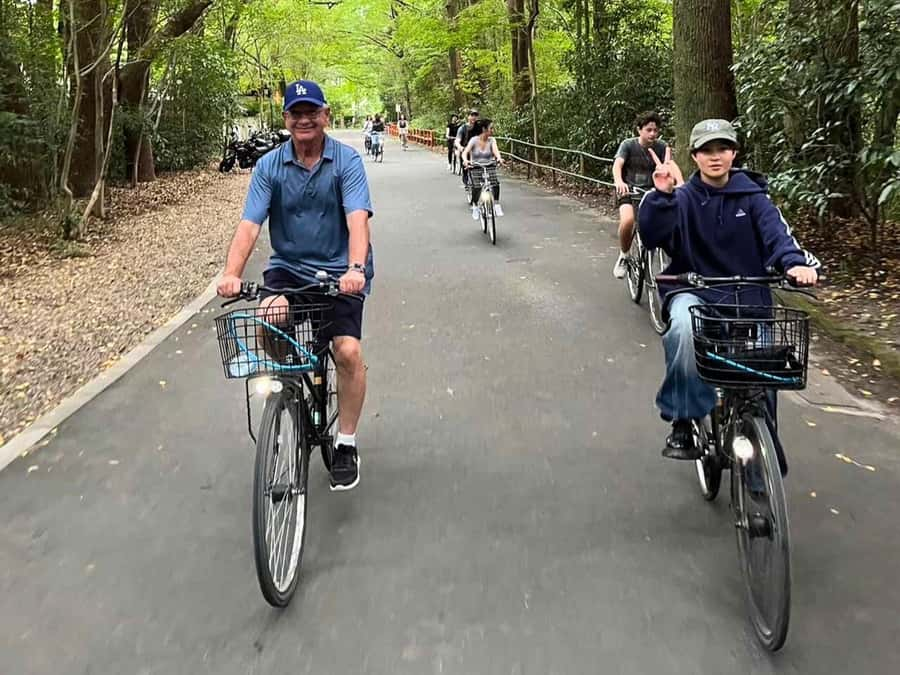
At $73 per person, the price covers the bicycle, the guide, the cycling route, the 30-minute neighborhood walk, Japanese tea, and a Japanese sweet. It also includes entrance fees for a temple or shrine used as an alternative plan on a rainy day.
The value is strongest if you want several kinds of Kyoto in one outing. You are paying for more than bicycle use. The guide takes care of route planning, links the sights, explains local culture, and helps you find food afterward. You also avoid spending time figuring out how to move between the Imperial Palace area, Shimo-gamo Shrine, river routes, and Gion or Pontocho.
The value is weaker if you already know Kyoto well and mainly want a bicycle for independent wandering. It is also not the right purchase for someone who wants long, quiet visits inside temples. The itinerary covers ground and gives you an overview, so the day has a steady rhythm.
Rain does not automatically cancel the experience. The tour operates in rain or shine, and destinations are examples rather than fixed promises. Bring weather-appropriate clothing and accept that a rainy day may mean a different shrine or temple plan. That flexibility helps, but it also means you should not book this for one single guaranteed photo stop.
Who should book this Kyoto ride
I would choose this for families with children aged 9 and over, couples, and active first-time visitors who want more than the standard central Kyoto circuit. It suits people who enjoy moving between sights and want a guide to handle the streets and cultural context.
It is also a good choice if you have already seen a few major temples and want to add quieter places. The route includes famous landmarks, but the university areas, residential streets, spring-water shrine, and riverside sections give the experience a more everyday feel.
I would think twice if you dislike bicycles, have difficulty riding, want a slow luxury outing, or carry large luggage. Smoking, pets, and large bags are not allowed. The tour is in English, so it is best for visitors comfortable receiving explanations in English.
Book only if you are ready for a half-day outdoors. Pack water, wear comfortable shoes, bring a camera, and dress for the weather. If you are uncertain about the cycling effort, consider the 1,000-yen electric-bike upgrade rather than hoping the standard bike will be fine.
Should you book it?
Yes, if you want Kyoto to feel like a real city rather than a list of temple entrances. The strongest reasons are the riverside riding, the calm route through less visited areas, Shimo-gamo Shrine, and the guide’s help with geisha culture and dinner plans.
Choose another tour if you need guaranteed stops, a fixed temple schedule, or a fully indoor activity. For everyone else, $73 is a sensible price for a well-balanced outing that combines exercise, culture, local scenery, tea, sweets, and practical evening advice.
FAQ
How long does the experience last?
The experience includes about 3.5 hours of cycling followed by a 30-minute town walk through Gion or Pontocho.
What is included in the price?
The price includes a rental bicycle, Japanese tea, Japanese sweet snacks at a traditional snack shop, and entrance fees for a temple or shrine used as an alternative plan on a rainy day.
Can I use an electric bicycle?
Yes. An electric bicycle costs an extra 1,000 yen, paid on the spot.
Is the tour suitable for children?
Children under 9 cannot join. The experience is presented as suitable for families, and children aged 9 and 10 have joined successfully with a patient guide.
Where does the tour start and finish?
The tour starts at the kneeling man statue at the southeast corner of the Sanjo Ohashi intersection. It ends back at the same meeting point.
What happens if it rains?
The experience operates in rain or shine. The destinations are examples, so the route may change. A temple or shrine used as an alternative plan in rainy weather has its entrance fee included.
New rides added around Kyoto
- Kyoto: Tailored E-Bike Tour to Highlights & Hidden Gems★ 4.9 · 32 reviews
- Best of Kyoto: Ginkakuji & Path of Philosophy E-Bike Tour★ 4.9 · 79 reviews
- Kyoto: Hidden Gems E-Bike Tour with Local Japanese Guide★ 4.9 · 189 reviews
- Kyoto: Memory Kyoto E-Bike Tour★ 4.8 · 297 reviews
- Kyoto: Hidden Gems E-Bike Tour Through Backstreets & Temples★ 4.9 · 54 reviews
- Kyoto: Half-day Guided Bike Tour with Fushimi Inari★ 4.9 · 21 reviews
- Kyoto: Early Bird E-Bike Tour with Lunch★ 5.0 · 14 reviews
- Kyoto: Full-Day City Highlights Bike Tour with Light Lunch★ 5.0 · 52 reviews
Kyoto Bike Tours, compared.
Arashiyama Bamboo Forest & Hidden Gems Bike Tour (Early Bird)
Read our review →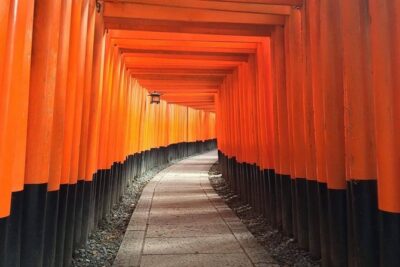
5 Top Highlights of Kyoto Full Day Bike Tour (E-bike option)
Read our review →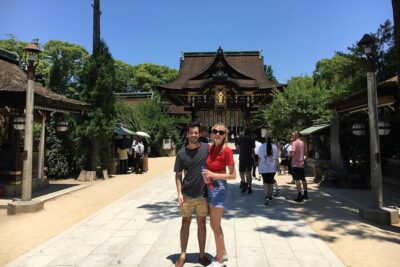
Full Day Biking Tour Exploring the Best of Kyoto
Read our review →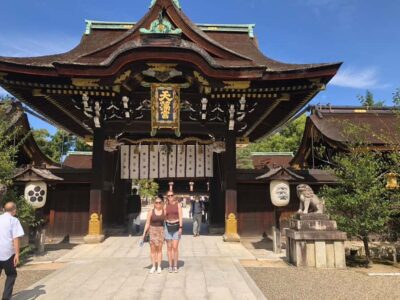
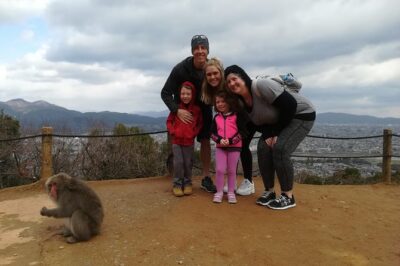
Afternoon Kyoto Bike Tour: Bamboo Forest, Monkeys & Hidden Spots
Read our review →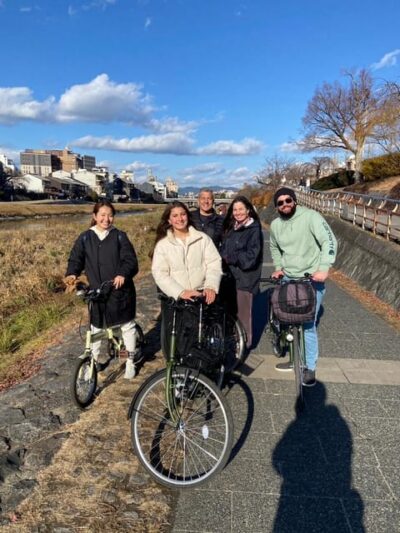
Hidden Gems E-Bike Tour with Local Japanese Guide
Read our review →Browse the lists this tour appears in