
Review · USA
New Orleans: Heart of the City Bike Tour
New Orleans reveals itself especially well from a bicycle seat. On this three-hour ride, you move from the French Quarter to St. Roch Cemetery, passing through five of the city’s oldest neighborhoods at an easy pace. The cemetery visit adds a thoughtful look at above-ground burial customs, while the route puts the city’s Creole story into the streets where it took shape.
I like the small group of no more than 10 and the six-mile route, which gives you time to listen instead of race. I also like that guides such as Eric mix major landmarks with useful local advice about restaurants and jazz bars. The tradeoff is that you ride on city streets in all weather, and the tour is not suitable for anyone who cannot ride a bike, has mobility limits, or is under 13.
Key points to know before booking
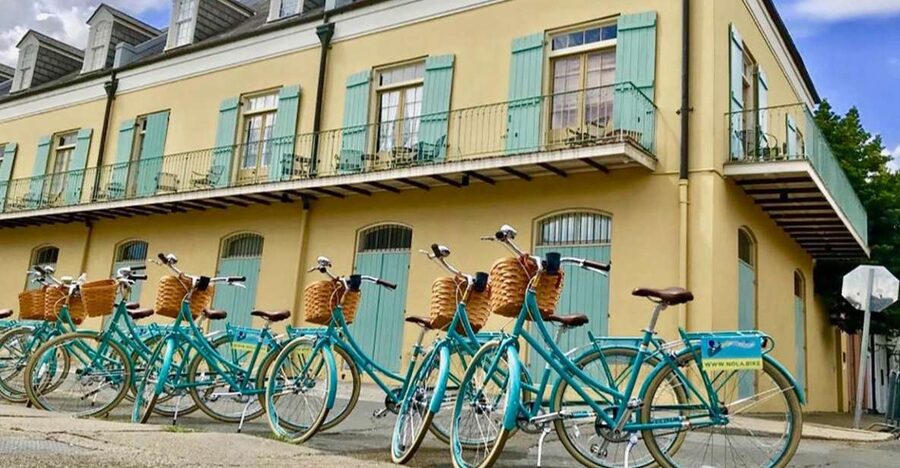
- A gentle six-mile route: You pedal at a leisurely pace on mostly flat streets, with stops for stories and local landmarks.
- Five historic neighborhoods: The route links the French Quarter, Faubourg Marigny, Bywater, and other old parts of New Orleans.
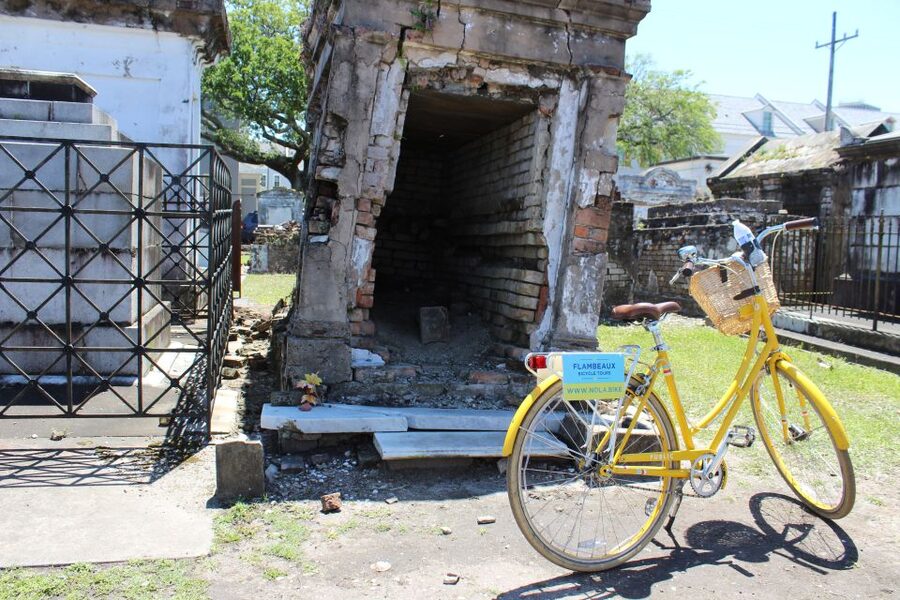
- A meaningful cemetery stop: St. Roch Cemetery offers insight into above-ground burial customs and local religious practice.
- Creole culture takes center stage: The guide explains how New Orleans developed through its colonial past and many cultural influences.
- A true small-group outing: No more than 10 people ride together, making it easier to ask questions and stay connected to the guide.
- Useful for the rest of your visit: Guides may point you toward restaurants, bars, jazz spots, and places worth returning to on foot.
Why a bicycle is a smart way to see New Orleans
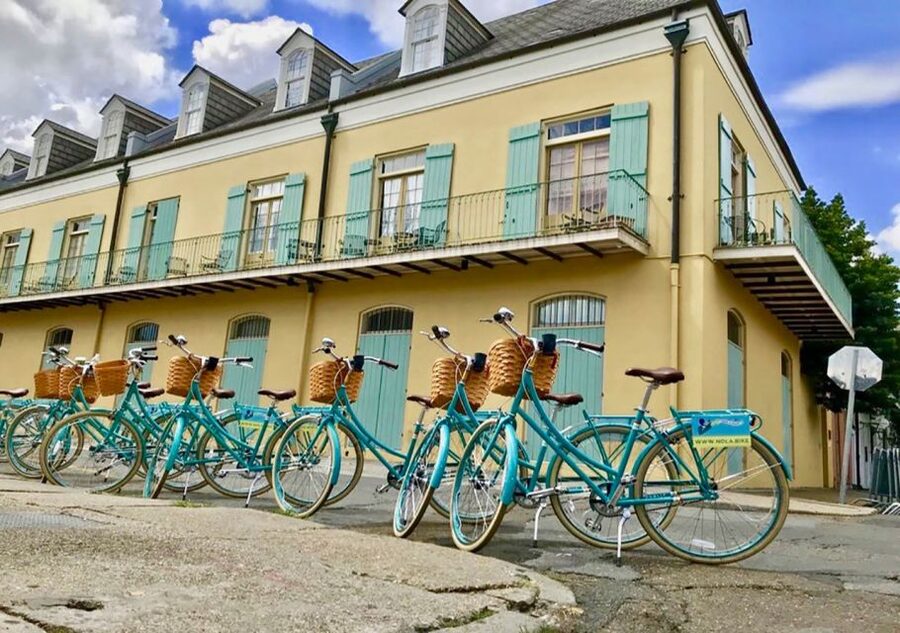
New Orleans is flat, spread out, and full of streets that reward a slower look. A walking tour keeps you close to one neighborhood. A sightseeing bus covers more ground but can leave you watching the city through glass. This ride gives you a middle path: you cover six miles while still stopping often enough to hear the story behind what you see.
I like the pace here. You are not being trained for a race, and the route is designed for ordinary bike riders rather than serious cyclists. The bicycle simply helps you connect several old neighborhoods in one morning without spending most of your time in a vehicle.
The city streets are part of the experience, not just a way to get from one stop to another. You see how New Orleans changes block by block, from the tourist-heavy French Quarter to residential streets and older neighborhoods with a different feel. That movement helps explain how the city grew and how its communities developed.
The ride covers about six miles in three hours, so expect frequent stops and conversation. You should still be comfortable steering, braking, and riding near city traffic. This is easy cycling, but it is not a stationary bike ride in a park.
More City Bike Tours in the USA
- Asheville Historic Downtown Guided Electric Bike Tour with Scenic Views
★ 5.0 · 1,234 reviews - New York City: Highlights of Central Park Bike or eBike Tour
★ 4.6 · 800 reviews - The Ultimate LA Tour: Full Day Sightseeing Tour On Electric Bike
★ 5.0 · 478 reviews
Starting near the French Quarter
The meeting point is between Toulouse Street and St. Peter Street, next door to Arrow Cafe. That location puts you close to the French Quarter and makes the tour easy to pair with a morning in the center of the city.
The exact opening talk and route may vary, but the tour begins by placing New Orleans in its colonial setting. You learn how the city’s oldest streets, neighborhoods, and cultural traditions connect. This context matters because the French Quarter is more than colorful balconies and restaurants. It is the starting point for understanding how French, Spanish, African, Caribbean, and other influences shaped local life.
Your professionally maintained bicycle and water are included. Helmets are available but optional. I suggest wearing comfortable closed-toe shoes, since sandals, flip-flops, and slippers are not allowed. A morning departure is usually available, which is useful in a city where heat and rain can change your comfort level quickly.
The group limit of 10 is a real advantage. A guide can keep the ride together without making every stop feel like a large crowd gathering on the sidewalk. You also have a better chance to ask about a building, neighborhood, restaurant, or music venue as you go.
Rolling through the French Quarter and Faubourg Marigny
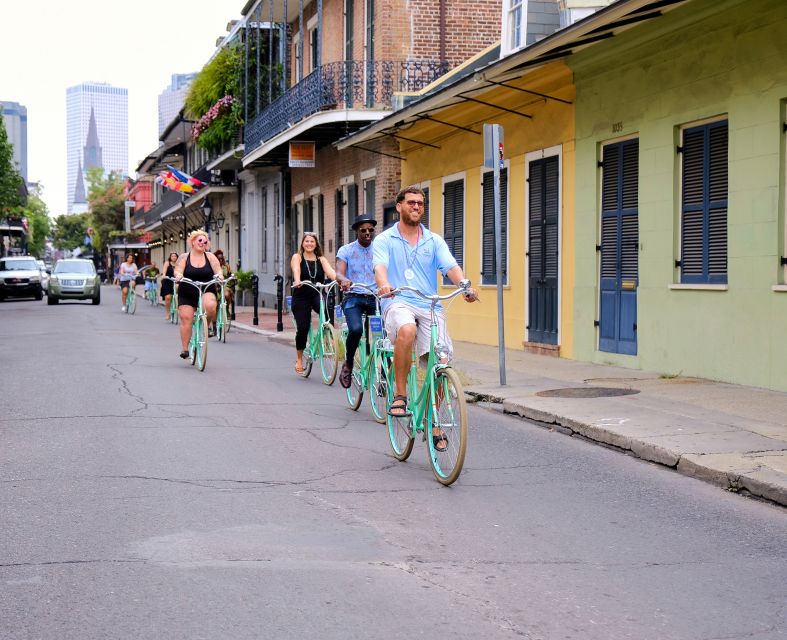
The French Quarter is the most familiar part of the route, but seeing it by bike changes the experience. Instead of ticking off a few famous corners, you pass through the area while the guide explains its place in New Orleans history and culture.
Look for the small details as you ride: the street layout, the old buildings, and the way public life spills into the streets. You have more time to notice these things because the pace stays relaxed. The guide’s job is not just to name places. It is to explain why the city developed in this particular way.
From the French Quarter, the ride continues toward Faubourg Marigny. This neighborhood helps show how New Orleans grew beyond its original center. It is also part of the city’s ongoing musical and cultural life, making it a useful link between the old colonial core and later neighborhoods.
Several people who took the tour singled out the guides’ storytelling, especially Eric’s ability to connect historical facts with places you can visit later. That can be one of the best parts of a small city tour. You are not only collecting facts for the moment. You are building a short list of places to return to after the bicycles are back.
Bywater and the changing face of the city
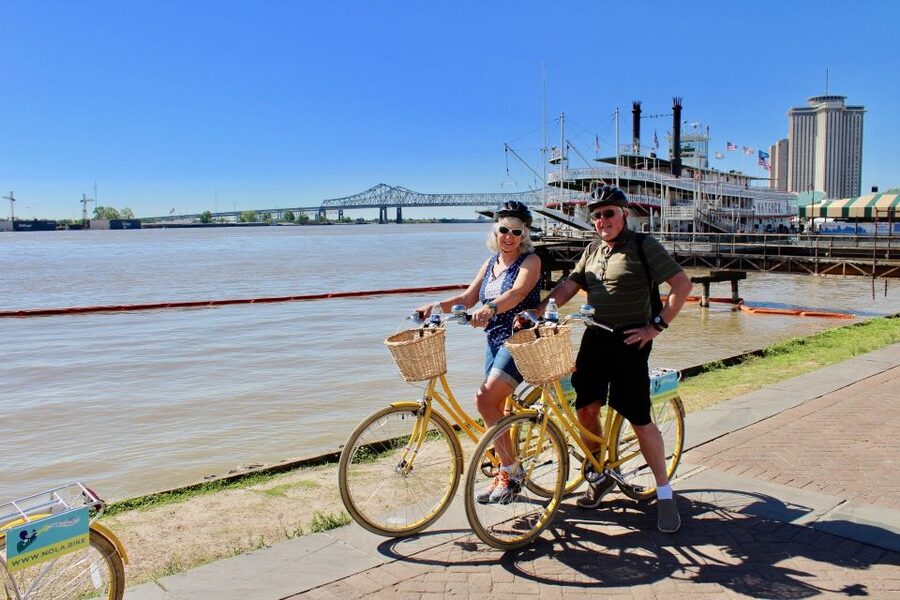
The route continues into Bywater, one of the older parts of New Orleans included in the tour. Bywater helps widen your view of the city. New Orleans is not just the polished center shown on postcards, and the ride gives you a chance to see a broader mix of streets and neighborhoods.
This section is valuable because it puts culture in a living setting. You are not studying Creole culture as a museum display. You are hearing about the people, customs, and influences that shaped New Orleans while moving through the city itself.
The route is described as easy, but conditions can still vary. You are riding on city streets, and the tour runs rain or shine. That means you should take the weather seriously when dressing and deciding if this format suits you. A guide may provide rain ponchos if rain begins, but once the tour has started, an unfavorable-weather refund is not offered.
This is also where a small group helps. A larger group can make neighborhood riding awkward and slow. Ten or fewer riders gives the guide a better chance to keep everyone together and explain what you are seeing without shouting across a crowd.
Same wheels, a different route:
- NYC: Central Park Bike Rentals
★ 4.2 · 2,528 reviews - Red Rock Canyon eBike Half-Day Tour
★ 5.0 · 1,870 reviews - NYC: Central Park Bike Rental
★ 4.1 · 1,651 reviews - Central Park Bike Rental
★ 4.7 · 1,509 reviews
St. Roch Cemetery and New Orleans burial customs
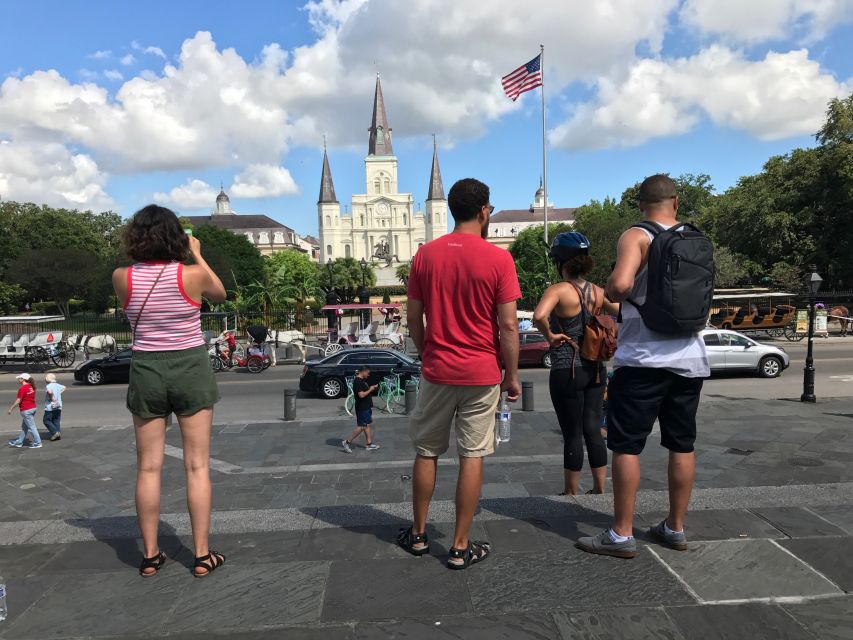
The stop at St. Roch Cemetery is the most distinctive part of the ride. New Orleans is famous for above-ground burial, and the cemetery gives you a direct way to understand why burial practices here differ from those in many other American cities.
Your guide explains the cemetery and the customs connected with it. This is not simply a photo stop. It adds a quieter and more reflective note to a tour that also includes busy streets, music, food, and neighborhood life.
The cemetery visit has earned particular praise from people who found it exceptional. That makes sense. A cemetery can reveal a great deal about a city’s beliefs, climate, architecture, and family traditions. At St. Roch, the setting helps connect those subjects to New Orleans rather than treating them as abstract history.
You should approach this stop with respect. It is an active historic place, not a themed attraction. Listen closely, avoid treating the site as a backdrop, and let the guide set the tone.
Learning how Creole culture developed
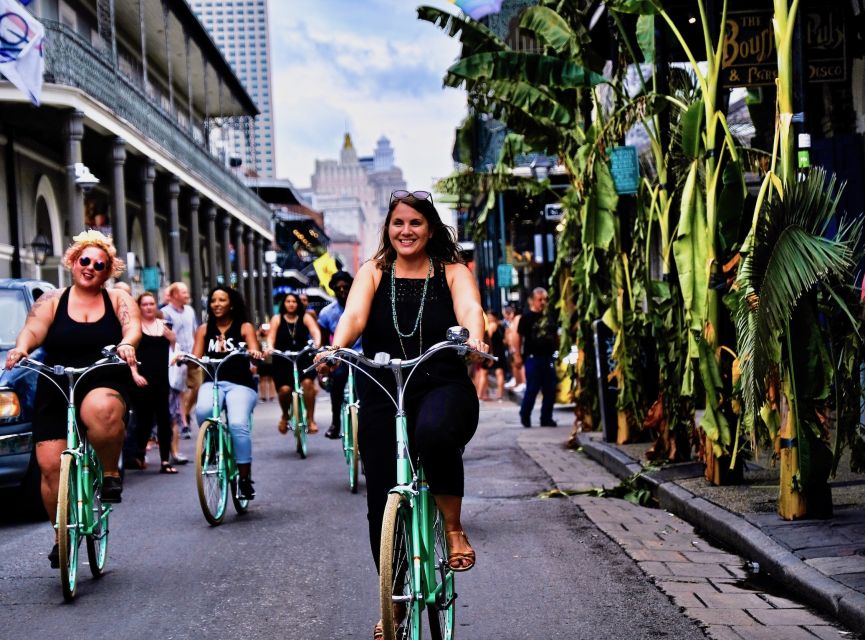
The central subject of the tour is the development of New Orleans’ Creole culture. The guide explains how the city’s colonial past and many cultural influences came together over time.
That subject can easily become a string of dates and labels, but the bicycle route gives it a useful structure. You move through the neighborhoods where the city grew, then connect those places to language, customs, burial practices, food, music, and daily life.
I appreciate that the tour treats Creole culture as something shaped by people and place, not as a single simple category. You should expect an overview rather than a full academic course, but three hours gives the guide room to add context at several stops.
The best guides also leave space for questions. Eric is repeatedly praised for explaining the past with ease and humor, and for knowing the city well enough to offer suggestions for the rest of your stay. If you enjoy a tour that feels like a conversation rather than a recorded lecture, this format should suit you.
What the guide adds to the ride
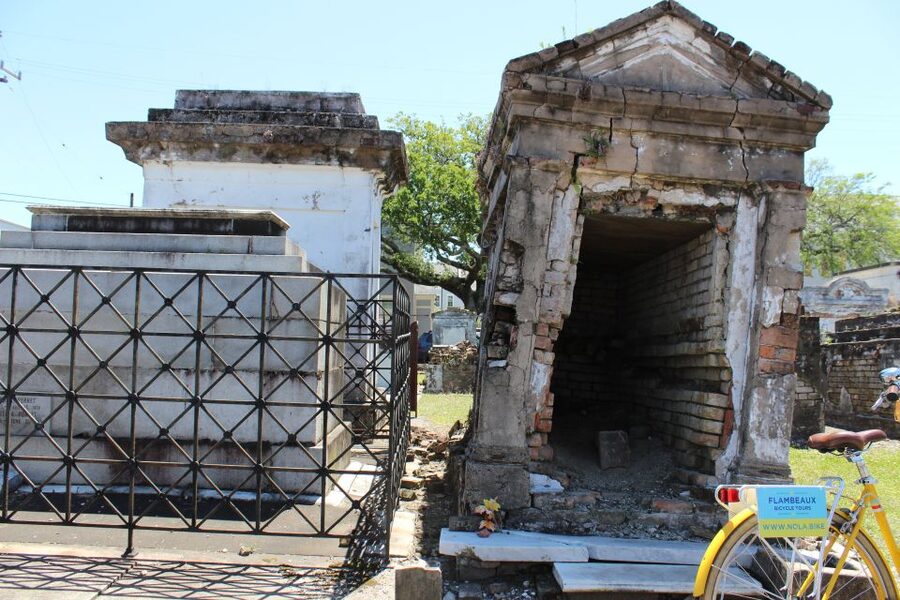
A bicycle tour depends heavily on its guide. The equipment gets you moving, but the guide determines whether the city feels connected or fragmented.
Eric is the guide most often identified in the available comments. His approach appears to combine clear historical explanation, humor, and practical local advice. People who rode with him valued his recommendations for restaurants, jazz bars, and places they could revisit on their own.
That kind of advice is especially helpful in New Orleans, where a good evening can depend on choosing the right neighborhood and timing. The tour does not include food or drinks, so you will need to plan those separately. Still, a useful restaurant or music suggestion can add real value to a $55 experience.
The guide also seems to be part of the local social fabric. One account notes that Eric greeted many people along the route and appeared to know the city’s residents. That does not guarantee the same interaction every day, but it suggests a tour shaped by local familiarity rather than a script alone.
Is $55 good value?
At $55 per person, this is not the cheapest way to see New Orleans, but it offers more than basic bicycle rental. The price includes a professionally maintained bike, water, and a three-hour guided route through five historic neighborhoods.
You are also paying for the guide’s interpretation. A rental bike can take you across the city, but it will not explain the development of Creole culture, the meaning of St. Roch Cemetery, or the connections between the French Quarter, Marigny, Bywater, and other old neighborhoods.
The small group improves the value. With no more than 10 riders, the experience should feel more personal than a large sightseeing outing. You can ask questions, hear the guide more easily, and get recommendations shaped around the places you are actually seeing.
The price makes the most sense early in your visit. Use the ride to get your bearings, note restaurants and music venues, and mark places to explore later. If you already know New Orleans well, or if you prefer museums and indoor attractions, you may find the cost less useful.
Who should book this bike tour?
I would choose this tour for someone visiting New Orleans for the first time who wants a broad introduction without spending hours on a bus. It also suits active couples, friends, and older children who can comfortably ride a bicycle.
The minimum age is 13, and anyone under 18 must be with a legal guardian. Riders must also be taller than 4 feet 11 inches, although the supplied information gives a second height figure of 4 feet 9 inches in the suitability notes. Because of that inconsistency, confirm the height requirement before booking if it could affect your group.
This tour is not right for anyone who cannot ride a bike, has a mobility impairment, or dislikes riding on city streets. It is also a poor fit if you want a food tour, a nightlife tour, or a quiet walking-only experience.
Wear comfortable shoes and plan for changing weather. The ride operates rain or shine, and helmets are optional. Comfortable clothing, attention to traffic, and a willingness to pedal slowly will matter more than athletic ability.
Booking details worth knowing
The tour lasts three hours and is usually offered in the morning. The guide speaks English, and the group is limited to 10 participants.
Hotel pickup and drop-off are not included. Food and other drinks are not included either, though a bottle of water is provided. Meet between Toulouse Street and St. Peter Street, next to Arrow Cafe.
You can cancel up to 24 hours before departure for a full refund, and the reserve-now, pay-later option lets you hold a place without paying at once. If bad weather causes a problem before the tour begins, you can reschedule or receive a refund. Once the ride has started, refunds are not offered for weather.
Should you book the Heart of the City Bike Tour?
Book it if you want a clear, friendly introduction to New Orleans that combines movement, neighborhood views, and cultural context. The relaxed six-mile route, small group, and St. Roch Cemetery stop make it more substantial than a simple sightseeing ride.
I would especially choose it near the beginning of a New Orleans stay. You will leave with a better sense of the city’s layout, several places to revisit, and practical suggestions for food and music.
Skip it if you cannot ride comfortably, need a fully weather-proof activity, or want a tour built mainly around eating, drinking, or evening entertainment. For the right rider, though, $55 buys a useful first look at the city, with enough local detail to shape the rest of your visit.
FAQ
How long is the Heart of the City Bike Tour?
The tour lasts three hours and covers about six miles at a very leisurely pace.
Which neighborhoods does the bike tour visit?
The route visits five of New Orleans’ oldest neighborhoods, including the French Quarter, Faubourg Marigny, and Bywater.
Does the tour visit St. Roch Cemetery?
Yes. The route includes a stop at historic St. Roch Cemetery, where the guide explains New Orleans’ above-ground burial practices.
Is a bicycle and helmet included?
A professionally maintained bicycle and a bottle of water are included. A helmet is available but optional.
What age and height requirements apply?
Participants must be over 13 and taller than 4 feet 11 inches according to the main tour information. Anyone under 18 must be accompanied by a legal guardian.
What happens if it rains?
The tour operates rain or shine. If bad weather occurs before the tour, you can reschedule or receive a refund. Refunds are not offered after the tour has begun.
New rides added around the USA
- Portland: Food Carts of the Eastside Bike Tour★ 4.9 · 16 reviews
- Portland: E-Bike Tour at Multnomah Falls★ 4.8 · 20 reviews
- Essential Portland: 2-Hour Guided Bike Tour★ 4.8 · 43 reviews
- Pittsburgh: Beauty of the Burgh Bike Tour★ 4.9 · 37 reviews
- Oahu: Waikiki E-Bike Ride and Manoa Falls Hike★ 4.9 · 28 reviews
- Oahu: Kualoa Electric Bike Tour★ 4.6 · 14 reviews
- NYC: Central Park Guided Bike Tour★ 4.8 · 11 reviews
- NYC: Central Park Guided Electric Bike Tour★ 4.9 · 25 reviews
USA Bike Tours, compared.



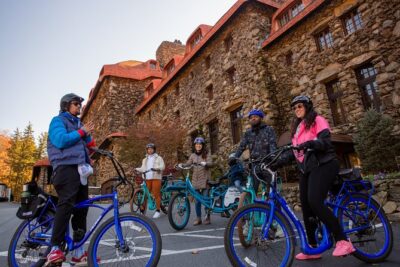
Asheville Historic Downtown Guided Electric Bike Tour with Scenic Views
Read our review →

Browse the lists this tour appears in