
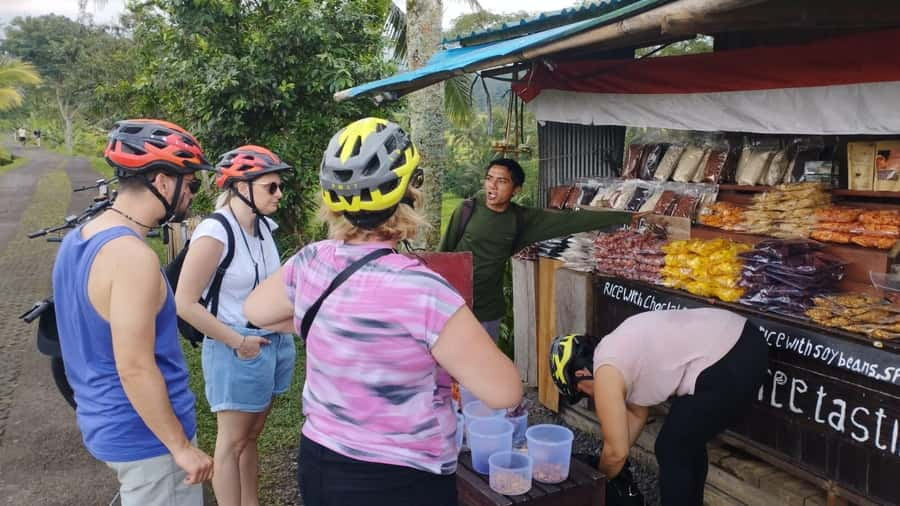
Review · INDONESIA
Jatiluwih (UNESCO Site) 2-Hour E-Bike Cycling Tour
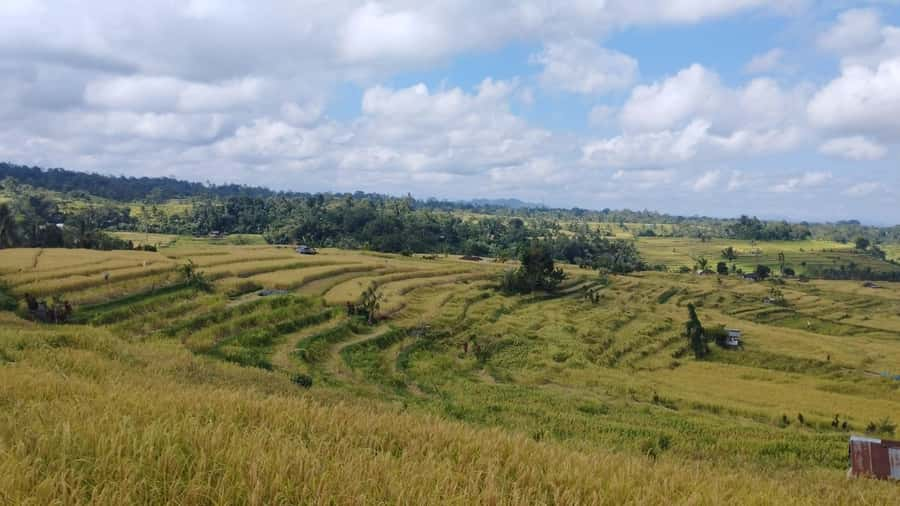
Jatiluwih’s best feature is its scale: more than 300 hectares of rice terraces spread through a valley framed by four extinct volcanoes. An e-bike gives you a practical way to cover the long approach from Batukaru Temple without turning the ride into a fitness test. I especially like the mix of rice terraces and village roads, plus the chance to see bamboo forest and tropical jungle before reaching the main UNESCO area.
I also like the small group limit of 12, the English-speaking local guide, and the included Indonesian lunch. The main concern is equipment and timing. Recent August 2025 booking reports described several mechanical problems, missing helmets on one outing, and much less actual cycling than expected. Check your bike and safety gear before you leave.
Key points to know before you book
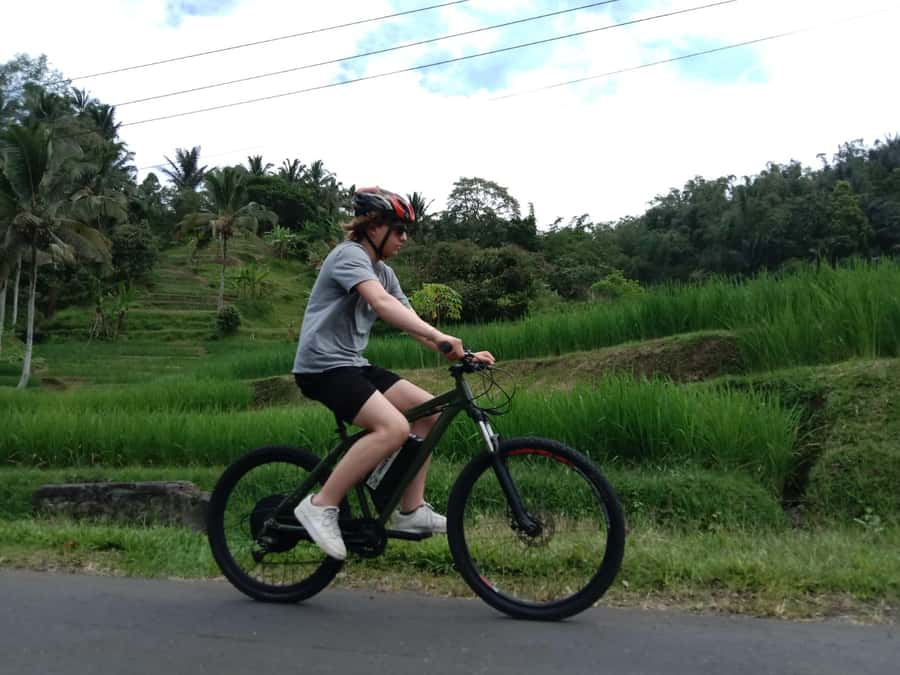
- Ride from Batukaru to Jatiluwih: The route begins near Batukaru Temple and gradually shifts from jungle and villages to the famous rice terraces.
- See more than the postcard view: You pass giant bamboo, tropical vegetation, local homes, farm roads, and broad valley scenery.
- E-bikes make the hills manageable: You still need to ride and control the bike, but electric assistance reduces the strain.
- Lunch is part of the experience: An Indonesian meal with free-flow water, coffee, and tea follows the ride.
- Allow for a flexible two hours: The advertised duration includes stops, guiding, and transitions, so the time spent pedaling may be shorter than expected.
- Inspect the equipment first: Confirm the brakes, tires, electric assistance, and helmet before setting off.
Why Jatiluwih works so well by e-bike
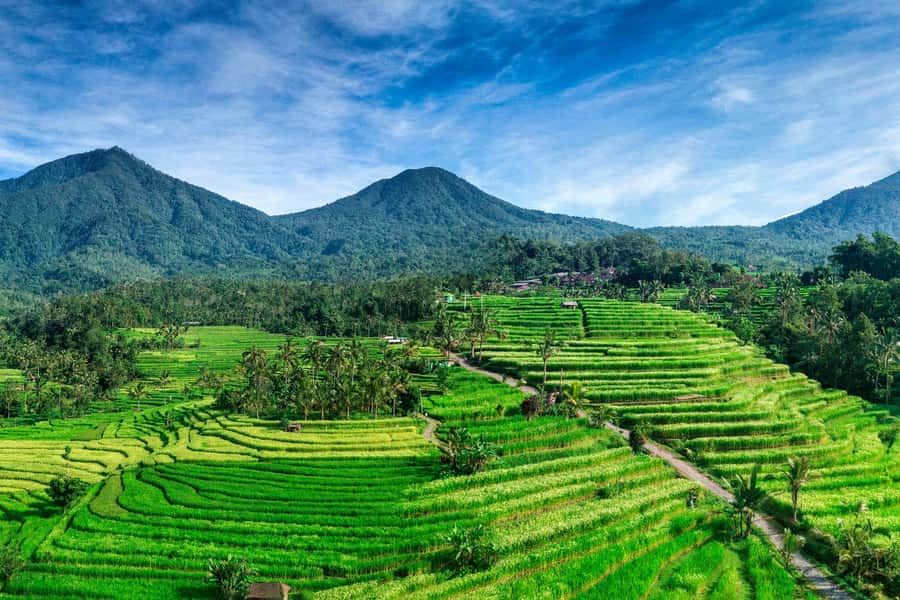
Jatiluwih is not a single viewpoint with a short path around it. It is a large farming area, with rice terraces running across slopes and valleys for more than 300 hectares. That size is exactly why a bicycle helps.
A car can take you to the main viewing areas, but you see the place differently from a quiet road. On two wheels, you pass close to village homes, bamboo stands, irrigation channels, and working fields. You also move slowly enough to notice how the terraces change shape as the road rises and falls.
The electric motor matters here. Bali’s central highlands are not flat, and even a short ride can include slopes. You still pedal, steer, and brake, but the motor takes some pressure off your legs. For someone who wants to see Jatiluwih without committing to a hard mountain ride, this is a sensible middle ground.
The tour is also a good fit if you enjoy scenery but do not want a full-day cycling program. Two hours is short enough to fit into a busy Bali schedule, though you should understand that it may not mean two full hours in the saddle.
More E-Bike Tours in Indonesia
- Ubud: Rice Terraces & Villages Half-Day Fat Tire E-Bike Tour
★ 4.9 · 602 reviews - Ubud eBikes Tour to Tegallalang Rice Terrace
★ 5.0 · 507 reviews - Electric Bike Tour in Ubud
★ 5.0 · 281 reviews
Starting near Batukaru Temple
The meeting point is in the Batukaru Temple area, near the pool before the temple entrance. The tour does not include a temple visit. If you select hotel pickup, the driver collects you from the lobby of your hotel or villa and brings you to the starting point.
That location puts you on the western side of the Jatiluwih area. The opening section toward Jatiluwih is scenic, but it is not the same as the famous central terrace zone. Expect jungle, bamboo, village roads, and farmland before the broad rice-field views arrive.
This distinction matters when you set expectations. If you have seen photographs of endless green terraces, those views are part of the ride, but they may not appear immediately after you mount the bike. The early route has its own appeal, with thicker vegetation and a more local feel.
Before riding, take a moment to get comfortable with the e-bike. Ask the guide to show you the controls, especially the assistance setting and brakes. Look over the tires and chain, and make sure the helmet fits securely. This is not fussy preparation. It is the best way to avoid losing time to a mechanical problem later.
Through jungle and giant bamboo
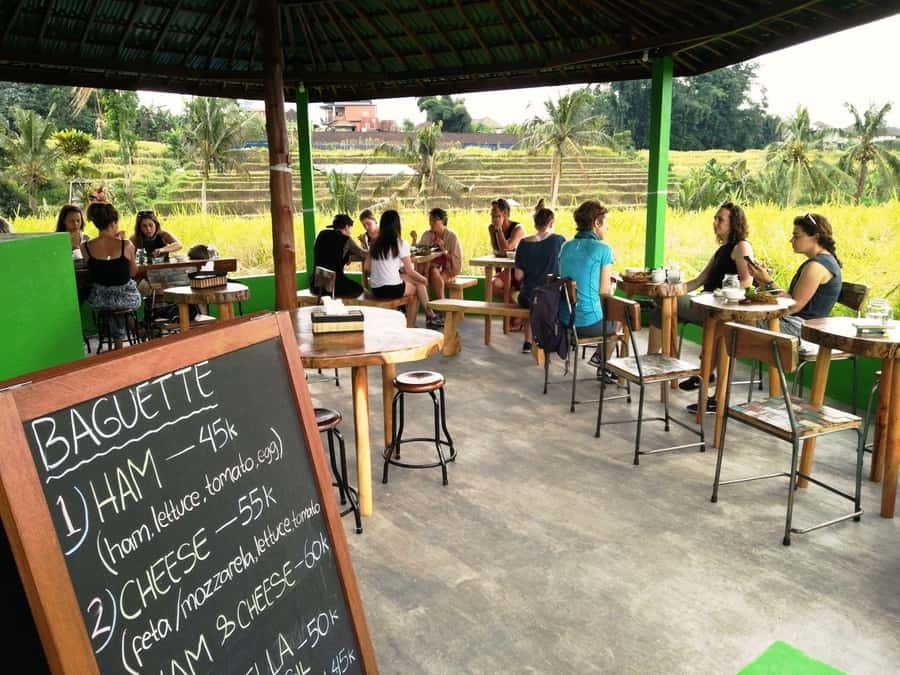
The first part of the ride leads through dense tropical vegetation and giant bamboo forest. This section gives the trip some variety. You are not simply following a road beside rice fields for two hours. The scenery shifts between shaded greenery, open farmland, village buildings, and rising views across the valley.
Bamboo is a particularly memorable part of the route. Tall stands can create a tunnel-like feel beside the road, while other sections open toward fields and hills. The experience is less polished than a dedicated sightseeing path, which is part of its value. You are moving through places used by local residents rather than only through areas arranged for visitors.
Your guide provides commentary in English about Jatiluwih and the surrounding countryside. The supplied information does not name the guides, so you should not expect a particular person by name when booking. The guide’s role is important here because the scenery needs context. Without explanation, a rice terrace can look like a beautiful green slope. With explanation, you begin to understand it as farmland shaped by water, labor, and village cooperation.
The guide can also help the group manage the pace. A small group of up to 12 is easier to keep together than a large cycling convoy, though you should still stay alert on bends and uneven sections.
Reaching the UNESCO-listed rice terraces
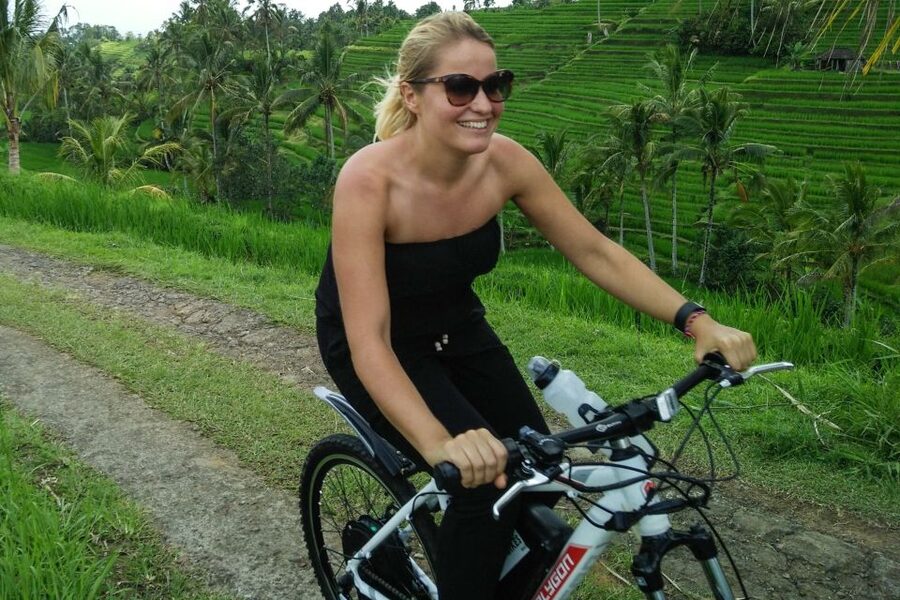
Jatiluwih is recognized for its traditional rice-growing area and its connected irrigation system. One of the most useful details shared on the ride concerns the Subak system, the traditional Balinese approach to managing water among farming communities.
That context gives the terraces more meaning. The fields are not just attractive patterns cut into the hills. They depend on water distribution and cooperation between villages and farmers. The green slopes you see are working agricultural land, not a decorative park.
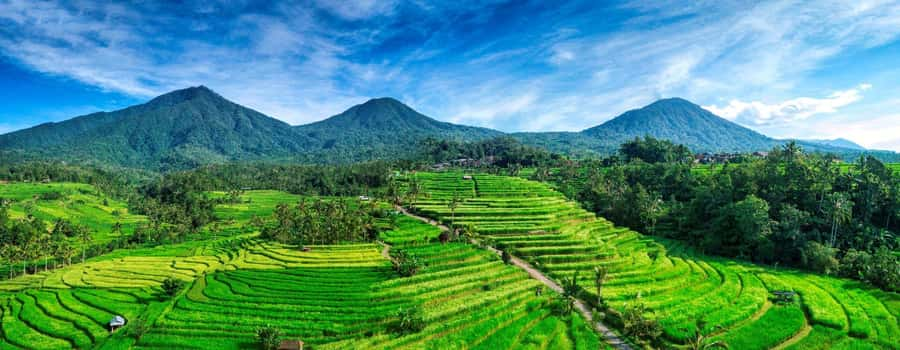
The central Jatiluwih section is the visual high point for many people. The terraces spread across the valley, with tropical vegetation filling the spaces between fields and distant volcanoes shaping the horizon. The combination of open views and cultivated land is what makes this part of Bali so memorable.
You may stop several times for photographs or commentary. Those stops are useful, but they also explain why the actual riding time can feel short. One August 2025 outing was described as roughly 20 minutes of cycling with about 1 hour and 40 minutes spent stopping. Another report said the total time on the bike was about an hour during a two-hour booking.
That difference is important. If you want continuous cycling, this may feel disappointing. If you prefer a guided sightseeing ride with pauses, the stop-and-go format may suit you better. Ask at the start how much riding the group expects to do and what the planned stops are.
Same wheels, a different route:
- Electric Cycling Tour of Ubud with Free Hotel Transfer and Lunch
★ 5.0 · 1,397 reviews - From Ubud: Downhill Bike Tour with Rice Terraces and Meal
★ 4.9 · 664 reviews - Menoreh Village Cycling
★ 5.0 · 611 reviews - Ubud: Downhill Cycling with Volcano, Rice Terraces and Meal
★ 5.0 · 536 reviews
Safety, bikes, and the recent equipment concern
The biggest practical issue is not the scenery. It is the condition of the equipment and the level of care on the road.
The tour includes an e-bike, helmet, insurance, and a guide. However, an August 2025 group reported five bike problems among ten participants within one hour. Another group reported that helmets were not provided. A separate account described three falls, including two riders who ended up in the rice fields and continued muddy or wet, with one person injured.
These reports do not mean every departure will have the same problems, but they are serious enough to affect your booking decision. Before leaving, confirm that every rider has a helmet. Test both brakes. Check that the motor engages properly, the tires look sound, and the saddle is comfortable. If anything feels wrong, ask for a replacement before the group moves out.
The route may include uneven roads, slopes, and narrow sections. You need to be comfortable balancing and braking on a bicycle. This is not suitable for someone who cannot ride a bike, and the operator lists a minimum height of 4 feet 8 inches, or 145 centimeters. The maximum listed weight is 260 pounds, or 118 kilograms.
Wear sports shoes rather than sandals. Comfortable clothing, sunglasses, sunblock, and a hat or cap are sensible choices. Bring a camera, but protect it from rain and splashes. Raincoats are provided when needed, which is useful in Bali’s changeable mountain weather.
What the Indonesian lunch adds
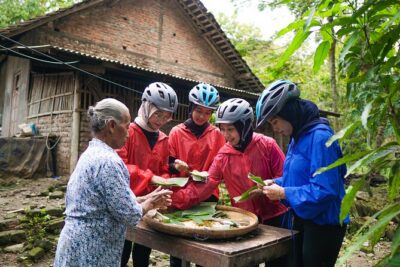
After the ride, you eat at a nearby restaurant. Lunch includes an Indonesian meal, along with free-flow water, coffee, and tea. This is a useful finish because the tour takes place away from the main resort areas, and a local meal keeps the day tied to the setting.
A typical example mentioned in the booking feedback was nasi, or rice served as part of an Indonesian meal. The quality can vary. One account described the meal as tasty, while another called it dry and disappointing. I would treat lunch as a convenient included meal rather than the main reason to book.
The setting is part of its appeal. Eating after the ride, with the Jatiluwih countryside nearby, gives you time to cool down and talk through what you have seen. A cold towel at the end of the e-bike tour is also included, along with water.
If food is a major part of your decision, keep your expectations measured. The meal is included in the price, but the information does not promise a choice of dishes or special dietary arrangements. Ask the operator directly if you have a food allergy or strict dietary need.
Is $69 a fair price?
The listed price is $69 per person. That includes the e-bike, helmet, Jatiluwih admission, guide, insurance, water, cold towel, lunch, and raincoat when needed. Hotel transfers are included only if you choose the pickup option.
For a small-group experience with transport available, entry included, and lunch supplied, the price can be reasonable. You are paying for more than bike rental. The guide, equipment, access to the protected area, and the convenience of combining several sights in one short outing all add value.
The calculation changes if you expect two solid hours of cycling. The duration includes introductions, stops, explanations, photographs, and lunch-related transitions. Given the reports of much shorter riding time, you should compare this with a simple Jatiluwih visit by car or a longer cycling tour if pedaling is your main goal.
I see the best value here for someone who wants an active sightseeing trip, not for a serious cyclist seeking distance. The experience combines several elements that would otherwise require separate planning: jungle, bamboo, villages, terraces, a guide, entrance admission, and lunch.
Who should book this Jatiluwih tour?
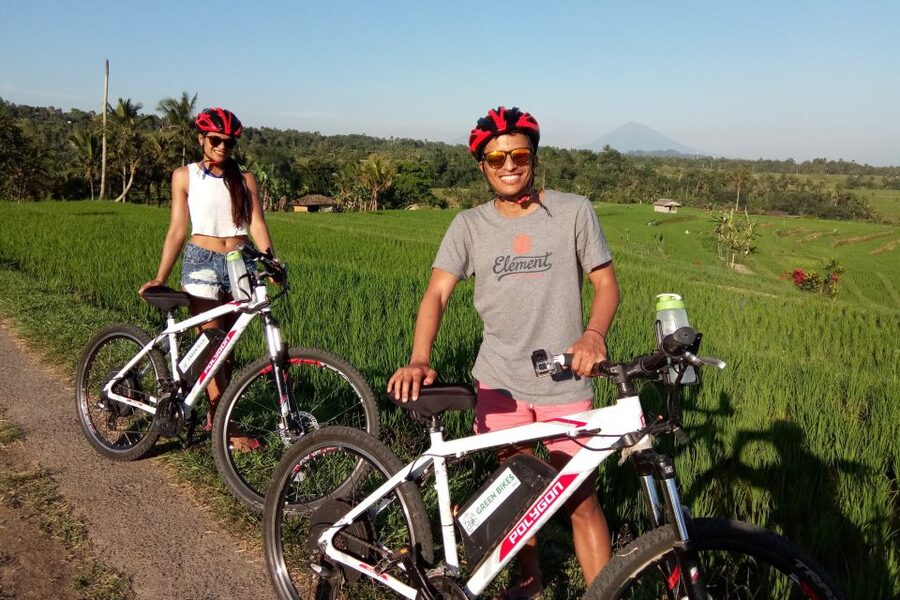
This outing suits you if you can ride a bicycle, enjoy a gentle outdoor activity, and want to see rural Bali from ground level. It is especially practical for people staying in or around Ubud who want a structured visit to Jatiluwih without arranging their own transport and route.
It also suits first-time e-bike users. The electric assistance makes the terrain less demanding, though you still need basic cycling control. The small group size should make instructions and stops easier to manage than on a large bus excursion.
You may want a different experience if you are an experienced cyclist hoping for a long, uninterrupted ride. The stop-heavy format and reported equipment problems could frustrate you. It may also be a poor choice if you dislike muddy roads, uneven surfaces, or the possibility of rain.
The tour is not suitable for non-cyclists, people under 145 centimeters, or people over 118 kilograms. Those limits are operational requirements, not minor suggestions.
Timing, pickup, and booking flexibility
The activity lasts two hours, with starting times based on availability. If you use hotel pickup, leave extra time for the drive from Ubud. One August 2025 account specifically warned that the pickup schedule did not allow enough margin when coming from Ubud.
That is useful advice even though the exact transfer time depends on your hotel and traffic. Give yourself a generous morning or afternoon window rather than scheduling another fixed activity immediately afterward.
The tour allows free cancellation up to 24 hours before departure for a full refund. You can also reserve now and pay later. Those policies help if your Bali plans are still shifting, though you should still confirm the final pickup time and meeting instructions before the day.
Should you book it?
Book this Jatiluwih e-bike tour if your priority is a short, scenic introduction to Bali’s farming country, with an easy motor-assisted ride, a local guide, and lunch included. The views, bamboo forest, village roads, and wide rice terraces give the outing real variety.
Book with caution if the promise of a full two-hour ride is central to your plans. Ask how much cycling is expected, check the bike and helmet before departure, and speak up immediately if the equipment is faulty. For $69, the package can be good value when the gear works and the ride includes plenty of time in the terraces. If you want distance and dependable cycling time above all else, choose a longer or more cycling-focused option instead.
FAQ
How long does the Jatiluwih e-bike tour last?
The tour duration is two hours. That time includes riding, stops, guide commentary, and transitions, so the actual time pedaling may be shorter.
Where does the tour meet?
The meeting point is in the Batukaru Temple area, near the pool before entering the temple. The tour does not include a visit to Batukaru Temple.
Is hotel pickup available?
Yes. Hotel or villa pickup is available if you select that option. The driver collects you from the lobby.
What is included in the price?
The package includes an e-bike, helmet, Jatiluwih admission, professional cycling guide, insurance, water, a cold towel, lunch with free-flow water, coffee, and tea, plus a raincoat when needed. Hotel transfers are included only with the pickup option.
What language is the tour conducted in?
The live tour guide speaks English.
How many people are in the group?
The tour is limited to 12 participants.
Who cannot take this tour?
The activity is not suitable for people who cannot ride a bike, people under 145 centimeters tall, or people over 118 kilograms, or 260 pounds.
What should I bring and wear?
Wear sports shoes and comfortable clothing. Bring sunglasses, sunblock, a hat or cap, and a camera. A raincoat is provided when needed.
More two-hour rides in Indonesia
- Florence: 2-Hour Guided Sightseeing Bike Tour
★ 4.5 · 1,004 reviews - 2-Hour Explore Savannah Bike Tour
★ 5.0 · 970 reviews - Florence: 2-Hour Guided Bike Tour
★ 4.7 · 646 reviews - Copenhagen: 2-hour City Highlights Bike Tour
★ 4.7 · 632 reviews
New rides added around Indonesia
- Mount Batur: Black Lava Cycling Tour w/ Natural Hot Spring★ 3.8 · 63 reviews
- Kuta: Kintamani Culture and Nature Guided Cycling Tour★ 5.0 · 14 reviews
- Bali: Jatiluwih Rice Terraces 1 Hour Electric Bike Tour★ 4.7 · 41 reviews
- E-Bike: Ubud Rice Terraces & Traditional Villages Cycling★ 4.6 · 37 reviews
- Jogja Hidden Gems – Cycling Tour★ 5.0 · 12 reviews
- Bali: Kintamani Downhill Bike Tour, Jungle and Waterfalls★ 4.9 · 20 reviews
- Ubud: Downhill Cycling with Volcano, Rice Terraces, and Meal★ 4.9 · 189 reviews
- Bali Downhill Cultural Cycling Tour★ 4.8 · 42 reviews
Indonesia Bike Tours, compared.
Electric Cycling Tour of Ubud with Free Hotel Transfer and Lunch
Read our review →
Rice Terraces & Villages Half-Day Fat Tire E-Bike Tour
Read our review →
Downhill Cycling with Volcano, Rice Terraces and Meal
Read our review →
Downhill Bike Tour with Rice Fields, Volcano and Meal
Read our review →Browse the lists this tour appears in