

Review · AUSTIN
Austin: Electric Bike City Sightseeing Tour
Austin’s best introduction may come with two wheels and a small electric motor. This 150-minute ride links Barton Springs, South Congress, downtown, and the Texas State Capitol without asking you to walk between far-flung sights or puzzle over city streets on your own. Guides such as Michael, Peter, Toby, and Rob bring local stories, music talk, and plenty of practical orientation.
I like the gentle push of the pedal-assist bikes, which lets you cover much more ground than a walking tour. I also like the mix of parks, murals, trails, landmarks, and city streets. The main consideration is the bike itself: one rider found the top-tube crossbar awkward, so ask about bike fit before setting off if mounting a standard frame is difficult for you.
Key details before you book
- Barton Springs starts the ride with a 68-degree natural pool: The water comes from three springs and stays the same temperature year-round.
- South Congress adds Austin color: You stop at well-known murals with time for photographs.
- The route covers a lot in 150 minutes: You see downtown, historic 6th Street, the Capitol, Shoal Creek, and the riverfront bridge.
- Local guides shape the experience: Michael, Peter, Toby, Rob, Ace, Marc, and others have been praised for city stories, humor, safety, and route knowledge.
- The electric bikes make distance manageable: You still pedal, but the motor helps on a longer city ride.
- The cost is $69 per person: That includes the bike, helmet, guide, safety briefing, bottled water, and sunscreen, but not food, drinks, hotel transport, or gratuity.
Why an e-bike is a smart way to see Austin

Austin spreads its signature sights across several districts. Barton Springs sits near Zilker Park, South Congress is across the river, the Capitol is north of downtown, and the Shoal Creek route takes you back through another part of the city. Walking between these points would eat up much of your day.
The pedal-assist bike solves that problem. You do the work, but the motor takes the edge off longer stretches and small rises. I would not call this a passive sightseeing ride. You need to steer, pedal, brake, and pay attention to traffic and other riders. Still, the electric assistance makes the route practical for people who want a workout without arriving at the Capitol worn out.
The ride suits a range of ability levels, according to the detailed experiences shared about the tour. Some people had never used an e-bike before, while others already rode regularly. The staff gives you time to get comfortable, and the guide leads the group at a controlled pace.
That opening practice matters. You receive a safety briefing, get fitted with a helmet, and take part in a short warm-up before leaving the shop. You should use this time to test the brakes, adjust the seat, and ask how the pedal assist works. A few minutes spent getting the bike right can make the rest of the ride much more pleasant.
More City Bike Tours in the USA
- Asheville Historic Downtown Guided Electric Bike Tour with Scenic Views
★ 5.0 · 1,234 reviews - New York City: Highlights of Central Park Bike or eBike Tour
★ 4.6 · 800 reviews - The Ultimate LA Tour: Full Day Sightseeing Tour On Electric Bike
★ 5.0 · 478 reviews
Barton Springs and the cool start to the route
The first major stop is Barton Springs, one of Austin’s most distinctive outdoor spots. The pool is filled entirely by water from three springs, and its temperature stays around 68 degrees throughout the year. That is refreshingly cool in hot weather and brisk enough to make you think twice before jumping in.
You will not be swimming as part of this tour. The stop gives you a look at a place that helps explain Austin’s outdoor culture. People come here to exercise, cool off, and spend time outside, and the pool feels very different from a standard chlorinated municipal pool.
This is also a useful early pause. You have just learned the bike and begun riding, so stopping for local context and photographs breaks up the first part of the route. One practical note: if you prefer a fast-moving sightseeing tour, the guide may spend more time here than you would choose on your own. The stop is interesting, but you may want to say so if your group is eager to keep moving.
The supplied water and sunscreen are especially useful in Austin’s sun. Even on a comfortable day, you are outdoors for two and a half hours, and the bike route includes open stretches. Bring sunglasses and clothing suited to riding, since the tour does not include food or drinks beyond the bottled water provided.
South Congress murals and Austin’s photo stops

From Barton Springs, the ride heads toward the South Congress district. This is one of the most recognizable parts of Austin, with a strong music, food, shopping, and street-art identity. The tour focuses on the murals, giving you time to stop and take photographs rather than simply passing them from a moving bike.
That pause is valuable. A city ride can easily become a blur of landmarks, but stopping at several locations gives you something to take home besides a general sense of where everything is. It also lets the guide explain how the area fits into Austin’s character.
The mural stops are a good match for first-time visitors who want photographs without planning a separate route. They are less useful if you have already spent a full day exploring South Congress and want a tour devoted mainly to architecture or local food. This experience is broad by design. It gives you a first look at many parts of the city rather than a long stay in one district.
The route also passes through residential areas and along scenic paths. That variety is one of the ride’s strengths. You see Austin as a functioning city, not just a string of famous attractions.
The bat colony and the approach to downtown
The next part of the route heads toward Austin’s famous urban bat colony. The tour takes you to the area associated with the world’s largest urban colony of bats. Depending on timing and conditions, you might see bats, and one detailed account specifically noted that the group did.
It is best to think of this as a stop with a chance for a memorable sight, not a guaranteed wildlife show. The bats are seasonal and dependent on the right conditions, and the supplied information does not promise a particular viewing experience. Even without a large emergence, the location adds an unusual piece of Austin to the route.
From there, you head north toward downtown. The change is quick and instructive. One moment you are near the water and open recreational areas; soon you are moving toward the city center and its major streets. This is where the guide’s local perspective helps. Several guides have been praised for explaining Austin’s growth, neighborhoods, architecture, music, and changing identity.
Michael has been singled out repeatedly for his long connection to Austin and his ability to mix facts with funny details. Peter and Toby have also been praised for clear instruction and local insight, while Rob has been noted for explaining history, architecture, and current city life. The exact guide depends on the departure, so book this for the route and format rather than for one guaranteed individual.
More E-Bike Tours in the USA
- Red Rock Canyon eBike Half-Day Tour
★ 5.0 · 1,870 reviews - Austin Biker Gang E-Bike Tour
★ 5.0 · 1,399 reviews - Siesta Key Electric Bike Sunset Tour
★ 5.0 · 1,075 reviews - Austin Electric Bike Tour: Let it Ride
★ 5.0 · 892 reviews
6th Street, the Capitol, and the city’s public face
As you enter downtown, the route passes historic 6th Street, one of Austin’s best-known entertainment districts. This is not a bar crawl. You see the area as part of the city’s wider story, and the guide may provide context about its role in Austin’s nightlife and music culture.
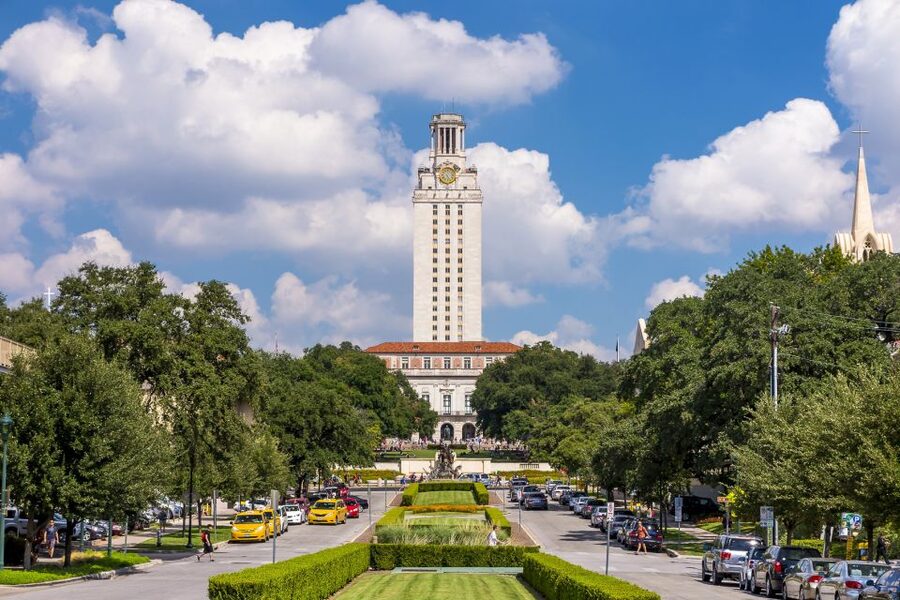
The ride continues to the Texas State Capitol. This is the tour’s most formal landmark, and it gives you a chance to pause beside one of the state’s key public buildings. The stop works well for photographs and orientation, especially if this is your first visit to Austin.
You should not expect a full interior tour of the Capitol. The stated itinerary takes you to the building, but it does not promise an extended indoor visit or a guided examination of every room. If entering the Capitol is a priority, plan separate time for that. The bike tour gives you an efficient outside look and places the building within the city route.
One useful point came through in the feedback: a rider wished the guide had addressed the African American memorial near the Capitol. That is a fair reminder that a short tour cannot cover every story connected with a major public site. If that memorial interests you, make a point of asking about it or return afterward for a closer look. The Capitol stop is a good starting point, not the final word on Texas history.
Shoal Creek, the library, and Pfluger Pedestrian Bridge
The final section leaves the busiest downtown streets and follows the Shoal Creek trail toward the Austin Public Library and Pfluger Pedestrian Bridge. This gives the ride a calmer finish and shows another side of Austin’s public spaces.
The trail portion is one of the reasons I would choose this tour over a standard vehicle excursion. You get a sense of how the city connects parks, waterways, paths, and downtown districts. Several people have described the route as safe and comfortable for different riding levels, with much of the ride using trails and bikeways.
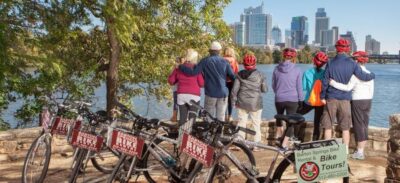
Pfluger Pedestrian Bridge provides a scenic closing point. It crosses Lady Bird Lake and gives you views across the water and toward the city. You also get a final photo opportunity before returning to the shop.
The route back is not simply a repeat of the opening ride. By this point, you have seen natural swimming water, street art, nightlife history, government architecture, a wildlife site, and public trails. That range makes the tour useful as an orientation ride. Afterward, you can decide which districts deserve a longer visit on foot.
The guides make a real difference
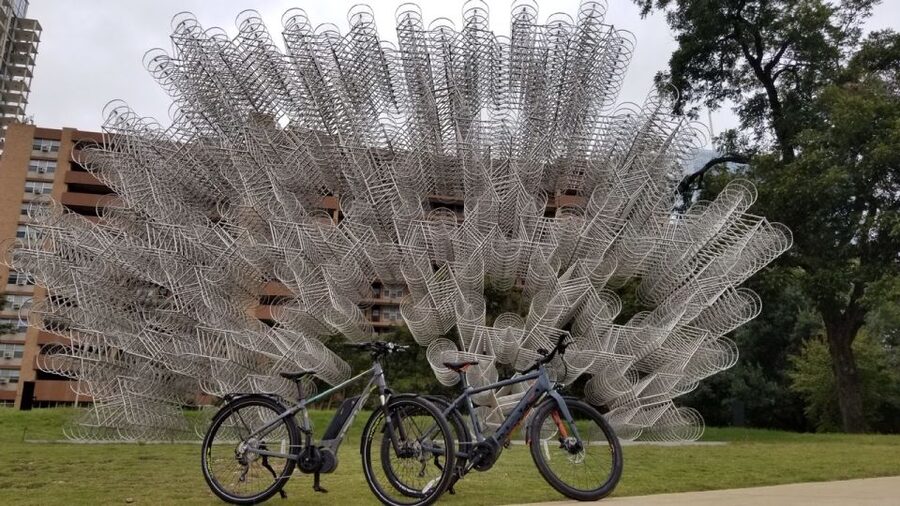
The strongest part of this experience is the guide-led format. A bike can get you from place to place, but a good guide turns the route into a story.
The guiding team has included Michael, Peter, Toby, Rob, Ace, Marc, Parker, and others. Names and assignments can change, but the pattern is clear: the guides are expected to manage safety while adding local detail. Ace has been praised for energetic delivery, humor, a music playlist, and confident handling of busy streets. Marc has been appreciated for combining local facts with a relaxed sense of fun.
This is not just background chatter. A guide who knows the roads can help you cross congested areas, keep the group together, and choose practical stopping points. Toby has been noted for checking that riders were comfortable with the bikes and providing water when needed. That sort of attention matters more than a polished speech.
The guide style may vary. Some people prefer lots of facts, while others want more jokes and fewer lectures. The tour appears to balance both. You can expect stories about Austin’s past and present, but not a university seminar on every building you pass.
Price, pace, and who gets good value

At $69 per person, this sits in a reasonable range for a guided city activity that lasts 150 minutes and includes the e-bike, helmet, instruction, bottled water, sunscreen, and a local guide. The value depends on how you use it.
If you are staying in Austin for a short visit, the tour earns its price by linking several districts in one outing. You also save the effort of planning a route that connects Barton Springs, South Congress, downtown, the Capitol, and the trails. The guide’s local tips can help you decide what to revisit later.
The value is weaker if you already know Austin well, have your own bike, or prefer to spend an hour at each attraction. This is a survey tour, not a slow cultural visit. You see many places, stop for photographs, and keep moving.
Food and drinks are not included, and neither are hotel pickup, drop-off, or gratuities. Build those costs and arrangements into your day. Free cancellation is available up to 24 hours before the tour for a full refund, and you can reserve while paying later, which helps if your schedule is still shifting.
Practical fit, age rules, and bike comfort
The tour is not suitable for children under 16. It is offered in English with a live guide.
You should be comfortable riding a bicycle before booking. The electric assist helps with distance, but it does not remove the need to balance, steer, brake, and ride near other people and vehicles. The pre-ride safety session is designed to help, especially if you are new to pedal-assist bikes.
Bike fit deserves attention. One rider found a standard top-tube crossbar less comfortable for their wife. If you have limited mobility, trouble swinging a leg over a frame, or a strong preference for a step-through bike, ask the operator about available bike styles before paying.
Wear clothes that let you pedal freely, use sunscreen, and bring any extra drink or snack you need. The tour supplies bottled water and sunscreen, but food and additional drinks are your responsibility.
Should you book the Austin electric bike tour?
Book it if you want a lively first look at Austin and like the idea of covering several districts under your own power. It is especially useful during a first visit, when Barton Springs, South Congress, downtown, 6th Street, the Capitol, Shoal Creek, and Pfluger Bridge can otherwise feel scattered.
I would choose it for couples, friends, and families with older teenagers who want local stories along with movement and photographs. I would skip it if you cannot ride comfortably, dislike city cycling, or want a slow indoor tour of the Capitol.
The best strategy is to take it early in your Austin stay. Use the ride to get your bearings, note the places that catch your interest, then return to your favorites at a slower pace. For $69, that combination of transportation, orientation, exercise, and local context makes this a strong way to meet Austin quickly.
FAQ
How long does the Austin electric bike tour last?
The tour lasts 150 minutes, or two and a half hours.
How much does the tour cost?
The listed price is $69 per person.
What sights does the tour visit?
The route includes Barton Springs, the South Congress murals, Austin’s urban bat colony, downtown, historic 6th Street, the Texas State Capitol, Shoal Creek, the Austin Public Library, and Pfluger Pedestrian Bridge.
Is the electric bike included?
Yes. The tour includes use of a pedal-assist e-bike and a bike helmet.
What else is included?
A local English-speaking guide, safety instruction, bottled water, and sunscreen are included.
Are food and drinks included?
No. Extra food and drinks are not included.
Can children join the tour?
Children under 16 are not permitted on this activity.
What is the cancellation policy?
You can cancel up to 24 hours in advance for a full refund. You can also reserve now and pay later.
New rides added around the USA
- Portland: Food Carts of the Eastside Bike Tour★ 4.9 · 16 reviews
- Portland: E-Bike Tour at Multnomah Falls★ 4.8 · 20 reviews
- Essential Portland: 2-Hour Guided Bike Tour★ 4.8 · 43 reviews
- Pittsburgh: Beauty of the Burgh Bike Tour★ 4.9 · 37 reviews
- Oahu: Waikiki E-Bike Ride and Manoa Falls Hike★ 4.9 · 28 reviews
- Oahu: Kualoa Electric Bike Tour★ 4.6 · 14 reviews
- NYC: Central Park Guided Electric Bike Tour★ 4.9 · 25 reviews
- NYC: Central Park Guided Bike Tour★ 4.8 · 11 reviews
Austin Bike Tours, compared.


Austin in a Nutshell Bike Tour with a Local Guide
Read our review →
Browse the lists this tour appears in