
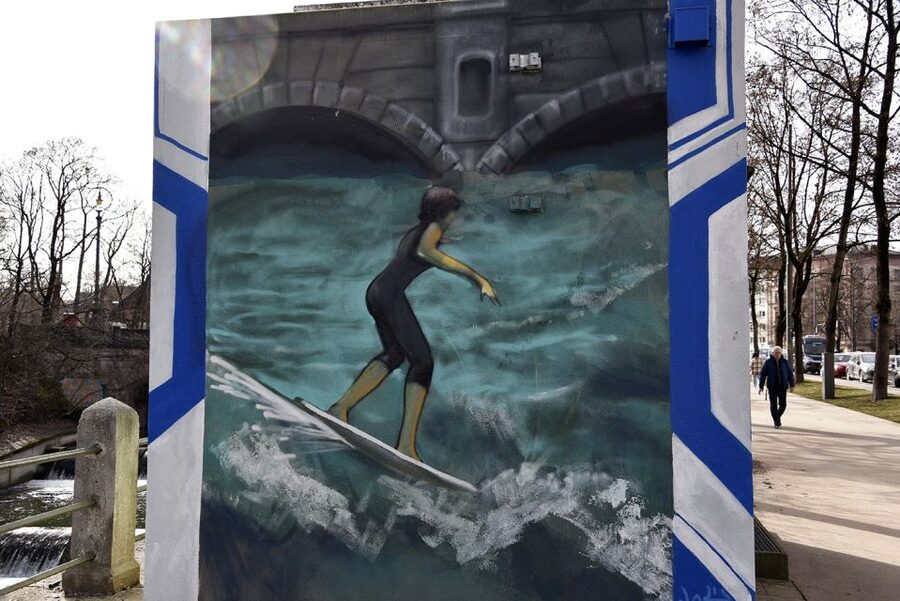
Review · MUNICH
Munich: Street Art Bike Tour
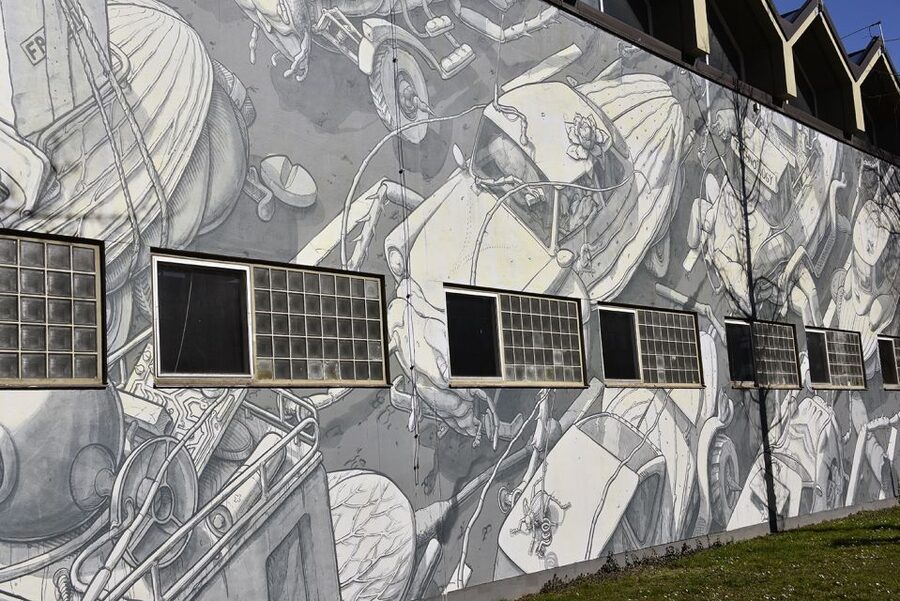
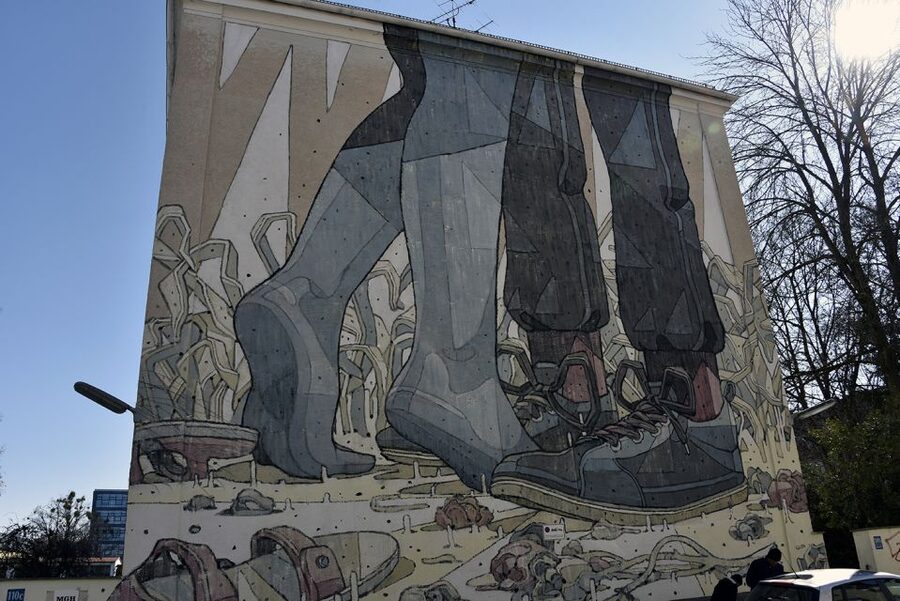
Munich’s polished center hides an unexpected past: this city helped launch Germany’s graffiti movement in the 1980s. This 210-minute bike ride takes you from Marienplatz toward the Isar, Giesing, and the slaughterhouse district, where murals and painted walls tell a less tidy story of Munich.
I like the way this tour gets you away from the postcard center, and I like the mix of old-school graffiti and newer work. The stop on a boat beneath a railway bridge is another unusual touch. The main drawback is the length: three and a half hours may be too much for younger children or anyone not comfortable cycling that long.
Key points at a glance
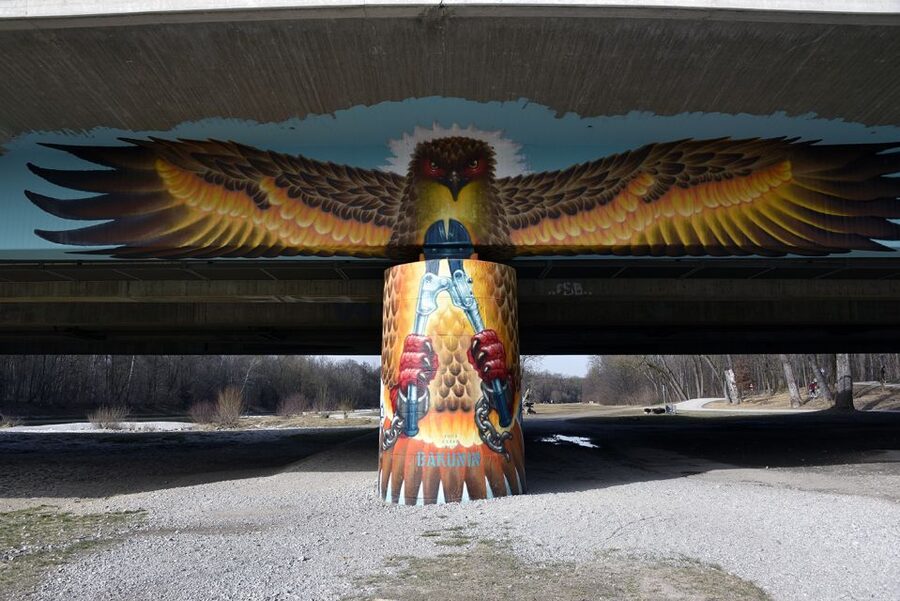
- Munich’s graffiti beginnings: Learn why the city became a major European center for graffiti in the 1980s.
- A ride beyond the center: Cycle along the Isar and continue to Giesing, a former working-class neighborhood.
- Several sides of street art: See work by artists who shaped Munich’s early scene alongside newer artists.
- A memorable break: Pause on a boat near a railway bridge in the slaughterhouse district.
- Guide Ulrike’s patient approach: Her tour has worked well for English-speaking families, even though the official tour language is German.
- Useful price point: At $40, the fee includes a guide and rental bike for a 210-minute outing.
Why Munich is a surprising graffiti city
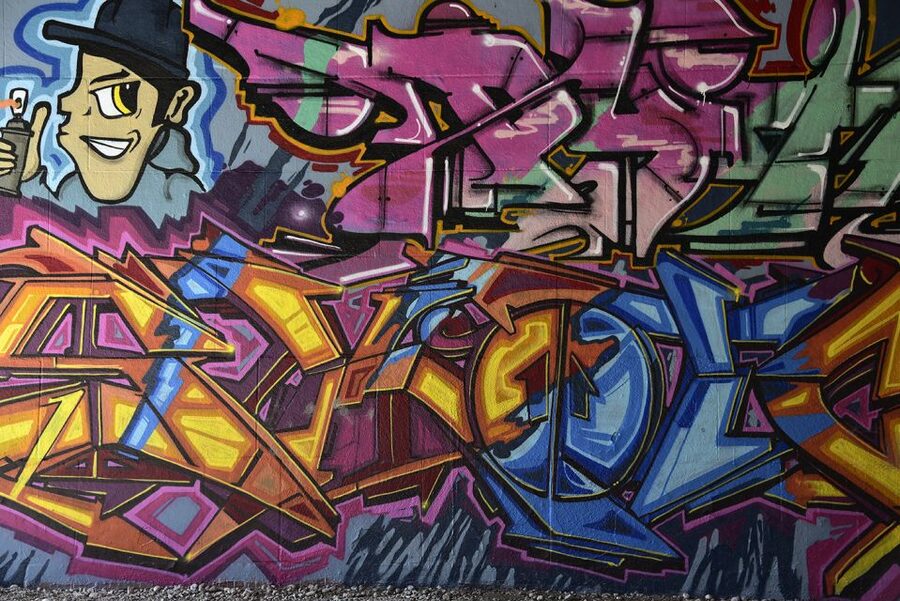
Munich is known for grand squares, orderly streets, and carefully kept buildings. That makes its graffiti past easy to miss. Yet the city was considered a mecca for graffiti artists alongside New York during the 1980s.
That background gives this ride more purpose than simply hunting for colorful walls. You are learning how an art form that was once treated as vandalism took root in a conservative-looking city. The guide connects the painted surfaces you see today with the artists and scenes that shaped Munich’s graffiti culture.
I find this useful because street art can be hard to read without context. A wall may look striking, but you may not know if it is an old piece, a recent work, a legal mural, or part of a broader local tradition. A guide helps sort out those layers.
The experience also shows Munich away from its grandest streets. You still begin at Marienplatz, but the focus quickly shifts to riverbanks, neighborhoods, industrial areas, and railway infrastructure. That change is part of the appeal.
More Street Art Bike Tours in Munich:
- London Bike Tour: Landmarks, Secret Gems, Pub Stop & Street Art
★ 5.0 · 943 reviews - London: Landmarks & Secrets Bike Tour with Pub & Street Art
★ 4.9 · 314 reviews - Mexico City; ART NACO : Murals & Street Art Bike Tour
★ 5.0 · 284 reviews
Starting at Marienplatz with a yellow sign
The meeting point is in front of the Tourist Information Office at Marienplatz. Look for the guide holding a yellow street art tour sign with red letters. This is a simple detail, but Marienplatz can be busy, so knowing exactly what to look for saves time.
The tour includes a rental bike, so you do not need to arrange one separately. You should still arrive ready to ride for several hours. The route includes cycling between several parts of Munich, along with stops to look at art and hear the story behind it.
The guide leads a private group if you select that option. Otherwise, the booking information describes a guided group outing. Group size can affect the feel of the ride, but the route itself is designed around seeing places that are not part of the standard central Munich walk.
German is the listed tour language. That matters if you are booking from outside Germany. Guide Ulrike has made a strong effort to explain the material to English-speaking participants, using patience and extra explanation when needed. Still, you should not assume a fully English-language tour unless the operator confirms it before booking.
Along the Isar, where the city loosens up
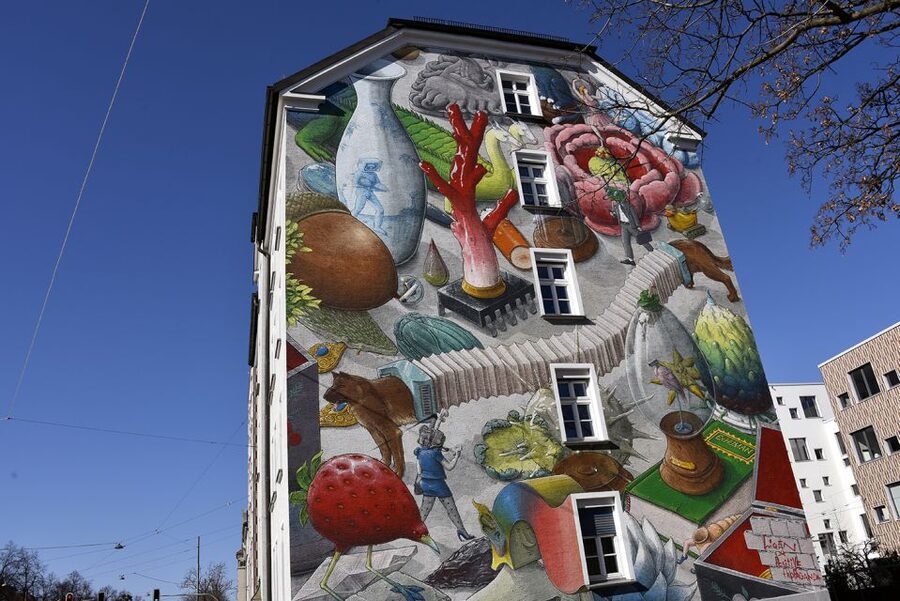
The ride heads toward the Isar river. This section changes the mood quickly. Instead of looking at Munich’s formal center, you follow a more open urban corridor where artists have left their mark.
The Isar is important here not only as scenery, but as part of the city’s everyday life. The river route gives the tour breathing room between stops and places the artwork in a setting that feels less arranged for sightseeing. You are not simply moving from one famous building to another.
I like this part for the contrast. Munich’s public image is neat and traditional, while the painted work along the river adds a rougher, more personal voice. The guide can point out how the setting, the size of a piece, and its age affect the way you see it.
Do not expect a museum-style collection where every artwork is preserved for years. Street art changes. Some pieces may be weathered, painted over, or replaced. That is not a flaw in the concept. It is part of seeing an art form that lives outdoors and changes with the city.
Giesing: a working-class side of Munich
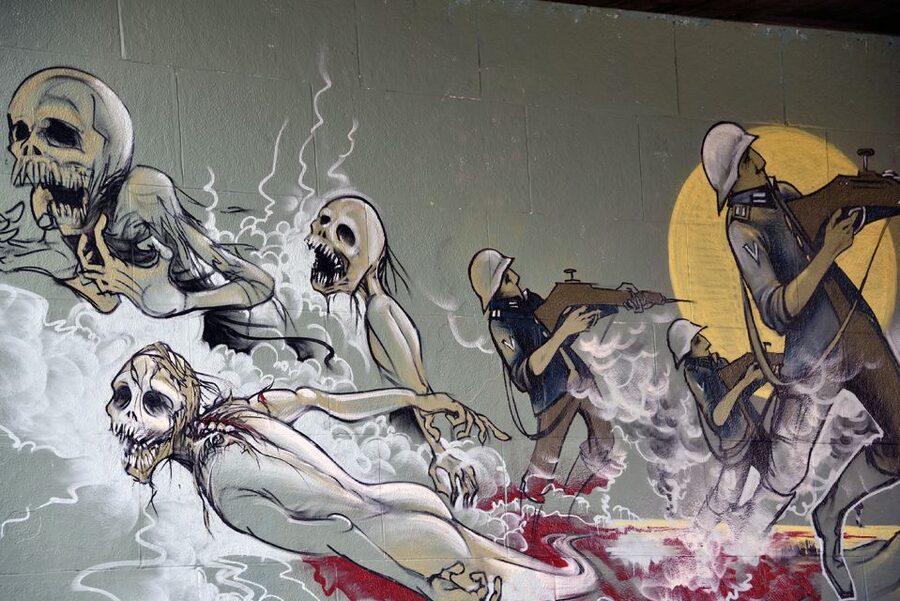
From the river, the ride continues to Giesing. This former working-class neighborhood gives the tour one of its strongest local angles.
Giesing is not presented as a formal sightseeing district. That is exactly why it works. You get a look at a part of Munich that many first-time visitors would miss if they stayed around Marienplatz, the main shopping streets, and the major museums.
The art here helps you see the neighborhood differently. Instead of treating graffiti as decoration added to an otherwise finished city, the tour places it in an area with its own social and urban character. The guide discusses the local scene and points out pieces by established artists as well as newer names.
A ride to Giesing also gives the tour a sense of distance. You are not taking a short loop around the center. You are using the bike to connect parts of Munich that would be awkward to cover on foot in one afternoon.
For families, this section can be engaging because the activity keeps moving. But the total length still matters. One parent reported that the tour felt too long for a 12-year-old, while another family with boys aged 10 and 12 found it kept them occupied for several hours. That tells you the age question is less about a strict rule and more about stamina, interest, and comfort on a bike.
Children under 10 are not allowed on the tour. Older children can join, but you should consider how they handle a 210-minute outing before booking.
More bike tours around Munich:
- Munich 3-Hour Guided Bike Tour
★ 4.5 · 1,731 reviews - Classic Mike’s Bike Tour daily @ 11.30 incl Beer Garden & Surfers
★ 5.0 · 1,246 reviews - Neuschwanstein Castle by Bus Incl. Bike Ride or Hohenschwangau
★ 5.0 · 607 reviews - Munich: Guided City Tour by Bike with Beer Garden Stop
★ 4.7 · 604 reviews
The slaughterhouse district and the railway bridge break
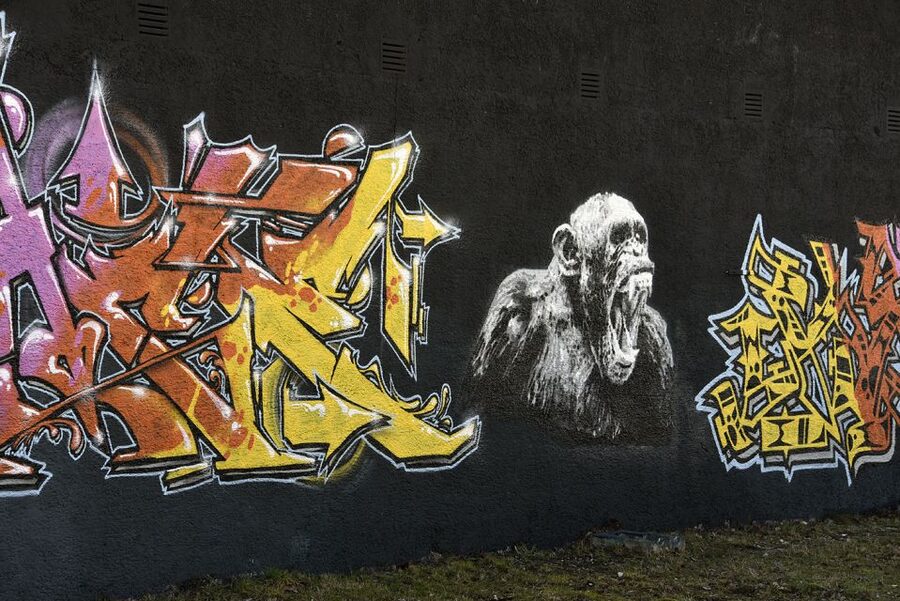
The route then heads toward Munich’s slaughterhouse district. This is another shift away from the city center and toward a more industrial setting.
The district gives the artwork a different backdrop from the river. Graffiti beside older urban infrastructure has a tougher visual character than a mural in a polished square. The tour uses that contrast to show how street art belongs to many parts of the city, not just the places designed to attract visitors.
A break on a boat near a railway bridge adds one of the most distinctive moments of the tour. It is not the sort of pause you would plan from a standard city map. You can rest from the bike, take in the surroundings, and hear more about the scene before continuing.
This stop also helps break up the three-and-a-half-hour schedule. A cycling tour needs pauses, especially when the main purpose is to look closely and listen. If you are worried that the ride will be nonstop, this break should make the pace more manageable, though the experience remains a long afternoon activity.
The information does not specify whether food or drinks are included, so do not book this as a meal stop. Its value is the setting and the chance to pause.
Old masters, newer artists, and the value of a guide
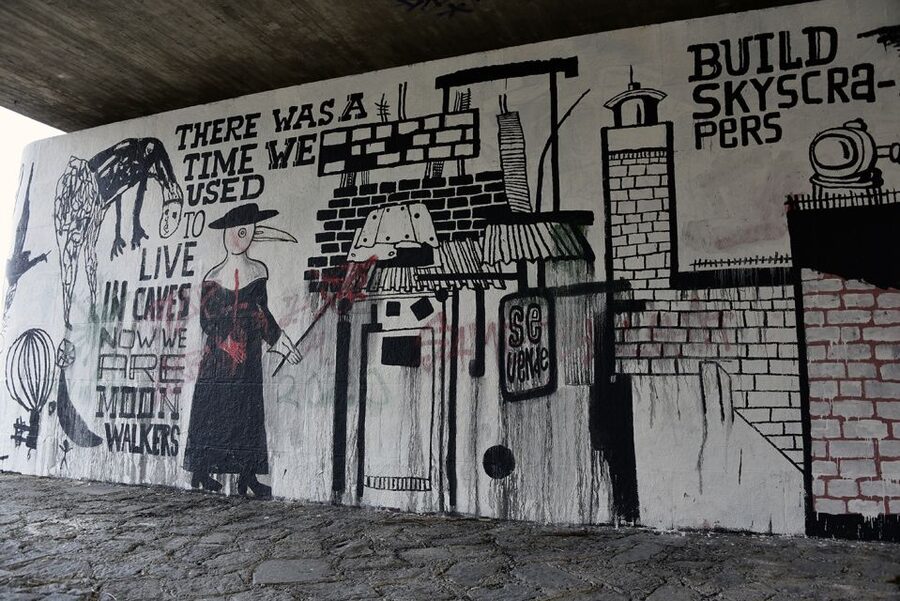
The tour includes work by older artists who helped shape Munich’s graffiti culture, along with pieces by newer street artists. That combination is important. You are not seeing a frozen version of the 1980s. You are seeing how a local art scene continues to change.
The guide supplies the facts that make the stops meaningful. You can learn about the history of graffiti, the artists associated with Munich, and the way the city became linked with the wider movement. The exact works on the day can vary, since outdoor art is not permanent, but the tour’s central subject remains the same.
Ulrike has received particular praise for being friendly, patient, and willing to explain the subject carefully. For English speakers, that is useful, but the tour is officially in German. One English-speaking family managed well because she made an effort to include them. I would still contact the operator if language is central to your choice.
This is also a good tour for anyone who wants more than photographs. You will see plenty of color, but the strongest part is the story behind it. The guide turns a ride through unfamiliar streets into a lesson in Munich’s modern cultural identity.
What the $40 price really covers
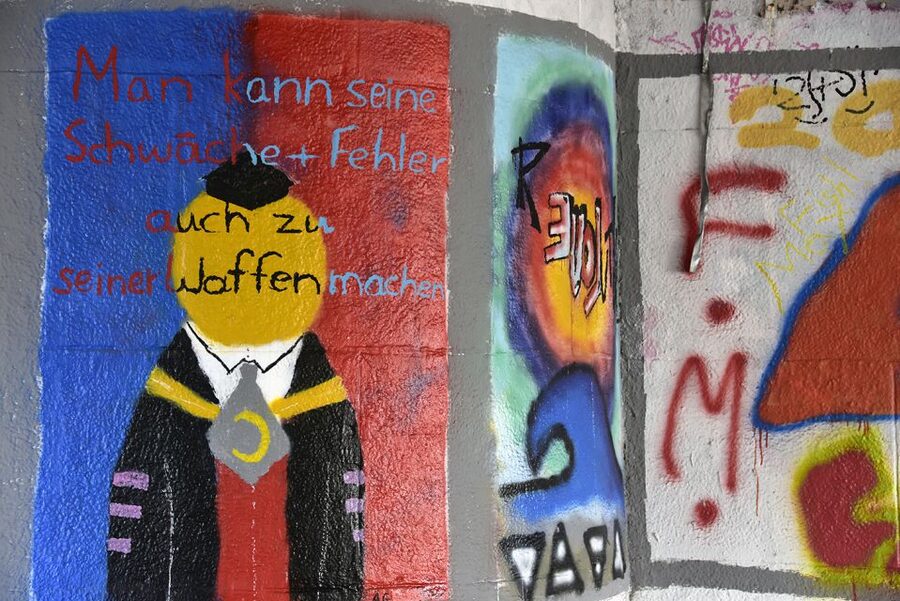
The price is $40 per person. That includes the tour guide and rental bike, which makes the fee reasonable for a 210-minute guided activity.
The value depends on how you would otherwise explore Munich. If you already have a bike and plan to seek out street art on your own, you could spend less. But you would need to find the locations, work out the route, and research the city’s graffiti background yourself.
For me, the guide is the main reason to pay. The route reaches Giesing and the slaughterhouse district, places that may not appear on a first-time visitor’s plan. The bike also lets you cover more ground than a walking tour without turning the afternoon into a series of public transport connections.
The price is less attractive if you are mainly looking for a short introduction to Munich or a quick photo stop. This is a specialist tour with a long duration. You are paying for local interpretation, transport by bicycle, and access to a side of the city that standard sightseeing does not cover.
Free cancellation up to 24 hours before the start and the option to reserve now and pay later make the booking less rigid. Check the available start time when you book, since the schedule can vary.
Who should book this bike tour?
I would choose this experience if you have already seen Munich’s central sights, or if you prefer neighborhoods and local culture to famous buildings. It is especially well suited to adults interested in graffiti, urban art, and the story of how a city changes.
It can also work for families with children aged 10 or older who enjoy cycling and visual art. The experience with younger teens has been mixed in a useful way: some found the length tiring, while others stayed interested throughout. Be honest about your group’s energy level.
You should be comfortable riding a bike for much of an afternoon. The rental bike is included, but that does not make the route short. The tour is not suitable for wheelchair users.
I would not choose it for a visitor who wants a compact, easy activity near Marienplatz. I also would not book it if you need a guaranteed English-language guide without first confirming that point. German is the listed language, although Ulrike has successfully helped English-speaking participants follow along.
A practical way to plan your afternoon
Give yourself enough time to reach the Tourist Information Office at Marienplatz. Look for the yellow sign with red lettering, then allow a few minutes to get settled with the rental bike.
Wear clothing suited to cycling and plan for a long outdoor activity. The supplied information does not specify the bike model, route surface, or weather arrangements, so ask the operator about conditions if those details matter to you.
Keep the tour’s pace in mind when planning the rest of your day. A 210-minute activity, plus meeting time, can take a large part of an afternoon. Avoid scheduling a tight restaurant booking or another timed attraction immediately afterward.
The ride includes a pause near a railway bridge, but no meal is listed. Bring whatever you normally need for a long bike outing, while remembering that the tour rules prohibit alcohol and drugs.
Should you book Munich’s Street Art Bike Tour?
Book it if you want Munich beyond its polished center and like the idea of learning while you ride. The route reaches the Isar, Giesing, and the slaughterhouse district, and the guide adds the historical background that makes the walls worth looking at.
The strongest reasons to go are the unusual route, the 1980s graffiti story, the mix of established and newer artists, and the personal help provided by guides such as Ulrike. The main cautions are the German tour language, the three-and-a-half-hour duration, and the need to be comfortable on a bicycle.
At $40, it is a fair deal for a guided ride with a rental bike. If those limitations fit your plans, this is a smart way to see a less familiar, more creative side of Munich.
FAQ
Where does the Munich Street Art Bike Tour meet?
Meet in front of the Tourist Information Office at Marienplatz. The guide will hold a yellow street art tour sign with red letters.
How long does the tour last?
The tour lasts 210 minutes, or three and a half hours.
What is included in the price?
A tour guide and rental bike are included.
What language is the tour conducted in?
German is the listed tour language. Guide Ulrike has helped English-speaking participants follow the tour by providing additional explanations.
Is the tour suitable for children?
Children under 10 are not permitted. Older children may join, but the 210-minute duration can feel long for some younger participants.
Is the tour wheelchair accessible?
No. The experience is not suitable for wheelchair users.
Is a private group available?
Yes. A private group option is available.
What areas does the route visit?
The route includes the Isar river, Giesing, and Munich’s slaughterhouse district. It begins at Marienplatz.
Can I cancel the booking?
Yes. You can cancel up to 24 hours in advance for a full refund. You can also reserve now and pay later.
New rides added around Munich
- Munich by Bike: Half-Day Tour with Local Guide★ 4.7 · 417 reviews
- Munich: Bike Tour with Beer Garden Break★ 4.9 · 391 reviews
- Munich Essentials Bike Tour★ 4.9 · 401 reviews
- Munich: Mini Classic Bike Tour with Beer Garden Stop at 4 PM★ 4.8 · 28 reviews
- Best of Munich Electric Bike Tour★ 4.7 · 23 reviews
- Munich: Neuschwanstein Castle by Bus with Alpine Bike Ride★ 4.9 · 217 reviews
- Best of Munich Electric Bike Tour★ 5.0 · 38 reviews
- Munich Small-Group Bike Tour★ 4.5 · 510 reviews
Munich Bike Tours, compared.
Classic Mike’s Bike Tour daily @ 11.30 incl Beer Garden & Surfers
Read our review →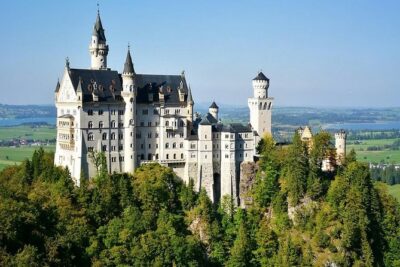
Neuschwanstein Castle by Bus Incl. Bike Ride or Hohenschwangau
Read our review →
Browse the lists this tour appears in