
Review · BANFF
eBike and Hike Banff to Johnston Canyon small group guided program
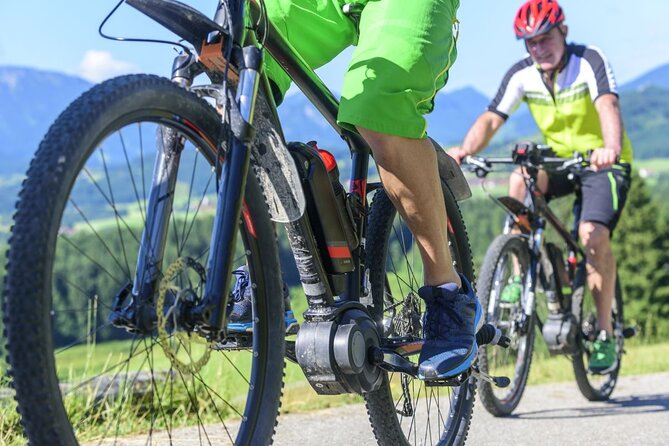
Johnston Canyon is the headline, but the best part may be the ride there. You pedal from Banff past Vermilion Lakes, enter the shaded Legacy Trail, then follow the Bow Valley Parkway toward the canyon. On the right day, this is a quiet, scenic way to cover ground that would be tiring on a regular bicycle.
I like the small group of no more than seven and the patient guides, including Megs, Michael, Luke, Santiago, and Julia. I also like the balance of two activities: a 26-kilometer e-bike ride and a three-kilometer walk to Lower Falls. The main drawback is simple: Johnston Canyon can be crowded, especially in summer, even when the ride itself feels wonderfully calm.
Key points to know before booking
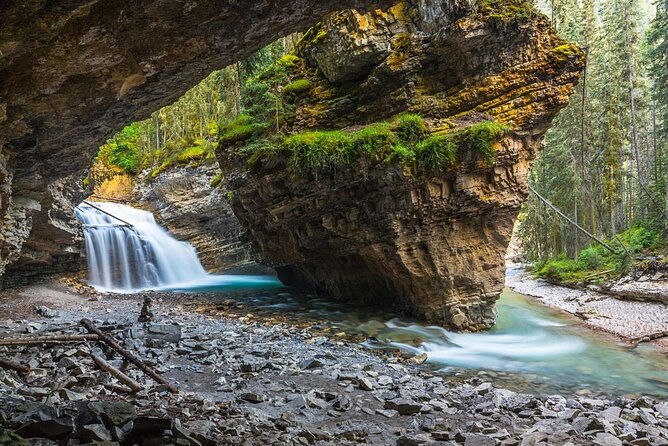
- 26 kilometers of e-biking: You ride from Banff through Vermilion Lakes, the Legacy Trail, and the Bow Valley Parkway.
- Three kilometers on foot: The Johnston Canyon walk leads to the photogenic Lower Falls Bridge and can be adjusted to suit the group.
- Small-group attention: The maximum group size is seven, useful for riding instruction, safety, and a more personal pace.
- Best road conditions: The Bow Valley Parkway is closed to vehicles in June and September according to the supplied operating information. In other listed months, cars use the road, though speed is limited to 60 kilometers per hour and bikes use the wide shoulders.
- Easy e-bike learning curve: You need to feel comfortable riding a bicycle, but previous e-bike experience is not required.
- A shuttle brings you back: The day ends at the Banff meeting point after the canyon visit and return transport.
Why this Banff outing works so well
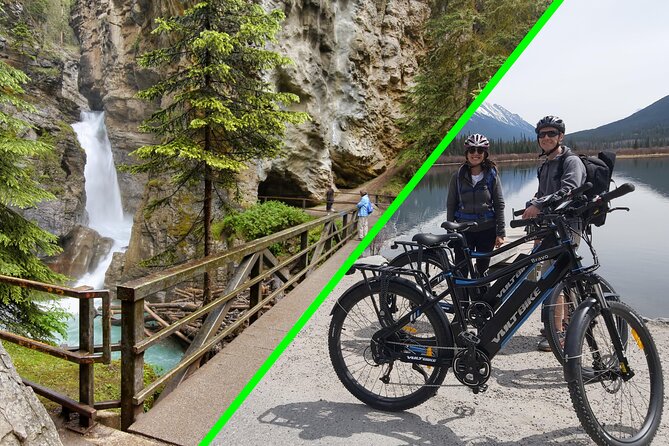
This experience gives you a good sample of Banff without asking you to spend a full day in the saddle or on a mountain trail. The e-bike takes care of much of the effort, while the guide handles route finding, stops, timing, and basic riding help. You still feel involved in the journey, unlike a coach excursion where the scenery passes behind glass.
The route also has a useful rhythm. You begin with an easy ride and frequent pauses, then switch to walking at Johnston Canyon. The walking section adds waterfalls, forest, and cliff walls to the open views around Banff. Afterward, a shuttle handles the return, so you do not need to repeat the full ride when your legs are ready for a rest.
At $155.61 per person, this is not a bargain-bin Banff activity. I see the price as reasonable if you value a guide, quality e-bikes, a very small group, and return transport. You are paying for more than bike hire. You get route support, safety oversight, local information, and a planned combination of cycling and hiking in about four hours.
If you already have a bicycle, know the area well, and are happy to arrange your own transport, you can spend less independently. But you would need to handle the bike, route, road conditions, parking or shuttle plans, and Johnston Canyon timing yourself. The guided program earns its price through convenience and structure.
More E-Bike Tours in Canada
- Epic Electric Bike Tour by Cycle City Tours
★ 5.0 · 848 reviews - Montreal eBike Sightseeing Tour
★ 5.0 · 573 reviews - Montreal: E-Bike Sightseeing Tour
★ 4.8 · 365 reviews
Starting in downtown Banff and learning the e-bike
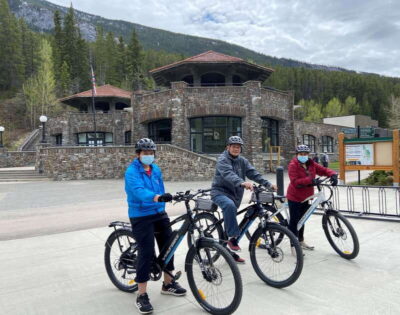
The meeting point is at 202 Bear Street in Banff. Confirmation is provided when you book, and the location is near public transportation, which helps if you do not have a car.
The start is important for first-time e-bike riders. Guides provide an operating lesson, and several guests with no prior e-bike experience found the bikes quick to understand. The bikes have been described as comfortable and powerful, but you still need to be comfortable riding a normal bicycle before joining.
Give yourself a moment to practice the controls. One less positive experience came from a rider who did not feel comfortable after the group reached Johnston Canyon. The guide, Bill, was patient and eventually arranged a pickup, but the delay affected the ride and became harder in heavy rain. The practical lesson is clear: tell the guide at the start if you are nervous, and make sure you can start, stop, steer, and manage the bike before leaving Banff.
You must be at least 16 years old and 152 centimeters, or five feet, tall. Close-toed shoes are required, and you should dress for the actual weather rather than the forecast you hoped for. Rain can turn a pleasant ride into a cold one quickly, so a weatherproof layer is sensible.
Vermilion Lakes and the Legacy Trail
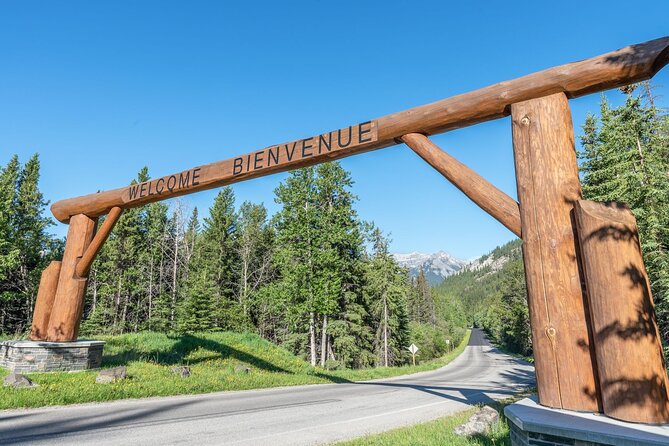
The first part of the ride takes you by Vermilion Lakes, a lovely area for broad views and quiet water. It is a gentle introduction to Banff, with time to settle into the bike and look around rather than rush straight toward the canyon.
The route then uses the shaded forests of the Legacy Trail. This dedicated path gives the ride a more relaxed feel than a regular road. The trees provide shelter, and the guide can stop for photos or short explanations about local nature and Banff history.
This is also where the small group helps. Guides such as Megs, Michael, and Scott have been praised for watching the pace and keeping the group together. You can expect stops that break up the ride rather than a continuous push from start to finish. That matters because 26 kilometers is a fair distance for a casual cyclist, even with electric assistance.
The e-bike does not remove every concern. You still need to steer, watch the surface, follow instructions, and ride around others. Polarized sunglasses can make the e-bike display harder to read, so consider using ordinary sunglasses if you need to check the screen often.
The Bow Valley Parkway: choose your month carefully
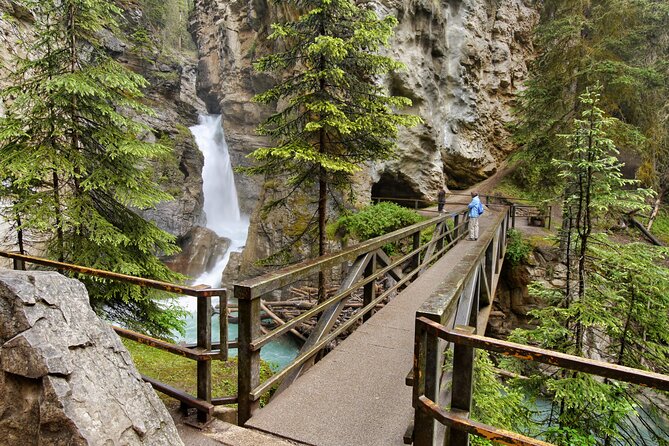
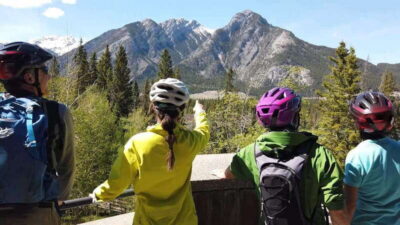
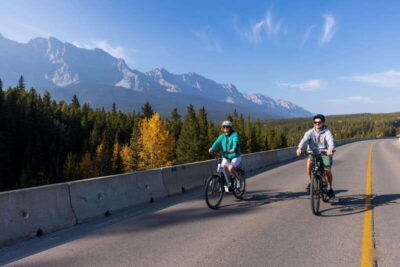
The Bow Valley Parkway is the scenic core of the cycling portion. The road leads toward Johnston Canyon, and the ride gives you a more direct sense of the valley than a vehicle tour does. You move at bicycle speed, with time to notice the forest, mountain views, and roadside wildlife.
The best version of this ride comes when the road is closed to cars. The supplied schedule notes vehicle closures in June and September. Several outings in September benefited from this arrangement, and the empty road made the cycling feel especially enjoyable. If a quiet road is a major reason you want this tour, check the current operating dates before paying.
During the listed reopening months of May, July, August, and October, vehicle traffic returns. The road has wide shoulders, and the speed limit is 60 kilometers per hour, but you are still riding beside traffic. That may be perfectly acceptable for confident cyclists, yet it will not feel as carefree as a car-free road.
Wildlife sightings are possible but never promised. The route has produced views of bighorn sheep, and one particularly fortunate outing included a grizzly bear and goats. Treat those stories as luck, not as part of the schedule. The ride remains worthwhile without an animal sighting because the road itself is a major feature.
Guides stop at attractive points and share local facts. Megs has been especially good at offering nature and animal information while checking that no one falls too far behind. Michael has been praised for safety and patience, while Santiago and Bill have offered an easygoing, informative presence. The quality of your day depends partly on the guide assigned, but the repeated pattern is attentive pacing and useful local commentary.
Same wheels, a different route:
- The Grand Bicycle Tour by Cycle City Tours
★ 5.0 · 1,827 reviews - The Stanley Park Bicycle Tour by Cycle City Tours
★ 5.0 · 785 reviews - Vancouver: Guided Bike Tour
★ 4.9 · 435 reviews - Toronto: Heart of Downtown 3.5-Hour Bike Tour
★ 4.9 · 419 reviews
Johnston Canyon and the walk to Lower Falls
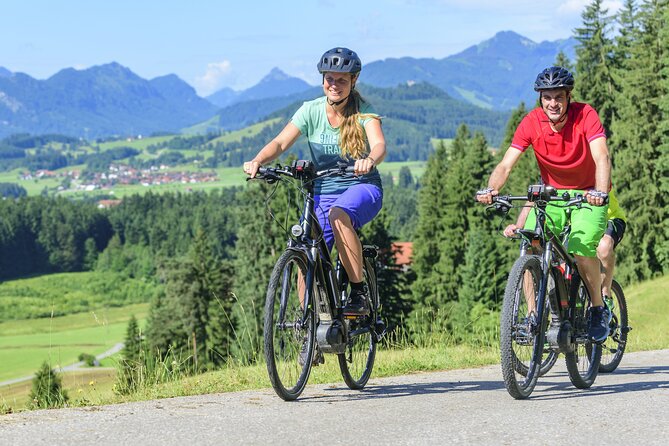
Johnston Canyon is Banff’s most popular short day hike because it is easy to reach and visually rewarding. The trail follows the canyon toward waterfalls, with the Lower Falls Bridge as the main target described for this outing. The walk totals about three kilometers.
The trail is accessible for a range of fitness levels, and guides can adjust the pace. On one outing, Megs took an athletic group farther up the canyon. On another, Luke adapted the plan for a participant with limited mobility who could not continue to the upper waterfall. That flexibility is valuable, though you should still arrive ready for a moderate outing rather than a completely effortless stroll.
The canyon is the most crowded part of the program. The road closure can make the bike ride feel peaceful, but it does not empty the hiking trail. In July and August, expect the busiest conditions. Early or late starts may help, though the exact departure time is not specified here.
The Lower Falls Bridge is the clear payoff. You get a close view of the water moving through the narrow canyon, and the walk adds a very different setting from the open road and lakes earlier in the day. If you want every waterfall viewpoint, ask your guide how far the group will go and how much time remains. The advertised focus is the Lower Falls Bridge, not necessarily the full upper canyon route.
If crowds irritate you more than they impress you, Johnston Canyon may be the weak link. The cycling route receives much stronger praise for peace and scenery. A different White Mountain Adventures program, the Sundance Canyon eBike and Hike, is suggested as a quieter alternative because it is not accessible by road. That option is worth considering if avoiding popular trails is your top priority.
The shuttle return and the way the day is organized
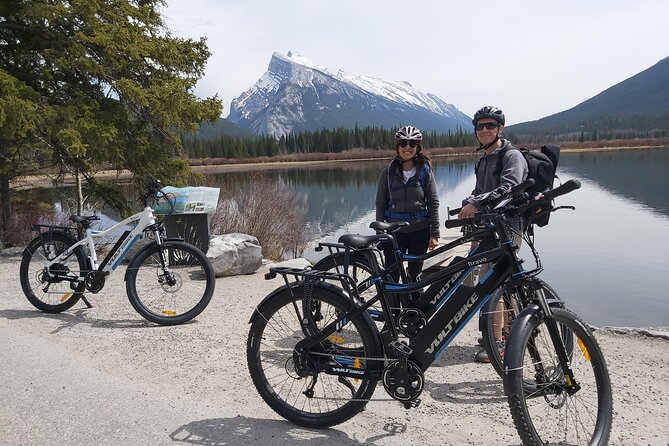
The stated plan has you meet a return vehicle shuttle after the canyon walk and return to Banff. Some departures divide the group, with one group riding to the canyon while another takes the van, then switching for the return. This arrangement can make the four-hour schedule work without requiring everyone to bike both directions.
Pay attention to the exact plan at the start. The cycling and shuttle order may vary, and the supplied experiences show both directions in use. If you strongly prefer to ride toward the canyon or back to Banff, ask before setting out.
The shuttle also makes the program more accessible to people who can ride but do not want a long return journey after hiking. One participant who could not manage the full walking route could wait near the lower area, with a gift shop and cafés nearby according to the experience details. Still, you should not treat this as a fully accessible sightseeing tour. The minimum height, moderate activity level, three-kilometer walk, and requirement to ride a bicycle all matter.
Guides, group size, and the human side of the tour
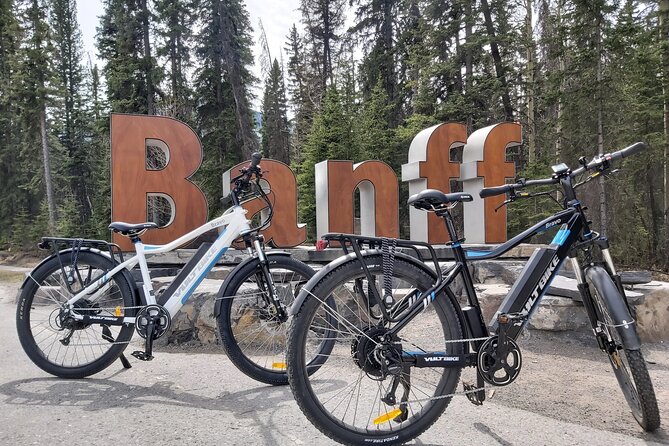
A guide can make or break an outdoor excursion, and this program has several names worth noting. Megs has been praised for energy, clear explanations, patience, and keeping the group together. Michael is described as safety-conscious and helpful with first-time riders. Luke has adapted the route to physical needs, while Santiago has been praised for interaction and local information.
Dylan, Dillan, Bill, Tebo, Julia, Scott, and Josh have also led enjoyable outings according to the supplied experiences. The common thread is not a scripted performance. It is practical help, local facts, and the willingness to match the pace to the group.
The seven-person limit is a real advantage. A guide can see how riders are coping, stop when someone needs a break, and answer questions without a large crowd gathering around. It also means the pace may be set by the least confident cyclist, which is good for safety but may frustrate a strong rider hoping for a workout.
Weather, cancellations, and useful preparation
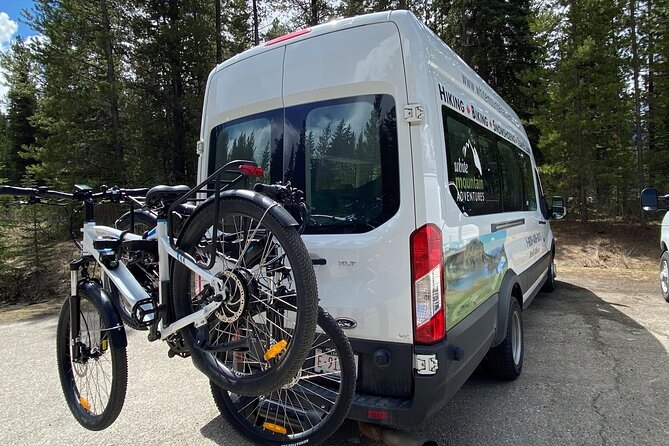
This activity requires good weather. If poor conditions cancel the outing, you are offered another date or a full refund. The same applies if the minimum number of participants is not reached. You can cancel for a full refund up to 24 hours before the start time, but changes or cancellations inside that window are not accepted.
Bring clothing suited to the forecast, but keep in mind that mountain weather can shift. Closed shoes are mandatory. A rain layer, water, and a small snack make sense, although the outing is only about four hours and one group found it easy to wait until the return van for food.
The group may carry communication equipment such as radios or satellite devices outside cell coverage. That is reassuring, but it does not remove the need to follow safety instructions or tell the guide promptly if you are struggling.
Who should book this Banff e-bike tour?
I would book this for someone who wants to see more of Banff than downtown and the main viewpoints, but does not want a demanding mountain hike. It suits couples, families with teenagers aged 16 and older, and first-time e-bike riders who can already ride a regular bike.
It is also a smart choice for a short Banff stay. In four hours, you cover Vermilion Lakes, a forested bike path, the Bow Valley Parkway, and Johnston Canyon. That is a lot of ground without renting a car or planning several separate outings.
I would hesitate if you dislike riding near vehicles, cannot comfortably ride a bicycle, or want a quiet trail with few people. I would also check the date carefully if the car-free Bow Valley Parkway is the main reason you are interested.
Should you book it?
Book this program if you want a well-managed half-day with excellent e-bikes, a small group, and a scenic route. The ride is the strongest part, especially when the Bow Valley Parkway is closed to cars, while Johnston Canyon supplies the waterfall finish.
Skip it in favor of a quieter canyon program if crowds bother you, or arrange an independent visit if you already have cycling experience and your own transport. For most active visitors who want a broad Banff sample in one morning or afternoon, the $155.61 price is fair, provided you choose a favorable month and arrive ready for both riding and walking.
FAQ
How long does the eBike and Hike Banff to Johnston Canyon program last?
The outing lasts approximately four hours round trip.
How far do you ride and walk?
You ride about 26 kilometers by e-bike and walk about three kilometers at Johnston Canyon.
Where does the tour start?
The meeting point is 202 Bear Street in Banff, Alberta, Canada.
Where does the tour finish?
The activity ends back at the Banff meeting point after the return vehicle shuttle.
What is the minimum age?
The minimum age is 16 years old.
Is there a minimum height?
Yes. Riders must be at least five feet tall, or 152 centimeters.
Do I need previous e-bike experience?
No previous e-bike experience is required, but you must feel comfortable riding a regular bicycle.
What should I wear?
You need clothing suited to the weather on the day and close-toed shoes. Sandals and flip-flops are not allowed.
How many people can join the group?
The maximum group size is seven people.
More walking and trekking in Canada
- Banff: Bow River E-Bike Tour and Sundance Canyon Hike
★ 4.9 · 36 reviews - Ketchikan Electric Bike and Rain Forest Hike Ecotour
★ 5.0 · 562 reviews - Chiang mai Hike & Downhill Bike Adventure –Suthep National Park
★ 4.5 · 204 reviews - Hike and Bike Tour to Columbia River Gorge Waterfalls
★ 5.0 · 184 reviews
New rides added around Canada
- Ottawa 200th Anniversary Guided Bike Tour★ 4.6 · 20 reviews
- Ottawa: 4 or 8-Hour Bike Rental with Self-Guided Tour★ 4.7 · 51 reviews
- Montreal: All-Day Bicycle Rental★ 4.8 · 15 reviews
- Montreal: Non Touristy Pink Bike Tour★ 5.0 · 27 reviews
- Kelowna: E-Bike Guided Wine Tour with Lunch & Tastings★ 4.9 · 15 reviews
- Kelowna: E-Bike Rental with In-App Navigation Guide★ 5.0 · 22 reviews
- Toronto Islands: Morning or Twilight 3.5-Hour Bike Tour★ 4.8 · 304 reviews
- Quebec City – Tandem Bike Rental on Ile d’Orléans★ 4.8 · 13 reviews
Banff Bike Tours, compared.
Electric Fat Biking Adventure in Banff | Small Group Adventure
Read our review →
4-Hour E-Bike and Walking Tour in Johnston Canyon
Read our review →
Browse the lists this tour appears in