
Review · NEW ORLEANS
Creole New Orleans Electric Bike Tour (ages 16 & up)
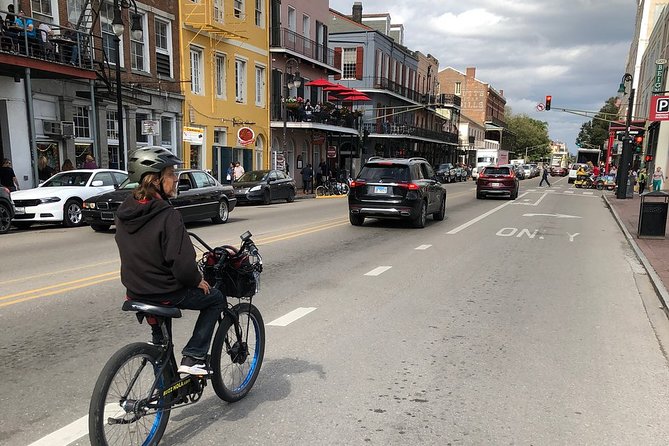
New Orleans is easiest to understand once you leave Bourbon Street behind. This three-hour electric-bike ride carries you from the edge of the French Quarter toward Jackson Square, Marigny, Treme, Bywater, Bayou St. John, and, on some outings, City Park. The main attraction is the reach: you cover far more ground than you could on foot, without turning the day into a hard workout.
I like the variable electric assist, which lets you pedal as much or as little as you want. I also like the small groups, capped at 10, and the steady attention from guides such as Guy, Betsy, Chip, Jeffrey, and Adam. The main catch is simple: you need to be comfortable riding a bicycle in city traffic, and helmets are required. If you cannot wear one, you cannot ride.
Key points to know before you book
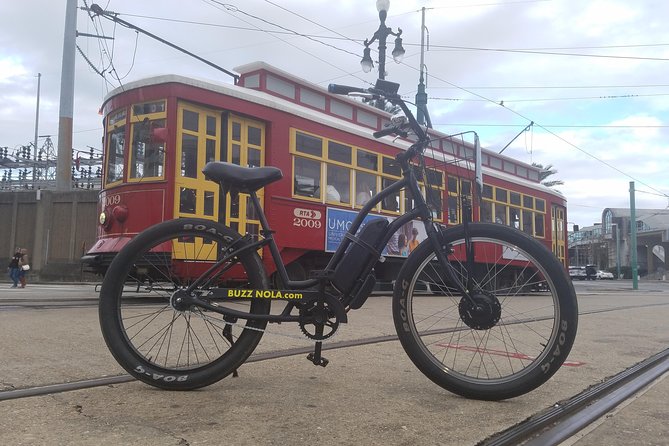
- Three hours beyond Bourbon Street: The route is designed to show you New Orleans neighborhoods and city spaces that many first-time visitors miss.
- Electric assistance makes the distance manageable: You can choose how much effort to supply, making the ride workable for different fitness levels.
- Jackson Square is only the beginning: The outing reaches Marigny, Treme, Bywater, Bayou St. John, and sometimes City Park.
- Guides add real value: Guy, Betsy, Chip, Jeffrey, and Adam are praised for clear history, architecture, safety guidance, and local stories.
- Small groups keep the ride personal: No more than 10 people join the group.
- Helmet and age rules are firm: Riders must be at least 16, and every rider must wear a provided helmet.
Why this is a smart way to see New Orleans

The French Quarter is the natural place to start a New Orleans visit, but it can also swallow your whole schedule. Bourbon Street, Royal Street, Jackson Square, and the riverfront are close together, while much of the city’s character lies farther out.
This tour gives you a practical way to connect those areas. You meet at 223 Dauphine Street, about a block and a half from the French Quarter, then begin with a guide and an electric bike instead of a map and a long list of taxi rides. The route reaches districts with different histories, building styles, and rhythms.
I especially like this format if you have only a few days in town. It gives you a broad first look, then helps you decide where to return later on foot, by streetcar, or by car. You are not simply circling the same tourist streets. You are getting a city orientation with a bit of exercise and a guide to explain what you are seeing.
The 4.9 rating from 230 reviews and 99 percent recommendation are strong signals, but the useful detail is in what people praise most: safe riding, good bikes, clear instructions, and guides who make the city’s history easy to follow. Those strengths matter more here than flashy extras.
More E-Bike Tours in the USA
- Red Rock Canyon eBike Half-Day Tour
★ 5.0 · 1,870 reviews - Austin Biker Gang E-Bike Tour
★ 5.0 · 1,399 reviews - Asheville Historic Downtown Guided Electric Bike Tour with Scenic Views
★ 5.0 · 1,234 reviews
Getting started near the French Quarter
The shop at 223 Dauphine Street is close enough to the French Quarter to make arrival easy, but the ride is not presented as a slow, stop-at-every-corner tour of the quarter. The advertised opening stop is only about 15 minutes, and one account specifically noted that the route did not cover the French Quarter in depth.
That is worth understanding before you reserve. You may ride around or near the quarter, and the meeting point places you right beside it, but the heart of the experience is the wider city. If your top priority is detailed French Quarter architecture, courtyards, or street-by-street stories, choose a dedicated walking tour as well.
At the shop, you receive an ultra-comfortable electric bike, a basket, bottled water, and a helmet. The guide explains how the bike works before the group leaves. This is important if you have never used an e-bike. The bikes have adjustable assistance, so you can pedal normally, add power when needed, or let the motor do much of the work.
Still, an e-bike is not a sightseeing cart. You must steer, brake, watch the road, and follow the guide. One rider called the pace fast and advised having bicycle experience before booking. That is the most useful caution in the whole description.
Jackson Square and the city’s starting point
Jackson Square is the first major cultural stop. It is described as the place where New Orleans began, and that makes it a useful anchor for the rest of the route.
The stop itself is brief, about five minutes in the stated plan, so do not expect a long museum-style talk or free time to wander. Instead, think of Jackson Square as the point where the guide places the city in context before leading you outward.
You can expect the guide to connect the square with the surrounding French Quarter and the larger story of New Orleans. The tour’s value is not just in photographing the square. It is in seeing how this famous center relates to neighborhoods that receive less attention.
Because the ride continues quickly, keep your camera ready and listen while stopped. The format favors short explanations followed by movement, not long periods standing in one place.
Marigny, Treme, and Bywater
The route then moves through Marigny, Treme, and Bywater. These districts give the tour its strongest sense of place because they show you New Orleans beyond its most familiar tourist blocks.
Treme is especially important for understanding Creole culture and the city’s African American history. Guides have been praised for explaining those subjects in a way that connects people, buildings, and neighborhoods rather than treating history as a list of dates.
Marigny and Bywater add a different visual layer. You may see distinctive houses and streetscapes as you ride, with the guide pointing out architecture and local details. One of the most repeated pleasures of the ride is simply seeing the city’s houses from a moving viewpoint. On foot, you might cover one small section. By bike, you can compare several areas in one morning or afternoon.
Do not expect the route to pause at every building. The tour has a lot of ground to cover, and the ride is designed for flow. If you love architecture, you will want to note the places that catch your eye and return later with more time.
City traffic is part of the bargain. The guides place strong emphasis on safety, and multiple accounts describe careful leadership, patient instruction, and good handling of traffic and road closures. That helps, but you should still be alert and willing to ride at the group’s pace.
Same wheels, a different route:
- NYC: Central Park Bike Rentals
★ 4.2 · 2,528 reviews - NYC: Central Park Bike Rental
★ 4.1 · 1,651 reviews - Central Park Bike Rental
★ 4.7 · 1,509 reviews - Siesta Key Electric Bike Sunset Tour
★ 5.0 · 1,075 reviews
Bayou St. John and possible City Park time
Bayou St. John gives the ride a change of scenery and a break from the denser streets. It is one of the named areas on the route, and it helps show how water and open public space shape New Orleans.
One outing also included City Park and a stop at St. Louis Cemetery No. 3. Since the supplied route description names Bayou St. John but does not promise City Park or that cemetery on every departure, treat those as possible route highlights rather than guaranteed stops.
That distinction matters. The exact path can change with traffic, road closures, weather, and the group’s pace. A New Year’s Eve ride, for example, required the guide to work around closures while keeping the group moving safely.
The broader lesson is that this is a flexible city ride, not a fixed hop-on, hop-off circuit. You will see a substantial portion of New Orleans, but the precise balance of neighborhoods and stops may vary.
The guides are a major part of the experience
A good guide can make a bike tour feel like a city lesson rather than a moving transportation service. This experience has received especially strong praise for its guides.
Guy is praised for explaining New Orleans history and Creole culture while keeping the group safe. Betsy is described as patient with first-time e-bike riders and lively in her delivery. Chip is noted for history, culture, architecture, and his ability to adjust when streets were closed. Jeffrey is praised for explaining the bikes clearly, sharing current city details, and managing the ride in rainy weather. Adam is described as an effective guide who showed the group places and explained the city along the way.
Those details suggest a useful pattern: the guide does more than point out landmarks. You can expect stories about history, architecture, neighborhoods, and local life, with safety instructions woven into the ride.
The quality of the outing will always depend partly on who leads your group, but the repeated praise for different guides is encouraging. The best guides appear to combine local knowledge with practical care, which is exactly what you need when riding through an unfamiliar city.
What the electric bikes are really like
The bikes are one of the biggest reasons to choose this tour over a standard bicycle ride. The electric motor reduces the strain of distance and allows you to choose your effort level.
That does not mean you can ignore fitness altogether. You still need to mount, steer, brake, balance, and react to city conditions. But the adjustable assist can make a major difference when you are tired, when the pace picks up, or when you want to save energy for the rest of your day.
Several riders described the bikes as easy and comfortable, including people using an e-bike for the first time. The basket is a practical touch for small personal items, and bottled water is included. Helmets are supplied and must be worn.
The ride can also be fun for a mixed-ability group. One person can pedal for exercise while another uses more motor assistance. That makes the tour a better fit for couples or families whose fitness levels differ.
Price, group size, and overall value
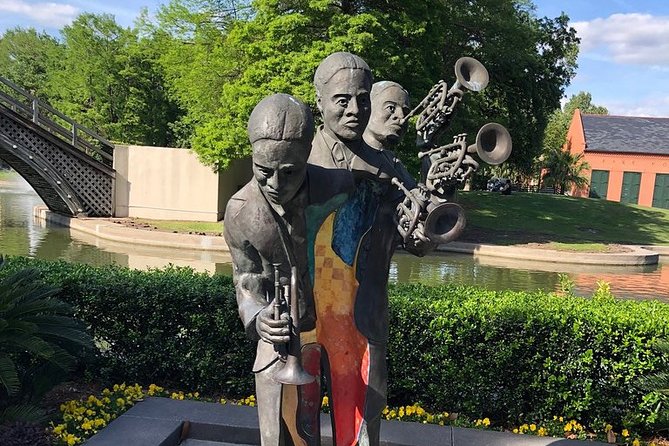
At $89 per person, the tour is not the cheapest way to see New Orleans, but it offers three hours of guide time, an electric bike, helmet, basket, bottled water, and a route that can cover several districts. I consider that fair value if you want both transportation and interpretation.
A walking tour may cost less and give you more detail in one neighborhood. A private vehicle tour may offer more comfort and less physical effort. This ride occupies the middle ground: more reach than walking, more active involvement than a vehicle, and a lower price than a private experience.
The group limit of 10 is important. A large bike convoy can feel awkward, especially at intersections. A small group gives the guide a better chance to monitor riders, answer questions, and adjust the pace when someone is new to e-bikes.
The tour is also booked an average of 26 days ahead, so you should not assume a same-week opening during a busy visit. Since free cancellation is available up to 24 hours before the start time, booking early and keeping an eye on your plans is sensible.
Weather, timing, and what to bring
The experience requires good weather. If poor weather cancels the ride, you are offered another date or a full refund. That policy protects you from being stuck on a three-hour bike ride in conditions that make riding unpleasant or unsafe.
Wear clothing suited to active riding and bring only what you need. The bike has a basket, and bottled water is supplied, so you do not need to carry a large pack. A phone or small camera is useful, but keep your attention on the road while riding.
Allow time to reach 223 Dauphine Street before the start. The tour ends back at the same meeting point, which makes it easy to continue into the French Quarter afterward.
The tour is offered in English. It is for ages 16 and up, and most people can participate, but the bicycle requirement remains real. If you have not ridden a bike in years, ask yourself if you can steer and brake confidently in city traffic. The electric assistance helps with effort, not basic bicycle handling.
Who should book this ride?
I would choose this tour for a first or second day in New Orleans, especially if you want to get your bearings before filling the rest of your schedule with food, music, museums, and neighborhood walks.
It is a strong match for:
- Adults and older teens who can ride a bicycle
- Couples who want to see more than Bourbon Street
- Families with participants aged 16 or older
- People with mixed fitness levels
- Repeat visitors who have already seen the main French Quarter sights
- Anyone interested in Creole culture, architecture, and neighborhood history
I would be more cautious if you want a slow ride with long stops, have no confidence on a bicycle, or cannot wear a helmet. The tour covers a lot of ground, and one account described it as fast paced.
Should you book the Creole New Orleans Electric Bike Tour?
Book it if you want a lively three-hour introduction to the wider city, not just the French Quarter. The electric bikes let you cover Marigny, Treme, Bywater, Bayou St. John, and possibly City Park with less effort, while the guides add the history and local context you would miss on your own.
Skip it if your main goal is a detailed French Quarter walking tour or if city cycling sounds stressful. For everyone else, the combination of small groups, capable guides, adjustable bike assistance, and a route beyond Bourbon Street makes this one of the more useful ways to get oriented in New Orleans.
FAQ
Where does the Creole New Orleans Electric Bike Tour begin?
It begins at 223 Dauphine Street, New Orleans, Louisiana 70112, about 1.5 blocks from the French Quarter.
Where does the tour end?
The tour ends back at the meeting point on Dauphine Street.
How long does the tour last?
The experience lasts approximately three hours.
What neighborhoods does the tour visit?
The route includes Jackson Square, Marigny, Treme, Bywater, and Bayou St. John. Some outings have also included City Park and St. Louis Cemetery No. 3.
Are electric bikes provided?
Yes. Each participant receives an electric bike with a basket, along with bottled water and a helmet.
Do I have to wear a helmet?
Yes. Helmets are provided and required for all riders.
What is the minimum age?
The minimum age is 16. All participants must be at least 16 years old.
What happens if bad weather cancels the tour?
You will be offered another date or a full refund if the experience is canceled because of poor weather.
New rides added around the USA
- Portland: Food Carts of the Eastside Bike Tour★ 4.9 · 16 reviews
- Portland: E-Bike Tour at Multnomah Falls★ 4.8 · 20 reviews
- Essential Portland: 2-Hour Guided Bike Tour★ 4.8 · 43 reviews
- Pittsburgh: Beauty of the Burgh Bike Tour★ 4.9 · 37 reviews
- Oahu: Waikiki E-Bike Ride and Manoa Falls Hike★ 4.9 · 28 reviews
- Oahu: Kualoa Electric Bike Tour★ 4.6 · 14 reviews
- NYC: Central Park Guided Bike Tour★ 4.8 · 11 reviews
- NYC: Central Park Guided Electric Bike Tour★ 4.9 · 25 reviews
New Orleans Bike Tours, compared.

New Orleans French Quarter and Garden District Bike Tour
Read our review →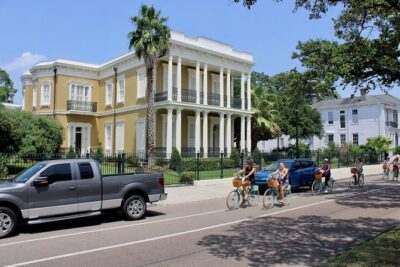
New Orleans Creole Odyssey Small-Group Bike Tour
Read our review →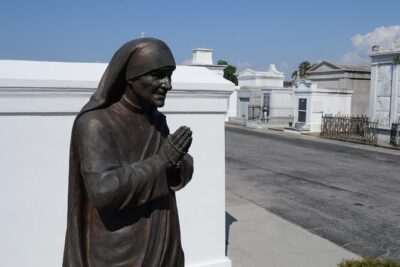
New Orleans History and Sightseeing Small-Group Bike Tour
Read our review →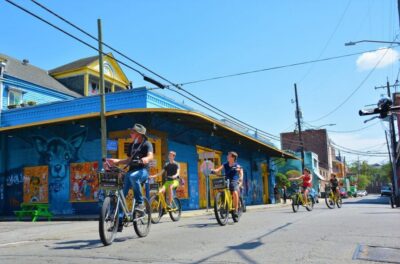
Browse the lists this tour appears in