
Review · COASTAL & BEACH BIKE RIDES
Authentic North East Coast E-bike Guided Tour
The most interesting part of this ride is what it leaves out. You are not being taken from one polished beach resort to another. Parmeet and Bindia lead you through fishermen’s villages, Hindu temples, local markets, and quiet coastal roads, where daily Mauritian life takes center stage.
I like the powerful fat-tire bikes, which make 32km manageable even if you are new to e-bikes. I also like the food stops, especially the authentic Mauritian lunch and local bakery tasting. The main consideration is that this is an active outing with frequent stops, so you need solid cycling skills, sports shoes, and a height of at least 155cm.
Key points at a glance
- A 32km route beyond the resort strip: Ride through Cap Malheureux, St Francois, Grand Gaube, and small Creole and Hindu communities.
- Powerful Raptor fat e-bikes: Wide tires and a 55-watt motor provide extra comfort and assistance on the coastal route.
- Real local encounters: Visit a fishermen’s landing station, traditional fish market, Tamil temple, village church, and oyster farm.
- Wildlife with a conservation focus: See two Aldabra tortoises more than 100 years old and visit a sea turtle sanctuary.
- Mauritian food included: Enjoy a vegetarian or non-vegetarian lunch, plus local snacks and possible bakery treats.
- Small-group guiding: Groups are limited to eight, with English or French instruction and communication through headsets.
Why this northeast coast ride feels different
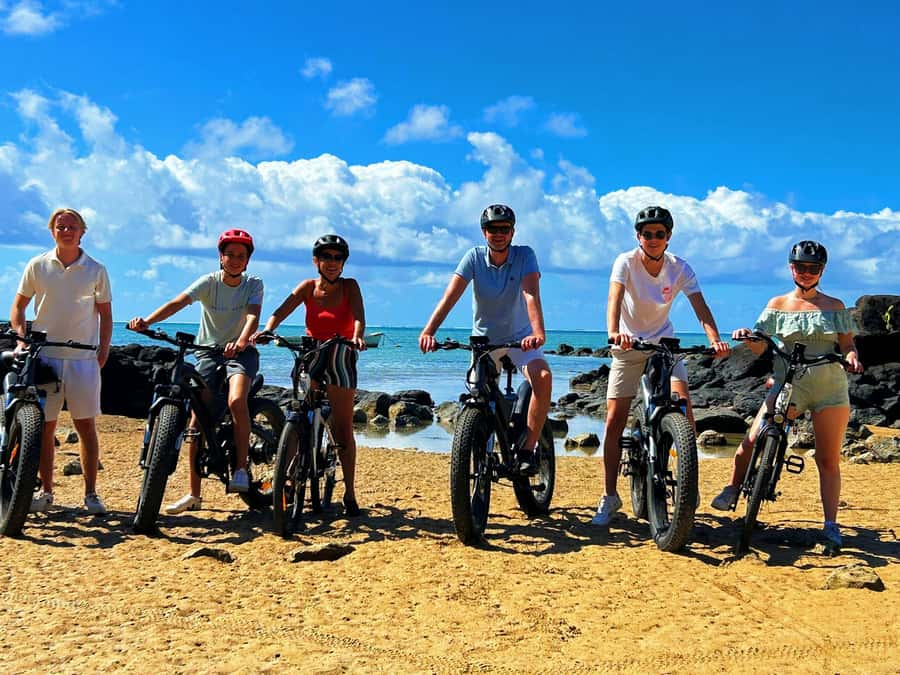
Mauritius is famous for beaches, lagoons, and resort life. This tour points your handlebars in another direction. Over five hours and roughly 32km, you pass through places where fishing, worship, village life, and small-scale food production matter more than sun loungers.
That difference is the reason to book. You will see peaceful beaches, but the beaches are not the whole story. The route includes working coastal areas, village lanes, fish stalls, temples, mangroves, and local food stops. I like this mix because it gives you context. A pretty shoreline is pleasant for five minutes. Seeing how a fishing community uses that shoreline gives the view a point.
Parmeet leads the experience, with Bindia also helping on some tours. The guiding is not just about pointing out turns. You can expect explanations about Mauritian culture, history, religion, food, and environmental care as you ride.
The group size is small, limited to eight participants. That matters on a bicycle tour. You can hear instructions, stop without creating a long traffic line, and ask questions without shouting across a crowd.
More E-Bike Tours in the world:
- 3-Hour Porto Highlights on a Electric Bike Guided Tour
★ 5.0 · 4,392 reviews - Lisbon: Hills, Alfama, and Mouraria Tour by Electric Bike
★ 4.8 · 3,438 reviews - Athens Scenic Electric Bike Tour with optional Acropolis visit
★ 5.0 · 3,350 reviews
Getting comfortable on the Raptor fat e-bikes
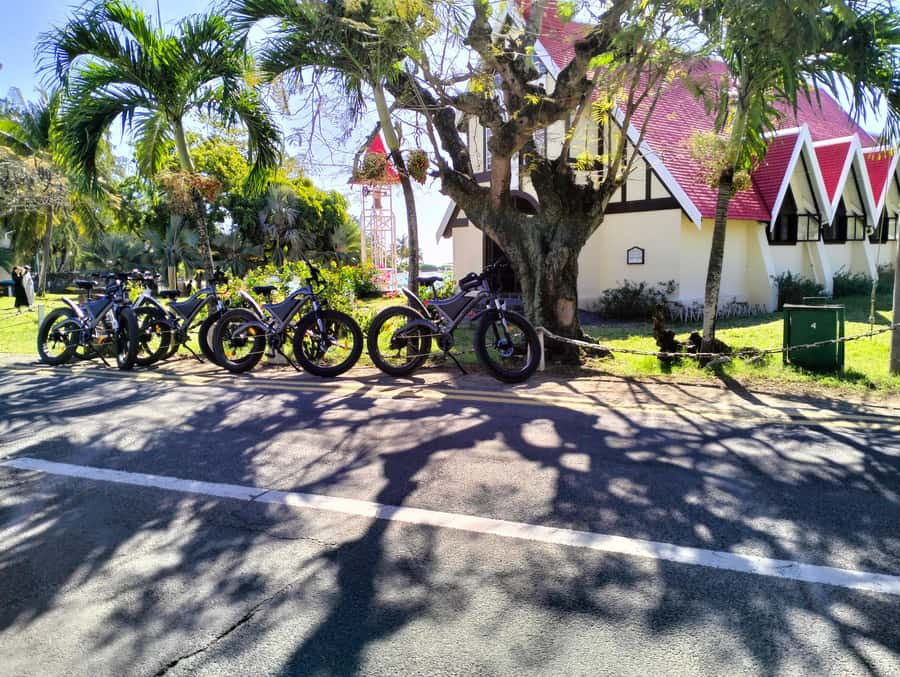
You arrive at Storm E-bikes Tours at 8:30am for instructions and a test ride. The tour starts sharply at 9am. Allow time to get comfortable before moving off, especially if this is your first e-bike experience.
The Raptor fat e-bikes use wide tires and a 55-watt motor. Their main benefit is reduced effort. The bike supplies assistance while you pedal, so the full 32km route is less demanding than it would be on a standard bicycle.
You still need good cycling skills. An e-bike is not a motor scooter, and the assistance does not remove the need to steer, brake, balance, and watch the road. The provider requires sports shoes and advises against loose clothing. Bring your own water bottle, since water is not listed as supplied.
Several riders who were new to e-bikes found the basic training helpful and got used to the controls quickly. The equipment is described as well maintained, which is important when the ride is long and includes repeated stops. You may also be given an earpiece, allowing Parmeet to provide directions and information while the group is moving.
Wear something easy to see. One rider specifically recommended day-glow clothing. That is sensible advice for a bicycle tour sharing roads with other traffic, even though the route is designed around quieter areas.
Cap Malheureux opens the coastal story
The first major stop is Cap Malheureux, known for scenic coastal views and its village setting. This is a gentle way to begin. You are not immediately thrown into a long ride. Instead, you get a chance to look around, take photographs, and settle into the rhythm of stopping, listening, and riding.
The name and setting make Cap Malheureux one of the better-known places on this side of Mauritius, but the tour uses it as a starting point rather than the entire show. The route then moves toward less visited communities and working shoreline areas.
Your guide can explain what you are seeing along the way. That local context is useful because many small places in Mauritius do not announce themselves with large signs or formal visitor facilities. Without a guide, you could pedal past a village landing station or temple and miss its importance.
Fishermen, markets, and Grand Gaube
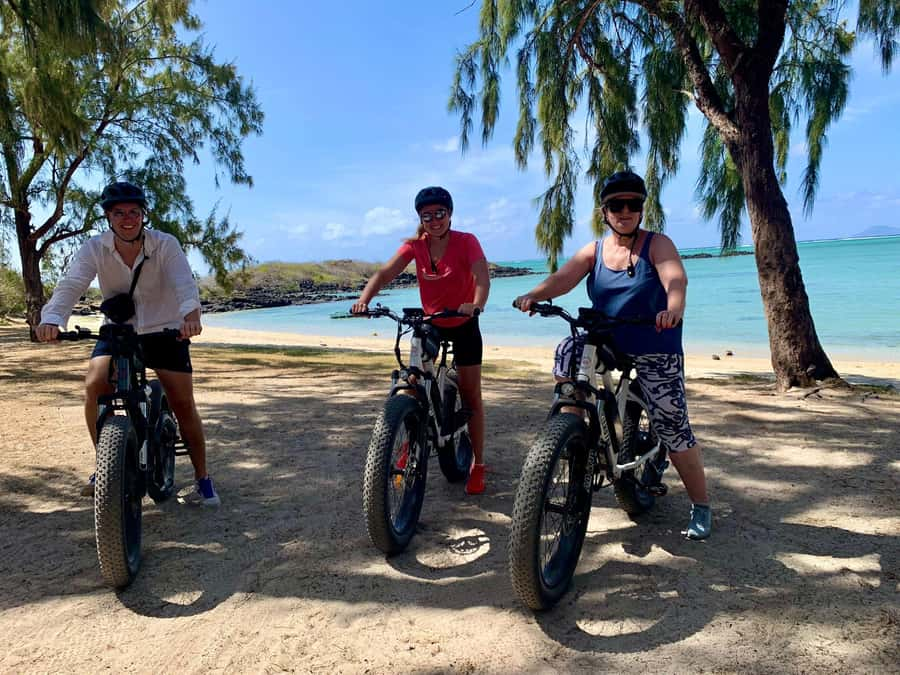
The route continues through fishing communities, including St Francois and Grand Gaube. At a fishermen’s landing station, you get a look at the practical side of coastal life. This is not a staged cultural performance. It is part of the working community, and you should behave respectfully, ask before taking close-up photographs, and follow the guide’s instructions.
Grand Gaube brings several stops together. You may visit the traditional fish market, see local marine life, and pause for photographs. The market can be especially interesting if you enjoy seeing food at its source rather than only meeting it on a restaurant plate. One unusual detail to look for is unicorn fish, mentioned as a memorable sight on the route.
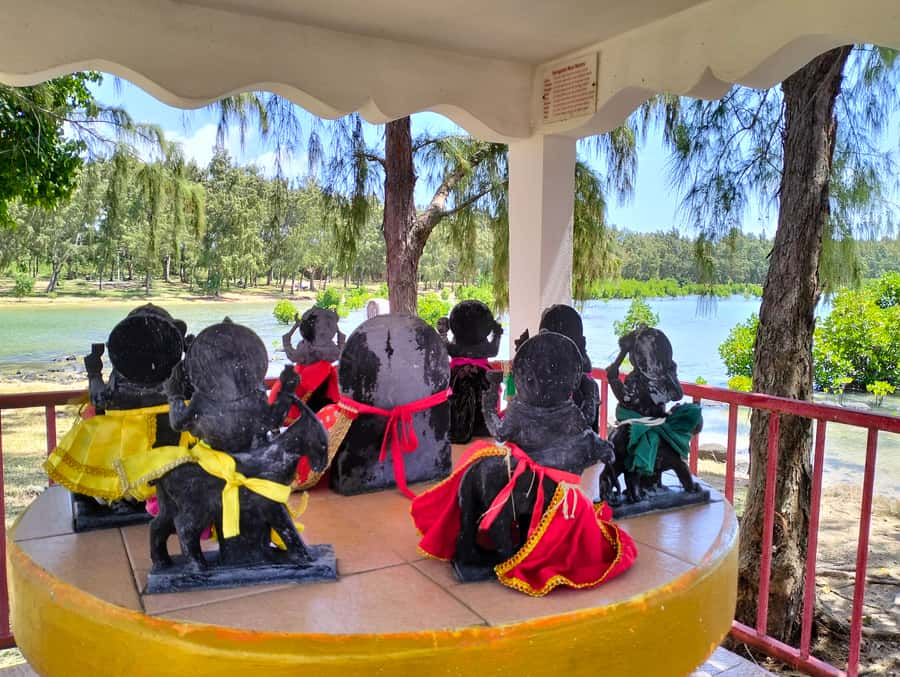
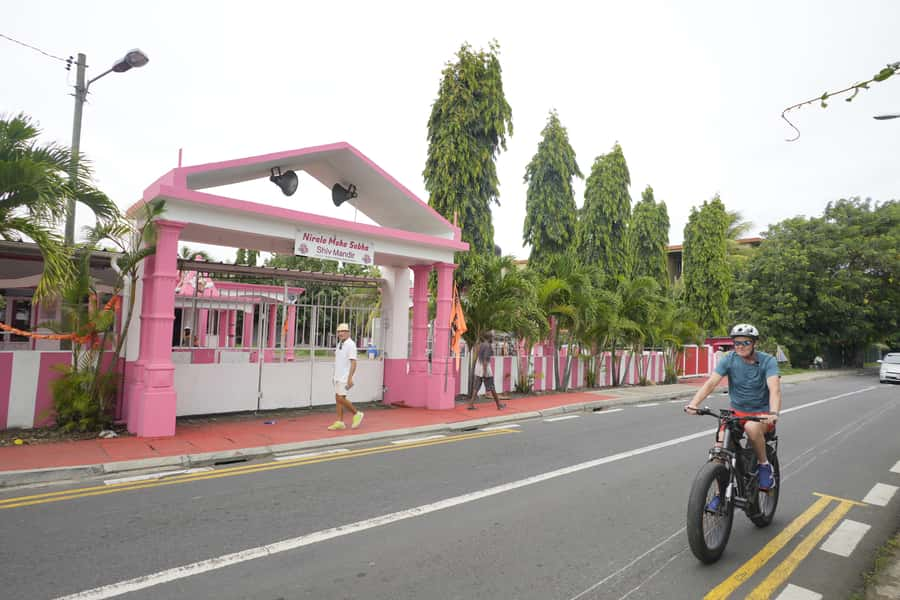
The ride also includes small traditional villages, both Hindu and Creole. These sections help explain the cultural mix of Mauritius. You may visit a Tamil temple and another Hindu temple, then see a village church. The point is not to collect religious buildings as photo stops. It is to notice how different faith communities fit into the same island communities.
You will make several stops in this part of the day. That suits people who like variety, but it may feel busy if you prefer one long uninterrupted bicycle ride. Getting on and off the bike repeatedly can also be tiring, especially for older riders. One participant in their sixties found this part of the tour challenging, while a younger family member managed it easily.
More Coastal Bike Rides in the world:
- Valencia Bike Tour from the City to the Beach, plus Bike Guy App!
★ 5.0 · 1,187 reviews - Electric Bike Beach Adventure with Tequila Tasting and Lunch
★ 5.0 · 1,162 reviews - Malaga Bike Tour – Old Town, Marina & Beach
★ 4.7 · 1,150 reviews - Varca Coastal E-Bike Tour: Scenic Beachside Adventure
★ 5.0 · 668 reviews
Quiet beaches instead of resort beaches
The tour deliberately avoids the polished beach areas that appear in most Mauritius brochures. Instead, you ride to peaceful, less visited coastal stretches and small fishing spots.
You should set your expectations correctly. These are not necessarily beaches with changing rooms, cafés, rows of loungers, or water-sports desks. Their appeal is quietness. You might find a simple shoreline, a broad view, and very few people.
The route offers views toward Round Island, Gabriel Island, and Flat Island. Those views add a strong sense of place to the ride. You are not simply cycling beside water. You are seeing the island’s northeast reach in relation to the smaller islands offshore.
There are photo stops and short walks, but this is not a swimming excursion. The supplied details focus on viewing beaches, marine life, and scenery rather than extended time in the water. Pack accordingly and do not expect a full beach day.
Mangroves, oyster farming, and wildlife

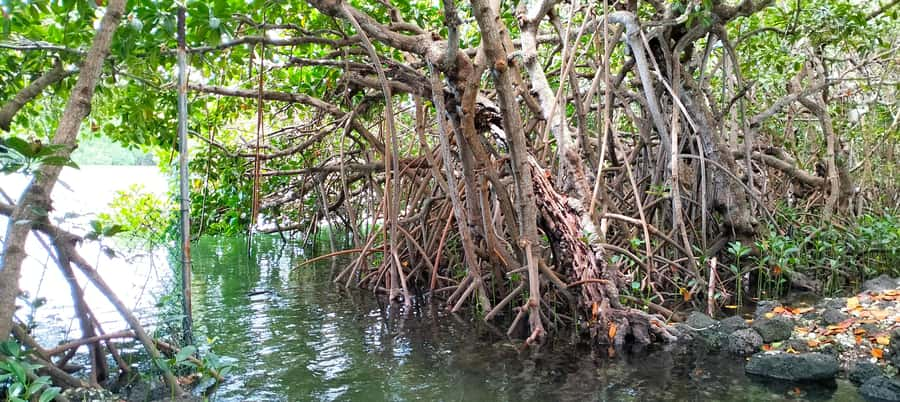
One of the more unusual parts of the tour is a traditional oyster farm located in a mangrove preservation site. This gives the day an environmental angle that many bicycle excursions lack.
Mangroves are important coastal habitats, and the visit helps you see how food production and conservation can share the same area. Parmeet is particularly concerned with protecting Mauritius and its ecosystems, so this stop is likely to include more than a quick photograph. You can ask questions about the farm, the mangrove setting, and the wildlife around it.
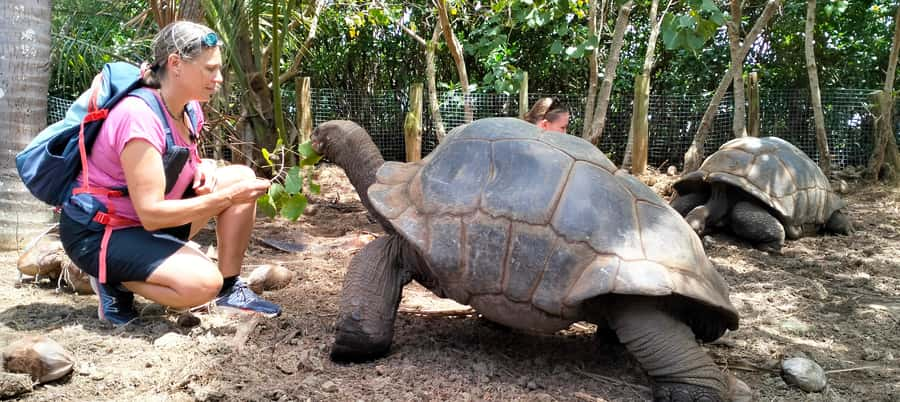
The tour also includes two Aldabra tortoises described as more than 100 years old. Seeing animals of that age can be a memorable pause in a day focused on roads and villages. You will also visit a sea turtle sanctuary, adding another conservation stop to the route.
These visits are valuable because they widen the picture of Mauritius. The island is not just a holiday backdrop. It has fragile coastal areas, local food systems, and animals that need protection. The guide’s explanations help connect those subjects to the places you are visiting.
Local lunch and the food between stops
Lunch is included and consists of authentic Mauritian cuisine. You can choose a vegetarian or non-vegetarian option, which makes the tour easier to recommend to mixed groups.
The food is served through a local roadside restaurant or similar traditional stop rather than a formal resort dining room. That is part of the appeal. You get to eat in the same sort of setting used by local residents, with regional dishes and sauces that may not appear on a standard hotel buffet.
Vegetarian food is not treated as an afterthought. The vegetarian option has been described as fresh vegetables, rice, and several local sauces. That should suit anyone who wants a flavorful plant-based meal without needing a separate restaurant search.
The day may also include street food, local snacks, and a pastry from a bakery. One participant wished for even more food tasting, which tells you something useful: the food portions and stops are part of the experience, but this is not a full culinary tour.
Bring water. The tour provider specifically asks you to do so. You may also want a modest snack if you know you need regular food while cycling, though lunch is included.
The pace, safety, and level of effort
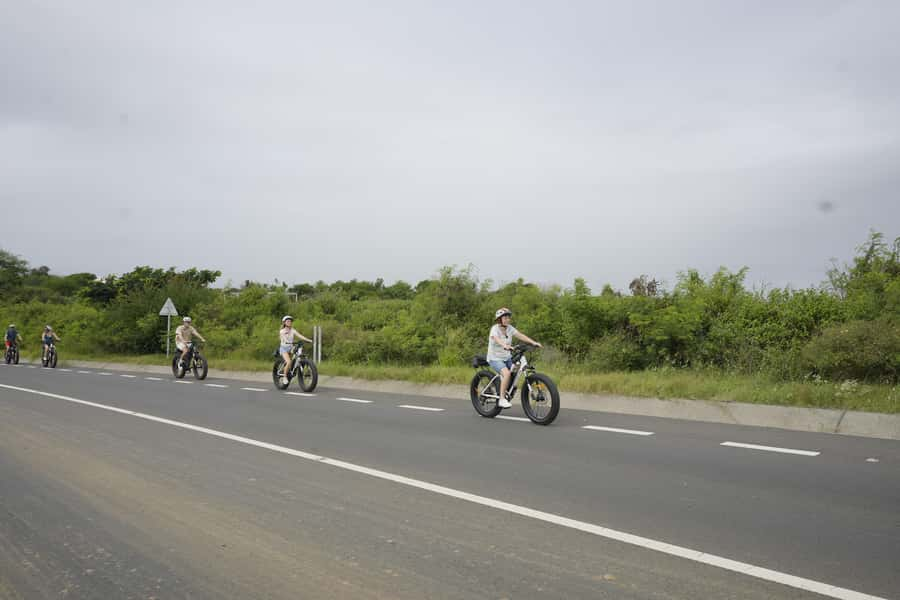
The five-hour schedule includes riding, short visits, food, photographs, walking, and marine-life viewing. You are not cycling continuously for five hours. Still, 32km is a meaningful distance, and the day requires stamina.
The electric assistance reduces the hard work, but you need to be comfortable riding in a group and stopping often. The bikes can make the route manageable for people who do not cycle long distances regularly, yet the minimum requirement for good cycling skills remains important.
The safety briefing may sound serious. That is not a bad sign. You are using powerful bicycles on public roads, and understanding braking, assistance levels, spacing, and turning is essential. Pay close attention during the trial ride.
The guides use headsets on some tours, with one guide at the front and another at the back. This can help everyone follow directions and keep the group together. It is a useful feature on a route with frequent turns and stops.
Heavy rain can cause the activity to be rescheduled or refunded. Mauritius weather can change, so keep your schedule flexible if possible.
Who gets the best value for $94
At $94 per person, the cost is higher than renting a bicycle for a few hours, but the comparison is not quite fair. The fee includes a five-hour guided route, an e-bike, lunch, local food stops, cultural visits, wildlife encounters, and access to places you might not find on your own.
I see the strongest value for people who want several types of experience in one morning: cycling, food, local culture, scenery, and conservation. The small group also adds value, since a guide can manage questions and provide directions without the feel of a large coach excursion.
The price is less attractive if you mainly want a beach day or a fast athletic ride. You would spend part of the morning stopping at temples, markets, villages, and wildlife sites. The route is built around discovery, not speed.
Hotel pickup and drop-off are not included, though they can be arranged for a minimum extra fee. The meeting point is Storm E-bikes Tours, and you should use the Google Maps location provided by the operator. Check the parking entrance carefully, since one rider found the turn into the parking area tight.
Free cancellation is available up to 24 hours before departure, and you can reserve now and pay later. Those terms are useful if weather or island plans remain uncertain.
Should you book the North East Coast e-bike tour?
Book this tour if you want to see the everyday side of Mauritius, enjoy active sightseeing, and prefer village roads and local food to a polished resort circuit. It is particularly well suited to couples, families with older children, and curious first-time e-bike riders who can cycle confidently.
Think twice if you dislike frequent stops, struggle with mounting and dismounting, or want a quiet beach outing with no schedule. The route is active, the clothing rules are practical, and the 32km distance should not be underestimated.
For most suitable participants, the combination is hard to match: a well-supported ride, powerful bikes, small fishing villages, temples, a mangrove oyster farm, ancient tortoises, a turtle sanctuary, and Mauritian lunch. You finish with a much better sense of the northeast coast than a resort day alone can provide.
FAQ
How long is the North East Coast e-bike tour?
The tour lasts five hours and covers approximately 32km along the northeast coast of Mauritius.
Where does the tour start?
The meeting point is Storm E-bikes Tours. Follow the operator’s Google Maps location for directions.
What time should I arrive?
You should arrive at 8:30am for instructions and an e-bike trial. The tour starts at 9am.
Is lunch included?
Yes. Lunch includes authentic Mauritian cuisine, with vegetarian and non-vegetarian options available.
What languages does the guide speak?
Guiding is available in English and French.
What should I bring and wear?
Bring your own water bottle and wear sports shoes. Loose clothing is not allowed. You must be at least 155cm tall and have good cycling skills.
New rides added around the world
- Prague: E-Scooter HUGO Bike Rental★ 4.8 · 11 reviews
- Prague Electric Scooter and eBike Grand Tour★ 5.0 · 15 reviews
- Prague E-Bike City Ride tour : 2hrs★ 4.5 · 36 reviews
- Prague: E-Bike or E-Scooter Tour with A Local Guide★ 4.8 · 154 reviews
- Prague: City Viewpoints Tour by Electric Fat Bike★ 5.0 · 43 reviews
- Prague City Bike guided tour★ 3.7 · 10 reviews
- Prague: Classic City Bike Tour★ 4.7 · 149 reviews
- Prague: Stunning Viewpoints, Castle, City & Park Bike Tour★ 4.6 · 38 reviews
Coastal & Beach Bike Rides, compared.
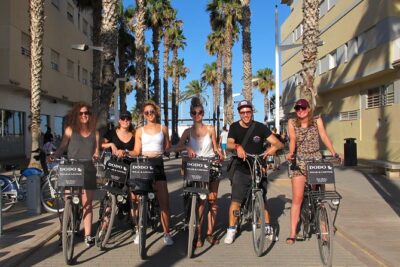
Valencia Bike Tour from the City to the Beach, plus Bike Guy App!
Read our review →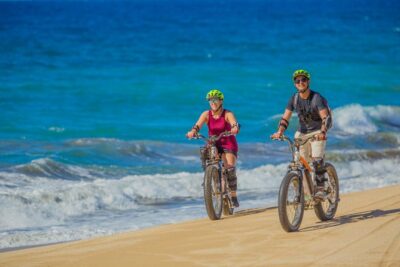
Electric Bike Beach Adventure with Tequila Tasting and Lunch
Read our review →
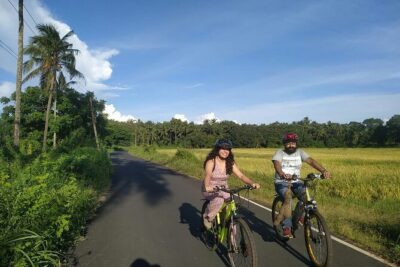
Varca Coastal E-Bike Tour: Scenic Beachside Adventure
Read our review →
Highlights, Hidden Gems and Coast Vintage Bike Tour
Read our review →
Cali Dreaming Electric Bike Tour of La Jolla and Pacific Beach
Read our review →
Tahoe Coastal Self-Guided E-Bike Tour – Half-Day | World Famous East Shore Trail
Read our review →Browse the lists this tour appears in