
Review · AUSTRALIA
Classic Melbourne Bike tour
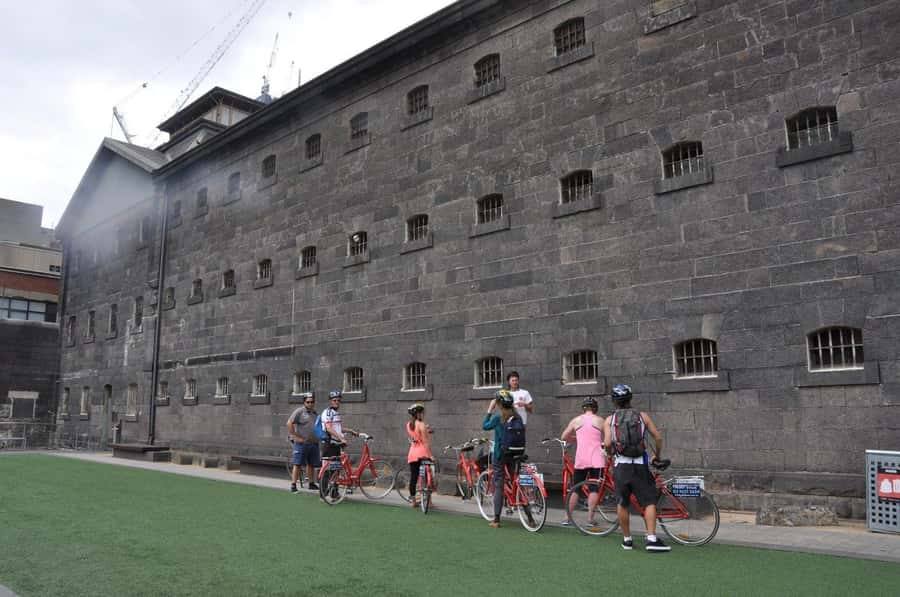
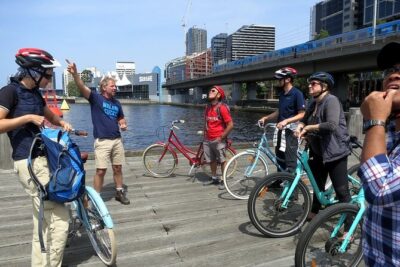
Melbourne is easiest to understand on two wheels, and this tour gives you a broad look without turning the day into a race. You ride through parks, along bike paths, beside the Yarra River, past major sights, and into Fitzroy, with guides such as Finn, Freddie, Matt, and Avalon bringing local stories to the route. I like the heavy use of paths and parks, and I like that the electric-assist bikes make small hills and longer stretches manageable.
The Fitzroy café stop is another smart touch. You can buy lunch, bring your own, and chat with the group before riding on. The main consideration is city traffic: the route is mostly away from cars, but a few wide street crossings include trams and several lanes. You need to stay alert, especially if you are not used to cycling on the left.
Key points at a glance
- Electric-assist bikes make four hours approachable: Recent tours have used well-maintained e-bikes, useful on hills and in busy areas.
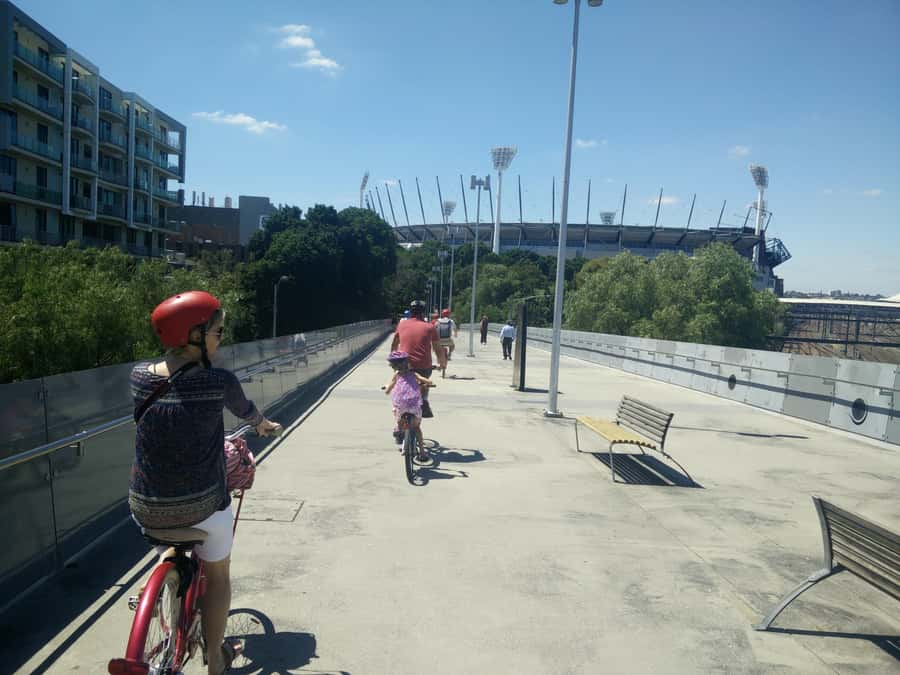
- About 90 percent of the route uses paths and parks: You get a calmer ride than a street-heavy city cycle.
- Fitzroy adds a real neighborhood break: Stop at a café for optional lunch, with choices such as South of Johnston mentioned by recent participants.
- The commentary reaches beyond famous buildings: Expect stories about Aboriginal history, the Eureka Stockade, war history, sport, and Melbourne’s development.
- The group is limited to 10 people: That makes it easier to ask questions and stay connected with your guide.
- Rain does not cancel the ride: Bring a hat, weather-ready clothing, and rain gear.
Why a bike is a smart way to meet Melbourne
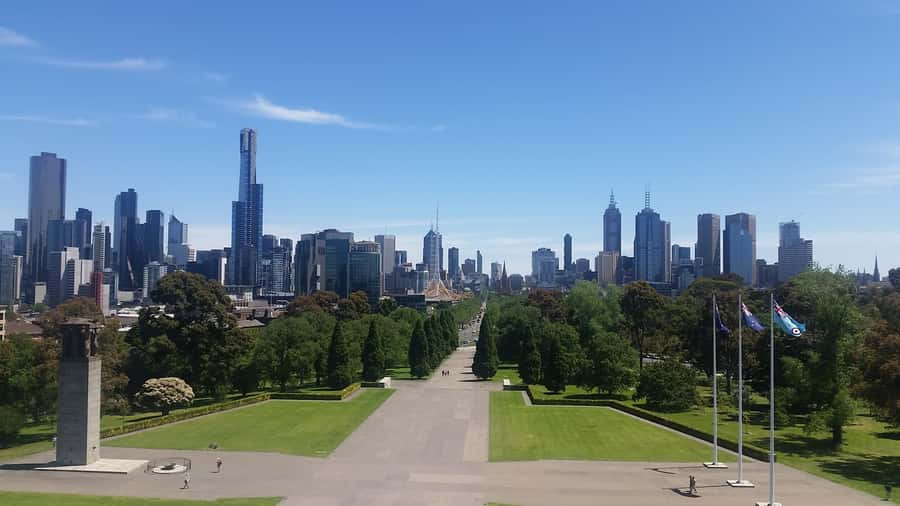
Melbourne can feel spread out when you explore it on foot. Its central streets, riverfront, gardens, inner suburbs, sports grounds, and cafés each tell a different part of the city’s story. A bike lets you connect those areas in one morning or afternoon, without spending the whole time on public transport.
This is not a technical cycling trip. The route is designed for a range of abilities, and most of it follows bike paths or passes through parks. That matters because you can watch the city change around you instead of concentrating on traffic for four straight hours.
The electric-assist bikes are especially useful. You still pedal, but the motor takes pressure off when the route rises or when you are tiring near the end. Several guides have been praised for waiting patiently on small hills and keeping the group together, so you should not feel that you need racing fitness.
You still need to be comfortable on a bicycle. The tour is not suitable for people with mobility impairments, and you will cross some streets. If you are visiting from a country that drives on the other side of the road, pay close attention to the guide’s instructions. One recent participant specifically appreciated help with riding on the left, while another noted that crossing multiple lanes with trams requires care.
More bike tours around Australia:
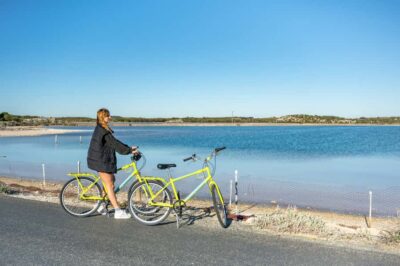
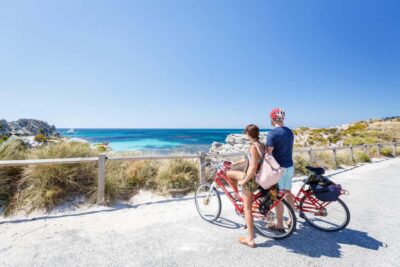
- From Perth: Rottnest Island Full-Day Bike and Ferry Trip
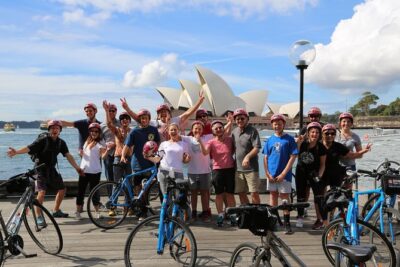
★ 4.7 · 2,548 reviews - Sydney Bike Tours
★ 5.0 · 1,125 reviews - From Fremantle: Rottnest Island Ferry and Bike Day Tour
★ 4.6 · 805 reviews
Meeting Blue Tongue Bikes near Federation Square
The meeting point is at the front of Blue Tongue Bikes. From Federation Square, allow about 10 minutes to walk there. You can also take the free tram and get off at Sea Life.
This is a useful central starting point for a city ride. You do not need to arrange a separate transfer from the central area, and you can leave luggage in the provided secure storage while you cycle. Wi-Fi is also included, along with a bike, helmet, sunscreen, and ponchos if needed.
Wear clothes you can pedal in, rather than treating this as a sightseeing bus trip. A hat is recommended, and you should bring rain gear even if the morning looks clear. The tour runs rain or shine, so Melbourne’s famously changeable weather is part of the planning equation.
The first ride: parks, paths, and city bearings
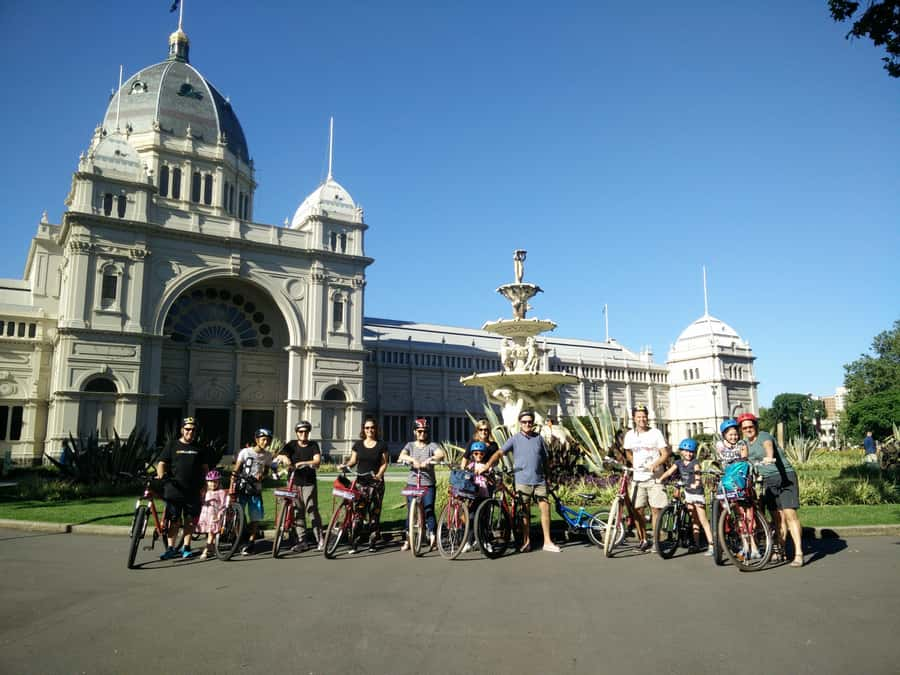
Your guide begins by getting the group comfortable with the bikes and the route. The small-group format, capped at 10 people, helps here. You can ask questions without shouting across a large pack, and the guide has a better chance of noticing if someone is falling behind.
The route uses bike paths and parks for roughly 90 percent of its length. That is the tour’s biggest practical advantage. You get movement and fresh air, but you are not constantly weaving through traffic or stopping at every city intersection.
Along the way, the guide introduces Melbourne’s key landmarks and explains how different areas connect. The sightseeing is not limited to quick photo stops. You hear about the city’s founding, the First Peoples of Australia, the Eureka Stockade, local wartime history, and the role of sport in Melbourne life.
Sport is a particularly useful subject here. Melbourne’s sporting identity is not a side note, and guide Ben has been praised for explaining how sport fits into the city’s past and present. If you know little about Australian rules football or the city’s sporting culture, this part can give you useful context for the rest of your stay.
The guides bring different personalities to the ride. Finn has been described as patient, safety-focused, and easy to approach. Freddie is known for mixing stories and historical facts with humor. Matt has been praised for keeping the group organized and adding fun facts, while Avalon takes a laid-back but detailed approach to buildings, neighborhoods, and cultural meaning.
Those names matter because the guide shapes the experience more than any individual landmark. You are not simply following a route with an audio recording. You can stop and ask why a place matters, what to do nearby, or where to eat later.
Yarra River views and the Royal Botanic Gardens
The Yarra River gives the ride one of its most scenic sections. Cycling beside the water changes the pace of the tour. Instead of moving from one urban sight to another, you get a more open view of Melbourne and a chance to pause for photos.
The Royal Botanic Gardens add another worthwhile change of setting. You see the city in relation to its large green spaces, which is one reason cycling works so well here. The gardens are not treated as a separate, long walking visit, so do not book this tour expecting an in-depth garden tour. Instead, you get views, orientation, and a sense of how the gardens fit into Melbourne.
The guide’s commentary helps turn scenery into context. You may learn how the city developed around its river, how its public spaces function, and how the surrounding areas connect. Exact stops can vary with the guide, traffic, and weather, so think of this as a guided city circuit rather than a fixed checklist of every attraction.
Breaks are built into the ride. That makes the four-hour length more comfortable and gives you time to listen without pedaling. It also keeps the outing social, since the group can regroup rather than spreading out across the route.
Same wheels, a different route:
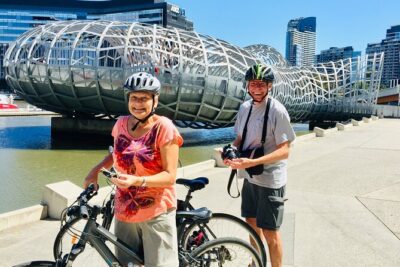
- Famous Melbourne City Bike Tour
★ 5.0 · 779 reviews - The Best of Melbourne Bike Tour
★ 5.0 · 671 reviews - From Perth: Rottnest Island Ferry & Bike Trip
★ 4.5 · 627 reviews - Manly Self-Guided Bike Tour
★ 4.5 · 573 reviews
Fitzroy: a café pause with room to choose
Fitzroy is where the tour shifts from major sights to neighborhood life. The suburb is known here as an eclectic stop, and the break gives you time to see a different side of Melbourne than the river and formal gardens.
Lunch is optional and costs extra. You can buy food at the café or bring your own. A café called South of Johnston has been used as a lunch stop, with a wide range of choices and options that suit different dietary needs. Other departures may use another venue, so keep your plans flexible.
This pause adds real value to the tour. Four hours of cycling can feel long if every minute is spent moving, but a meal break lets you rest, talk with the guide, and compare notes with the small group. Guides also use breaks to suggest events, restaurants, and other things to do during the rest of your time in Melbourne.
Bring cash, as requested in the practical information, and do not assume lunch is included in the $77 price. If you have strict dietary needs, bringing your own meal gives you more control. If you enjoy choosing a local café and trying something on the spot, the stop is an easy way to do that.
What you learn beyond the landmarks
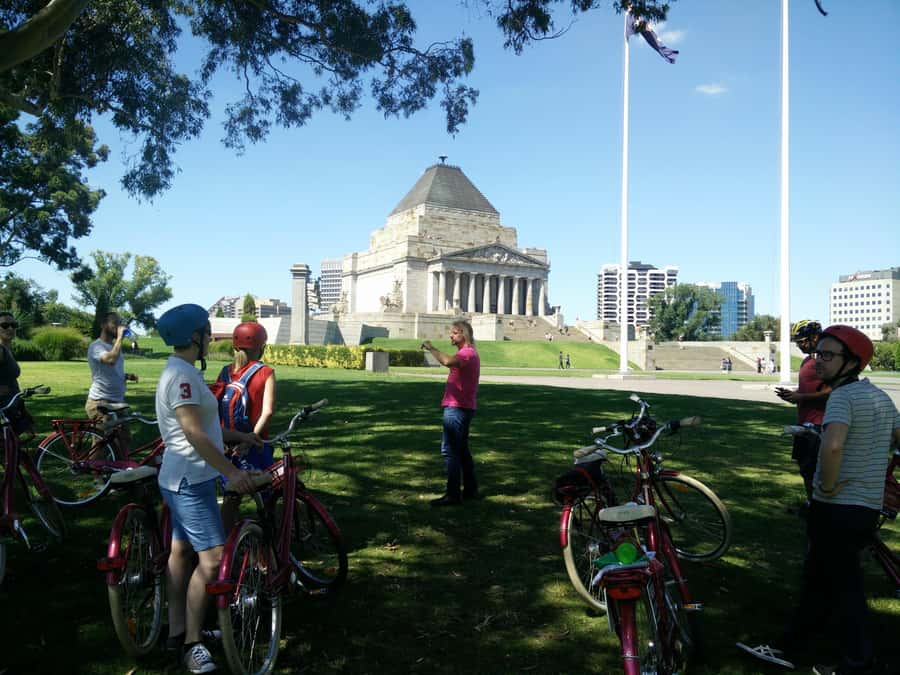
The tour earns its place in a first visit because the subject matter goes well beyond architecture. The guide covers Aboriginal history, including the importance of Australia’s First Peoples, then moves through colonial development, the Eureka Stockade, war history, and sport.
That range helps you read Melbourne with more care. A building is not just an attractive façade, and a sports venue is not just a stadium. You get explanations about cultural significance, city growth, and the events that helped shape local identity.
The Aboriginal history component is particularly important. The information provided describes it as part of the core commentary, and guide Finbar has been singled out for the breadth of his coverage of Australia’s First Peoples. If you want a tour that acknowledges Melbourne’s history before and after European settlement, this is a useful feature.
The level of detail will depend on your guide and the questions you ask. The best approach is to speak up. Ask about a building, a neighborhood, a sport, or a place to eat. The group size gives you a good chance to get an answer without losing the flow of the ride.
Safety, pace, and the reality of city cycling
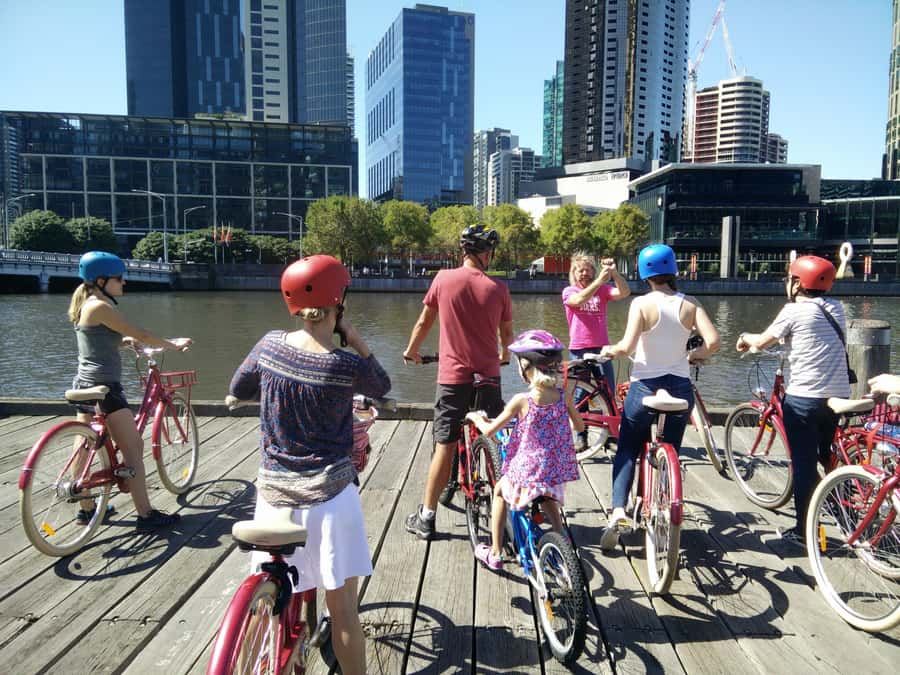
The tour is presented as safe for all skill levels and abilities, with most of the route on bike paths and through parks. You receive a helmet, and guides are expected to keep the group together. Several guides have been praised for their attention to safety and for waiting when someone needs more time.
Still, safe does not mean completely traffic-free. The route includes city streets and crossings, and some intersections are more demanding than others. Trams run through Melbourne, and crossing several lanes with a group requires concentration. Follow the guide closely, keep your eyes up, and do not rush to catch up after a stop.
The electric bikes help with effort, not traffic. You still need to steer, brake, watch for other cyclists, and handle crossings. If you have not ridden for years, tell the guide at the start so you can get comfortable before the group gathers speed.
Rain is another consideration. The tour runs in wet weather, with ponchos available if needed, but you should bring your own rain gear and dress for the forecast. A wet ride can still be enjoyable, but it will not feel like the same easy outing as a dry day.
Is $77 a fair price?
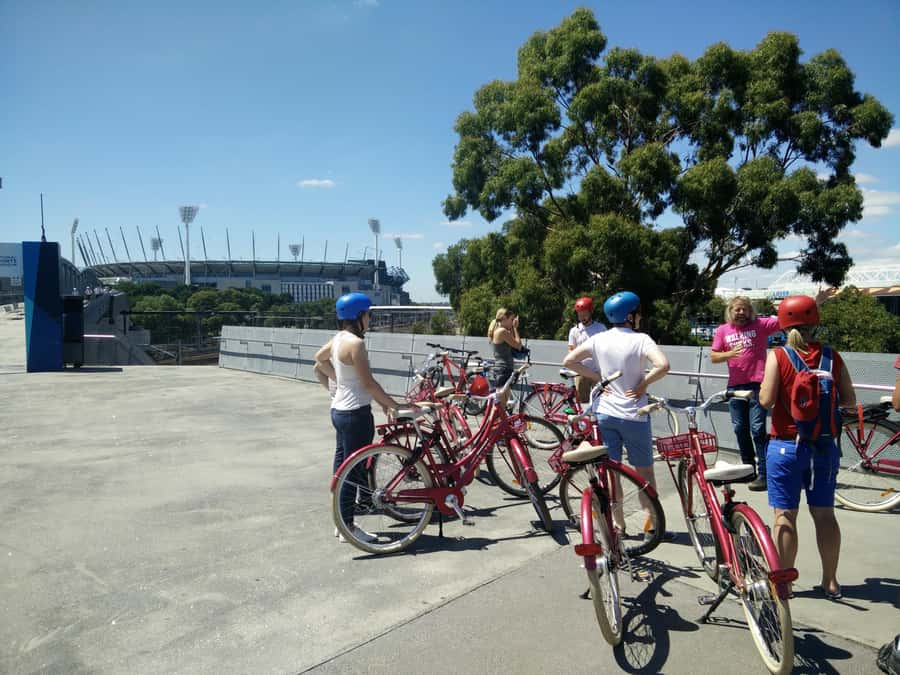
At $77 per person, the price is reasonable if you want transport, a guide, bike hire, safety equipment, and an introduction to several parts of Melbourne in one outing. You are paying for four hours of access to an organized route, not just a bicycle rental.
The value is strongest early in your stay. A good guide can point out places to return to, explain which neighborhoods suit your interests, and suggest food or events for later. That advice can save you time during the rest of your visit.
The price does not include lunch. Add that cost if you plan to eat at the Fitzroy café, or pack food if you want to keep the outing within budget. Secure luggage storage, sunscreen, Wi-Fi, and ponchos when needed are included, which means fewer small expenses on the day.
If you only want a bicycle to explore at your own speed, this tour is not the cheapest way to ride. The reason to book it is the combination of transport and interpretation: you see more ground while receiving local background that would be hard to gather alone.
Free cancellation is available up to 24 hours before departure, and you can reserve now and pay later. Check the available start times when booking, since the four-hour schedule varies by availability.
Who will enjoy this Melbourne bike tour?
I would recommend it to first-time visitors who want a quick mental map of the city. It is also a good fit for active couples, families with older children, and locals who want a guided outing with a social feel.
Teenagers can enjoy the movement, especially with electric-assist bikes, while parents get history and city orientation. The Fitzroy lunch stop also breaks up the ride in a way that helps a family group avoid four hours of nonstop pedaling.
You may want a different plan if you dislike cycling in traffic, have mobility limitations, or want a slow walking tour focused on one museum or neighborhood. This is a broad introduction, not a specialist tour of the Botanic Gardens, Aboriginal culture, architecture, or sport alone.
The small group helps keep the experience personal, but it does not remove the need to ride as part of a group. You will stop when the guide stops, keep pace with the others, and share the lunch break with people you have just met.
My verdict: book early in your Melbourne stay
I would book the Classic Melbourne Bike Tour near the start of a visit, especially if you want to combine orientation with an active half-day. The route covers the Yarra River, Royal Botanic Gardens, city landmarks, parks, and Fitzroy, while the commentary gives you useful background on Aboriginal culture, the Eureka Stockade, war history, and sport.
The strongest reasons to go are the electric-assist bikes, the high percentage of path-based riding, and the guides’ practical local advice. The main caution is the city traffic at some crossings, plus the fact that rain will not stop the tour.
Choose it if you want to see a lot without sitting on a bus, and if you are happy to pedal, follow instructions, and carry weather-ready clothing. Skip it if you need a fully step-free activity or prefer to explore independently. For most capable cyclists, $77 buys a lively and useful introduction to Melbourne rather than just a ride around town.
FAQ
How long is the Classic Melbourne Bike Tour?
The tour lasts four hours. Starting times vary, so check availability when booking.
Where does the tour meet?
Meet at the front of Blue Tongue Bikes. The location is about a 10-minute walk from Federation Square, or you can take the free tram and get off at Sea Life.
Are bikes and helmets included?
Yes. The guided tour includes a bike and helmet. Recent departures have used electric-assist bikes.
Is lunch included?
No. The Fitzroy lunch stop is optional, and food costs extra. You can also bring your own lunch.
Does the tour run in bad weather?
Yes. The tour runs rain or shine. Ponchos are available if needed, but you should bring rain gear and clothing suited to the forecast.
How large is the group?
The tour is limited to 10 participants, making it easier to stay with the guide and ask questions.
Is the tour suitable for people with mobility impairments?
No. The activity is not suitable for people with mobility impairments.
New rides added around Australia
- Yarra River, Melbourne Waterbike Tour★ 5.0 · 13 reviews
- Mclaren Vale Hills Vines and Wines Bike Tour from Adelaide★ 4.9 · 12 reviews
- Sunshine Coast: Maleny Magic Guided e-Bike Tour★ 5.0 · 11 reviews
- From Hobart: Mt Wellington Summit & Rainforest Bike Tour★ 4.9 · 29 reviews
- Electric Bike Tour of Melbourne★ 4.7 · 210 reviews
- Byron Bay: Northern Rivers Rail Trail E-Bike Hire & Shuttle★ 5.0 · 15 reviews
- Barossa Valley: Gourmet Food and Wine E-Bike Tour★ 5.0 · 11 reviews
- Premium E Bike Hire at the Northern Rivers Rail Trail★ 5.0 · 81 reviews
Australia Bike Tours, compared.
Browse the lists this tour appears in