
Review · UBUD
Electric Bike Tour in Ubud
The most appealing part of this Ubud outing is the way it gets you beyond the town center and into rice-field paths and small villages without demanding a full day of hard pedaling. The electric fat-tire bikes help on the hills, while your guide explains Balinese family life, farming, homes, and local customs.
I especially like the visit to a traditional house, which adds a human side to the scenery, and the fact that local lunch, water, snacks, equipment, and Ubud hotel transfers are included in the $34 price. Guides such as Wayan, Ketut, Nyoman, and Suradnya Inyoman are praised for taking photos, helping with rain gear, and keeping riders safe.
The main consideration is that this is not all peaceful rice paths. You may ride on busy roads with cars and motorbikes, and some narrow field lanes can feel tricky at first. A moderate fitness level and solid bike confidence will make the ride much more enjoyable.
Key Points Before You Book
- Ride the Sok Wayah rice paths: Expect narrow lanes beside cottages, paddies, and village homes rather than a paved cycling route from start to finish.
- Stop at a real Balinese family compound: The traditional-house visit gives you a closer look at shared family life and village customs.
- Use the motor when you need it: The electric assist reduces the strain on hills, but you still need to pedal and control the bike.
- Choose morning or afternoon: Both departure times are available, with the tour lasting about three hours.
- Lunch and transfers are included: The price covers local food, snacks, bottled water, bike rental, safety gear, and pickup and return within Ubud.
- Expect a small but mixed group: Bookings allow up to six people, while the total group limit is ten.
Why This E-Bike Tour Works Well in Ubud
Ubud is easy to enjoy on foot in the center, but the town’s best-known rice terraces and village lanes spread beyond the busy streets. Walking between them takes time. A standard bicycle can be tiring on Bali’s hills. The fat-tire electric bike offers a useful middle ground: you still ride under your own control, but the motor helps when the road tilts upward.
That matters here because the ride is not simply a flat cruise through paddies. You move between narrow paths, village roads, and sections with traffic. The electric assistance lets you pay more attention to the scenery and the guide rather than spending every uphill stretch staring at the ground.
The tour lasts about three hours, making it easy to fit into a morning or afternoon in Ubud. You get hotel pickup and drop-off within Ubud, or you can meet at Puri Bebengan on Jalan Kajeng. The company shop is the departure and return point.
At $34, the outing offers good value if you want transport and a guided cultural visit along with the cycling. You are not paying only for a bike rental. The package includes the guide, equipment, bottled water, snacks, a local meal, and air-conditioned transport within Ubud.
More E-Bike Tours in Indonesia
- Ubud: Rice Terraces & Villages Half-Day Fat Tire E-Bike Tour
★ 4.9 · 602 reviews - Ubud eBikes Tour to Tegallalang Rice Terrace
★ 5.0 · 507 reviews - E-Bike: Ubud Rice Terraces & Traditional Villages Cycling
★ 4.6 · 37 reviews
Getting Comfortable on the Fat-Tire Bike
The experience starts with pickup from your Ubud accommodation, followed by a short introduction to the bike and its controls. This part is important. The electric assistance can feel unfamiliar during the first few minutes, especially on tight paths or when several riders are together.
You should take the time to test the brakes, understand the power settings, and get a feel for the bike before reaching the narrow rice lanes. The electric motor helps with uphill pedaling, but it does not remove the need to steer, balance, brake, and watch the surface ahead.
The fat tires suit uneven lanes better than a thin-tire city bicycle, but they do not make every section effortless. One rider found that the assistance could be inconsistent uphill. Another noted that the bike still required a fair amount of effort. I would treat the motor as support, not as a substitute for cycling ability.
The group size can reach ten people, although bookings are limited to six. A larger group may mean more waiting at tight corners or road crossings. If you are not fully confident on a bicycle, ask for help early. Guides are used to adjusting the pace and assisting riders who need more time.
Through Sok Wayah’s Rice Fields and Village Lanes
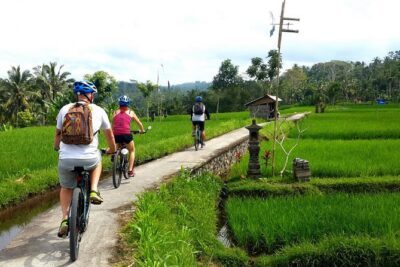
The ride heads through Sok Wayah, where narrow paths pass rice paddies, cottages, and village areas. This is the most scenic part of the outing, but it is also where you need to pay attention. Some lanes are tight, and the surface can feel awkward if you are still getting used to the bike.
You will have chances to stop for photographs. Guides have been praised for taking pictures, which is useful because you can enjoy the ride without constantly trying to set up your phone. The pace is not presented as a race, and the guides generally focus on safety and making the route manageable for different skill levels.
The ride also includes sections on ordinary roads. Cars and motorbikes share these stretches, so you should be comfortable cycling near traffic. Guides help supervise road sections, and several riders found the support reassuring. Still, you should not book this as a completely traffic-free countryside trip.
The payoff is variety. In one short outing, you may pass fields, homes, village lanes, and busier roads. That gives you a better sense of how Ubud’s rural edge connects to daily life. You are not only looking at rice terraces from a viewpoint. You are moving through the area where people live and work.
Tegalalang Village and the Rice Terraces
A stop at Tegalalang Village gives you time to see the rice terraces and take photographs. The terraces are one of the area’s signature sights, but the visit works better because it is part of a moving route rather than the only event of the day.
You should expect a stop for views and explanation rather than a long independent visit. The guide provides context about what you are seeing and about Balinese life. This makes the stop more useful than simply arriving, taking a few photos, and leaving without knowing how the fields fit into the local community.
The terraces can also bring a more tourist-focused side of the area. Some outings include a coffee-tasting or plantation stop. One rider enjoyed the break, while another found the coffee visit too commercial and less genuine than the village and house sections.
That difference is worth keeping in mind. If the coffee stop appears on your route, treat it as an optional pause rather than the cultural heart of the tour. The strongest parts are the ride itself, the rice fields, and the conversations about family and village life.
More E-Bike Tours in Ubud:
- Private Fat Tire E-Bike Tour in Ubud
★ 5.0 · 25 reviews - 3-Hour Porto Highlights on a Electric Bike Guided Tour
★ 5.0 · 4,392 reviews - Lisbon: Hills, Alfama, and Mouraria Tour by Electric Bike
★ 4.8 · 3,438 reviews - Athens Scenic Electric Bike Tour with optional Acropolis visit
★ 5.0 · 3,350 reviews
Inside a Traditional Balinese Family Home
The traditional-house visit gives this bike ride its clearest cultural purpose. You can see how a Balinese family compound works and hear about the way relatives support one another. One guide explained the family as a village of its own, where people share responsibilities and help each other.
This is not a museum visit. It is a chance to see a lived-in home and ask questions about family structure, customs, and daily routines. That personal setting helps explain why Balinese villages can feel closely connected even when individual homes appear separate.
The stop may include water or fresh fruit, giving you a welcome break from the bike. It also slows the pace. After riding narrow paths and roads, you get time to listen, look around, and understand a little more about the people behind the scenery.
I would give this stop more weight than the photo opportunities. The terraces are beautiful, but the house visit is where the tour becomes more than a pleasant countryside ride. It gives you a direct connection to local life without asking you to spend a full day in a cultural program.
Lunch, Snacks, and the Return to Ubud
The outing ends with a meal at the terrace of the company’s shop. The food is described as local, and one rider singled out the noodles as especially good. Snacks and bottled water are also included during the day.
The meal is a practical finish after several hours on a bicycle. It is not just an extra item added to the booking. You do not need to arrange lunch separately, and you can sit down before returning to your accommodation.
Some rides have finished at a restaurant with a view and a drink, but the stated tour arrangement returns you to the company meeting point before hotel drop-off. The exact meal setting may depend on the day and route, so I would not book it expecting a particular restaurant.
Weather can change the feel of the ride quickly. Rain has interrupted some outings, but guides have provided raincoats from their backpacks. The tour requires good weather, so poor conditions can lead to a different date or a full refund. Even in a generally favorable forecast, carrying a small waterproof bag for your phone is sensible.
Guides, Safety, and Riding Conditions
The guides are a major part of the experience. Wayan is praised for safety, photos, and cultural explanations. Ketut is noted for clear English and for explaining Bali’s customs well. Nyoman and Suradnya Inyoman are also praised for patience, bike assistance, rain protection, and answers about family life.
Names can change by departure, so you should not assume a particular guide will lead your tour. What you can reasonably expect is a local guide who rides with the group, explains what you pass, and helps manage the road sections.
Safety support matters because the route has several riding conditions. You may encounter:
- Narrow paths through rice fields
- Small village lanes
- Uphill sections requiring electric assistance
- Roads shared with motorbikes and cars
- Rain or wet surfaces in changing weather
You should have moderate physical fitness and enough bike experience to brake and steer confidently. One rider found the first narrow paths challenging, while another noted that uncertainty on the lanes made the tour run longer than planned.
The guide can help with pacing, but this is still an active outing. It is not suitable for someone who wants to sit back while someone else does all the work. The electric motor makes the ride easier, not passive.
How This Tour Compares With Other Ubud Activities
Many Ubud experiences focus on temples, cooking, yoga, or staged cultural demonstrations. This one gives you a more physical view of the area. You cover more ground than you would on foot, and you can reach quiet rice-field paths that are easy to miss from a vehicle.
The tour also offers more local contact than a simple viewpoint stop. The guide talks about family life, village customs, and the places you pass. The traditional home visit adds a personal detail that a standard sightseeing drive may not provide.
The compromise is comfort and control. A car tour keeps you dry and away from traffic. A walking tour lets you move slowly and stop whenever you wish. On the e-bike, you must pay attention to the route and accept that some sections will be less scenic than others.
For me, the balance works if you want an active half-day with cultural detail. If your main goal is to spend three uninterrupted hours on quiet paths, you may be disappointed by the road sections and occasional commercial stop.
Who Should Book the $34 Experience?
This tour suits you best if you:
- Want to see the countryside without committing to a full-day cycling trip
- Can ride a bicycle with confidence
- Like a mix of scenery, village roads, and cultural explanation
- Value hotel transport and included food
- Prefer a small-group activity with a local guide
- Want photographs without stopping to manage every shot yourself
It may not suit you if narrow lanes make you nervous, if you dislike riding near traffic, or if you want a polished sightseeing route with no commercial stops. The electric motor helps, but you still need to pedal and handle the bike.
The price is particularly fair for visitors staying in Ubud who would otherwise need to arrange transport, rent bicycles, buy water, and find lunch. Pickup outside Ubud can be arranged, but it is not included in the stated price, so ask about the added cost before booking.
Free cancellation is available if you cancel at least 24 hours before the start time. Changes or cancellations inside that period are not refunded, and poor weather may lead to a new date or full refund.
Should You Book This Ubud E-Bike Tour?
I would book it if you want a practical way to see Ubud’s rice fields, villages, and family life in one half-day. The best reasons are the electric assistance, the traditional-home visit, the guides’ strong attention to safety, and the useful bundle of transport, food, water, and equipment.
Go in knowing that the route includes traffic and narrow paths. Give yourself time to learn the bike, follow the guide closely, and expect the scenery to alternate between quiet paddies and ordinary roads.
For confident riders, this is a good-value introduction to the countryside around Ubud. For nervous cyclists, it is still possible, but you should tell the guide at the start and avoid treating the tour as a carefree ride. The experience is strongest when you want both movement and conversation, not just a quick photo stop at a rice terrace.
FAQ
How long does the Ubud electric bike tour last?
The tour lasts approximately three hours, including the ride, stops, the traditional-house visit, and the meal at the company shop.
What is included in the $34 price?
The price includes the electric bike and gear, bottled water, a local guide, snacks, local lunch, and hotel pickup and drop-off within Ubud.
Is hotel pickup available?
Yes. Complimentary pickup and drop-off are available for accommodations within Ubud. Pickup outside Ubud is not included, but the company can arrange it on request.
Where does the tour start?
The listed meeting point is Puri Bebengan, F7X7+H6H, Jalan Kajeng, Ubud. The activity ends back at the meeting point before returning guests to Ubud accommodations.
Are morning and afternoon departures available?
Yes. You can choose between morning and afternoon departure times.
Do I need cycling experience?
You should have a moderate level of physical fitness and enough bike confidence to handle narrow paths, hills, and some roads with cars and motorbikes. The electric assistance helps with pedaling but does not remove the need to control the bike.
Will I visit a traditional Balinese home?
Yes. The route includes a stop at a traditional house, where the guide explains Balinese family and village life. Fresh fruit or water may be provided during the visit.
Does the tour run in the rain?
The activity requires good weather. If poor weather causes cancellation, you will be offered another date or a full refund. Guides may also provide raincoats if rain begins during the ride.
What is the cancellation policy?
You can cancel at least 24 hours before the local start time for a full refund. Cancellations or changes made less than 24 hours before the start time are not refunded or accepted.
New rides added around Ubud
- E-Bike: Ubud Rice Terraces & Traditional Villages Cycling★ 4.6 · 37 reviews
- Ubud: Downhill Cycling with Volcano, Rice Terraces, and Meal★ 4.9 · 189 reviews
- Private Fat Tire E-Bike Tour in Ubud★ 5.0 · 25 reviews
- Ubud: Zipline, Bali Swing, and Sky Bike in a Private Rice Terrace★ 4.5 · 60 reviews
- Ubud : PRIVATE Bike Tour inside Rice Field Ubud Countryside★ 4.9 · 118 reviews
- Bali Downhill Cultural Cycling Tour★ 5.0 · 224 reviews
- Bali Countryside Cycling Tours★ 5.0 · 246 reviews
- Ubud: Downhill Bike Tour with Rice Fields, Volcano and Meal★ 5.0 · 267 reviews
Ubud Bike Tours, compared.
Electric Cycling Tour of Ubud with Free Hotel Transfer and Lunch
Read our review →
Rice Terraces & Villages Half-Day Fat Tire E-Bike Tour
Read our review →
Downhill Cycling with Volcano, Rice Terraces and Meal
Read our review →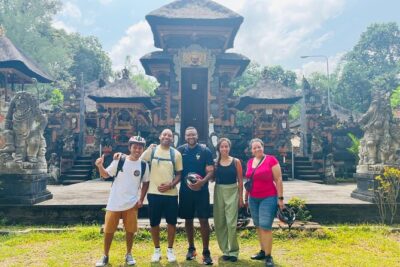
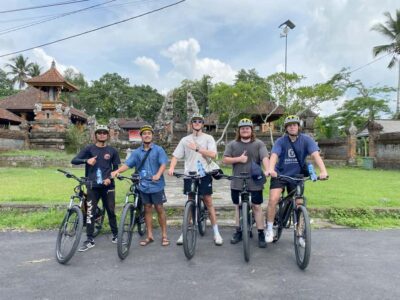
Downhill Bike Tour with Rice Fields, Volcano and Meal
Read our review →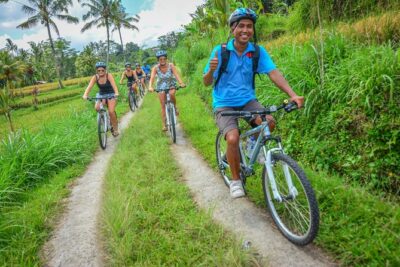

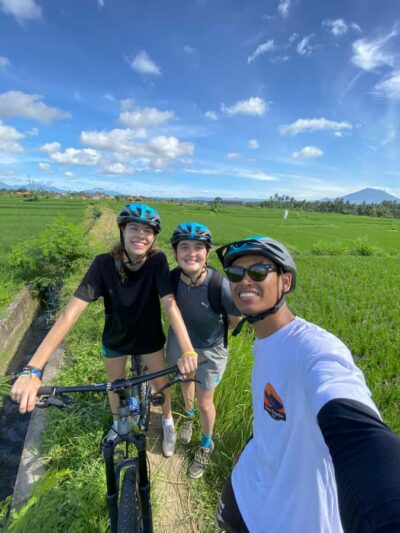
PRIVATE Bike Tour inside Rice Field Ubud Countryside
Read our review →Browse the lists this tour appears in