
Review · BARCELONA
Barcelona | StreetArt Bike Tour Moco Museum
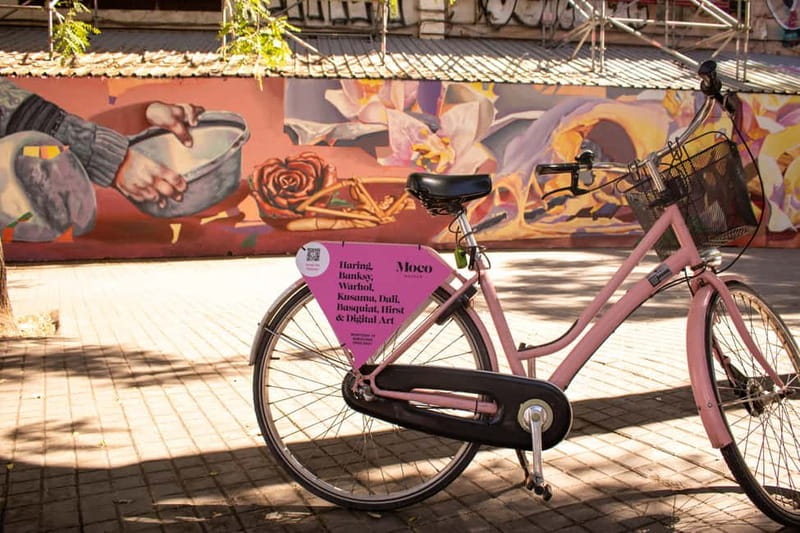
Barcelona’s street art is best understood on the move. This 2.5-hour electric-bike tour links murals, sculptures, old industrial sites, and major landmarks across the city, from the CCCB and MACBA to the Raval, waterfront, Cathedral, and Casa Batlló. You are not simply stopping for photographs. Your guide explains what the images mean, who made them, and how Barcelona’s walls keep changing.
I like the mix of famous work, such as Keith Haring’s AIDS mural, and smaller pieces by local artists. I also like the practical setup: a bike, bottle of water, handlebar bag, and picture stops are included. The main consideration is pace. You will cover a lot of ground, but some stops are brief pass-bys rather than long visits, and this tour is not suitable if you cannot ride a bike.
Key points at a glance
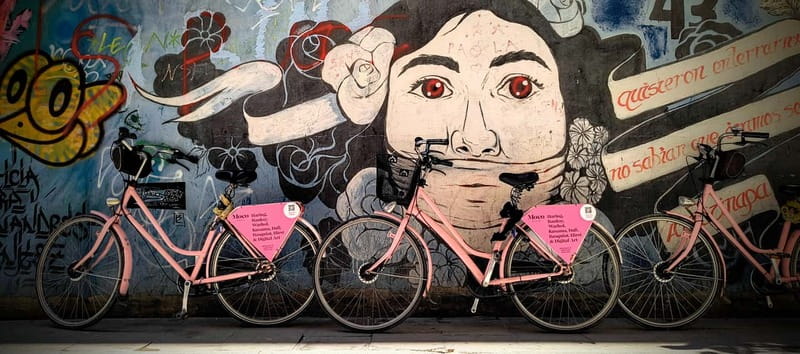
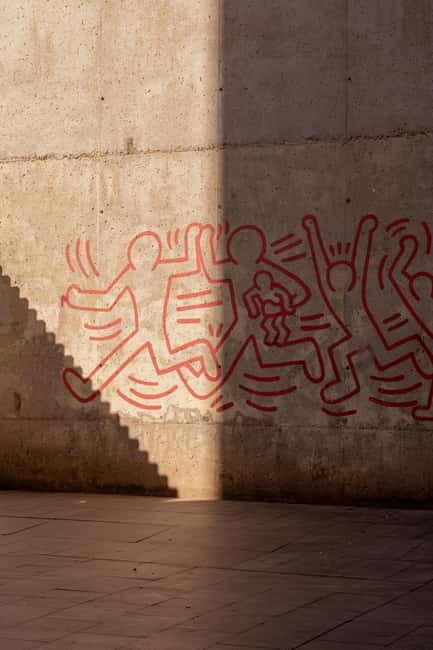
- Keith Haring at MACBA: See the powerful MURAL DEL SIDA and learn why it remains one of Barcelona’s most important public artworks.
- A route that keeps changing: The guide adjusts the ride as murals disappear, new pieces appear, and the city’s street-art scene shifts.
- More than wall paintings: The route includes El Gat de Botero, La Gamba, El Cap de Barcelona, historic streets, industrial remains, and major architecture.
- A useful central start: Meet at Carrer dels Tallers 45, near the city center, then ride through several districts without arranging your own transport.
- English guidance with local color: Guides explain artists and messages, and Eirini is specifically praised for an energetic, informative tour style.
- Good practical extras: Your booking includes a bike, water, handlebar bag, and rain poncho if needed.
Why this tour works for seeing Barcelona’s street art
Street art can be hard to find on your own. A mural may sit on an ordinary side street, behind a row of parked scooters, or in a part of town you would not think to visit. This tour gives the city a visual thread. You move from central Barcelona toward the Raval, Paral·lel, waterfront, Gothic Quarter, and Passeig de Gràcia, seeing how public art changes from one neighborhood to the next.
The bike matters because the route is too spread out for a comfortable walking tour. You can cover Carrer dels Tallers, the Raval, the port, the Cathedral area, and Casa Batlló in one outing. The trade-off is that you spend part of the time riding, not studying every wall in detail.
The route also avoids treating street art as a fixed museum collection. Barcelona’s outdoor art changes quickly. Paint fades, walls are repainted, buildings change owners, and new work takes the place of old work. The guide adapts the route to what is currently visible, so the exact selection may shift.
That flexibility is a strength, but it means you should not treat every listed artwork as guaranteed. The Keith Haring mural and major sculptures are key reference points, while smaller works may be replaced or altered.
More Street Art Bike Tours in Barcelona:
- Barcelona: 3.5-Hour Street Art Tour by Bamboo Bike
★ 5.0 · 56 reviews - London Bike Tour: Landmarks, Secret Gems, Pub Stop & Street Art
★ 5.0 · 943 reviews - London: Landmarks & Secrets Bike Tour with Pub & Street Art
★ 4.9 · 314 reviews
Starting at Carrer dels Tallers 45
Meet at Carrer dels Tallers 45, at the palm tree. Enter the passage where the Barcelona Ciclo Tour team is waiting. Arrive about 10 minutes early, especially if you need to check in, adjust your bike, or settle a nervous rider.
The tour begins with a short safety briefing near El Gat de Botero. This giant cat sculpture is an easy landmark and a fitting introduction to the day. Barcelona’s public art is not confined to painted walls, and the early stops make that clear.
The tour information gives 11 a.m. as the starting time, but available departures can vary. Check the time shown for your date before booking. A morning start leaves the rest of your day open, though you should plan for sun exposure. Bring sunglasses, a hat, sunscreen, comfortable clothing, and a charged phone.
The bikes are electric, which should make the distance easier for most riders. You still need to pedal, steer, and manage city streets. Headphones are not allowed, a sensible rule when you need to hear the guide and pay attention to traffic.
CCCB and MACBA: the artistic center of the route
The Centre de Cultura Contemporània de Barcelona, usually called the CCCB, is the first major art stop. Here you see the Sant Jordi Sculpture and the city skyline. The stop gives you a useful sense of Barcelona’s blend of older civic identity and current creative work.
The tour then moves to the Museu d’Art Contemporani de Barcelona, or MACBA. The museum is a major contemporary-art landmark, but on this ride the focus is outside, where public art meets one of the city’s most recognizable modern buildings.
The nearby Keith Haring mural is one of the strongest reasons to book this route. Known here as MURAL DEL SIDA, it carries a direct message about AIDS awareness and public health. The work is more than a colorful photo stop. Your guide explains the artist’s intent and the social message behind the image, giving the mural weight beyond its visual appeal.
You also see Colp One Dog in the same general area. These works show two sides of the route: one tied to a globally known artist, the other connected to Barcelona’s local street-art culture.
The MACBA area can be busy, and the scheduled visit is short. You will have time for an explanation and a photograph, not a museum visit. If you want to explore the MACBA galleries, plan a separate visit.
Joaquín Costa, Ferlandina, and the Raval
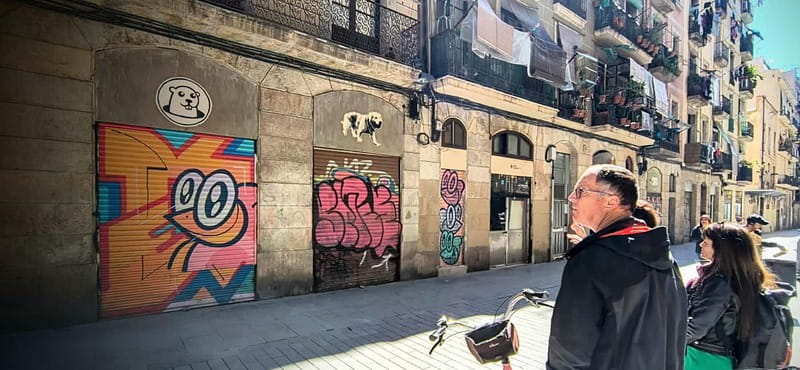
From MACBA, the ride turns through streets including c/ Joaquín Costa and c/ Ferlandina. These narrower streets give you a closer look at how urban art fits into everyday Barcelona. Here you may find small works, layered tags, painted shutters, and larger wall pieces that would be easy to miss from a taxi.
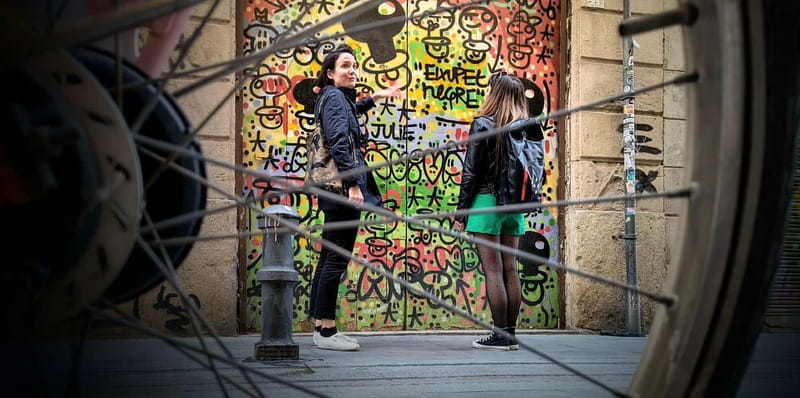
El Xupet Negre is an important stop. The artist is linked to one of Barcelona’s early graffiti movements, and the work provides a useful connection between the city’s early tagging culture and its current public-art scene. It is a reminder that street art did not arrive as a polished tourist attraction. It grew through repeated marks, symbols, and local experimentation.
The route continues toward Rambla del Raval, where the Feminist Wall, Space Invader, and work connected with Ana Eliza appear. These pieces bring different subjects into the tour: gender, popular culture, identity, and the use of public space.
The Raval section is one of the most interesting parts of the ride because the art is woven into a lived-in district. You are not moving between isolated galleries. You are seeing how murals share space with shops, apartments, traffic, and daily routines.
More museum visits in Barcelona:
- Frida Kahlo VIP [Museum Tickets Included] Bike, Markets & Churros
★ 5.0 · 1,072 reviews - Paris: Street Art Open-Air Museum Bike Tour
★ 4.8 · 51 reviews - Geneva Countryside And Art Museum At A Castle Wine By E-Bike
★ 3.8 · 16 reviews
Àgora Benítez and the old industrial setting
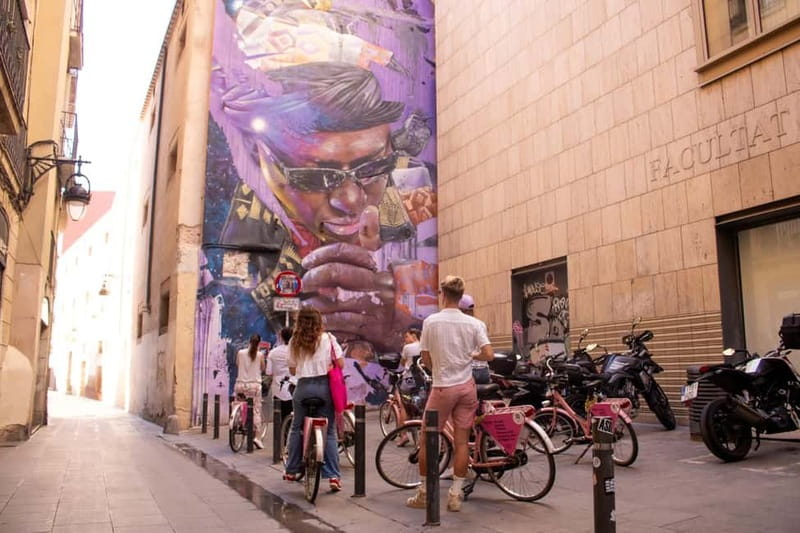
At c/ Aurora, the tour highlights work by Àgora Benítez. The next section leads toward Av/ Paral·lel and the Galería Arnau, where the city’s modern art scene meets older buildings and changing streets.
The Jardins de les Tres Xemeneies is a particularly useful stop. The garden sits around the remains of old industrial chimneys, creating a strong contrast between Barcelona’s working past and its present-day creative life. The setting helps explain why street art fits here. Old industrial spaces often provide large surfaces and a sense of unfinished possibility.
You can expect a short guided stop and photographs rather than a long rest. The garden is one of the better places to pause, but the tour keeps moving. If you prefer a slow art walk with time to sit and sketch, this bike outing may feel brisk.
La Rambla, the port, and Barcelona’s giant sculptures
The ride continues through the central and waterfront areas. At Ps. Colom, you see La Gamba, the giant lobster sculpture by Mariscal, and El Cap de Barcelona, also known as Barcelona’s Head. These pieces show how public art in Barcelona can be playful, oversized, and impossible to separate from the city around it.
The route also passes the Columbus Monument. This is a quick visual stop rather than a monument visit. The value is the transition: within a short ride, you move from painted walls and Raval side streets to the broad waterfront and large public sculptures.
The port section offers a change of pace. Instead of studying a close wall, you get open views and a sense of how Barcelona presents art on a citywide scale. The ride is also useful for orientation. You begin to understand how the central districts connect with the sea.
Theatre Arnau and the story of changing neighborhoods
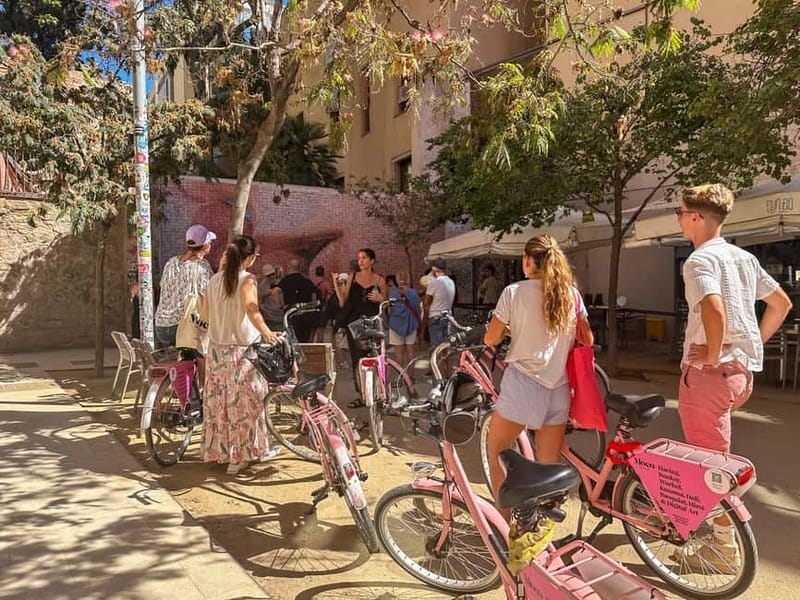
Theatre Arnau appears on the route near Paral·lel. Its inclusion adds another layer to the tour, since the area is tied to older entertainment venues and changing urban life. The building and surrounding streets help show that Barcelona’s public culture is not limited to contemporary murals.
The tour’s strength is this movement between categories. You might look at a political mural, then ride past an old theater, then stop beside an industrial remnant or a large sculpture. That variety keeps the experience from feeling like a checklist of walls.
It also means the tour is not ideal if your only goal is graffiti. You will see public art, landmarks, architecture, and street scenes along with murals. I see that as a benefit for a first visit, but dedicated graffiti fans may want a more specialized walking route afterward.
El Beso, the Cathedral, and central Barcelona
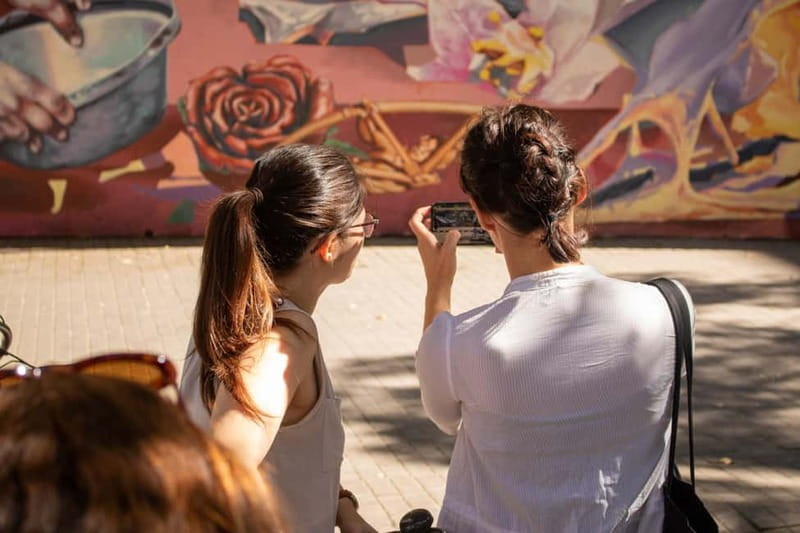
Near the Cathedral, the route reaches El mural del petó, the famous El Beso photomosaic. The image is made from photographs and connects personal memories with a public artwork. It is a good example of Barcelona’s habit of turning a familiar city wall into a shared visual statement.
The Cathedral itself is passed rather than visited inside. That distinction matters. You get the setting and a short explanation, but the ticket does not include entry to the Cathedral or other museums.
The ride then passes the Palau de la Música Catalana, one of Barcelona’s major architectural landmarks. This section shifts the focus from street art to the city’s decorative and musical identity. It gives you a wider picture of how public expression appears in Barcelona, from graffiti and mosaics to formal architecture.
Passeig de Gràcia brings another change. You ride along one of the city’s grand avenues and stop near Casa Batlló. The building is a major visual highlight, though this is an outside stop. You will not tour the interior as part of this activity.
What the 2.5-hour schedule feels like
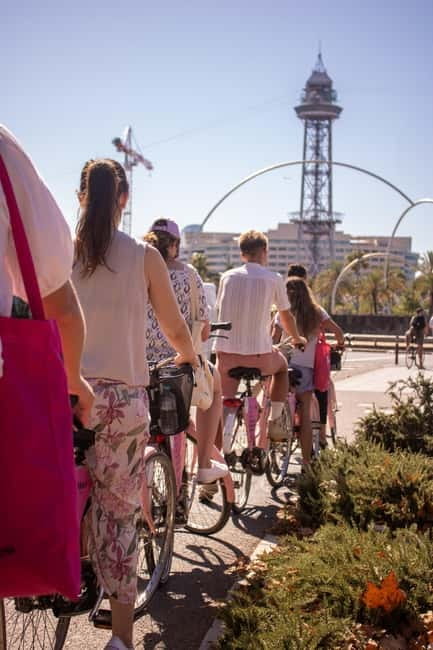
The stop list includes more than 20 points, but not all are full visits. Several are pass-bys, and listed stops range from about five to 15 minutes. That tells you how to set your expectations: this is a moving overview with selected explanations, not a series of long museum-style talks.
I like this format for a first or second day in Barcelona. You see a broad slice of the city and get ideas for places to revisit on foot. The bike also reduces the time spent walking between districts.
The main drawback is limited time at individual works. If a mural catches your eye, you may want to return later with your own camera and more time. Take mental notes, ask the guide for locations, and use the tour as a map for further exploring.
The activity ends back at Carrer dels Tallers 45. That makes it easy to continue into the city center, stop for lunch, or return to your hotel.
Price, equipment, and practical value
At $34 per person, the tour is reasonably priced for a guided ride that includes a bike, water, handlebar bag, and picture stops. You are paying not only for the equipment, but also for route planning. Finding this many scattered artworks independently would take time and several map searches.
The value is strongest if you want orientation and interpretation. A self-guided ride may cost less if you already have a bike and know the city, but you would need to locate the works yourself and accept that some may have changed.
A bottle of water is provided, but I would still carry extra water on a hot day. The handlebar bag is useful for small items, though keep valuables secure and bring only what you need.
The tour runs in rain or shine. A free poncho is provided if rain arrives, but weather-appropriate clothing remains your responsibility. Adults can request a helmet in advance for an additional charge. Helmets are mandatory for children up to age 16 and are provided free for them.
The tour is offered in English. The guide is a major part of its value. Eirini has been praised for combining clear explanations with an upbeat manner, and one guide also helped with food suggestions after the ride. That kind of local advice can be useful when you are still deciding where to eat in the city.
Who should book this bike tour
I would recommend it to first-time visitors who want to see several central districts without spending half a day walking. It also suits families with children who can ride confidently, since the route mixes large sculptures, colorful walls, and short stops.
It is a good choice for anyone who wants context rather than photographs alone. The guide explains the artists and messages, so you leave with a better sense of why certain works matter.
You should think twice if you cannot ride a bike, use a wheelchair, or dislike city cycling. The activity is not suitable for wheelchair users, and the operator does not list an alternative vehicle. Adults who want a helmet need to request one in advance and pay an additional cost.
This is also not the right pick if you want a long, quiet examination of each mural. The route covers a lot of ground. It gives you a lively introduction, then leaves you to return to your favorite places.
Should you book it?
Book this tour if you want Barcelona’s street art placed in a wider city story. You will see Keith Haring, El Xupet Negre, El Beso, La Gamba, Raval murals, industrial remains, the waterfront, and famous architecture in one compact ride.
Skip it if you want an indoor museum tour, a slow photography walk, or a fully fixed list of guaranteed murals. The city’s art changes, and the schedule moves quickly.
For most confident cyclists, the strongest reason to go is the combination of efficient city coverage and useful explanation. You get a practical introduction to Barcelona’s public art, plus a route you can follow again later on foot.
FAQ
Where does the Barcelona StreetArt Bike Tour start?
The meeting point is Carrer dels Tallers 45 in Barcelona. Meet by the palm tree and enter the passage where the Barcelona Ciclo Tour team is waiting.
How long does the tour last?
The activity lasts 2.5 hours. The advertised start time is 11 a.m., but you should check availability for the departure time offered on your date.
Is the tour guided in English?
Yes. The tour includes a live English-speaking guide.
Is a bike included?
Yes. One bike per person is included, along with a free bottle of water and a handlebar bag for belongings.
Are helmets provided?
Helmets are mandatory for children up to age 16, and children’s helmets are provided free. Adults can request a helmet in advance for an additional cost.
What happens if it rains?
The tour runs in rain or shine. A poncho raincoat is provided free of charge if needed. Bring suitable clothing and sun protection for warmer, brighter conditions.
New rides added around Barcelona
- Barcelona: Guided Half-Day Wine and Electric Bike Tour★ 4.9 · 50 reviews
- From Barcelona: Private Alella Wine Tour by Electric Bike★ 4.5 · 80 reviews
- From Barcelona: Penedès E-Bike Tour with 2 Winery Visits★ 4.9 · 17 reviews
- Explore Barcelona by Bike & Photo Shooting★ 5.0 · 61 reviews
- Barcelona: Tapas Tasting Tour by Regular Bike or E-Bike★ 4.0 · 26 reviews
- Barcelona Tapas 3-Hour Bike Tour★ 4.6 · 164 reviews
- Barcelona: Sagrada Familia Electric Scooter or Bike Tour★ 5.0 · 20 reviews
- Barcelona: Undiscovered Secrets of Picasso on E-Bike★ 4.5 · 13 reviews
Barcelona Bike Tours, compared.
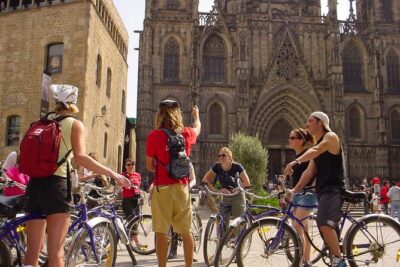
Highlights & Hidden Spots of Barcelona Bike Tour w/ Local Guide
Read our review →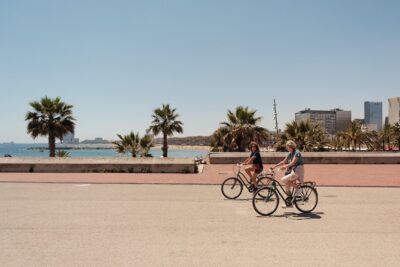
Barcelona 3-hour Bike or E-Bike Tour: Highlights and Hidden Gems
Read our review →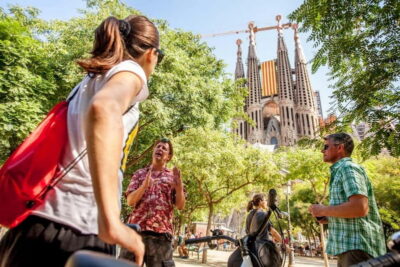

E-Bike Tour with Montjuic Cable Car & Boat Ride
Read our review →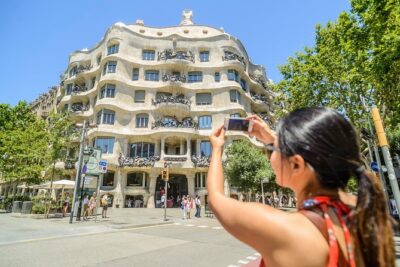
Barcelona e-Bike Tour: Gaudí & Old Town Small Group
Read our review →Browse the lists this tour appears in