
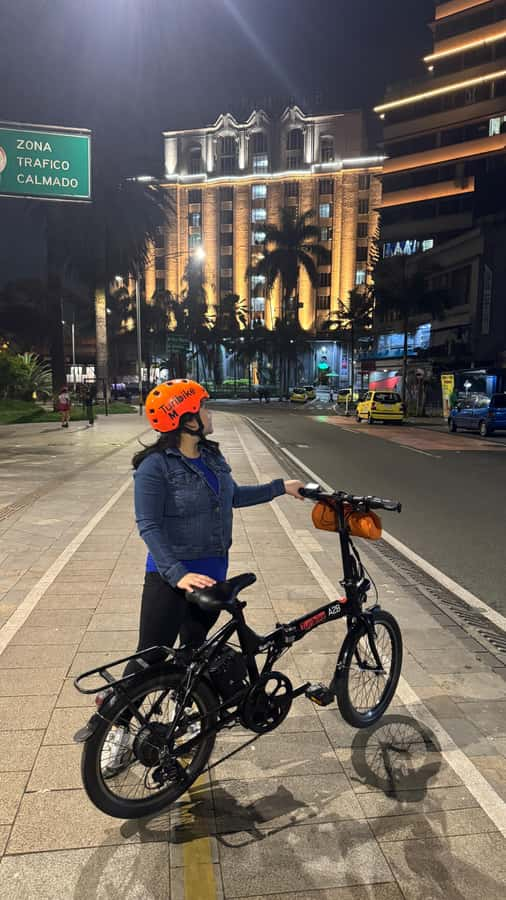
Review · HISTORIC & LANDMARK
Medellín: History & Local Life Essentials Tour on an E-Bike
Medellín reveals itself quickly from an e-bike. In three and a half hours, you move from the modern art of Ciudad del Río to Botero’s sculptures, crowded downtown streets, and the open spaces of Parques del Río. I like that the route connects art, urban change, and local life rather than treating Medellín as a string of photo stops.
I especially like the careful guides and the easy-to-use bikes. Dayana, Dani, Toto, Juan, Carlos, and others have been praised for explaining the city with warmth and humor, while giving first-time riders time to adjust. The Colombian sugar-cane drink, coffee, fruit, and occasional end-of-ride beer add a pleasant local touch.
The main drawback is traffic and group size. Some parts use busy crossings and cycle paths crowded with pedestrians, and one large group of 15 felt too big for the guide to manage comfortably. The route is mostly flat, so strong cyclists may not need electric assistance, though the motor helps you cover more ground without arriving tired.
Key points to know before you book
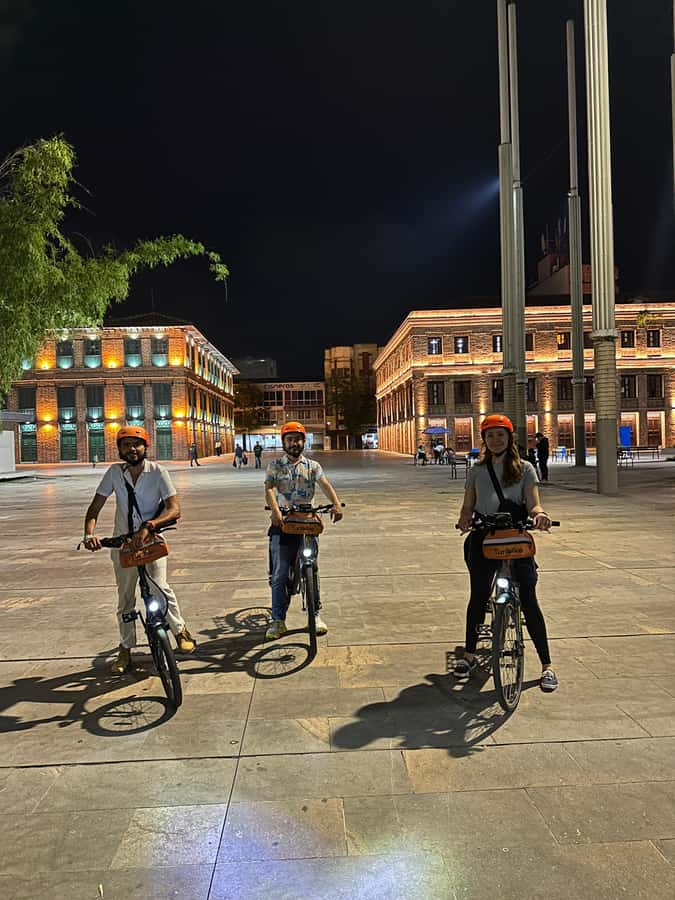
- Ciudad del Río sets the tone: Modern art, public space, and Medellín’s changing identity come together at the start.
- The e-bike covers a lot of ground: You reach southern districts, downtown, and the river parks in one 210-minute outing.
- Local guides make the difference: Dayana, Dani, Toto, and Juan are among the guides praised for safe riding, humor, and clear explanations.
- Downtown is the most intense section: San Antonio Park, Botero Plaza, and Parque de las Luces bring crowds, traffic, art, and history close together.
- The route is mostly flat: The motor is useful for comfort and distance, but not essential for every cyclist.
- Small groups are preferable: Ask about group size if you want easier stops, more questions, and a calmer ride.
Why an e-bike is a smart way to see Medellín
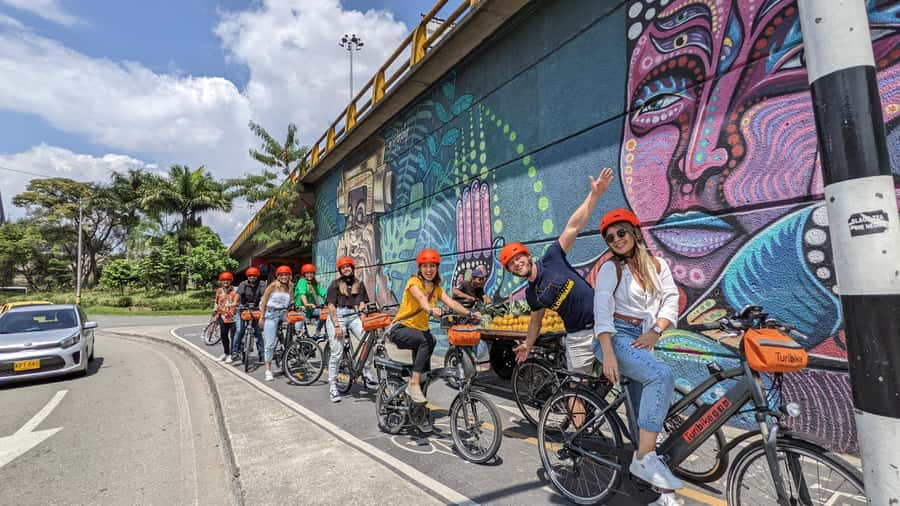
Medellín is spread across a long valley, with busy central districts and attractions that are not always close together. Walking gives you plenty of street life, but it takes longer to connect Ciudad del Río, downtown, Plaza Mayor, and the river parks in a single morning or afternoon.
That is where the e-bike earns its place. You still move at street level, but you can cover more distance and save energy for the stops. The route is described as mostly flat, so I would not book this only for help with hills. I would book it for the ability to see several parts of the city without spending much of the day in taxis or on foot.
You do not need previous e-bike experience. The guides explain how the bikes work and allow time to get comfortable before setting off. One first-time rider said the bike felt easy to learn, while another praised the well-maintained equipment and the patience shown to beginners.
The package includes the electric bike, helmet, rain jacket, medical insurance, and technical assistance. Comfortable shoes are required, and sandals or flip-flops are not allowed. Bring your passport or identification card as well.
More E-Bike Tours in the world:
- 3-Hour Porto Highlights on a Electric Bike Guided Tour
★ 5.0 · 4,392 reviews - Lisbon: Hills, Alfama, and Mouraria Tour by Electric Bike
★ 4.8 · 3,438 reviews - Athens Scenic Electric Bike Tour with optional Acropolis visit
★ 5.0 · 3,350 reviews
Starting at NOI coworking in Ciudad del Río
The meeting point is NOI coworking at Calle 17 # 43F-287. It is about a 10-minute walk from Poblado metro station or roughly a 10-minute drive from Parque Lleras. That makes the starting point fairly easy to reach if you are staying in El Poblado.
Ciudad del Río is a useful place to begin because it introduces a newer side of Medellín. The area combines public spaces, modern buildings, and creative projects. The Museum of Modern Art of Medellín, with its strong concrete form, gives the guide a chance to explain how architecture can reflect the city’s complicated geography and changing identity.
This is not just a quick bike fitting followed by a long ride. The early stop helps you understand the themes that return later: public art, social change, new infrastructure, and the link between the city and its people. The guide may also use the surrounding projects to explain how Medellín continues to reshape former industrial and underused areas.
I like this opening because it avoids starting with a generic city view. You begin with a place that asks you to think about what Medellín is becoming, not only what it has been.
Through the Creative District and Perpetuo Socorro
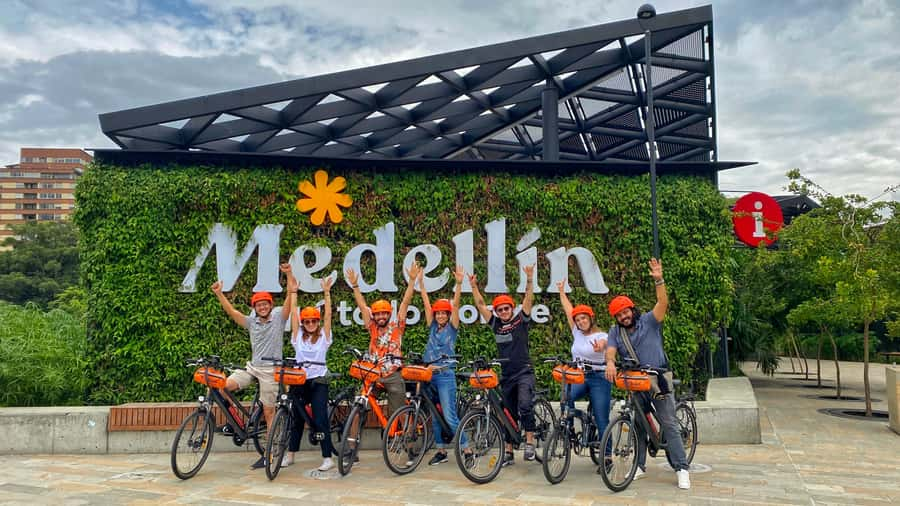
The ride continues toward Perpetuo Socorro, known for its creative projects, murals, and changing urban character. The tour passes through this area rather than treating it as a long walking stop, so the experience keeps moving.
That balance matters. You get a sense of the district’s visual energy and new uses without spending too much of the tour in one neighborhood. The guide can point out how art, design, and small businesses are helping shape the area’s future.
This section is also a reminder that an e-bike tour is about seeing connections. A walking tour might focus on one plaza or museum. Here, you watch the city shift as you ride from modern southern districts toward the older center. The change happens block by block.
The route is not a quiet countryside ride. You are in a working city, sharing roads and cycle paths with pedestrians and other riders. Pay attention at crossings and follow the guide closely. The guides are praised for riding cautiously and keeping beginners comfortable, but you still need to be alert.
San Antonio Park and the story told by Botero’s sculptures
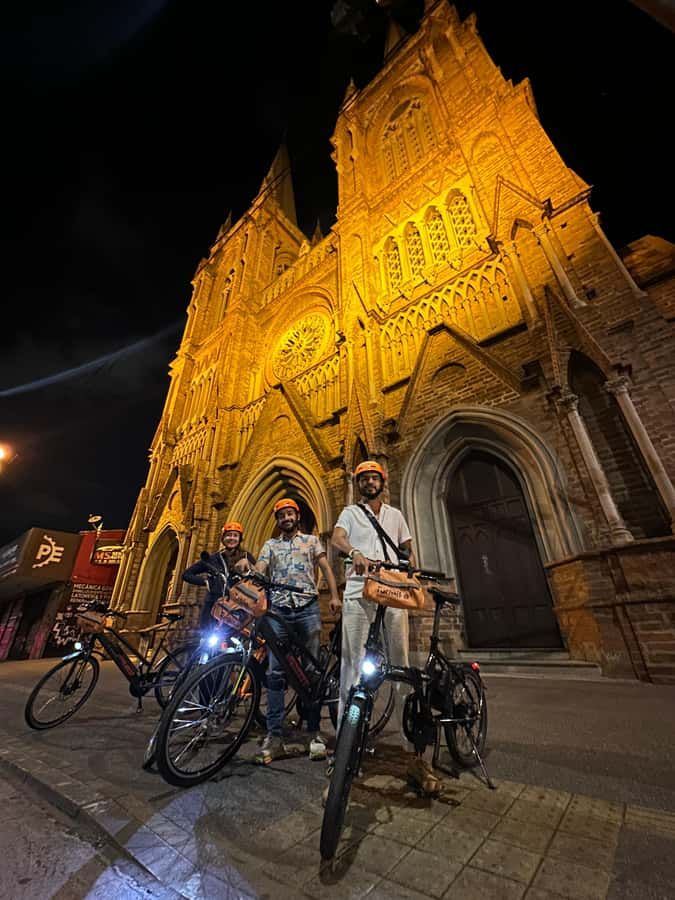
San Antonio Park offers one of the tour’s strongest history stops. Two Botero sculptures there carry a difficult story about violence, loss, and renewal. The point is not simply to admire the famous artist’s rounded forms. The guide uses the sculptures to explain how Medellín remembers painful events while continuing daily life around them.
This is where the tour becomes more than sightseeing. You are not only looking at a sculpture and taking a picture. You are hearing how public art can hold memory in a busy city park.
The stop also gives you a break from riding. The guide can explain the setting, answer questions, and help you connect the artwork with the city’s wider story. Dayana and Dani have been singled out for making these explanations personal, including the way ordinary residents were affected by major events.
If your main goal is fast sightseeing, you may find the storytelling slows the pace. I see that as a strength, but it depends on what you want. This tour works best when you are willing to stop, listen, and look beyond the obvious image.
More Historic Bike Tours in the world:
- Historical Singapore Bike Tour on Full-Sized Bicycles
★ 5.0 · 1,421 reviews - Barcelona: 2.5-Hour Bike or E-Bike Historical Tour
★ 4.5 · 1,262 reviews - Asheville Historic Downtown Guided Electric Bike Tour with Scenic Views
★ 5.0 · 1,234 reviews - Krakow: Bike Tour of Old Town, Jewish Quarter and the Ghetto
★ 4.9 · 1,155 reviews
Riding beneath the metro and into the city center
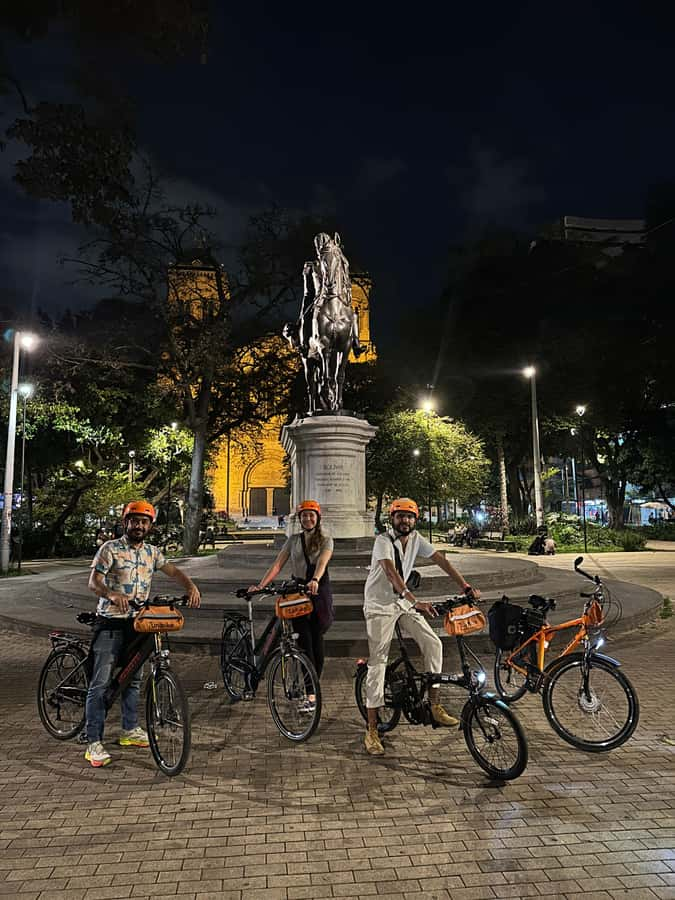
The ride through the metro corridor brings you into one of Medellín’s most active areas. The elevated metro is a major part of the city’s identity, and moving beneath or near it gives you a direct view of how transport, commerce, and daily routines overlap.
This is also the part where you should expect the most urban pressure. There are busy junctions, pedestrians, and changing traffic conditions. A guide who knows the streets matters here. One rider specifically praised the guide for keeping the group safe in the traffic, while another found some crossings and crowded cycle paths less enjoyable.
The route is not designed as a technical cycling challenge. It is a city ride. You may pause often, wait for crossings, and move at a measured pace. That makes it suitable for riders who are comfortable on a bicycle but do not want a fast group ride.
Plaza Botero, where art meets daily life
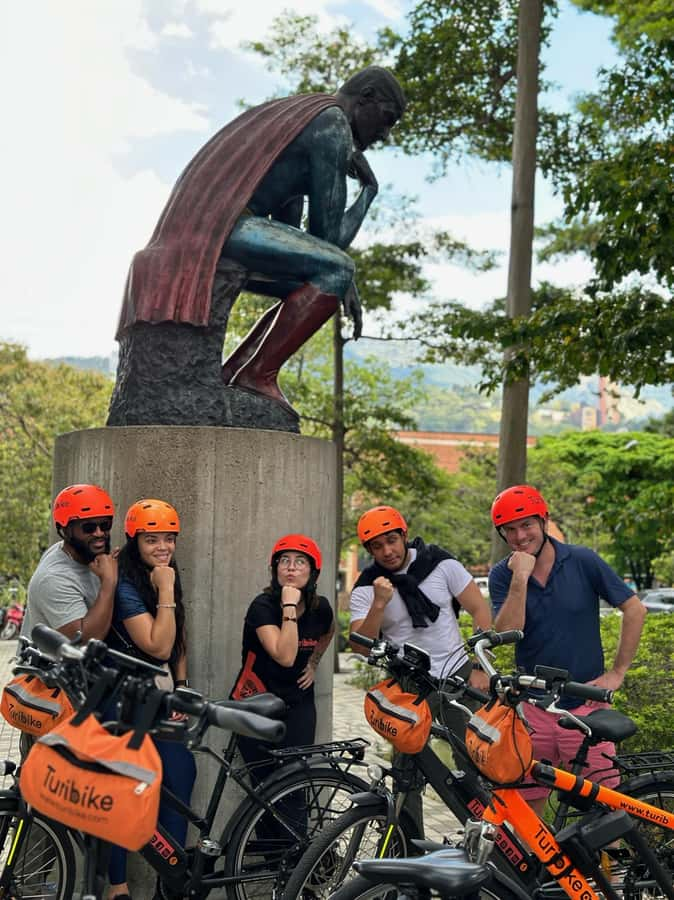
Plaza Botero is the tour’s major downtown stop. The square is filled with Fernando Botero’s large bronze figures, and the surrounding city gives the art a lively setting. You are not viewing the sculptures in a silent gallery. People pass through, vendors work nearby, and the city continues around them.
That setting is part of the appeal. Botero’s art feels connected to public life here, not separated from it. The guide explains the figures, the artist, and the role of the plaza while giving you time to see the details for yourself.
I would plan to use this stop for photographs, but do not let the camera take over. Look at the polished surfaces where hands have touched the bronze, the scale of the figures, and the way the sculptures sit among the surrounding buildings.
The area can feel chaotic. Keep your belongings secure and stay with the group. The tour description does not promise a museum visit, so you should think of this as an outdoor art and city-history stop rather than a gallery experience.
Parque de las Luces and the changing center
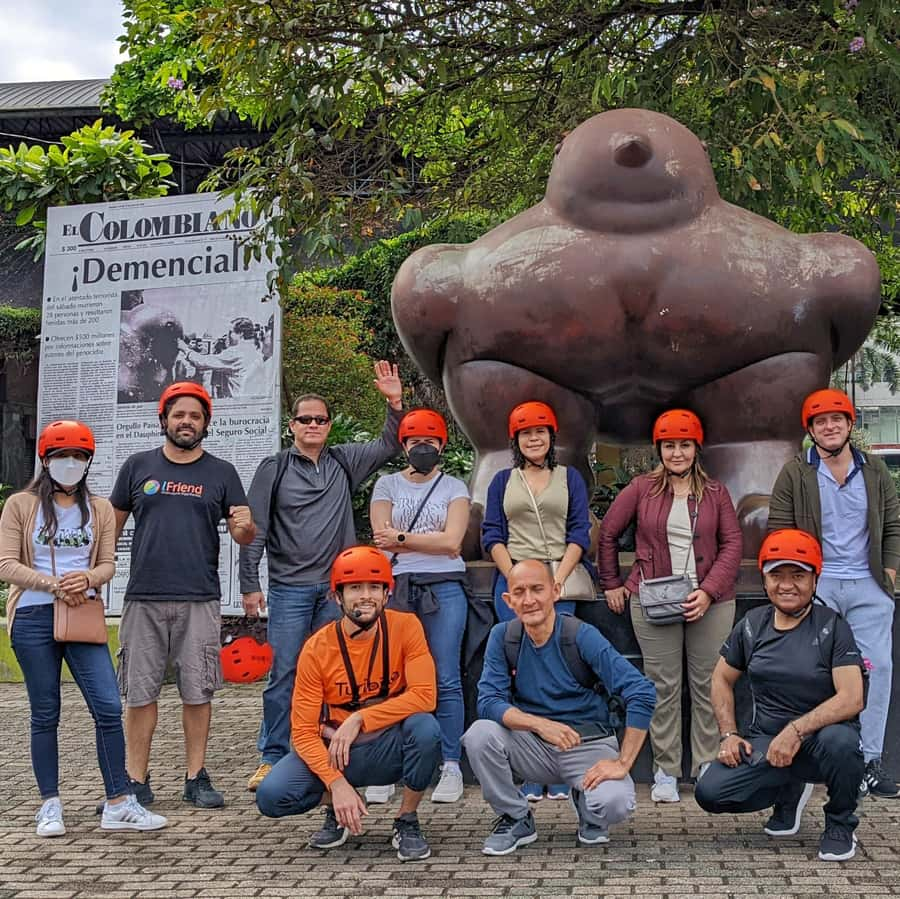
Parque de las Luces brings another view of central Medellín. Its public art and tall light structures create a strong contrast with the older buildings and busy streets around it. The guide uses the park to explain how public spaces can change the way residents experience the city center.
This stop works well after Plaza Botero because the two places show different sides of downtown. Botero Plaza is defined by sculpture and crowds. Parque de las Luces is more about open space, design, and the city’s attempt to create a welcoming public area.
You may find the center noisy and crowded. That is part of the honest experience. The tour does not present Medellín as polished at every turn. It shows a city where new parks and infrastructure sit beside traffic, commerce, and older urban problems.
Plaza Mayor and the final ride to Parques del Río
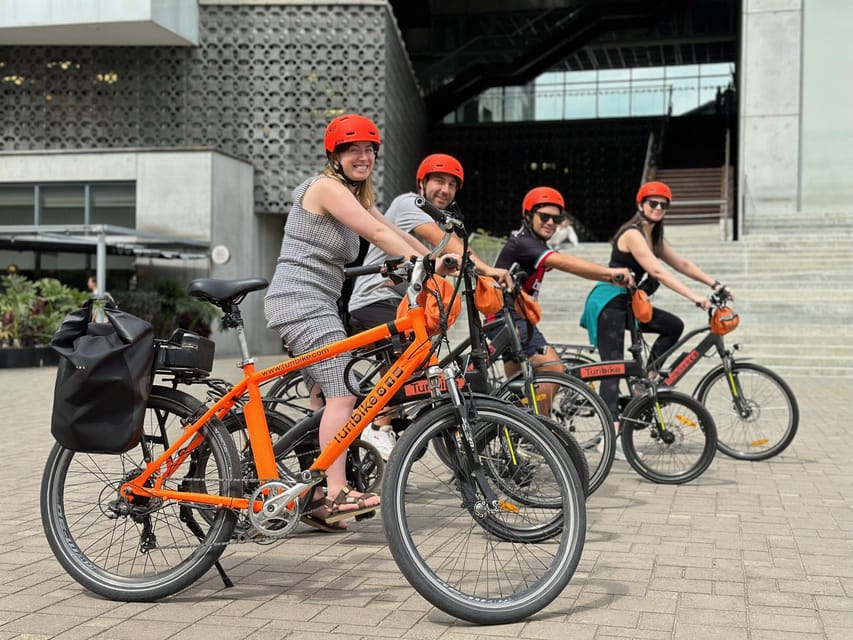
The route reaches Plaza Mayor Medellín on foot, giving you a chance to step away from the bikes. This large civic and event area helps round out the city’s modern side. It is a practical stop rather than a dramatic historic monument, but it adds context to the public institutions and new development around the river.
From there, the ride continues to the Medellín River Parks, known as Parques del Río. This is a calmer finish after the noise of downtown. The river corridor offers open space and a chance to see how Medellín is using major infrastructure projects to create more room for recreation and public life.
I like the order of the route. The ride begins with modern art and creative development, moves into the city’s crowded center, then ends in a more open urban setting. You finish with a clearer sense of both the city’s pressure points and its attempts to improve public space.
The final return is to NOI coworking. The total duration is 210 minutes, though the exact starting time depends on availability.
The guides are a major part of the experience
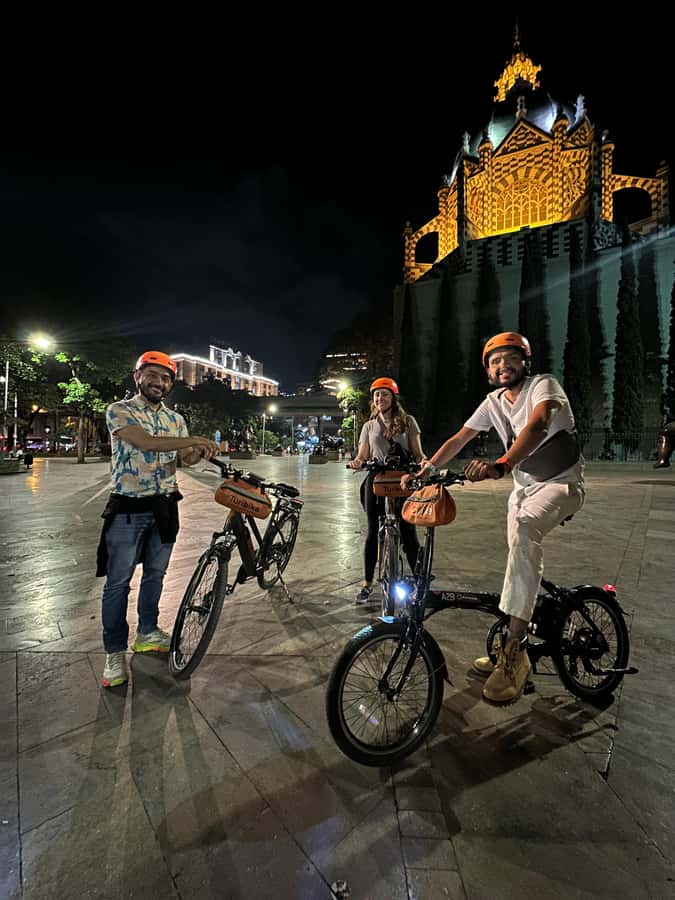
The strongest part of this tour is the human element. Dayana is praised for cautious riding and her interest in Medellín’s culture, history, and people. Dani is described as funny, professional, patient, and good at explaining how local people experienced the city’s past.
Toto is known for an outgoing style and for mixing history with coffee and fruit stops. Juan and Carlos have also been praised for making the ride easy for people with no prior e-bike experience. Andrés, the company’s CEO, has led rides that covered a wide range of districts and added personal recommendations for the rest of a stay.
Guide assignments can change, so you cannot count on a particular person. Still, the pattern is clear: the company places real weight on storytelling and rider comfort, not just on handing out bicycles.
The guides speak Spanish and English. If you want the most from the experience, ask questions. The route contains enough history, art, and city planning to support a good conversation, especially at San Antonio Park, Plaza Botero, and the newer public spaces.
Safety, traffic, and group size
This is a guided city ride, not a private lane through a park. You will cross busy roads and use cycle paths that may have pedestrians in them. A cautious guide helps, but safe riding also depends on your own attention.
The tour includes helmets, medical insurance, rain jackets, and technical assistance. Those inclusions are useful in Medellín’s changeable weather and busy streets. A refreshing Colombian drink is also included, and some rides have included coffee, fruit, sugar-cane juice, or a beer at the end. The exact refreshments may vary, so treat them as a pleasant extra rather than the main reason to book.
Group size deserves attention. A small group gives you more room to ask questions and makes it easier for the guide to keep everyone together. One group of 15 was considered too large for this type of route. If you want a relaxed pace, ask the operator how many people are booked for your date.
One rider also reported a gear problem at the start. That appears to be an equipment issue rather than a normal feature of the tour, but it is a good reason to test the bike before leaving. Tell the guide at once if the gears, brakes, or motor do not feel right.
Is $48 a fair price?
At $48 per person, this sits above a basic walking tour but includes a bike, helmet, guide, insurance, technical support, rain protection, and three and a half hours of city coverage. You are also paying for the ability to connect places that would be tiring to visit on foot in one outing.
The value is strongest if this is your first or second day in Medellín. You get an orientation across several districts, learn where the central attractions are, and collect ideas for places to revisit later. The guides may also share food, restaurant, and city suggestions, though those recommendations are not listed as a formal inclusion.
The value is weaker if you are already an experienced cyclist who wants a challenging ride. The route is mainly flat and built around stops, stories, and city access rather than athletic effort. A walking tour may be enough if you only want Botero Plaza and the central sights.
Free cancellation up to 24 hours before departure and the option to reserve now and pay later reduce the risk of booking ahead. Transportation to NOI coworking is not included, so budget for your walk, metro ride, or taxi to the meeting point.
Who should book this ride?
I would choose this tour for a first visit, especially if you want history and local perspective without spending the whole day inside museums. It suits couples, friends, and families with older children who can ride independently and meet the 140-centimeter minimum height.
It is also a good fit for people who want to try an e-bike without committing to a long cycling holiday. The guides explain the equipment, and the route gives you time to settle in.
I would think twice if you cannot ride a bicycle, are pregnant, use a wheelchair, or are under 140 centimeters tall. Sandals and flip-flops are not allowed, and anyone uncomfortable with traffic should understand that some crossings and shared paths can feel hectic.
Should you book the Medellín History and Local Life Essentials Tour?
Book it if you want a lively introduction to Medellín that combines public art, city history, modern development, and local stories in one outing. The 4.9 rating from 130 reviews reflects unusually consistent praise for the guides, bike condition, safety, and friendly tone.
My advice is to book early in your stay, request a smaller group if possible, and arrive in comfortable shoes with identification. Test the bike before setting off, stay close in the center, and expect a real city rather than a quiet recreational ride.
Skip it if you want a slow museum tour or a demanding cycling route. For most first-time visitors who can ride a bike, the chance to see Ciudad del Río, San Antonio Park, Botero Plaza, Parque de las Luces, Plaza Mayor, and Parques del Río in 210 minutes makes the $48 reasonable.
FAQ
How long does the Medellín e-bike tour last?
The tour lasts 210 minutes, or three and a half hours. Starting times vary, so you need to check availability when booking.
Where does the tour start and finish?
It starts and ends at NOI coworking, Calle 17 # 43F-287. The meeting point is about a 10-minute walk from Poblado metro station or a 10-minute drive from Parque Lleras.
What places does the tour visit?
The route includes Ciudad del Río, San Antonio Park, Plaza Botero, Parque de las Luces, Medellín River Parks, and Plaza Mayor Medellín. It passes through Perpetuo Socorro.
Is previous e-bike experience required?
No. The guides explain the bikes and give beginners time to adjust. You must be able to ride a bicycle.
What is included in the price?
The tour includes a bilingual guide, electric bike, helmet, rain jacket, refreshing Colombian drink, medical insurance, and technical assistance. Transportation to and from the meeting point is not included.
Who cannot take this tour?
The tour is not suitable for pregnant women, people who cannot ride a bike, wheelchair users, or people under 140 centimeters tall. Sandals and flip-flops are not allowed.
New rides added around the world
- Prague: E-Scooter HUGO Bike Rental★ 4.8 · 11 reviews
- Prague Electric Scooter and eBike Grand Tour★ 5.0 · 15 reviews
- Prague E-Bike City Ride tour : 2hrs★ 4.5 · 36 reviews
- Prague: E-Bike or E-Scooter Tour with A Local Guide★ 4.8 · 154 reviews
- Prague: City Viewpoints Tour by Electric Fat Bike★ 5.0 · 43 reviews
- Prague City Bike guided tour★ 3.7 · 10 reviews
- Prague: Classic City Bike Tour★ 4.7 · 149 reviews
- Prague: Stunning Viewpoints, Castle, City & Park Bike Tour★ 4.6 · 38 reviews
Historic & Landmark Bike Tours, compared.
Historical Singapore Bike Tour on Full-Sized Bicycles
Read our review →
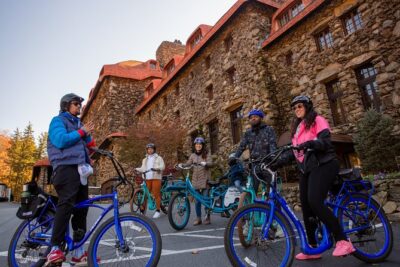
Asheville Historic Downtown Guided Electric Bike Tour with Scenic Views
Read our review →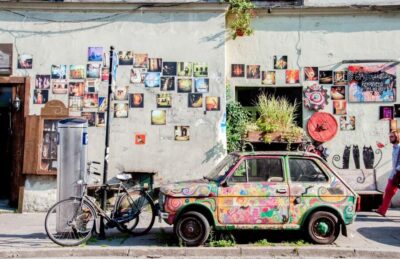
Bike Tour of Old Town, Jewish Quarter and the Ghetto
Read our review →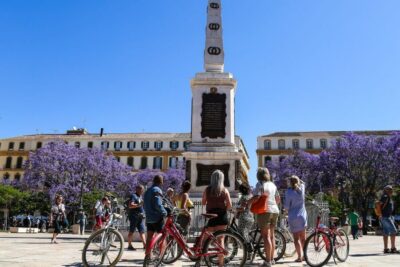
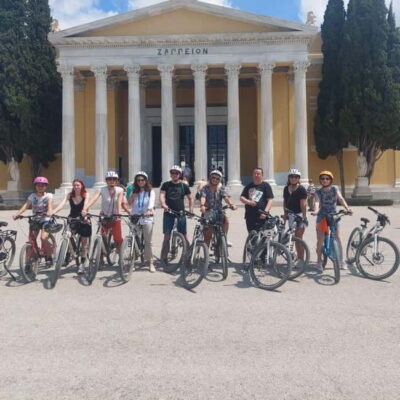
Barcelona e-Bike Tour: Gaudí & Old Town Small Group
Read our review →
Browse the lists this tour appears in